16 February 2026 |
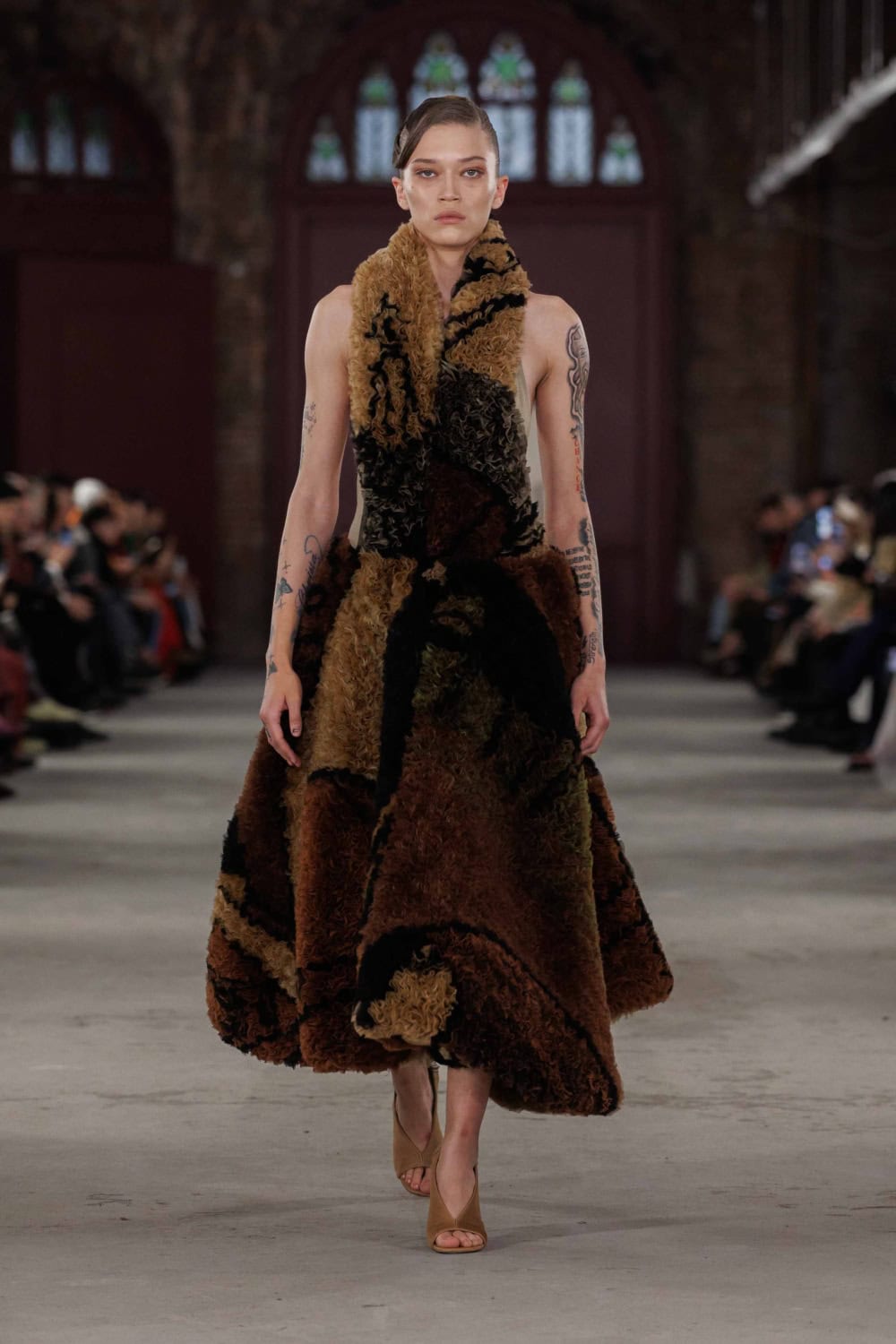
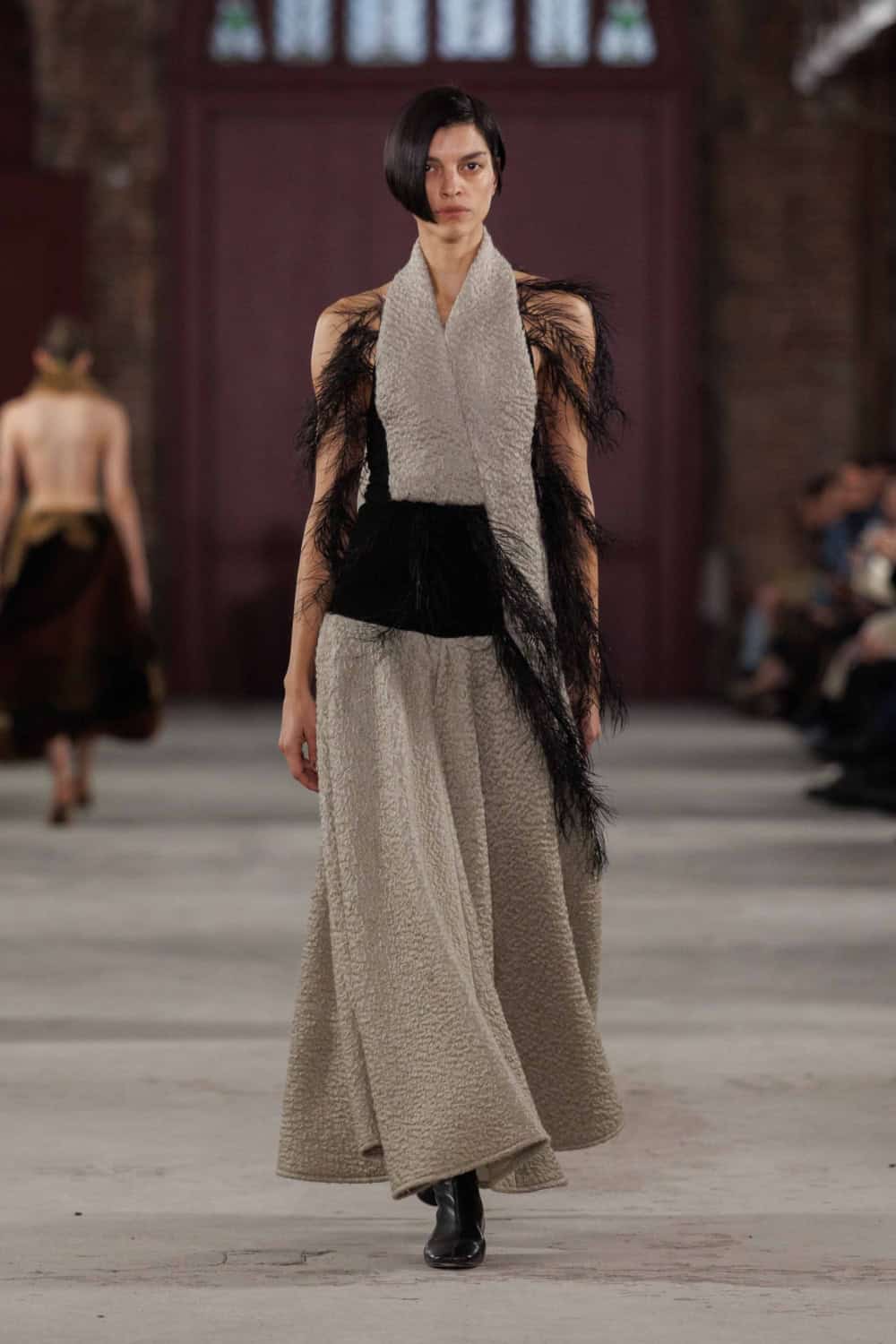
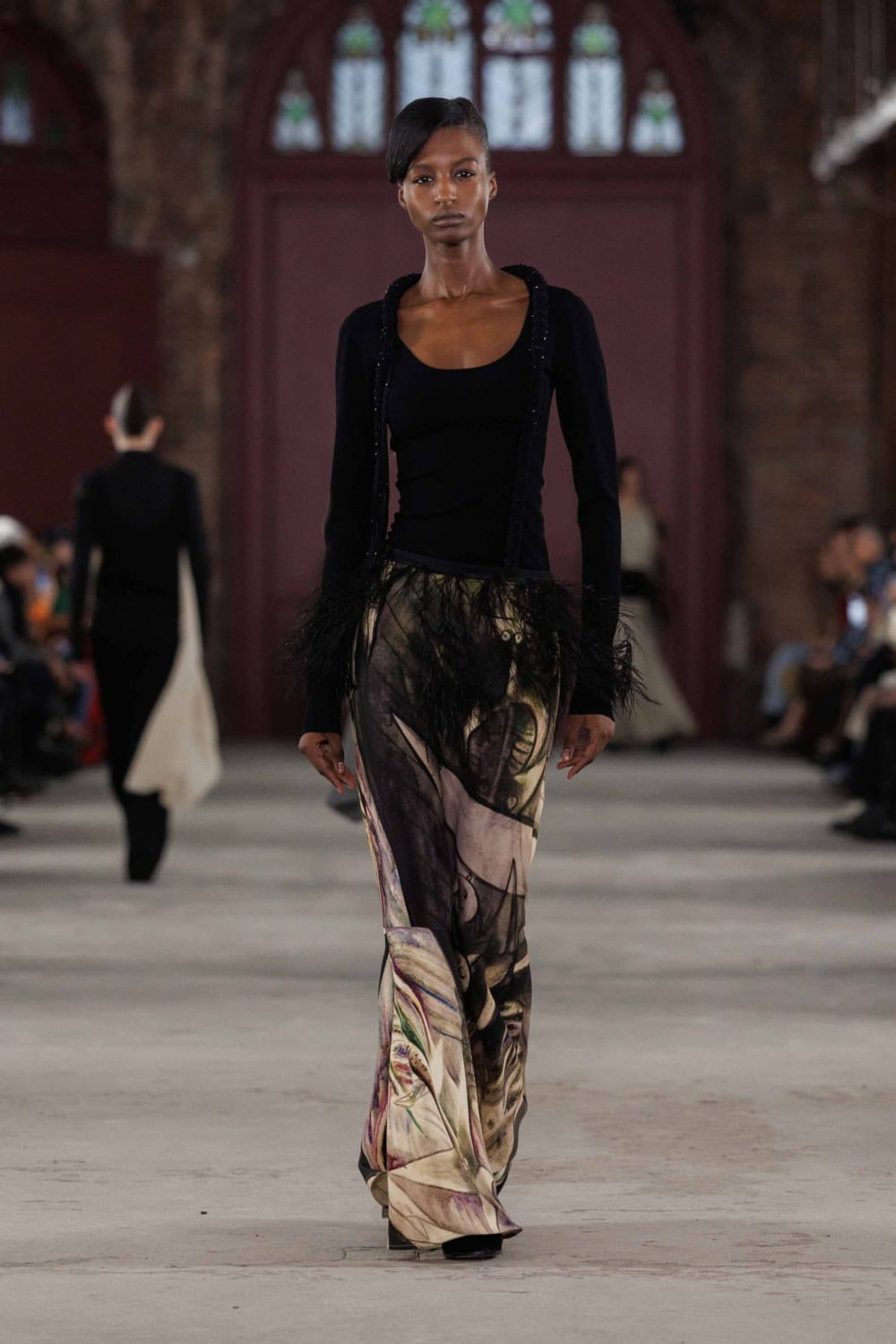
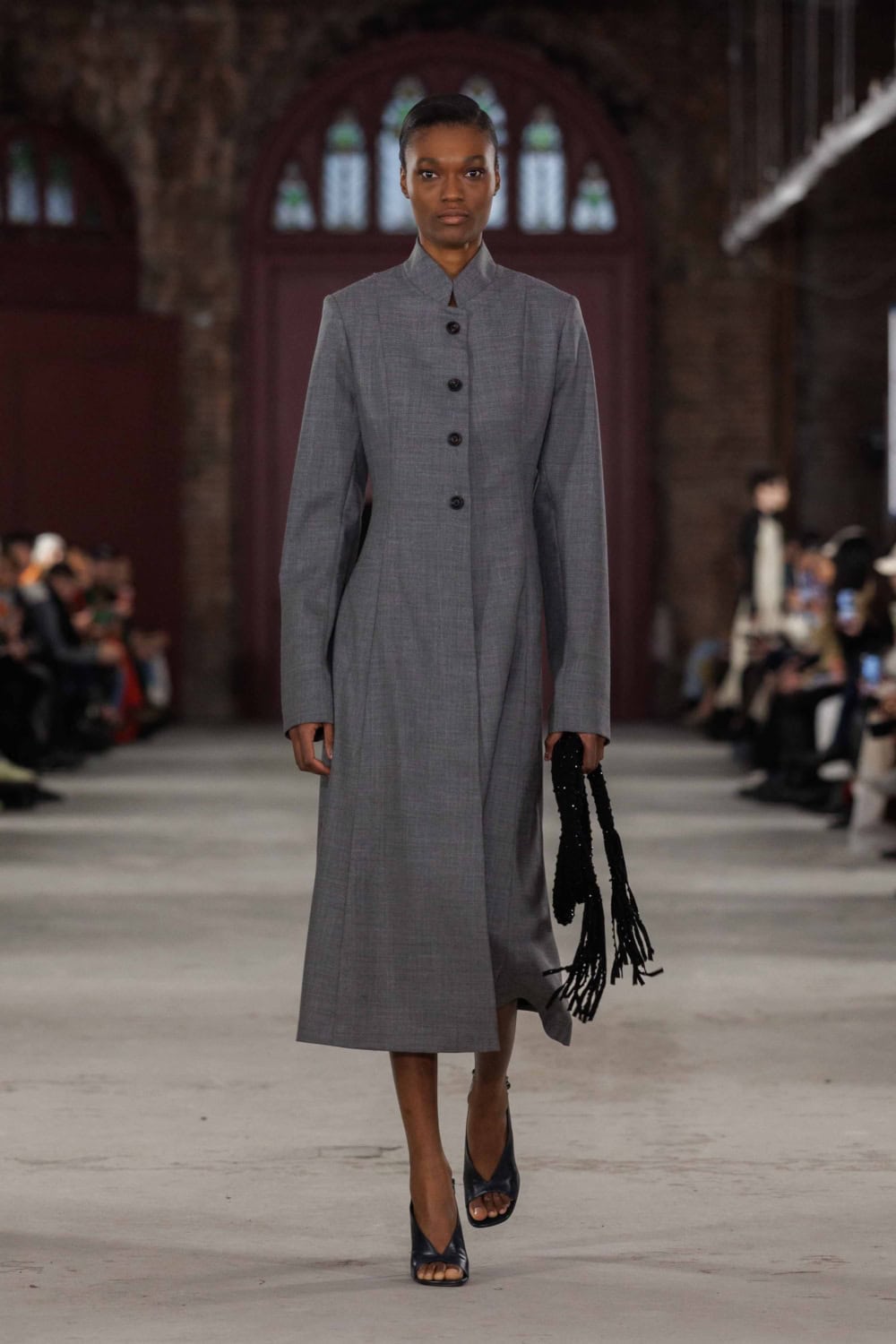
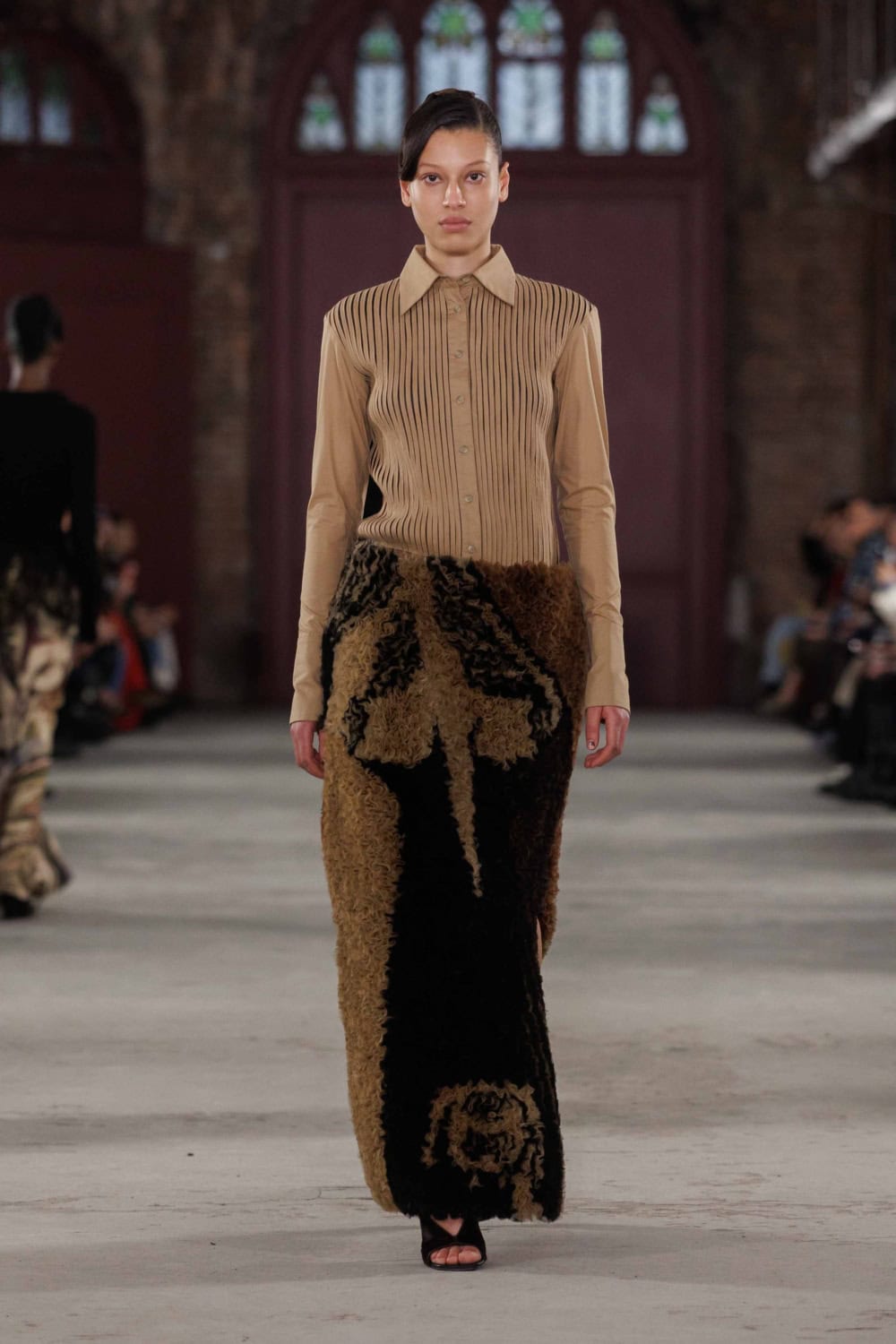
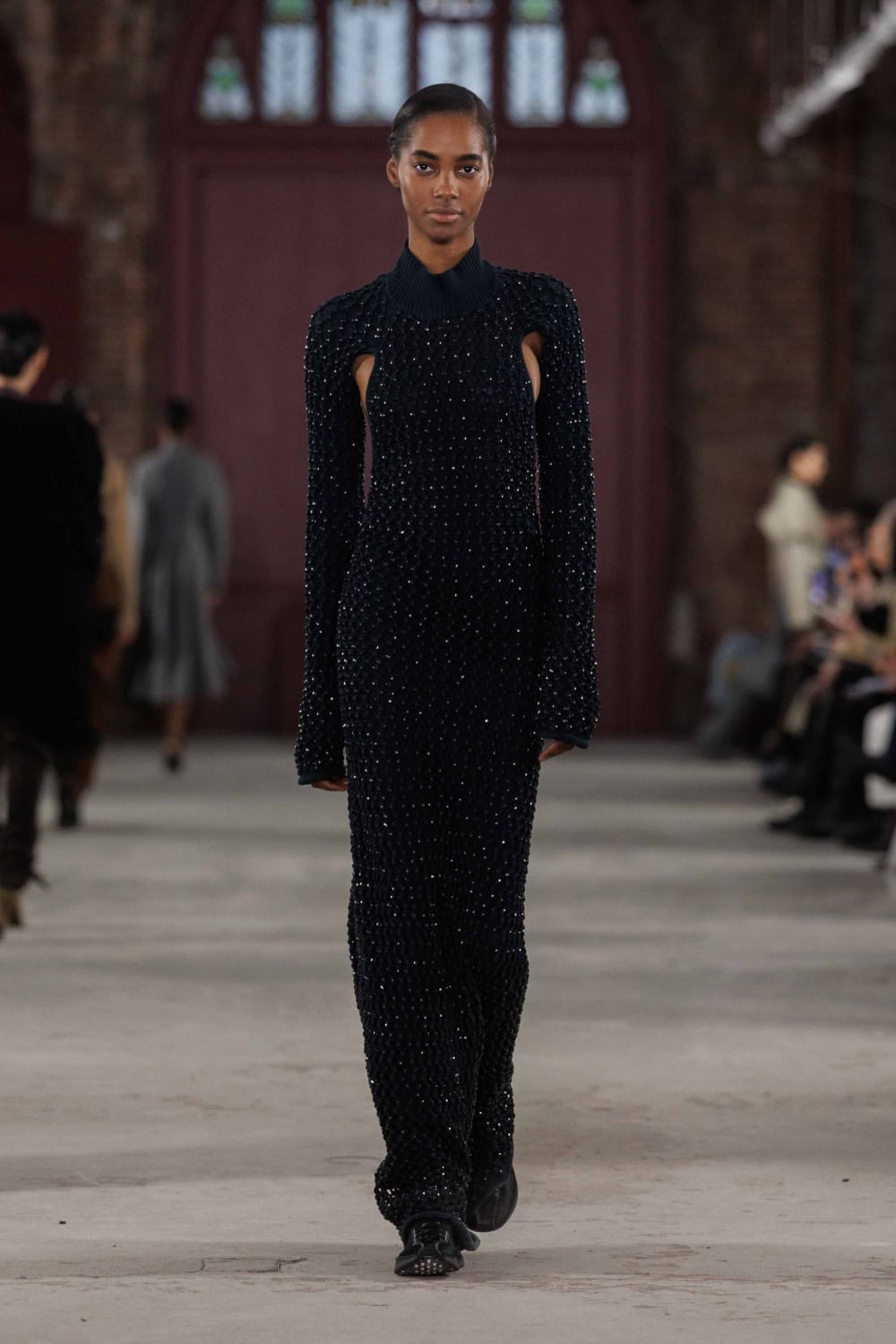
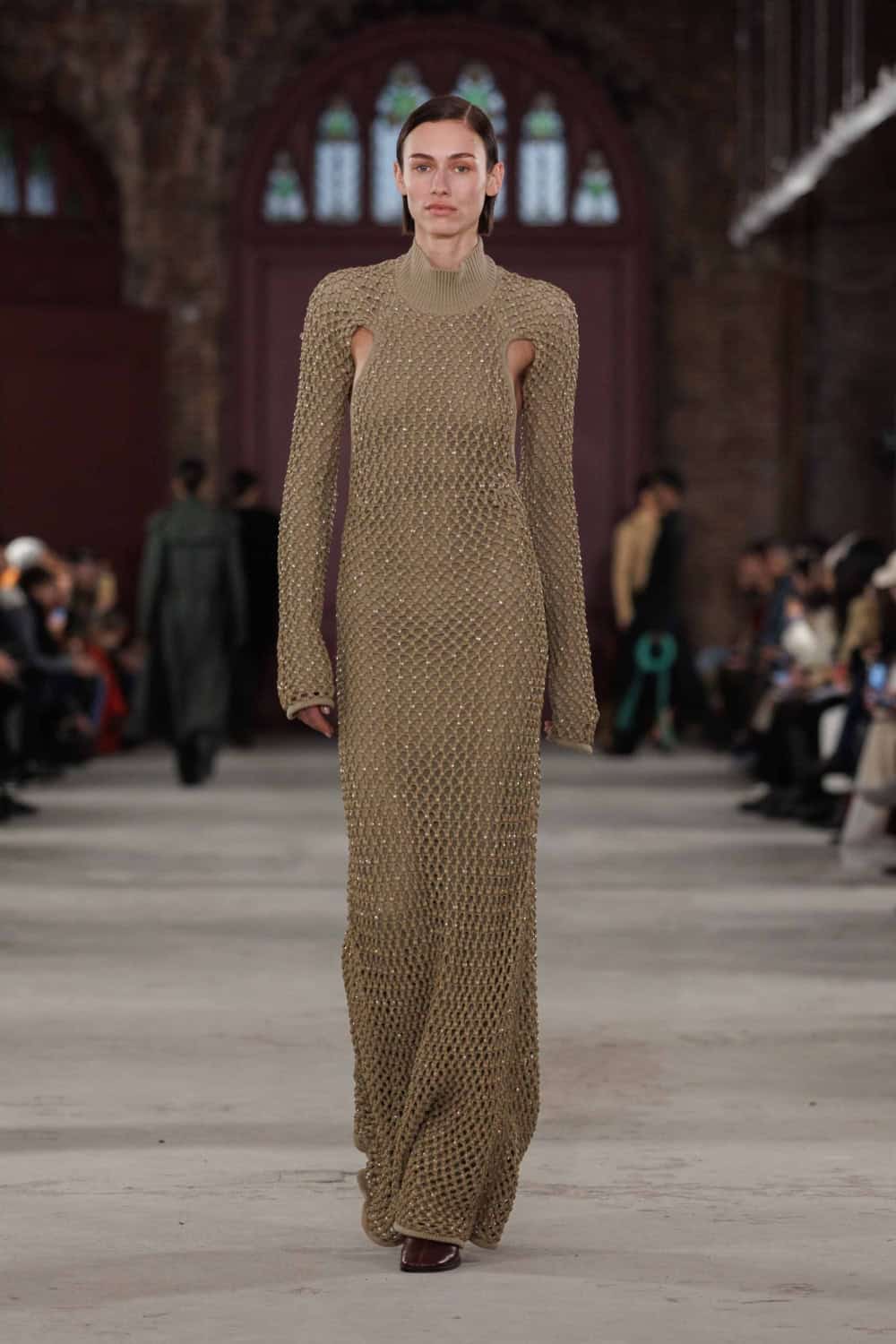
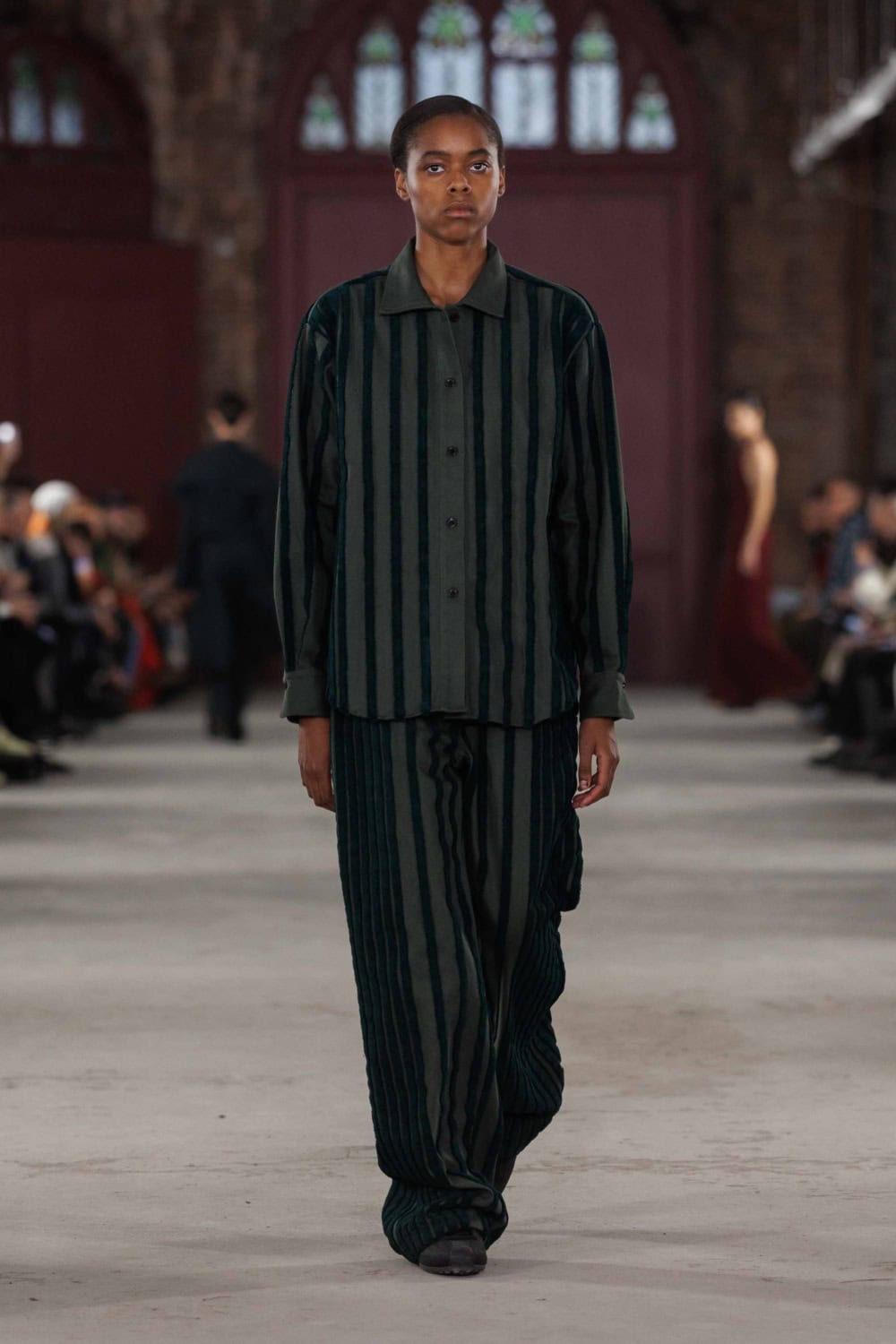
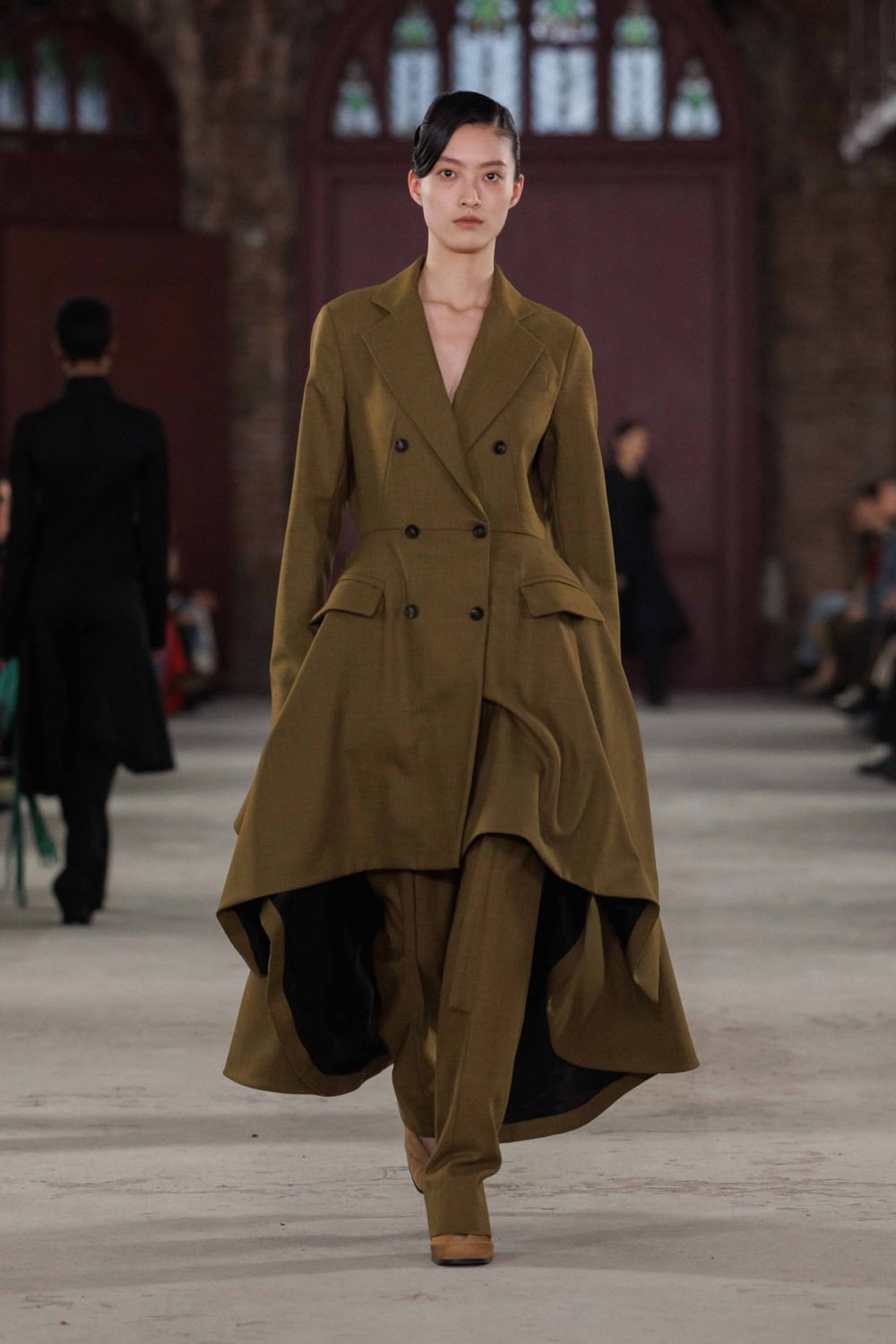
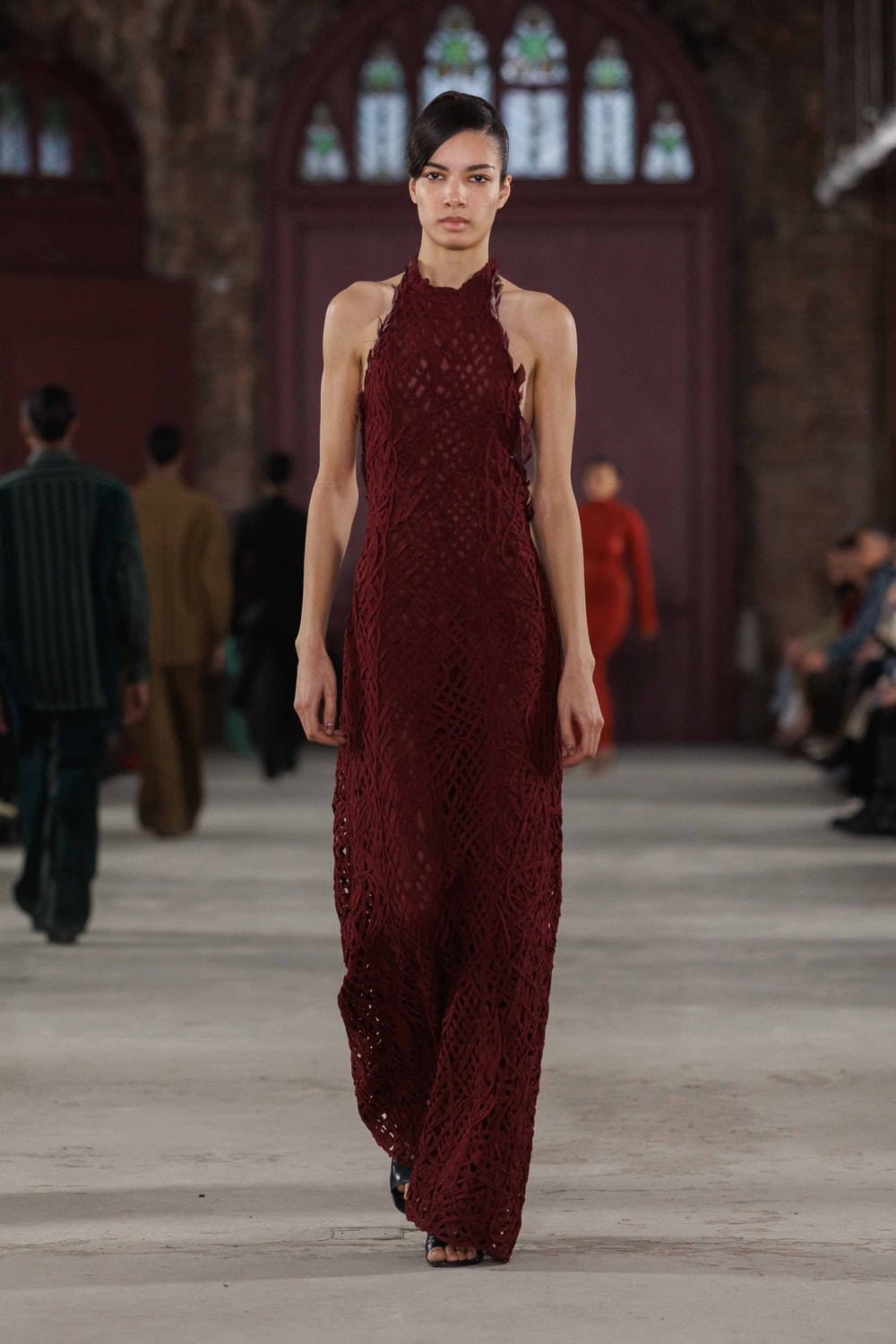
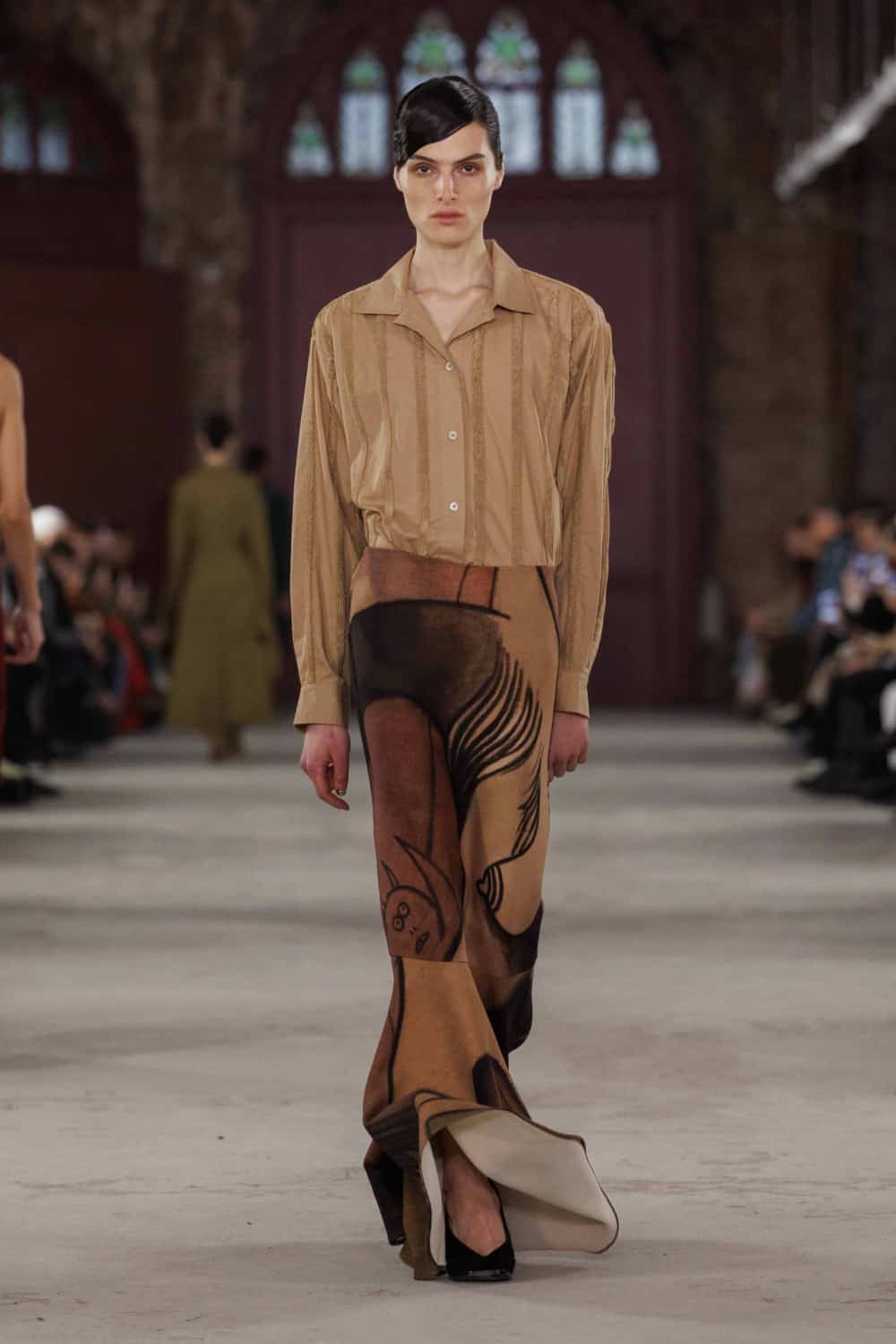
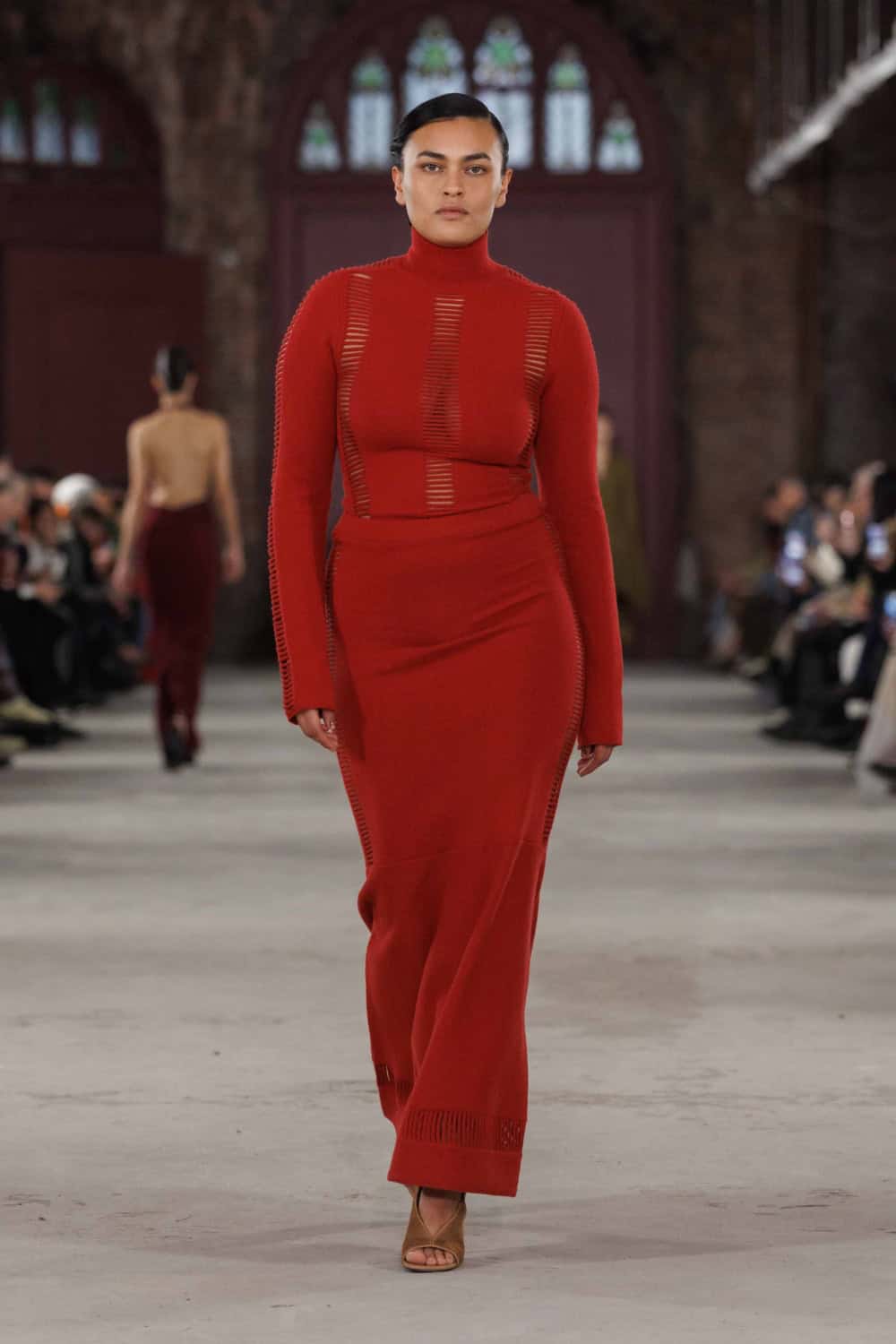
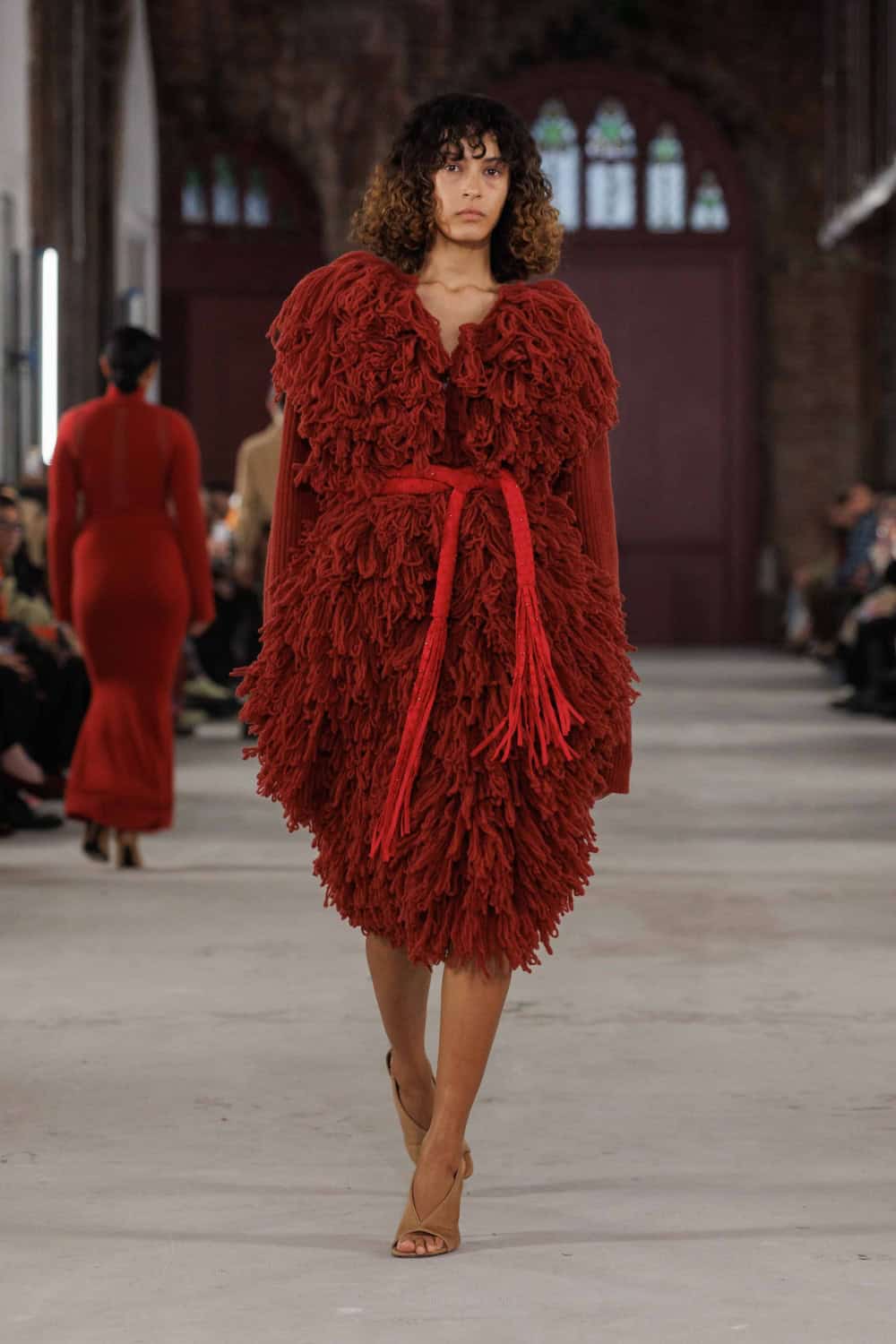
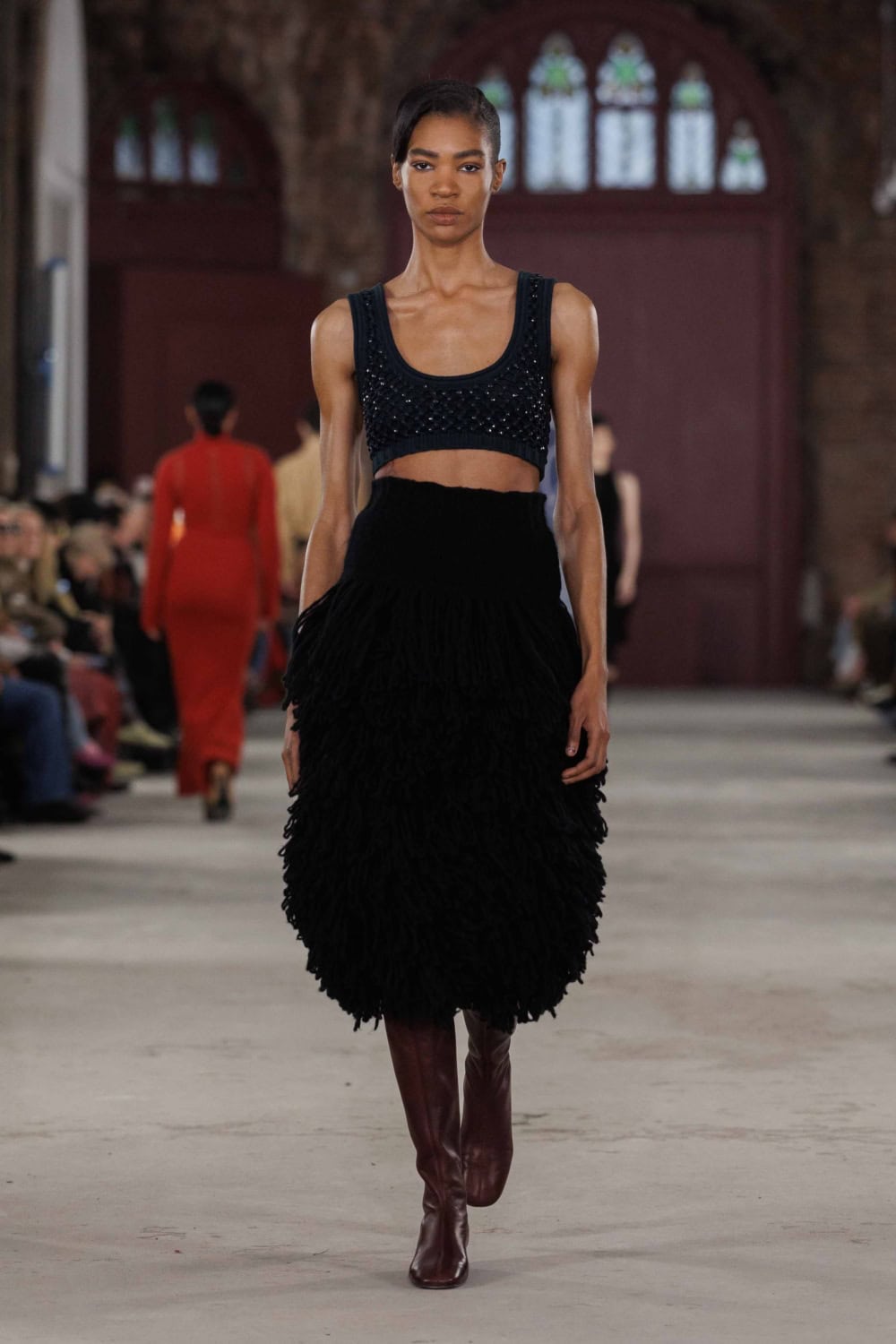
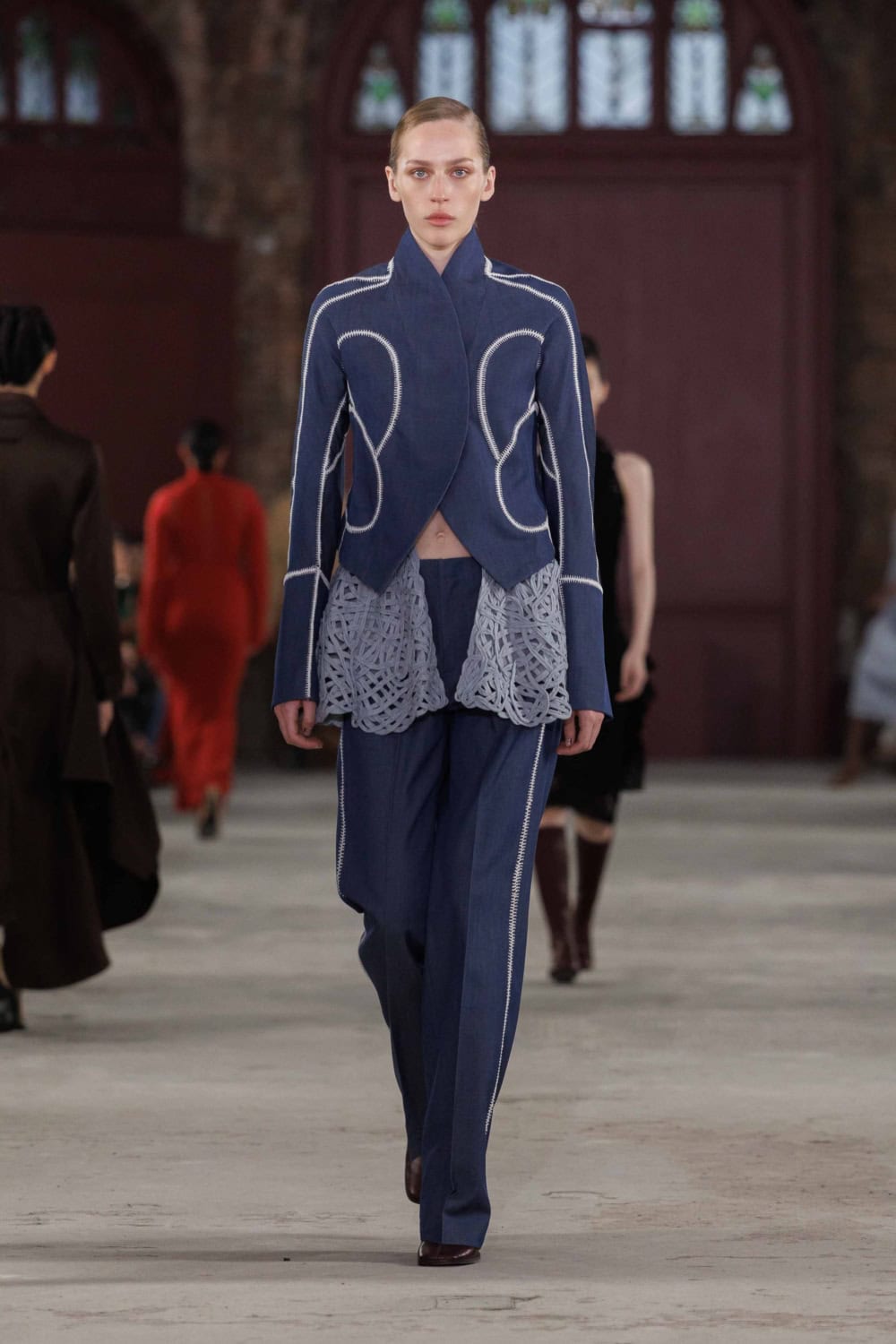
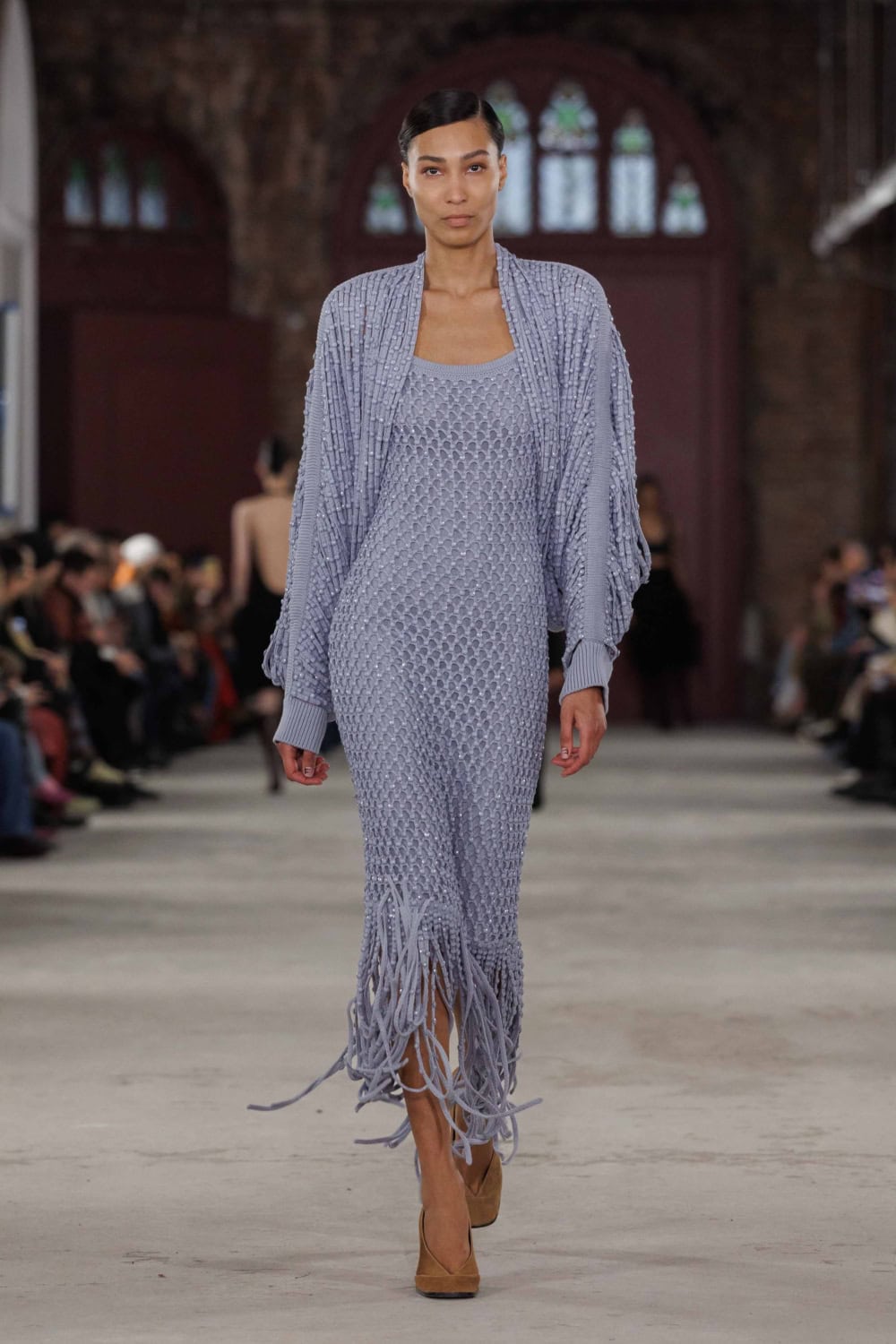
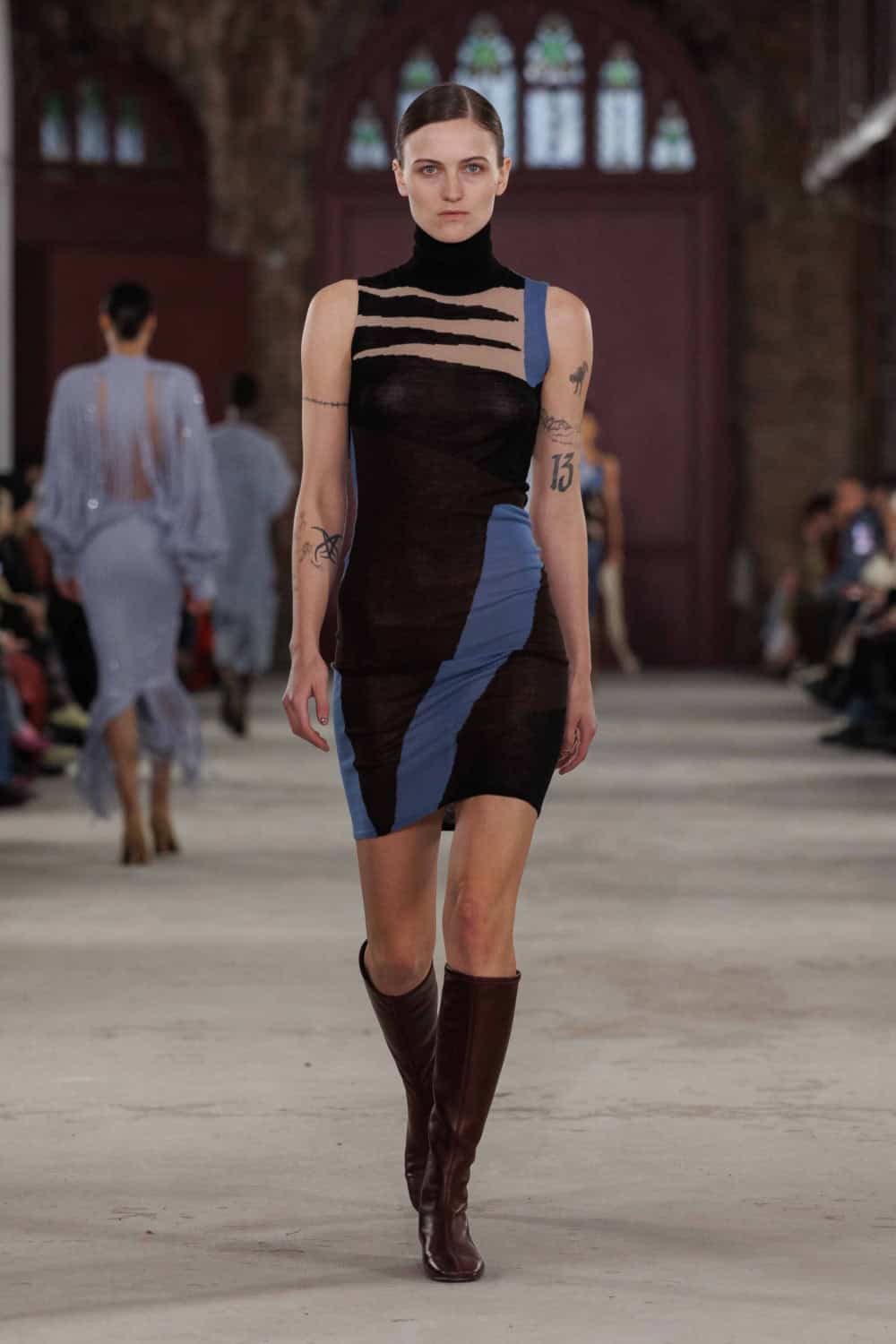
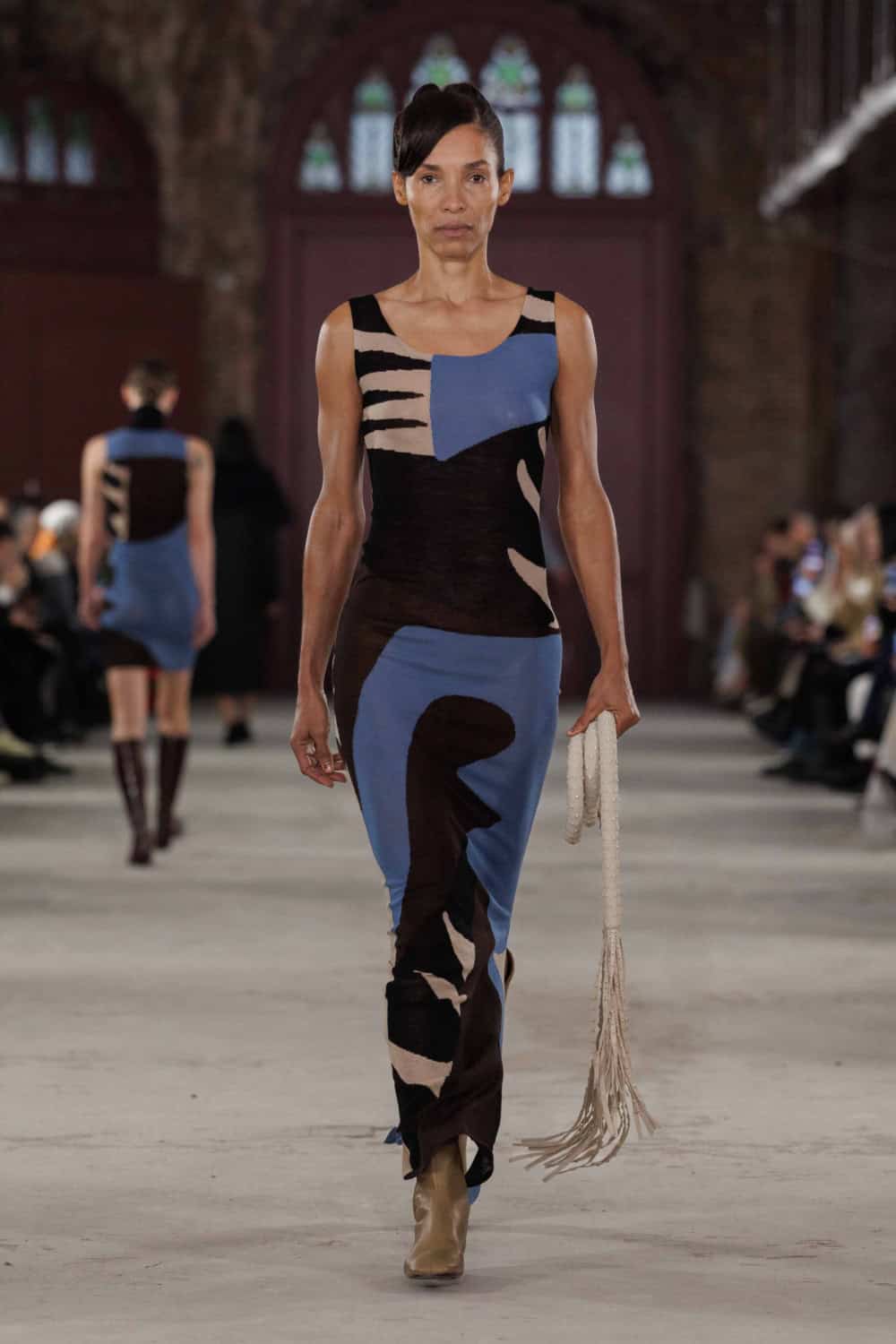
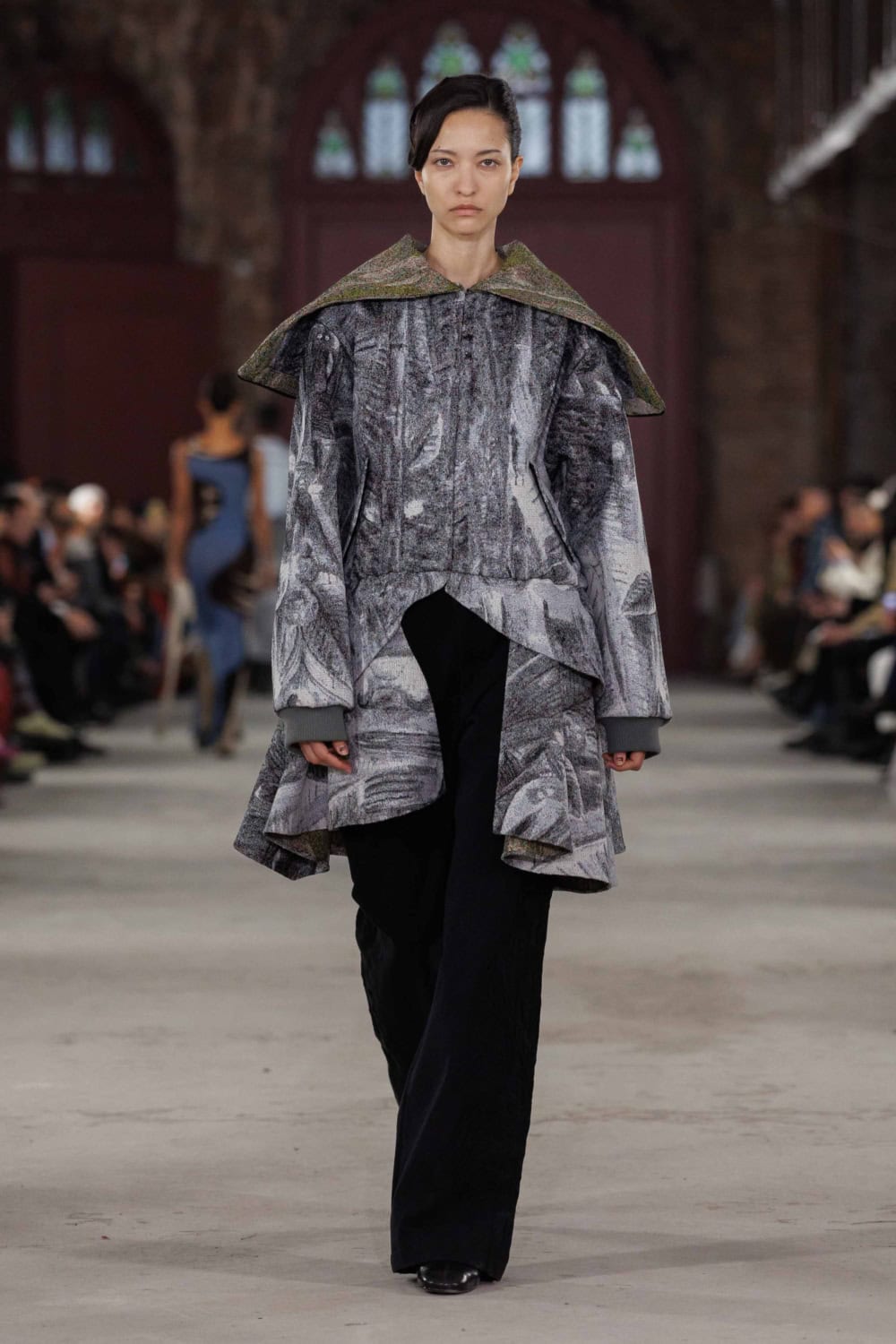
Inspired by Wilfredo Lam, Femme Cheval is an ode to the resilient, graceful woman.
The Caribbean is forever a source of inspiration for Diotima’s Rachel Scott. Last spring she looked to the various iterations of Carnival across the islands, be it J’ouvert, Bacchanal, or Playing Mas for a vivid, joyful debut. For fall 2026, Scott took a different turn, focusing instead on artist Wilfredo Lam. Lam, born in Cuba, is a fascinating choice. Born to a mixed race mother of Cuban mulatto and Congolese slave descent and a father who hails from the Canton region of China, he is the contemporary of Pablo Picasso, Henri Matisse, Frieda Kahlo, and Diego Rivera and represents the meld of cultures unique to the constellation of islands. And for Scott, it was a personal goal of hers as she told Vogue how she’s wanted for years to create a collection inspired by his work. With Lam’s estate’s blessing, that dream came to fruition yesterday.
Currently the Museum of Modern Art is staging the largest-ever American retrospective of Lam’s work but Scott’s timely choice goes deeper. In the show notes the designer cites how she believed beauty was inescapable from politics and given that Lam’s oeuvre reflects histories of displacement, resistance, and decolonization, it was a necessary balm in these unsettling times. Featuring a collaboration with the Refugee Atelier in New York, the 34 look show hit on all notes, finding light in the darkness.
Scott is a master at textile manipulation and that was evident from the get-go, with the opening look being a textured gown that brought to mind Lam’s seminal Femme Cheval. A central theme across the collection, she is a horse-headed woman and represents a figure possessed by a spirit or orisha in Afro-Cuban mysticism. To Scott she’s both human and divine, designed to be counter to colonial fantasies. Sensual and reflecting cultural sovereignty, she embodies the Diotima woman in all her glory. More literally, the words femme cheval also references female equestrians and that could be seen in riding jackets that had exaggerated hips, whips carried by models, and fringes that were meant to suggest manes.
Other pieces seen from Lam’s archive include La Jugla and Omi Obini with their vivid hues offering pops of color that broke up the progression of earth tones. Crochet and beading, two of Scott’s signatures also made an appearance, be it in gown form or as a crop top and skirt. Also interesting this season were her use of translucent textiles — a nod back to the idea of a body as a source of power for this woman. But perhaps the most ambitious of all of the looks were the digital prints on wool-silk, bringing art to life as evident by her closing jacket.
The designer closes her show notes acknowledging that we’re in a time marked by exhaustion and division, giving credit to a woman who can move through it with radiance, force, and radical self-definition. With New York City’s First Lady Rama Duwaji seated in the front row (marking her only fashion week appearance), Scott could not have asked for a better person to embody these qualities.