


From pragmatism to poetry, these are the menswear names to know.
If Milan men’s fashion week fall 2026 had a dress code, it would be “measured optimism, preferably well cut.” This is not a season of grand gestures or chest-thumping statements (save for one viral stunt casting moment.) The major brands have chosen reassurance over risk, refinement over rupture, dressing the contemporary man by gently escorting him back into familiar territory. History, it seems, feels safer than speculation — a fitting metaphor given these uncertain political times.
Interestingly, the younger generation isn’t staging a rebellion either. No barricades, no manifesto tees. Instead, they are advancing quietly, armed with intelligence, restraint and an almost suspicious sense of responsibility. It’s less about making noise and more about making sense. Across these collections, a shared attitude emerges: fashion as an instrument for living rather than posturing. Clothes are expected to adapt, to move, to survive—emotionally as much as materially. Identity is not declared, but negotiated. If this is a new generation, it is one that understands that maturity, like good tailoring, doesn’t need to announce itself.
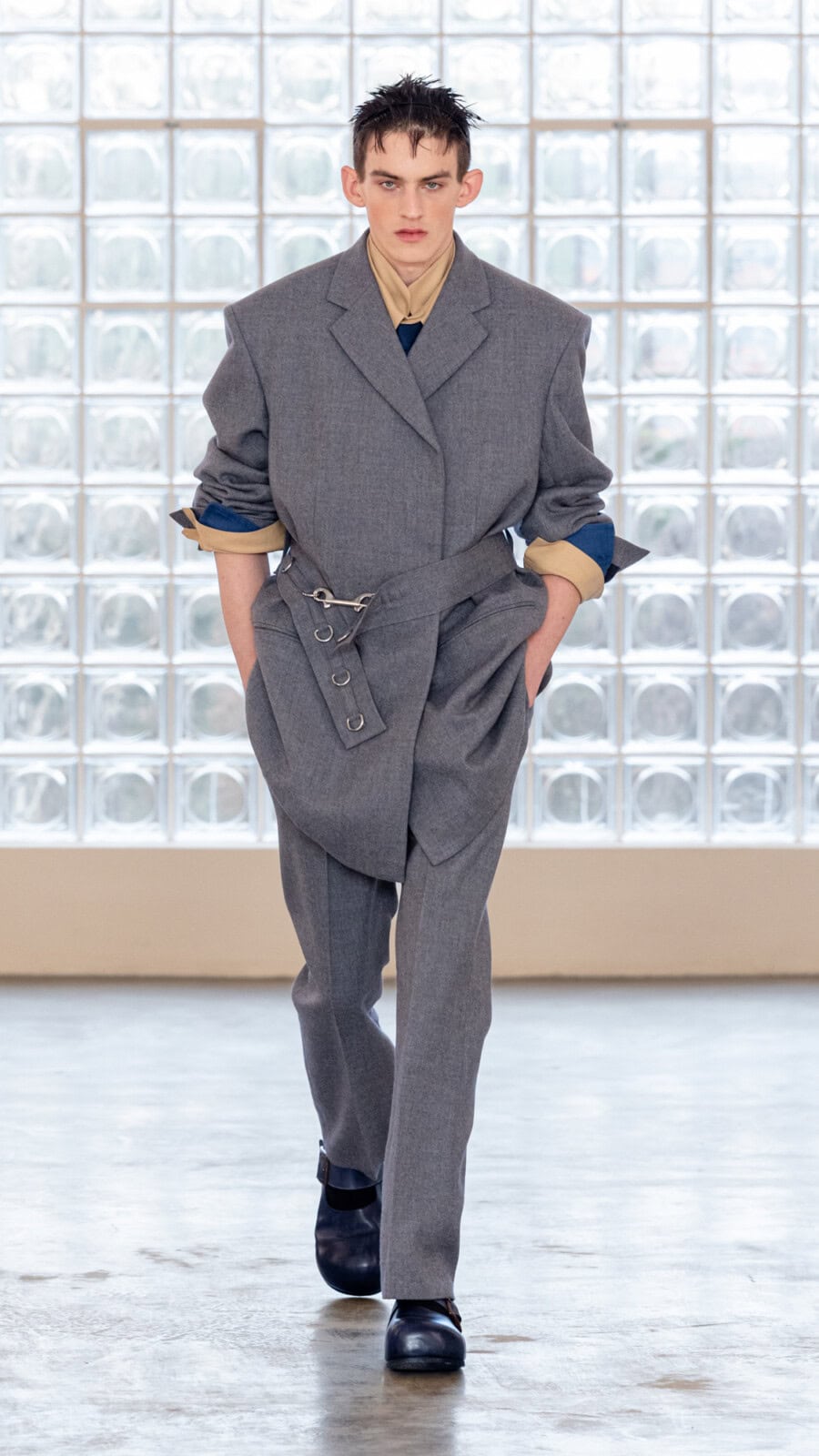
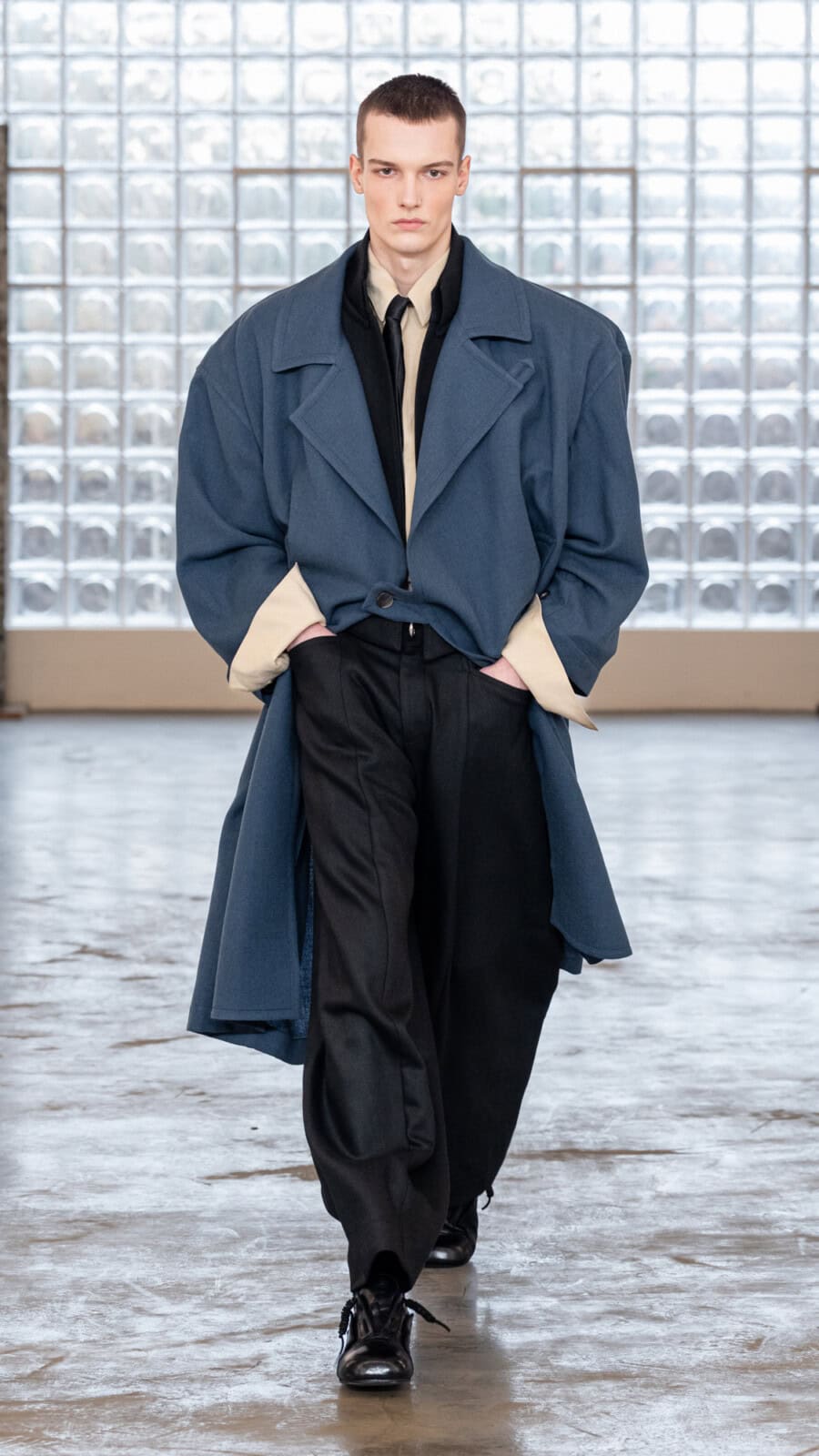
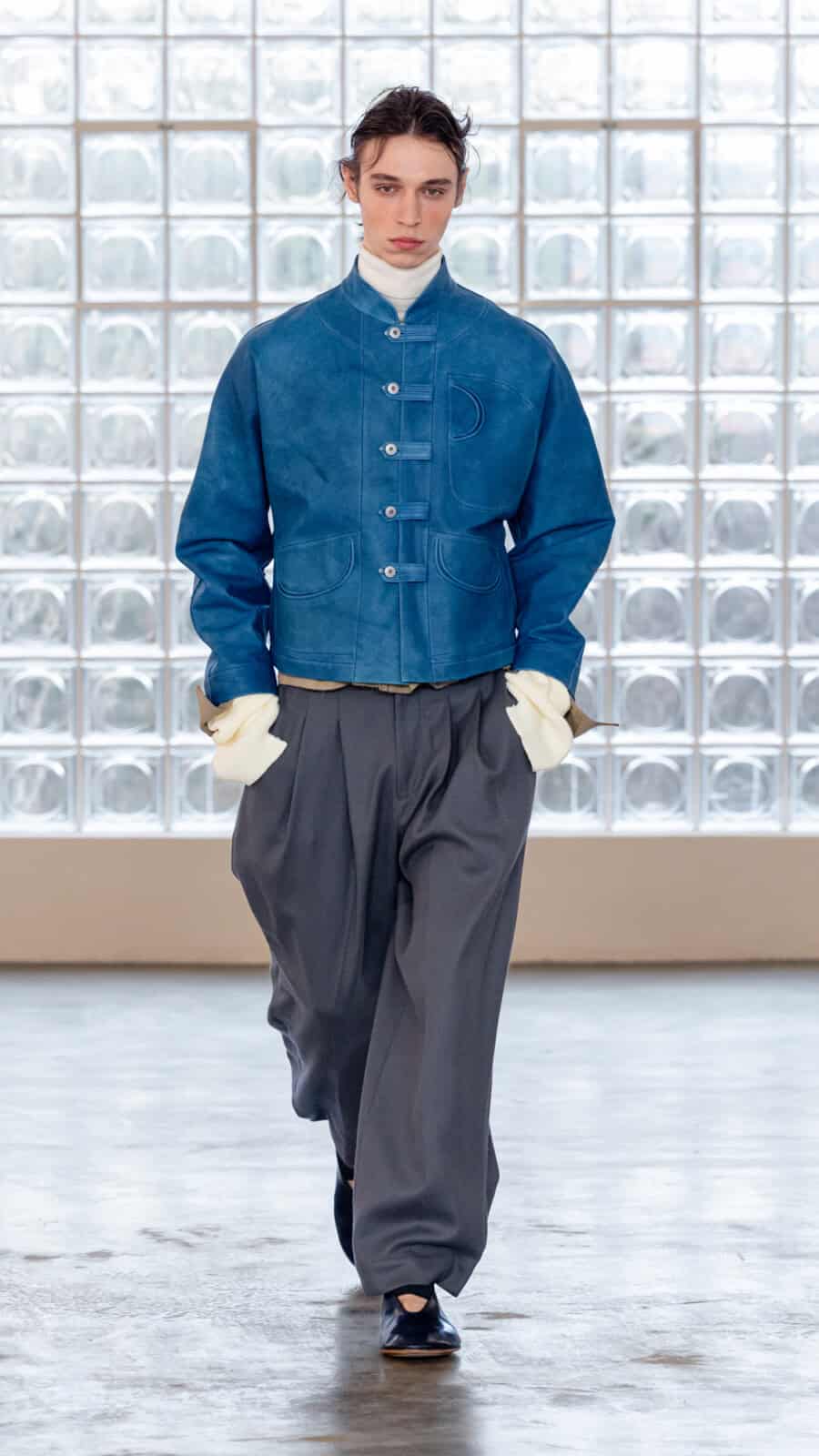
PRONOUNCE sets the tone by treating fashion as architecture—literally. For fall 2026, the brand looks to the Yingxian Wooden Pagoda, a centuries-old structure built without nails. It is still standing, much like certain ideals of craftsmanship the industry occasionally pretends to have forgotten. Mortise-and-tenon logic informs garments that are layered, balanced and quietly resilient. There is a human undercurrent throughout, with references to anonymous artisans embedded in the construction rather than spelled out theatrically. Marking its tenth anniversary, PRONOUNCE revisits selected archival looks, not as nostalgia but as proof of continuity.
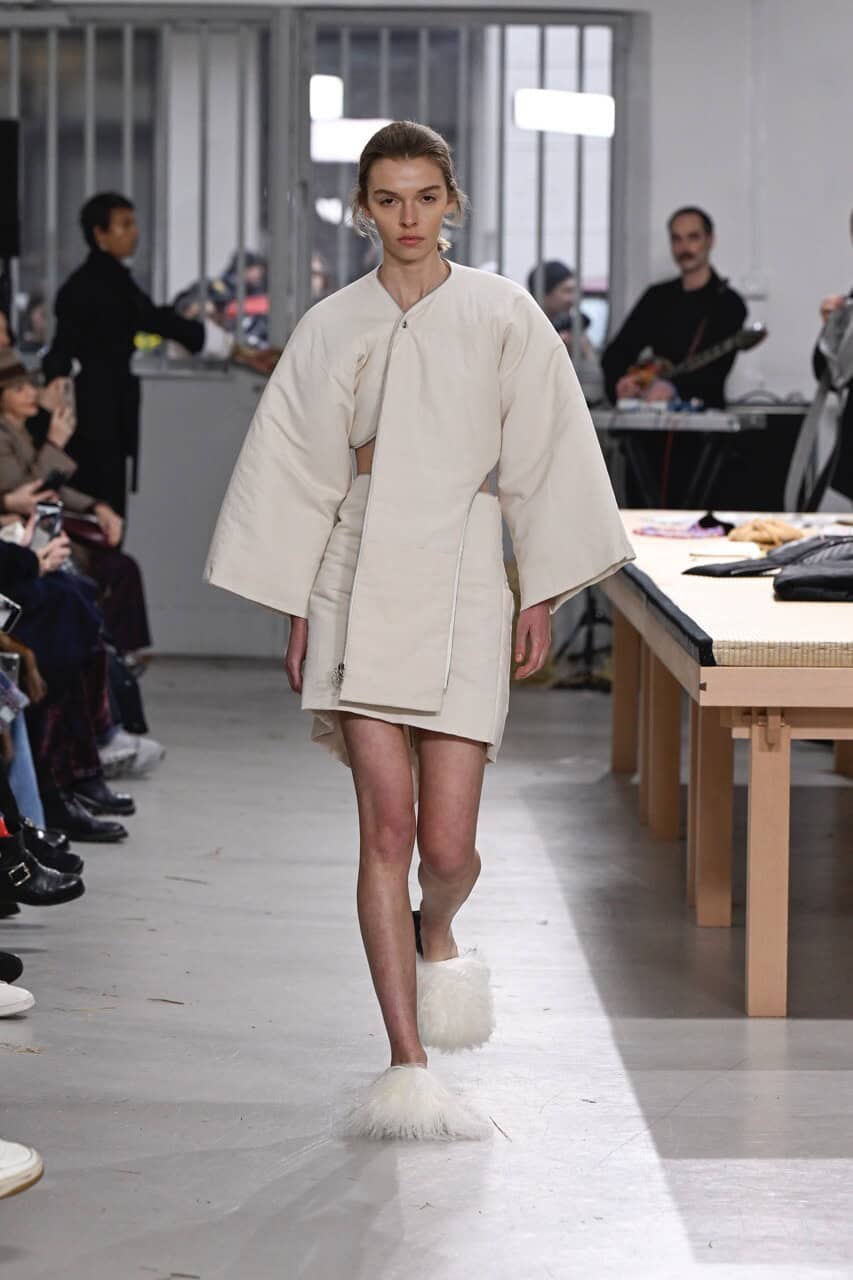
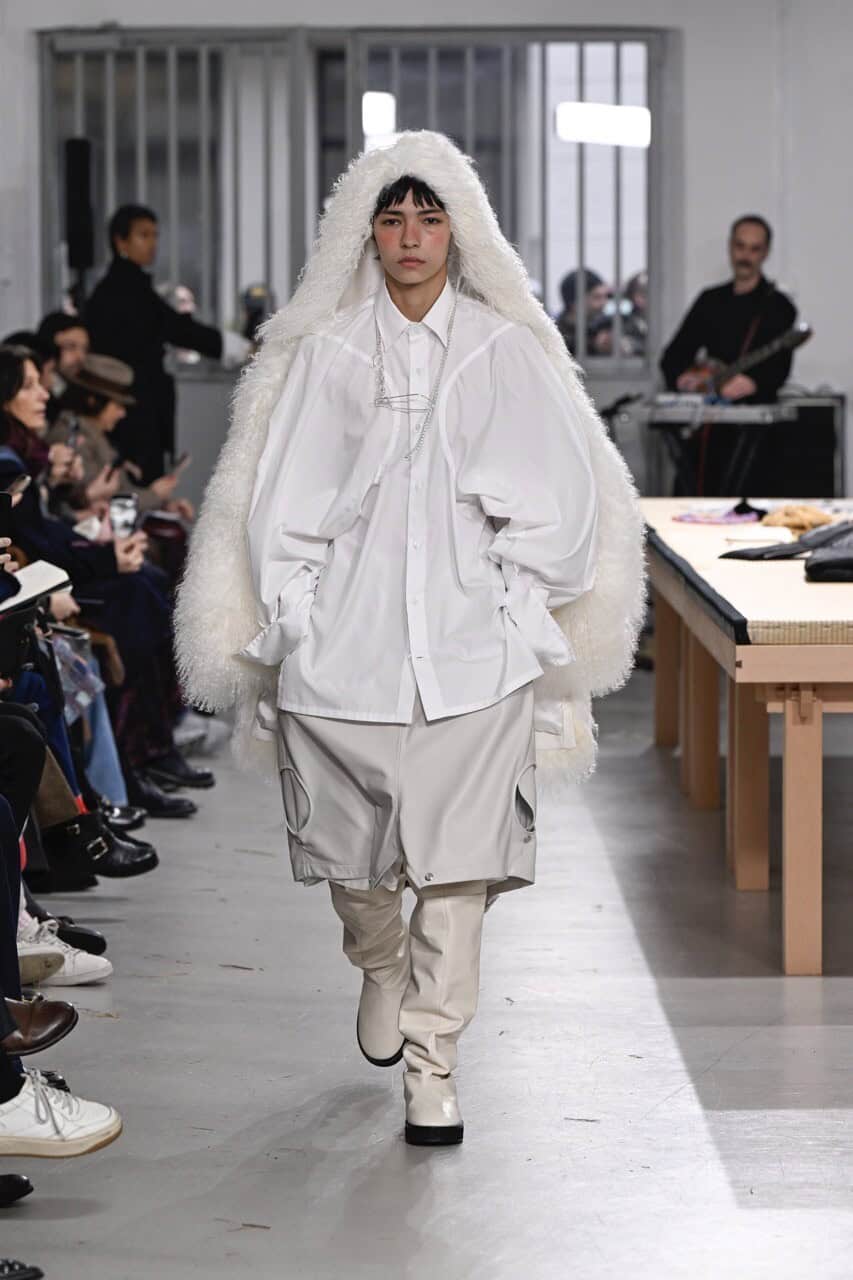
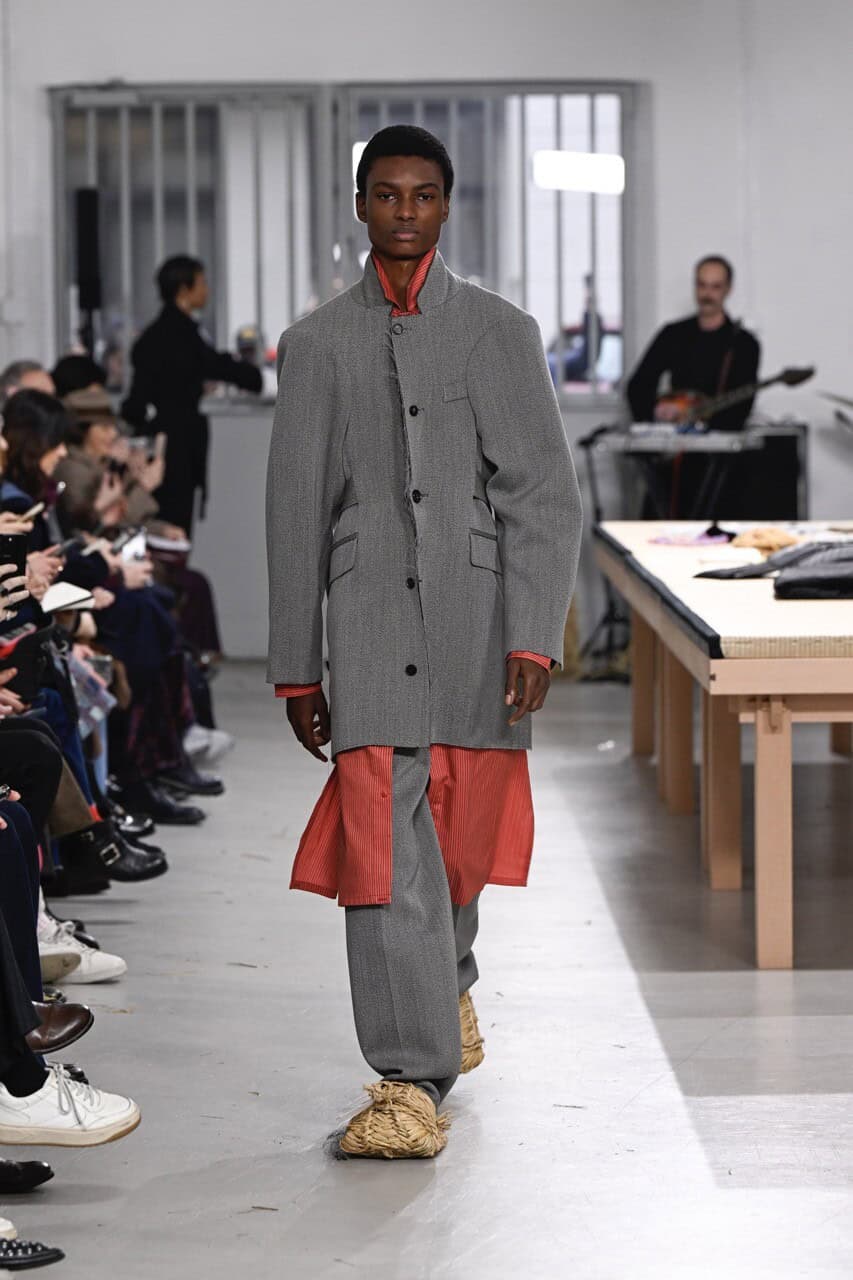
From architecture to survival. Setchu’s collection looks north, to Greenland (ironically prescient given the current headlines), where clothing historically answered a single question: how not to perish. Founder and creative director Satoshi Kuwata–winner of the 2023 LVMH Prize–draws from Arctic garments designed under extreme conditions, extracting a vocabulary of inward-set armholes, sculpted volumes and folded surfaces that feel both pragmatic and poetic. The result is a series of silhouettes that resemble landscapes more than outfits, rendered through controlled experimentation. Subtle iridescence nods to the animal origins of traditional Arctic attire, without romanticizing them. Heritage, in Setchu’s hands, is not folklore but methodology: a reminder that good design often begins with common sense.
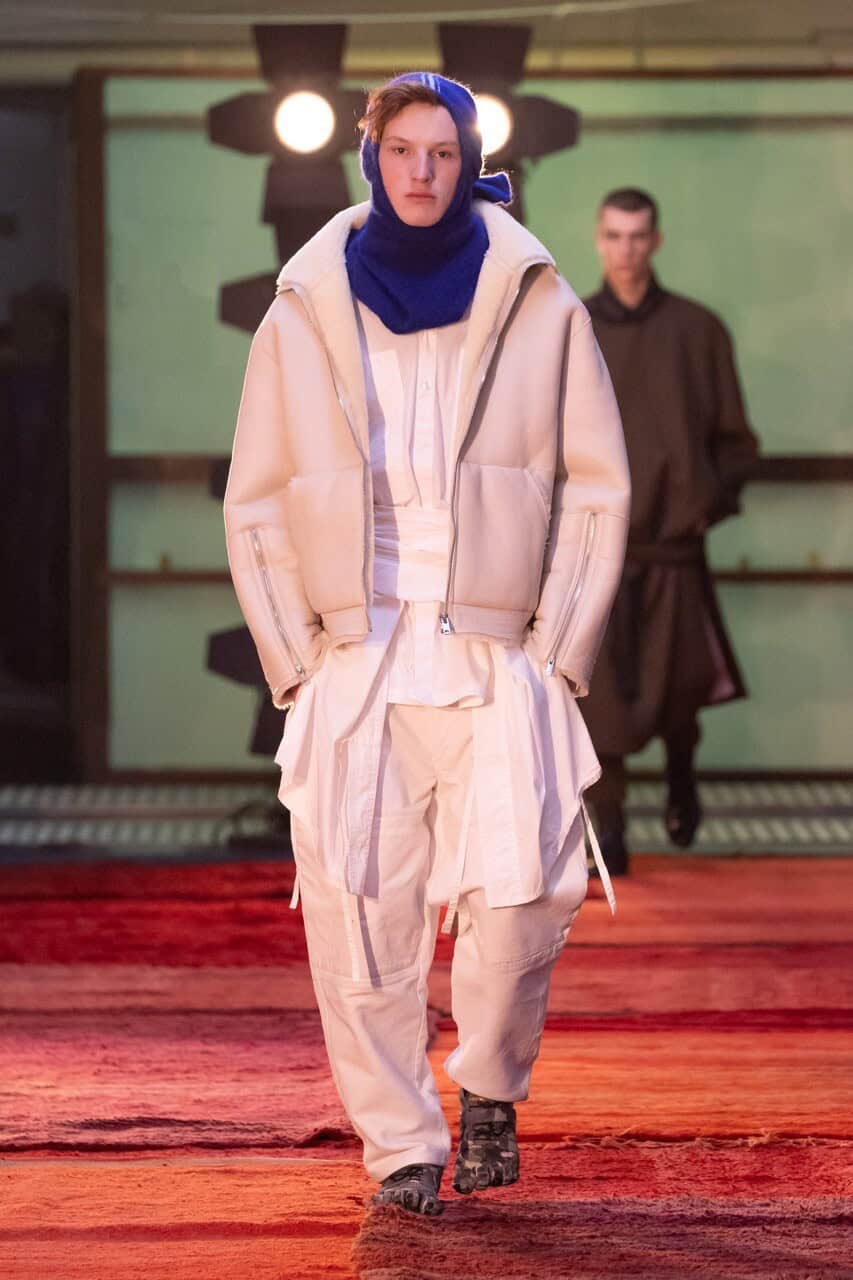
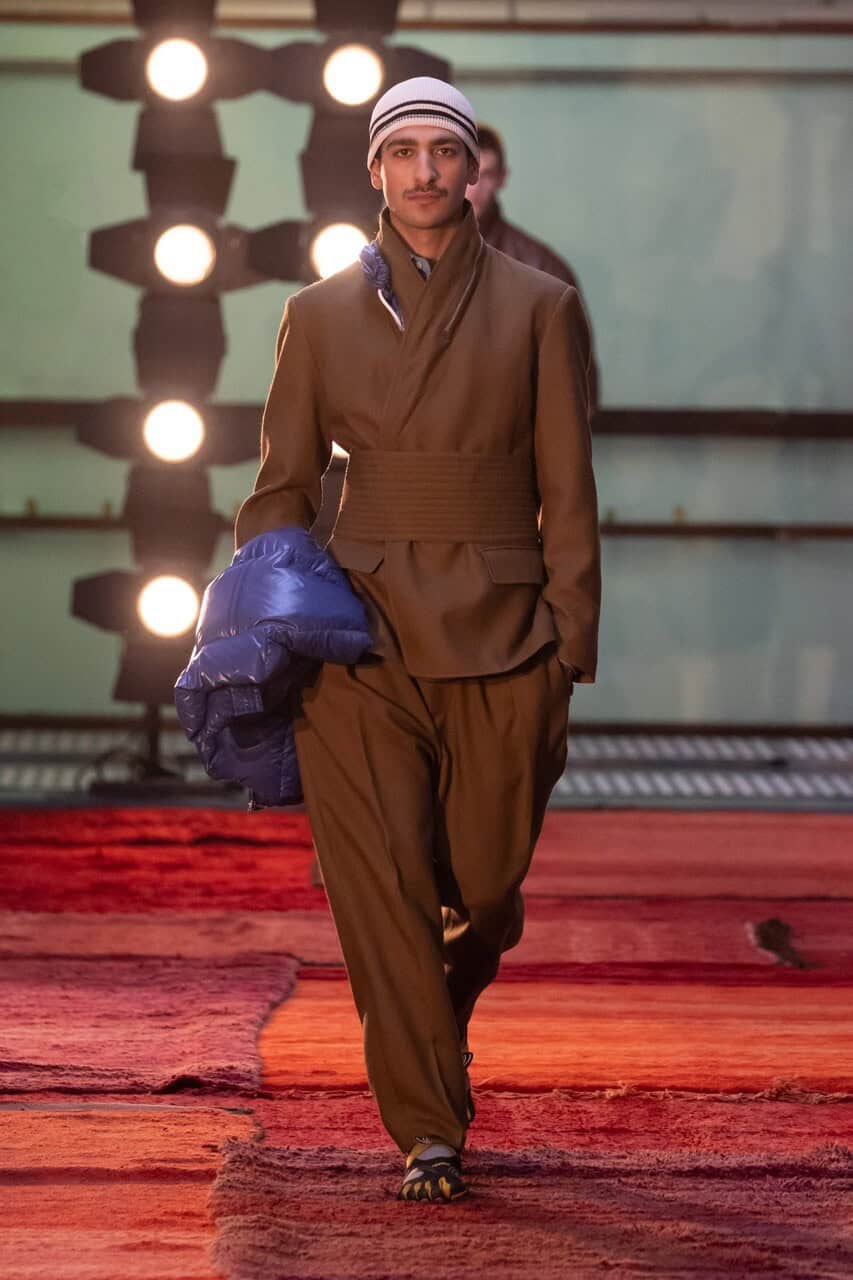
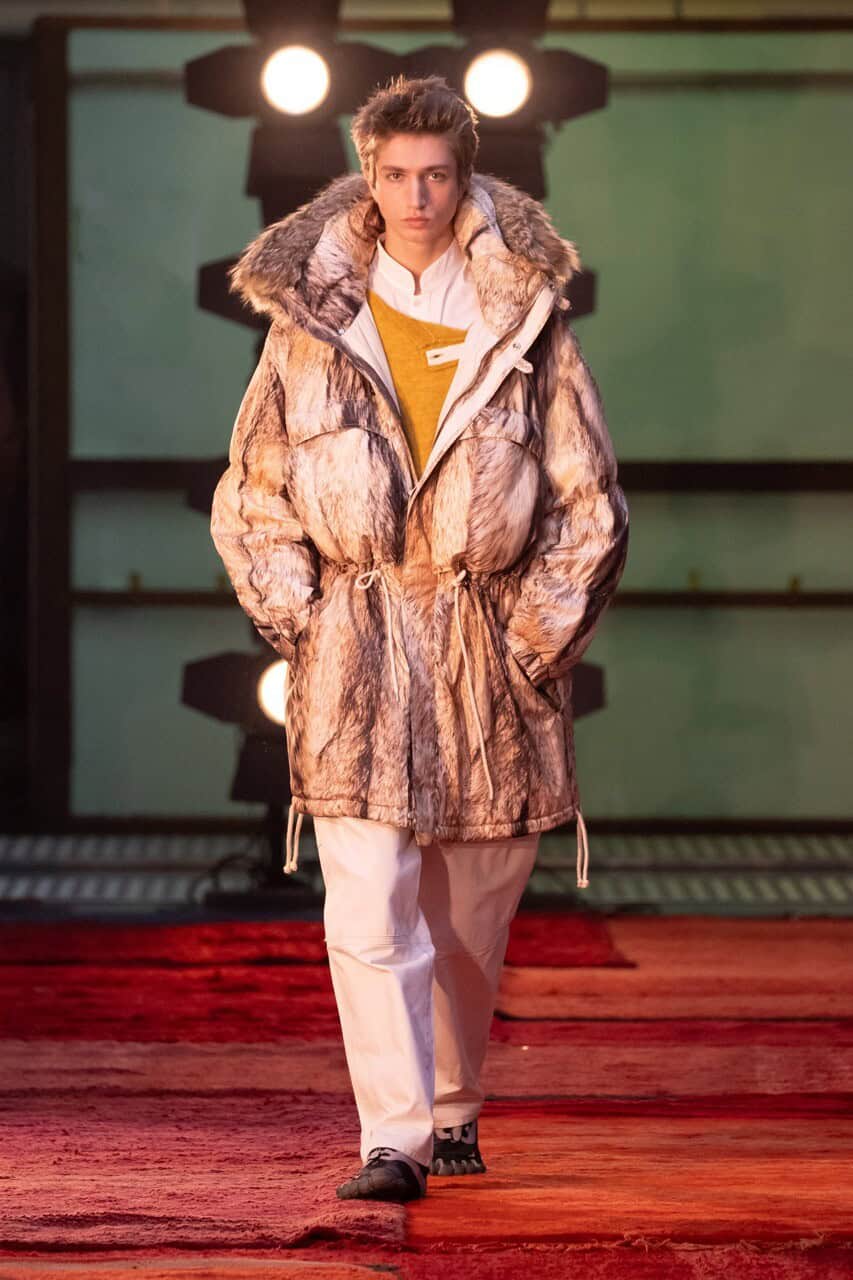
Mordecai approaches the season from a more philosophical angle, but lands firmly in the realm of the wearable. Inspired by nomadic cultures and their relationship with detachment, the collection frames clothing—and identity—as fluid. On the runway, garments circulate between models, reinforcing the idea that nothing, including style, is meant to be fixed forever. This conceptual foundation translates into a decisively pragmatic wardrobe. Modular, seasonless pieces dominate, designed to be assembled, dismantled and lived in. Denim appears with an outerwear sensibility; cottons and wools are treated to look convincingly used rather than artificially distressed. Military references soften into workwear, offset by pashmina collars and kimono closures. It’s restraint with texture, and empathy with a zip fastening.
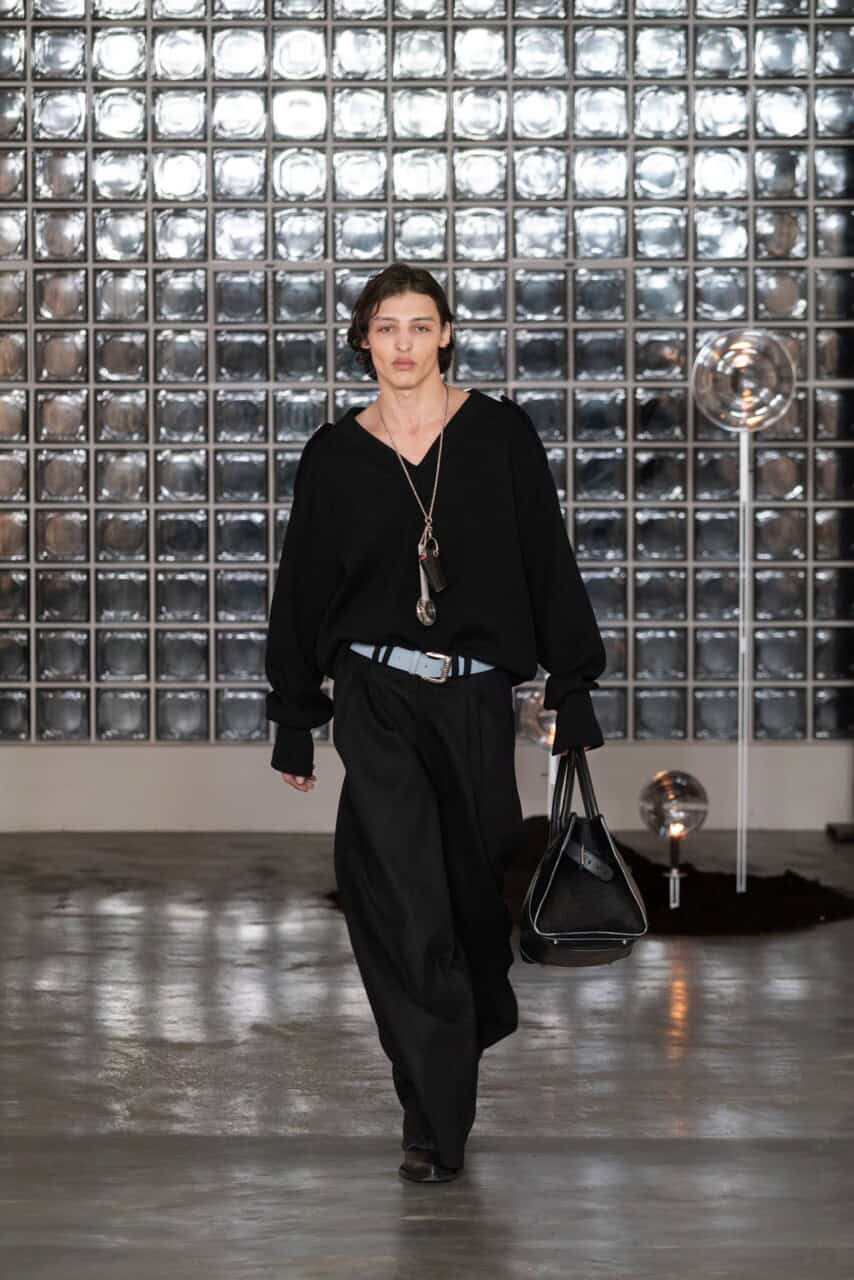
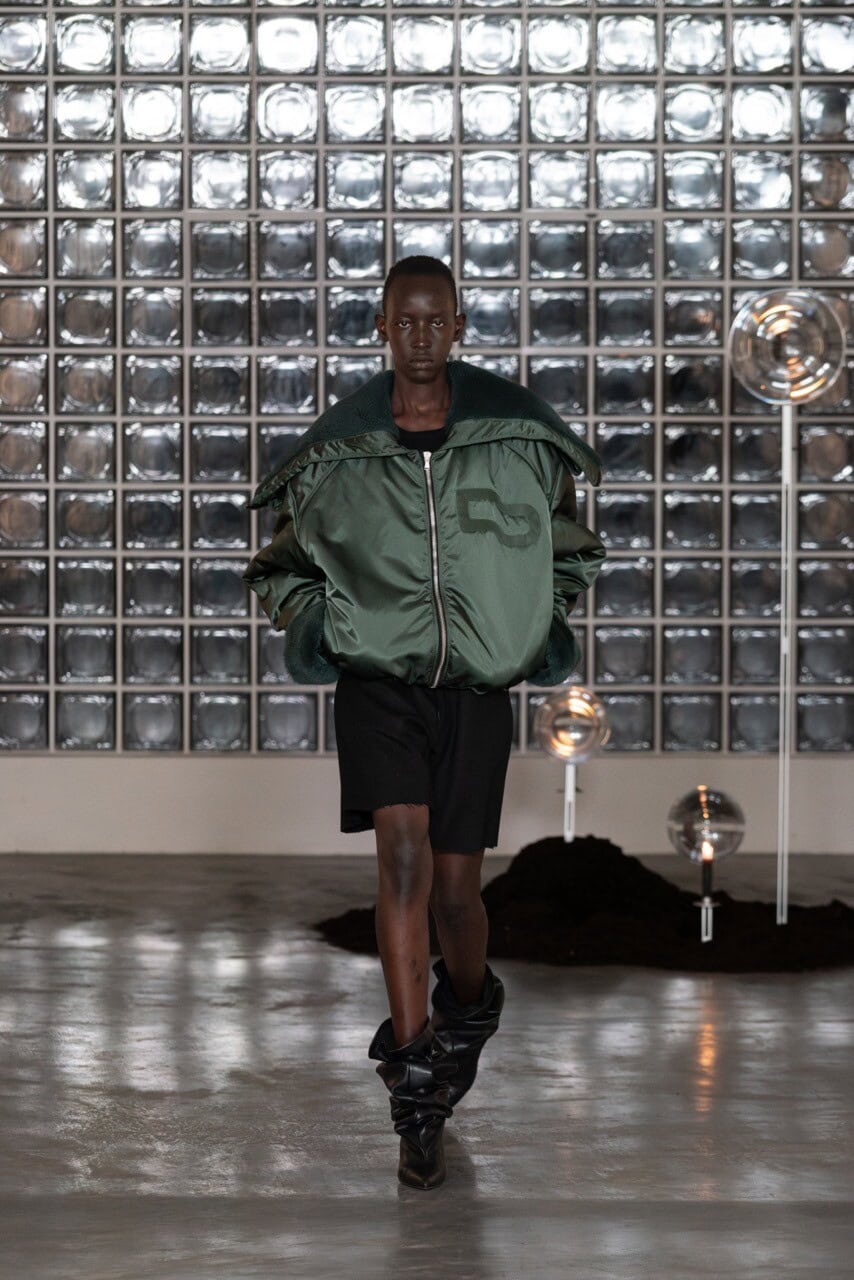
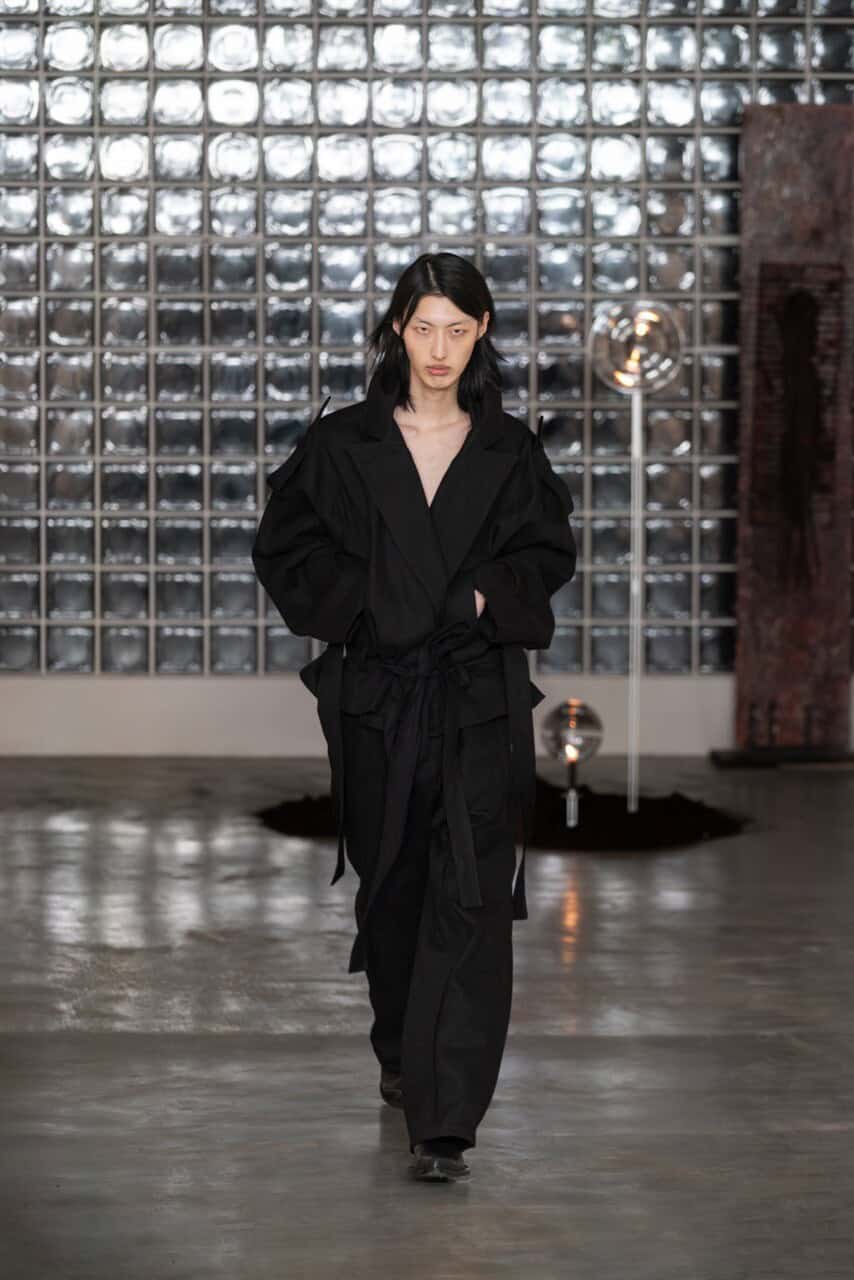
With LUMEN, Domenico Orefice makes his official runway debut, opting for clarity over spectacle. Light becomes both theme and metaphor—a guide through uncertainty, very much in line with the realities of an independent brand growing up in public. Italian craftsmanship underpins a balanced dialogue between tailoring and sportswear, with silhouettes now more controlled and deliberate. Leather remains central, explored through upcycling and technical research, while shearling adds tactile depth. And the palette—beige, black, softened by green and light blue—speaks the language of quiet progression rather than sudden transformation.
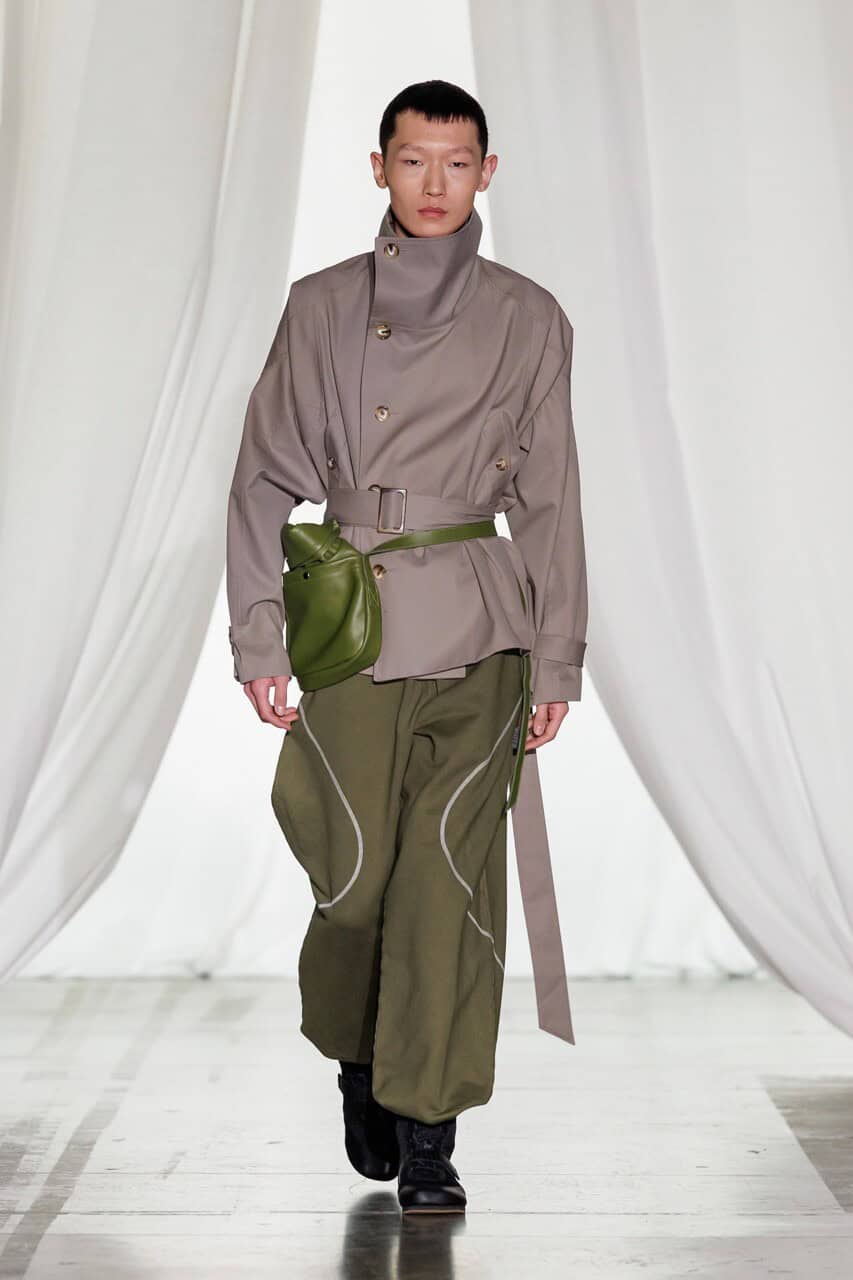
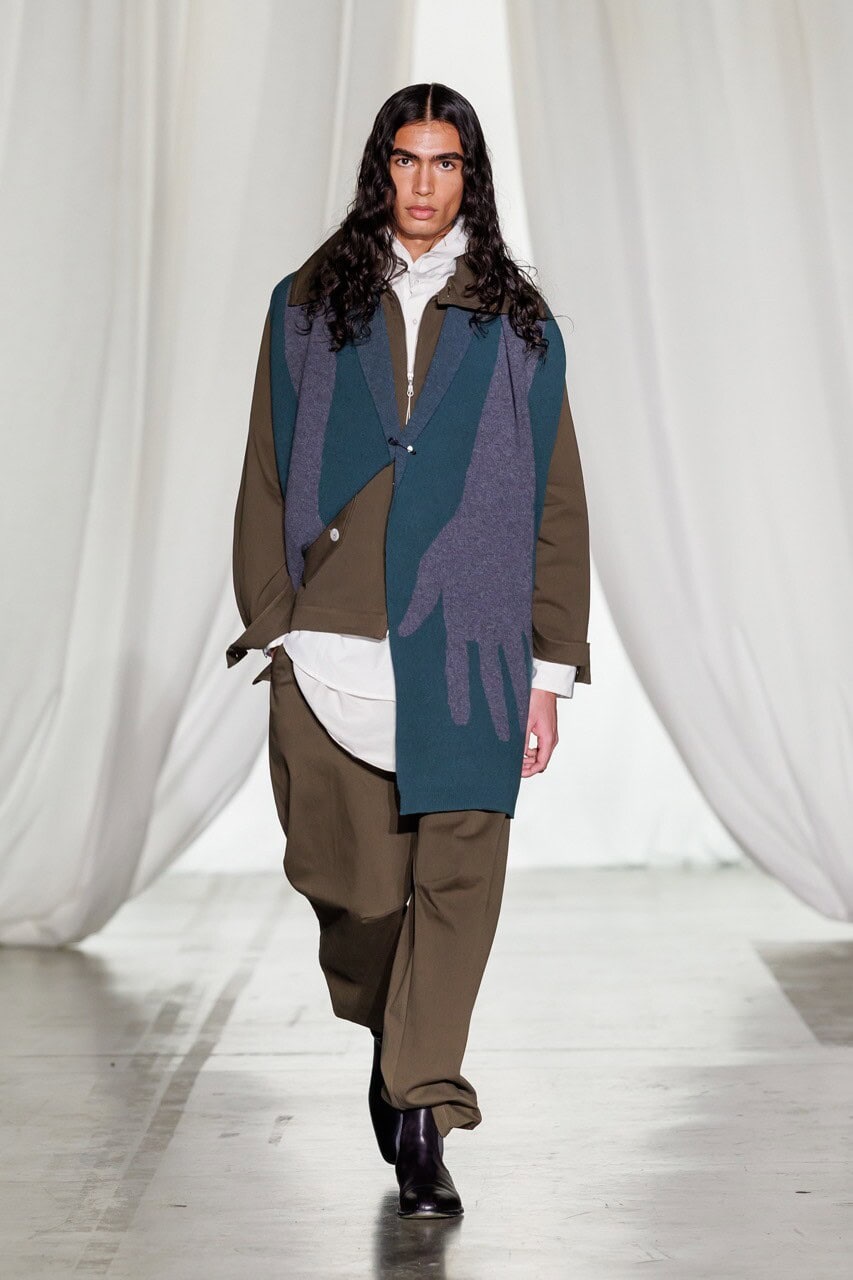
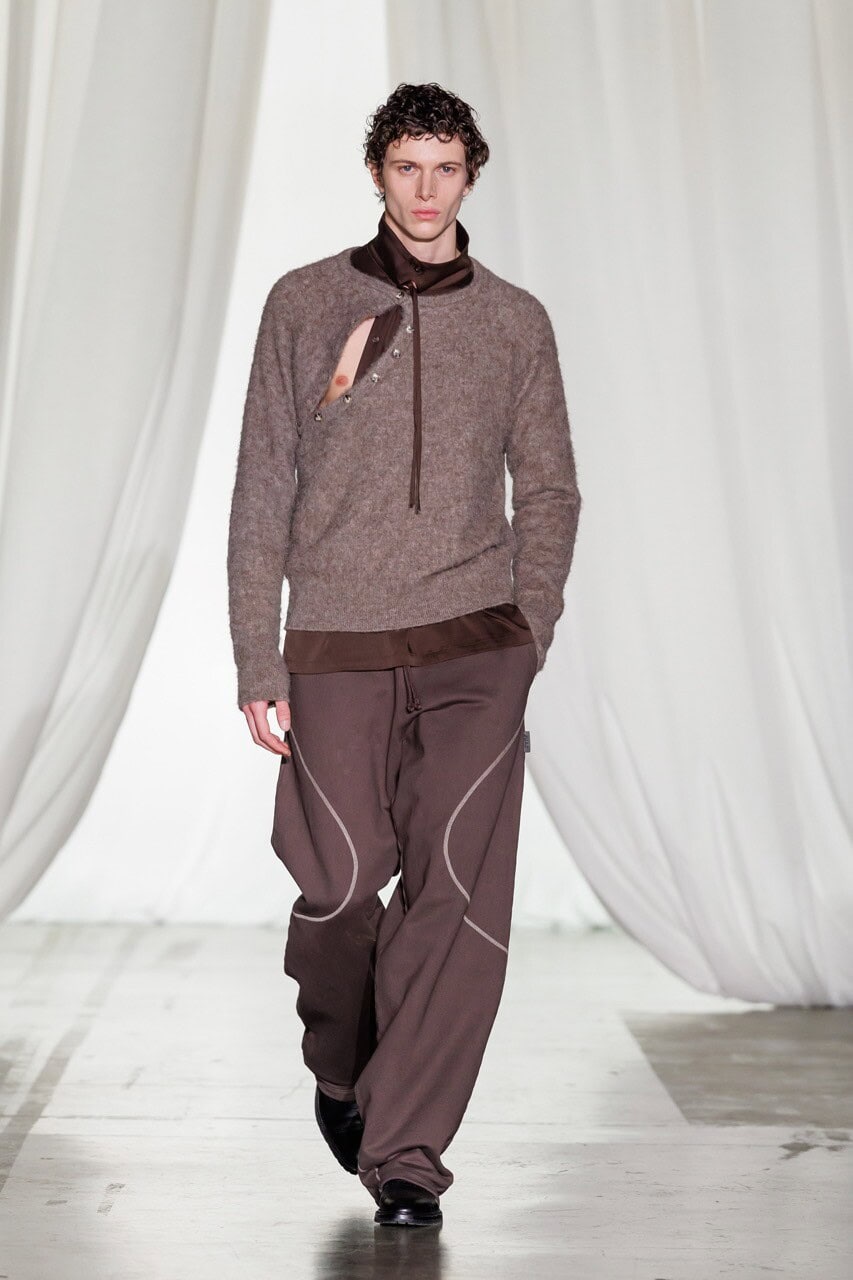
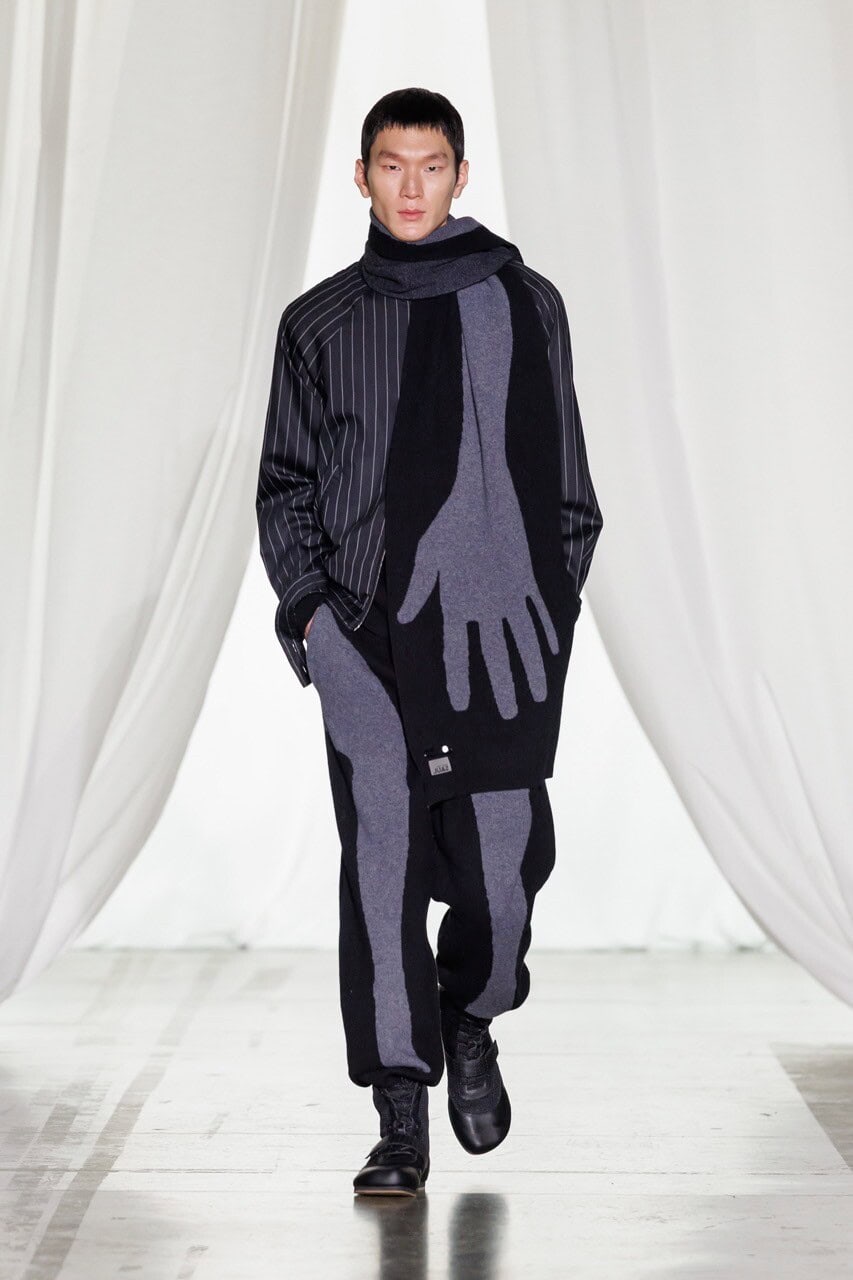
Saul Nash, ever the choreographer of modern menswear, continues his exploration of identity in Masquerade. Drawing from Carnival traditions and the notion of disguise, the collection treats clothing as a tool for navigating social space—less about hiding, more about choosing how to appear. Sportswear and tailoring intersect with characteristic ease: tracksuits printed with suit silhouettes, formal garments adapted for movement, outerwear designed to shift between roles. Proportions are playfully distorted, textures deliberately contrasted. Even Nash’s debut footwear—a hybrid boot built for mobility—feels like a natural extension of this philosophy.
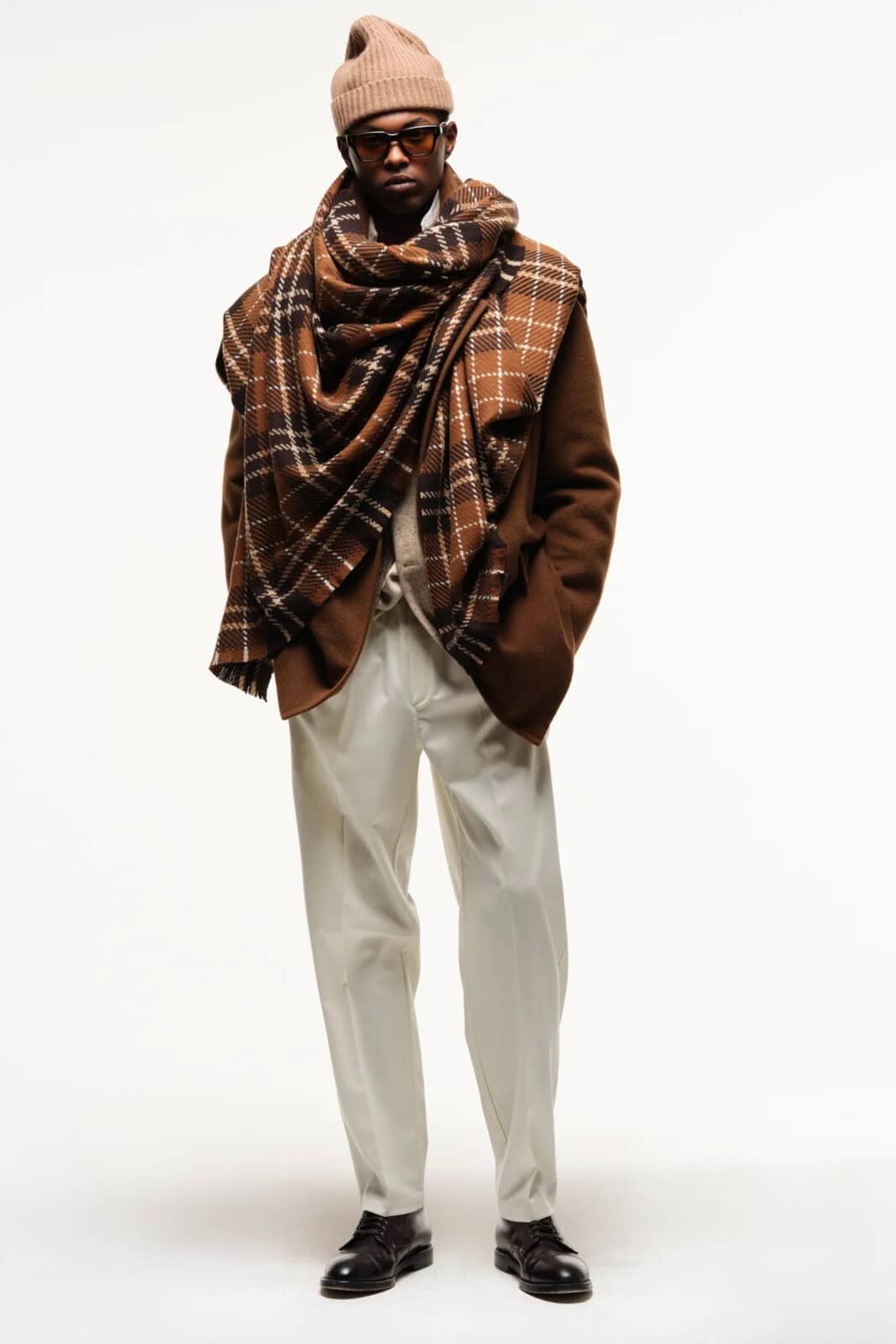
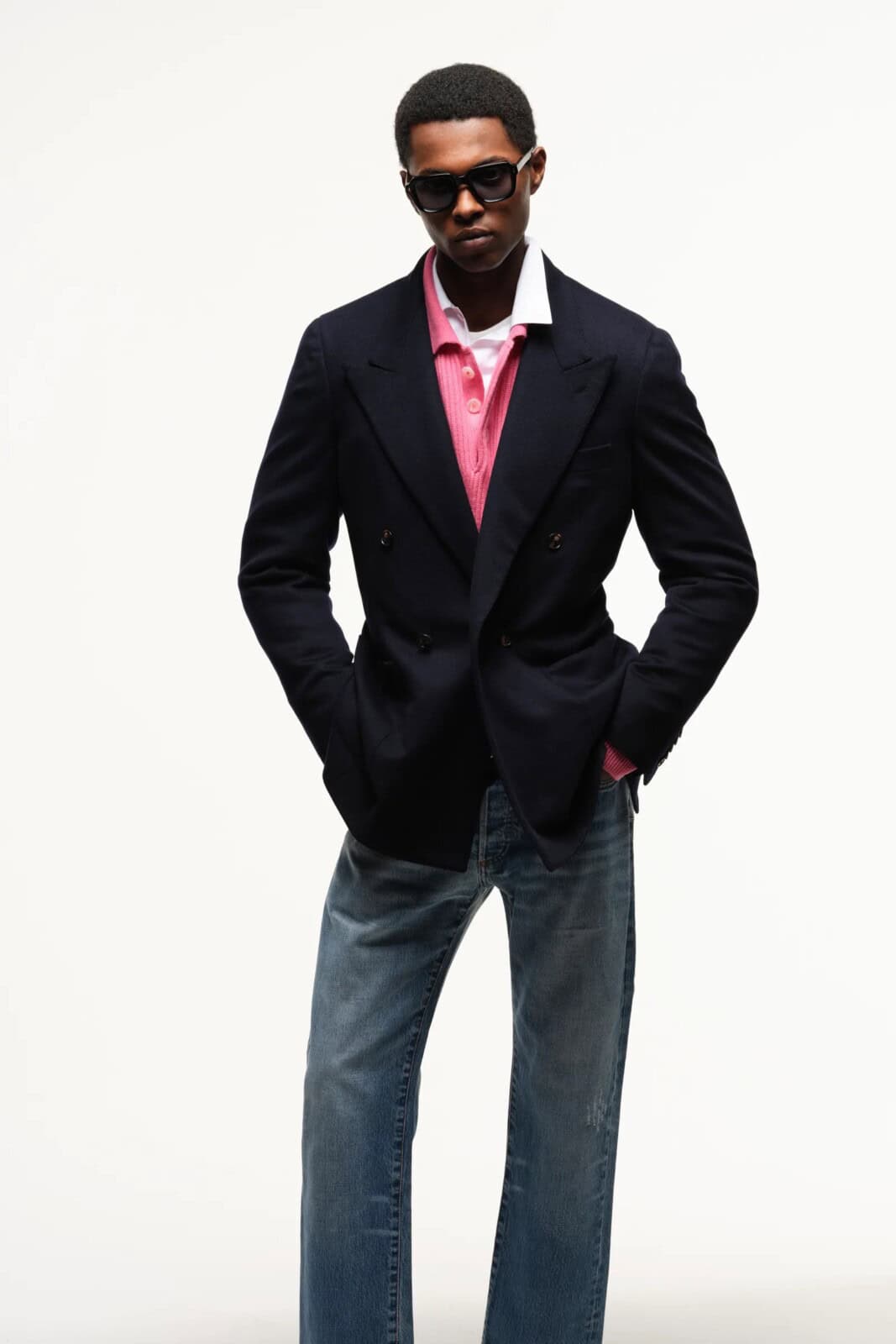
Umit Benan closes the conversation by reminding us that continuity can be a radical act. His latest collection revisits masculine classics through fabric rather than form, focusing on cashmere, tweeds, silk-wool blends and softened checks to gently recalibrate familiar silhouettes. The result is tailoring that feels lived-in rather than lived-through, paired with knitwear and mountain-inspired pieces suggesting a life that moves easily between city and retreat. Nostalgia is present, but disciplined—never tipping into costume.
Taken together, these designers outline a new creative temperament at Milan men’s fashion week: one that values intelligence over provocation, structure over spectacle, and durability over drama. It may not be a season of daring leaps, but it is certainly one of considered steps—and in the current world we live in, that feels not just sensible, but quietly radical.


