From think tanks to tapestries, Milan proves that fashion isn’t just dressing bodies anymore—it’s designing entire worlds.
If Milan Design Week is the Olympics of chairs, lamps and highly articulate conversations about “materiality,” fashion houses have long stopped being guests—they’re now main characters. Not content with dressing bodies, they’ve moved on to shaping spaces, atmospheres and, occasionally, your entire worldview. Nowadays, the conversation is no longer reserved for an elite—it’s designed to include everyone. Below, our top highlights from Salone del Mobile 2026:
Prada Gets Philosophical
Take Prada, which once again proves it would rather challenge your brain than your wardrobe. Prada Frames, curated by Formafantasma, returns with In Sight, a symposium that dives into the slippery nature of images today. In an era where AI blurs authorship and reality feels increasingly negotiable, Prada invites thinkers to unpack how images shape, and distort, our understanding of the world. The setting? The Renaissance calm of Santa Maria delle Grazie, because nothing says digital anxiety like a 15th-century sacristy. Expect layered conversations on politics, ecology and the hidden infrastructure behind every image you casually scroll past.
Gucci Builds a Memory Palace
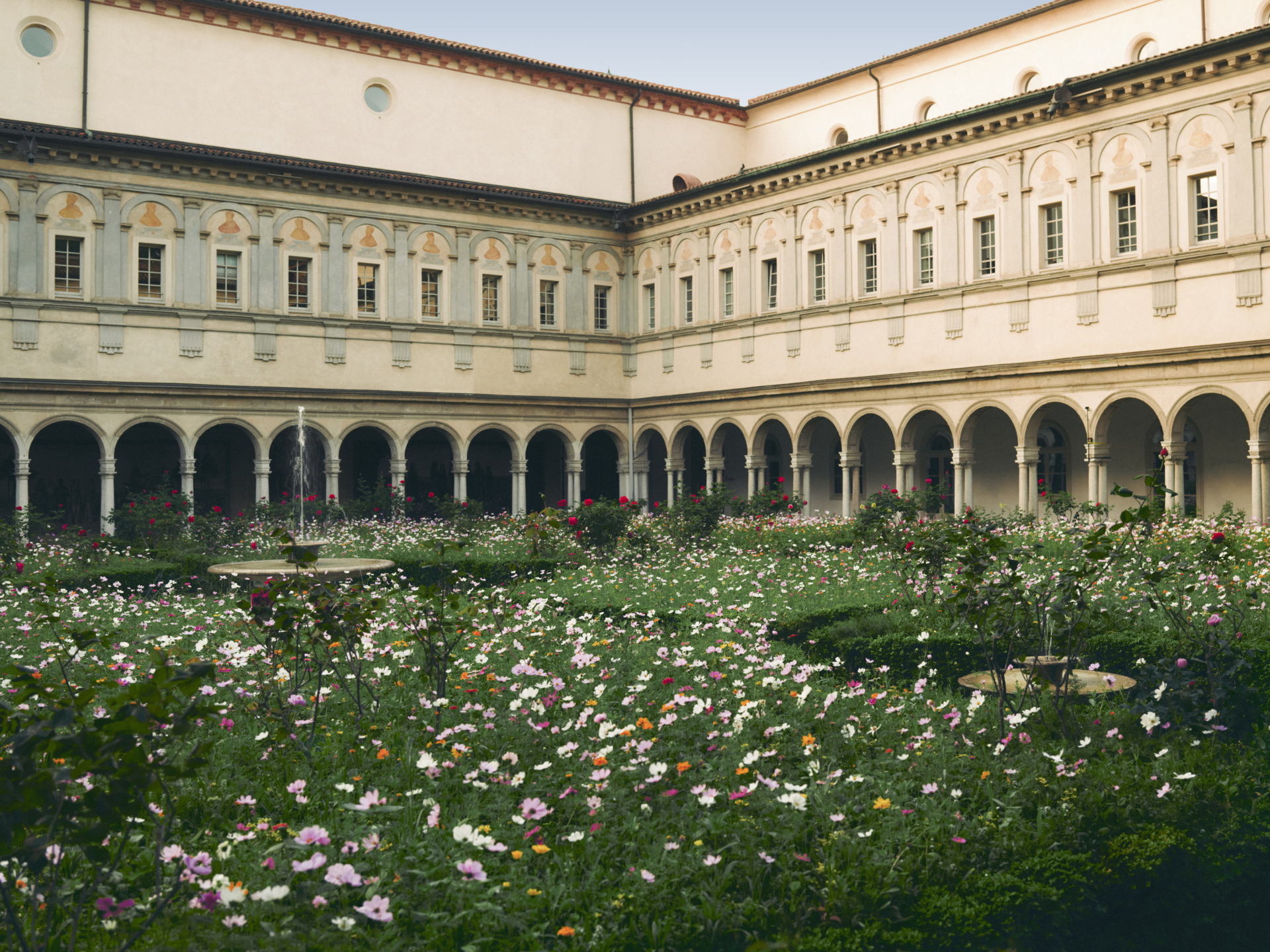
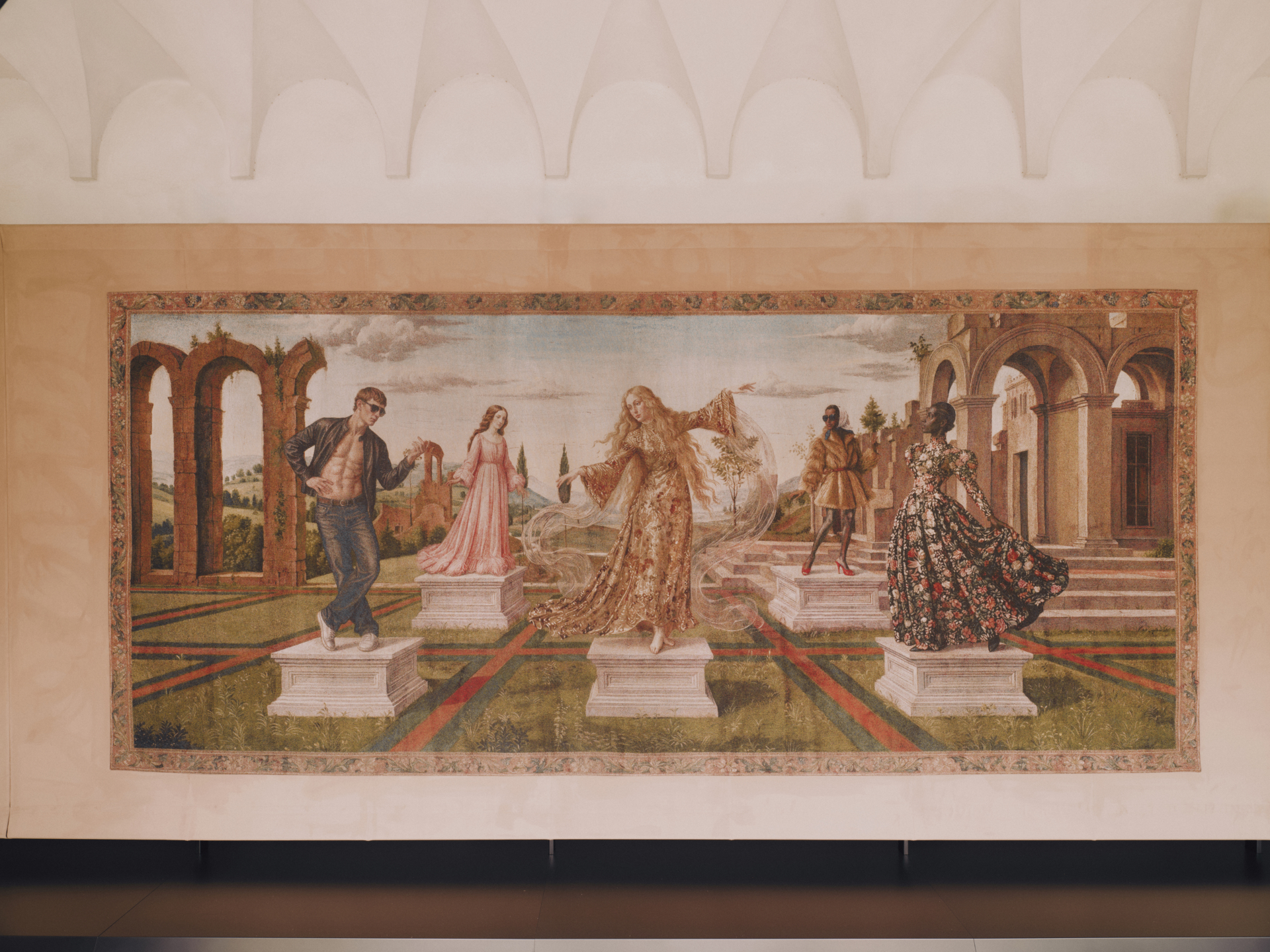
Across the city, Gucci opted for immersion over introspection with Gucci Memoria, curated by Demna. Staged in the Chiostri di San Simpliciano, the exhibition unfolds like a living archive of the House’s 105-year history—only less dusty, more cinematic. At its core: a series of elaborate tapestries retracing key moments, from Guccio Gucci’s early days at The Savoy to the ever-shifting visions of its creative directors: Tom Ford, Frida Giannini, Alessandro Michele, Sabato De Sarno and Demna himself. Around them, a layered set design mixes botanical installations inspired by the Flora motif with interactive elements, including vending machines dispensing drinks tied to fictional Gucci personalities (because of course identity is now a beverage.)
Fendi Looks Inside the Bag
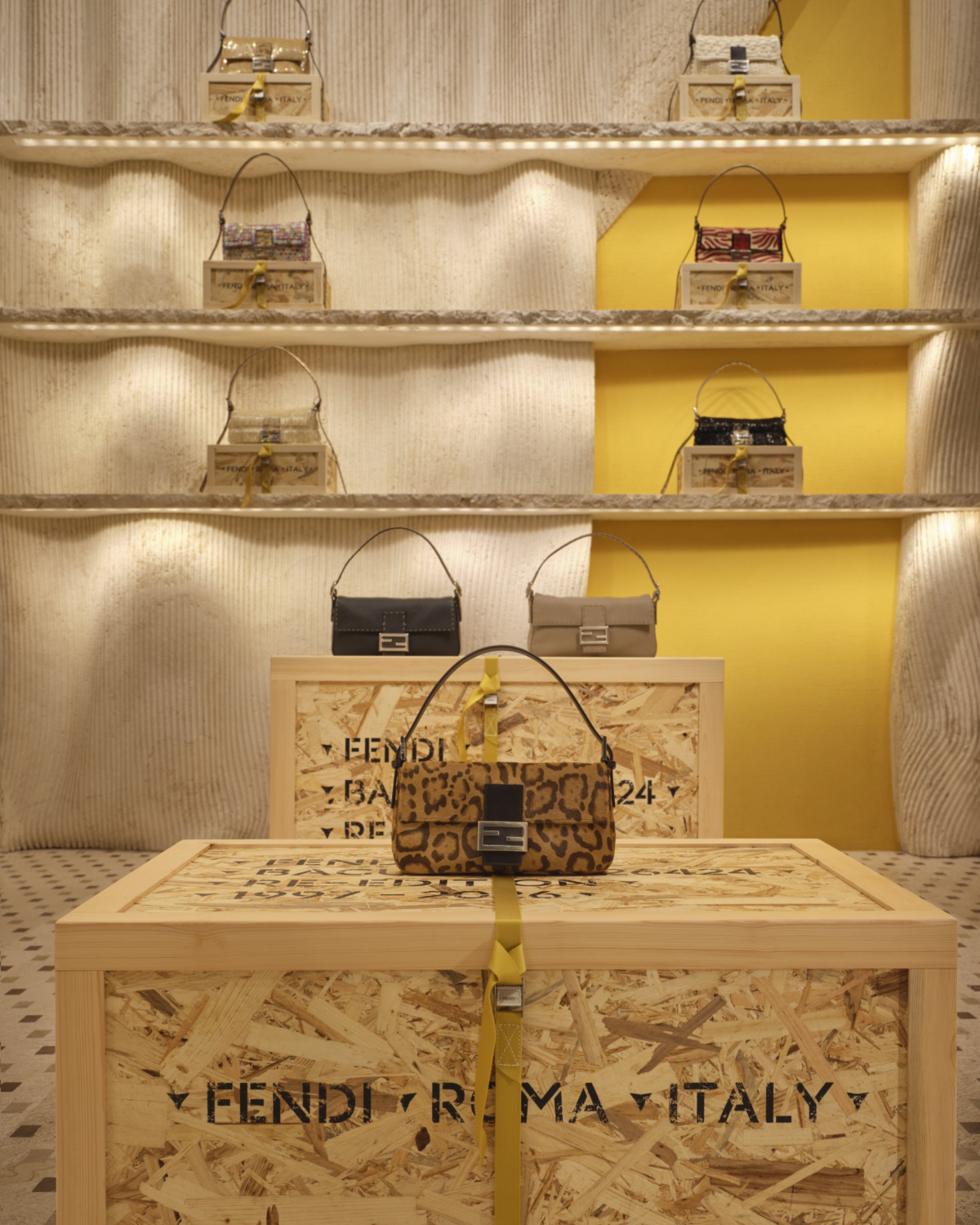
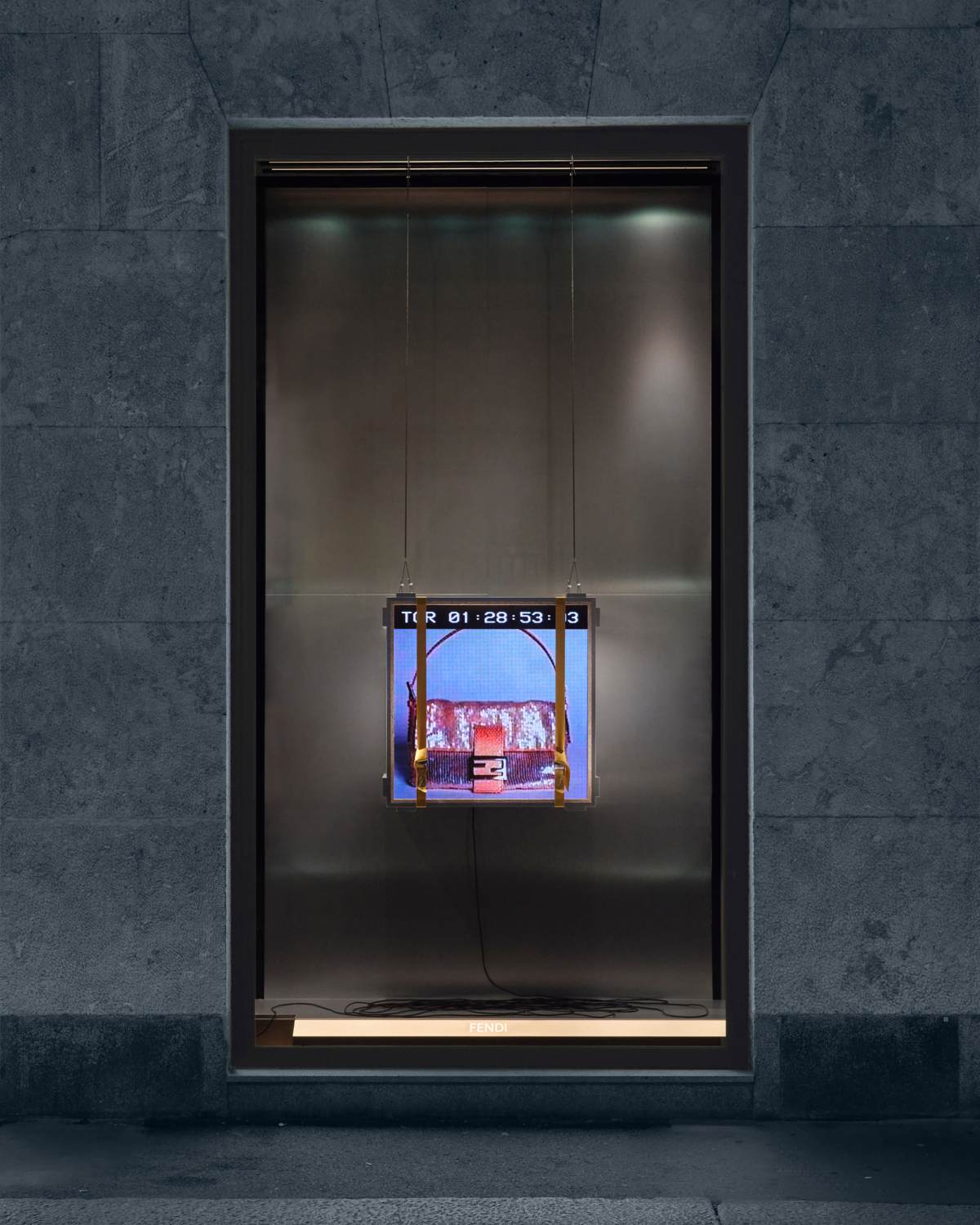
Fendi, meanwhile, turns inward—quite literally, and with a certain poetic insistence. Inspired by an encounter between Marilyn Monroe and Truman Capote, the House builds its narrative around the contents of a handbag, as fragments of identity. The re-edition of the Baguette (model 26424, for those who care about origins) becomes less about archival revival and more about multiplicity: who you are, what you carry, and how many selves coexist in one silhouette. At Palazzo FENDI, the installation leans into this idea, staging the bag as both object and archive. Crates, packaging and suspended displays evoke the journey of the Baguette from atelier to icon, transforming it into something closer to a collectible artwork than a fashion item. Even the presentation—with custom wooden boxes and almost museological staging—reinforces the point: this isn’t nostalgia, it’s self-definition.
Bottega Veneta Lets There Be Light
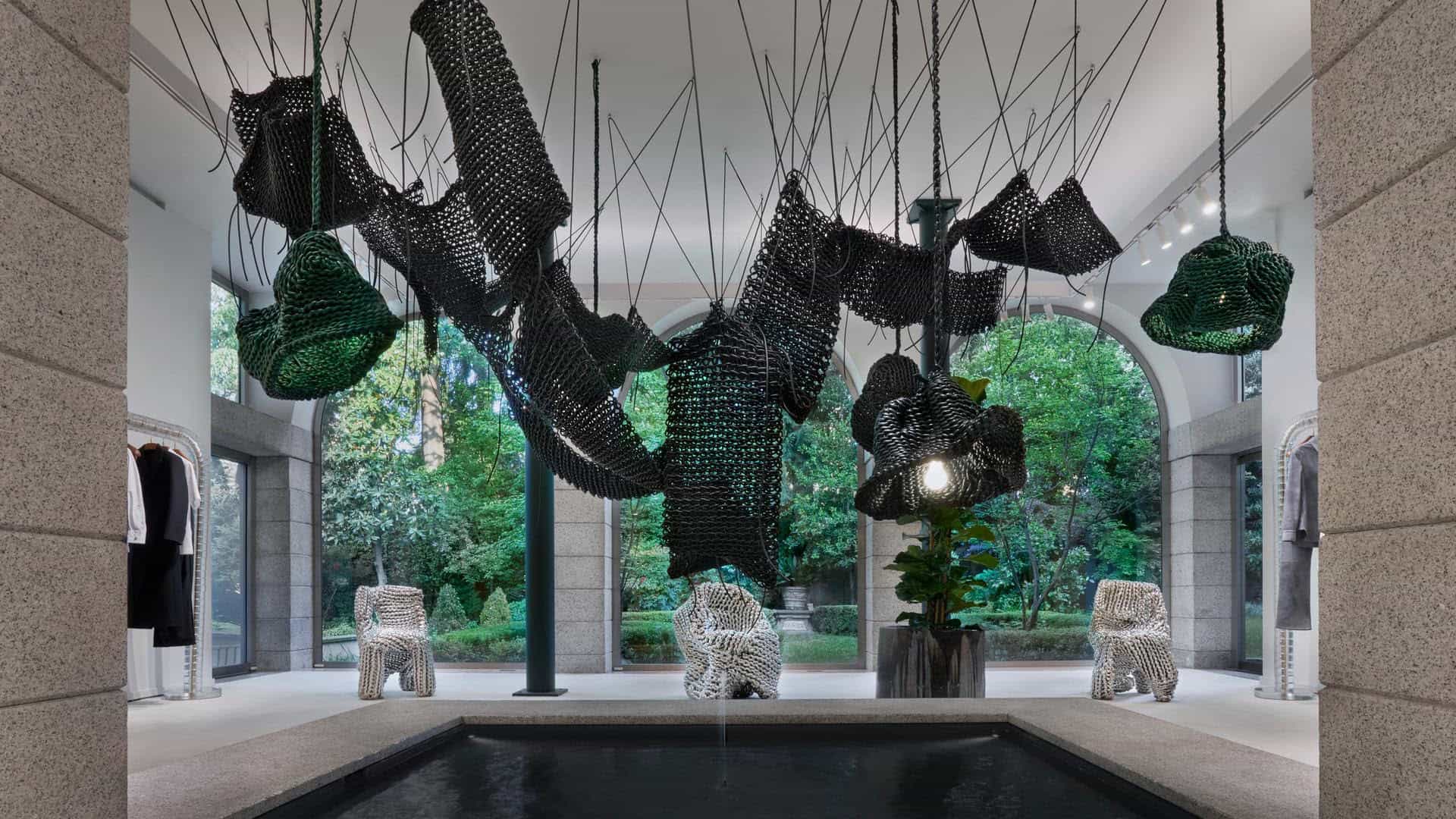
At Bottega Veneta, things get more tactile—and quietly immersive. In collaboration with Kwangho Lee, Lightful transforms the Via Sant’Andrea boutique into a space where material, light and shadow continuously negotiate with each other. Lee, known for pushing traditional craft into unexpected territories, works with woven leather strips—a direct nod to the house’s Intrecciato heritage — to create suspended, organic forms that seem to hover between sculpture and installation. Under the direction of Louise Trotter, the project becomes less about spectacle and more about process. Light doesn’t just illuminate; it reveals texture, density, imperfection. The result is an environment that feels alive but restrained, where craftsmanship is not explained, but experienced. In a week often driven by visual overload, Bottega chooses a different approach: slow down, look closer.
Armani/Casa Returns to Where It All Began
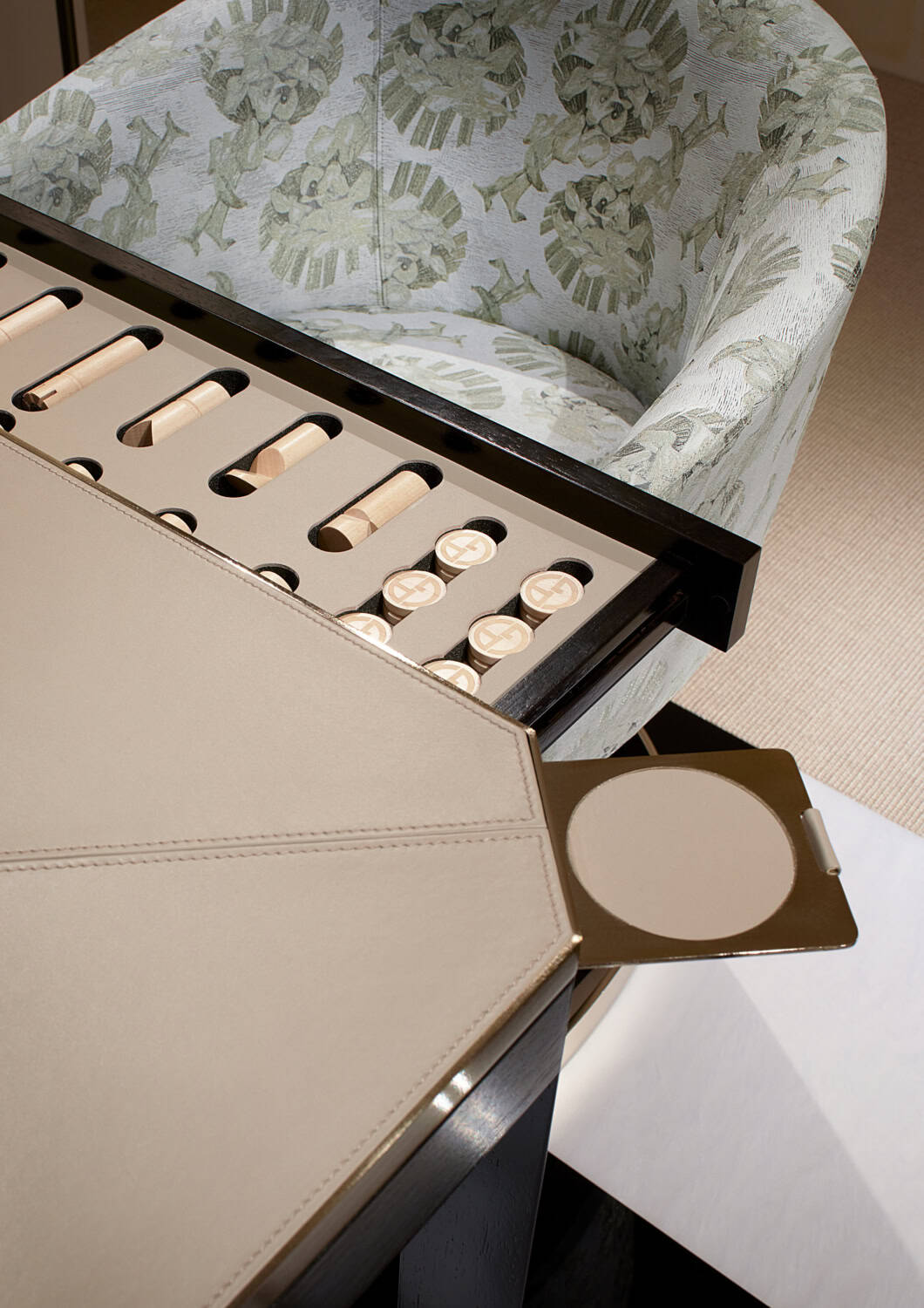
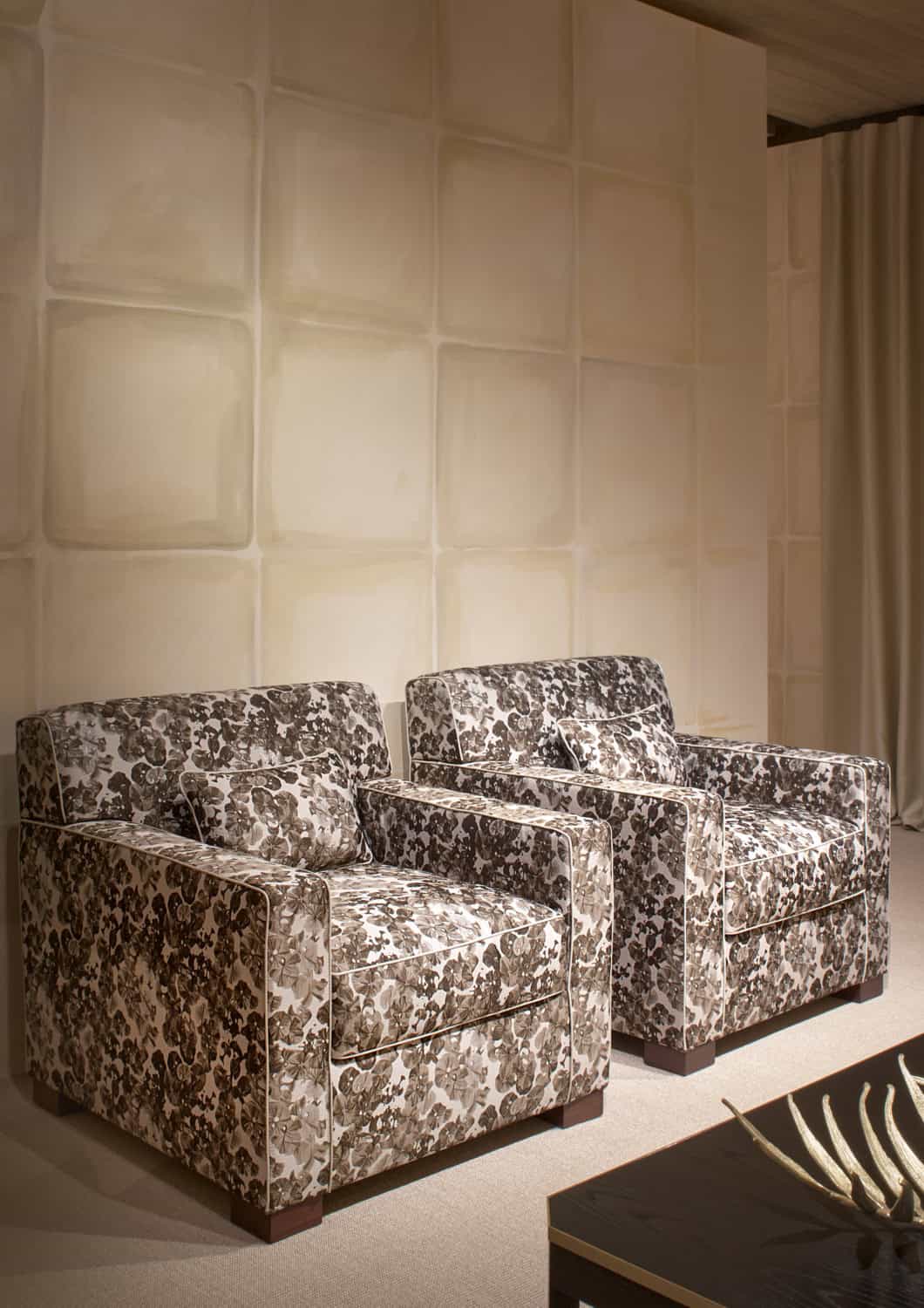
At Corso Venezia 14 in Milan, Armani/Casa staged its 2026 collection as both a homecoming and a quiet evolution. Titled Origins, the exhibition unfolds inside the brand’s historic flagship, tracing a fluid narrative that moves from the designer’s most recognizable pieces to immersive interiors echoing the atmospheres of his private residences. Eight icons—from the BALOON armchair to the LOGO lamp—are placed in dialogue with their contemporary counterparts, a study in continuity where silhouettes shift and materials deepen, yet identity remains intact. Upstairs, the space opens into a sequence of living environments, each anchored by delicate hand-painted backdrops inspired by Giorgio Armani’s own homes: intimate, composed, and quietly theatrical. Black drapes, gold-lit vitrines, and a choreography of textures—jacquards, linens, polished woods—guide the eye through rooms conceived not as static displays but as lived-in worlds. For Armani/Casa, and “Re Giorgio” himself when he was alive, design is less about statement than about atmosphere, revealing an idea of domesticity that is both precise and deeply personal.
Louis Vuitton Goes Big (Naturally)
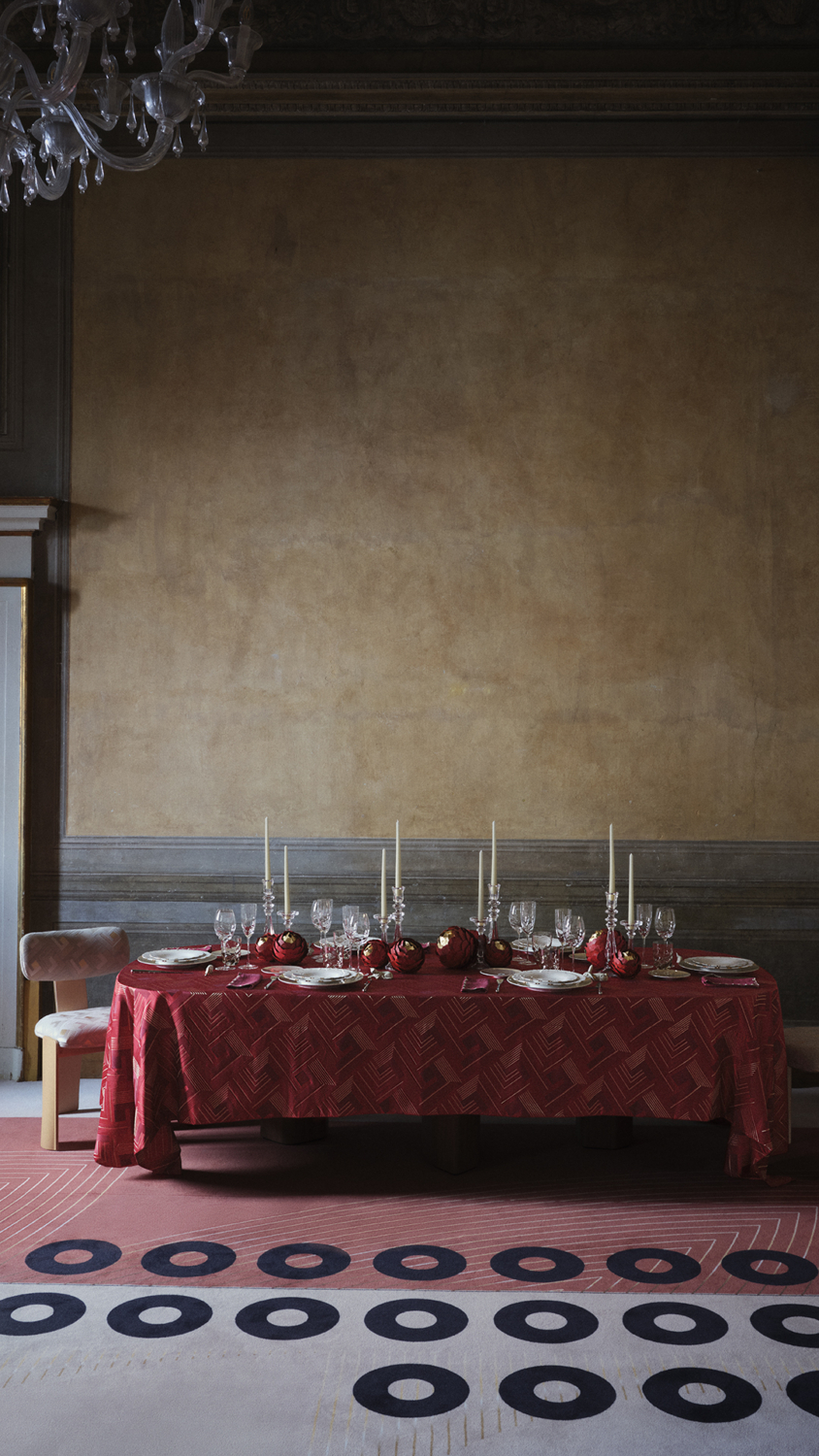
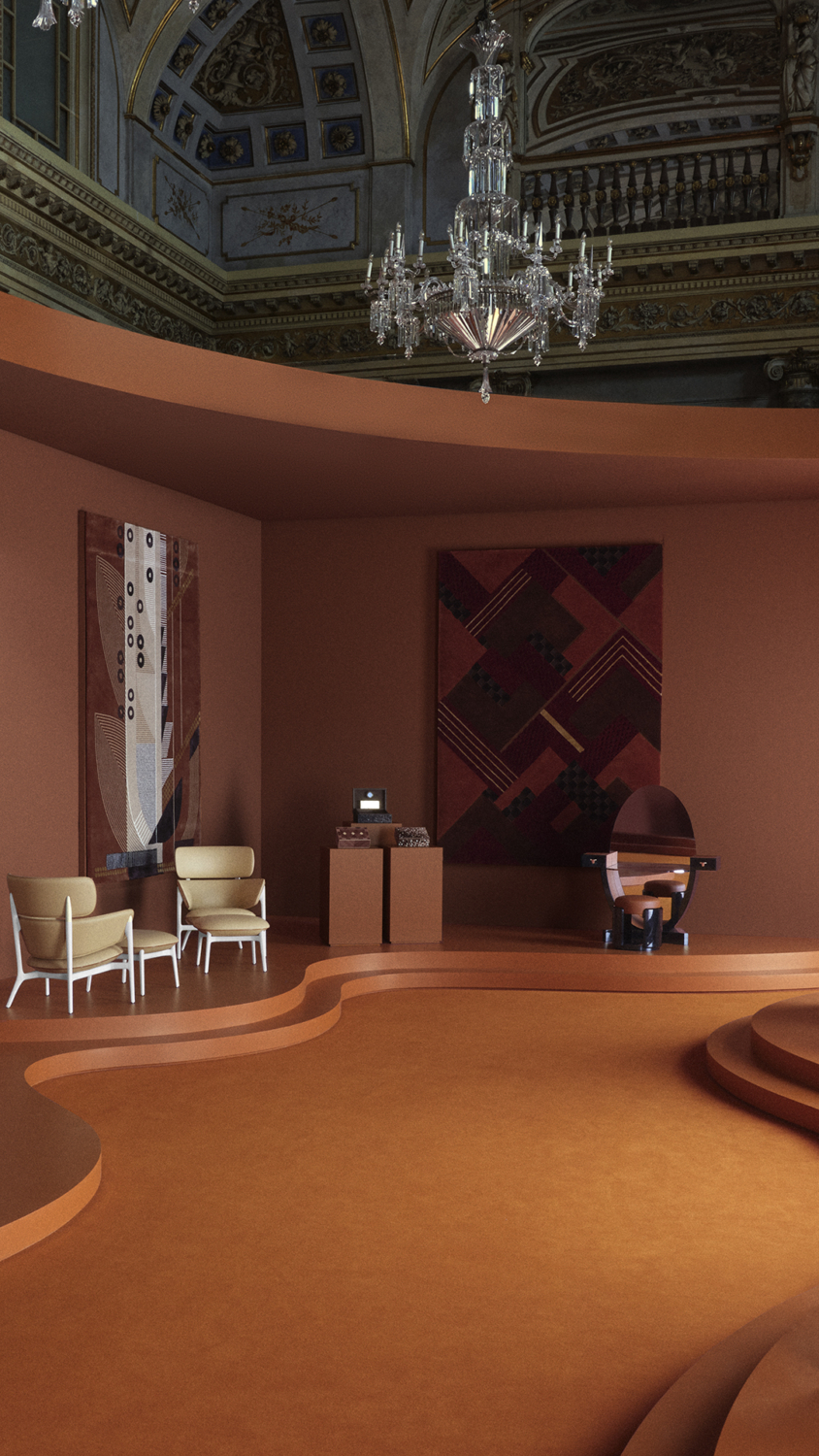
Over at Louis Vuitton, scale is never an issue—and neither is ambition. Inside Palazzo Serbelloni, the Objets Nomades collection stages a layered dialogue between heritage and contemporary design, anchored by a tribute to Pierre Legrain, a key figure of the Art Deco movement and early collaborator of the House. Archival pieces, including the re-edition of his iconic dressing table, sit alongside new works by international designers, creating a landscape where past and present constantly reflect each other. Furniture becomes narrative: trunks evolve into objects of living, textiles carry graphic histories, and materials from exotic leathers to marquetry are pushed to their limits. The result is less a collection and more a universe, where craftsmanship, design and storytelling converge. If others experiment, Louis Vuitton builds worlds that are meticulously polished and inevitably collectible.
Loro Piana Keeps It Quiet
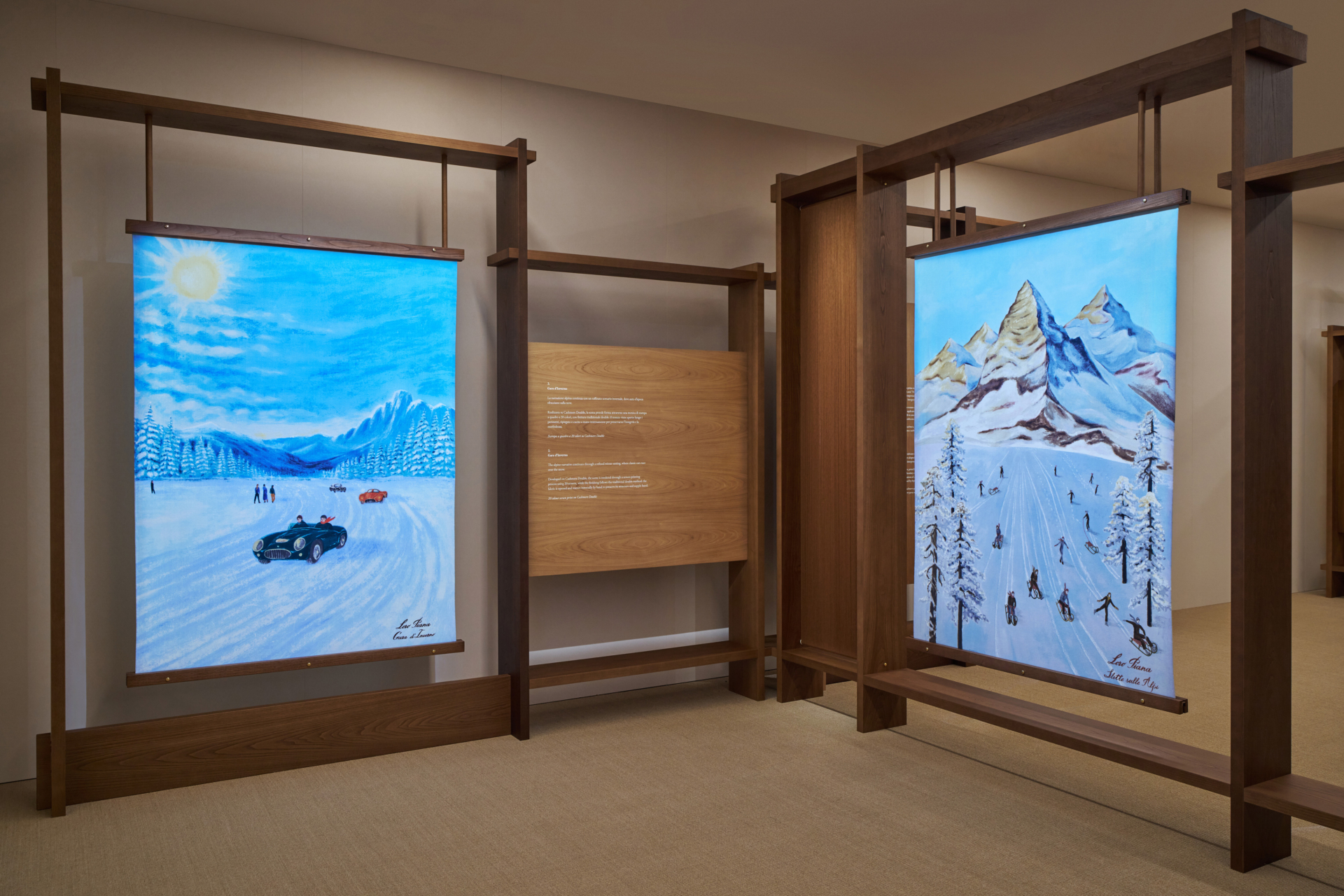
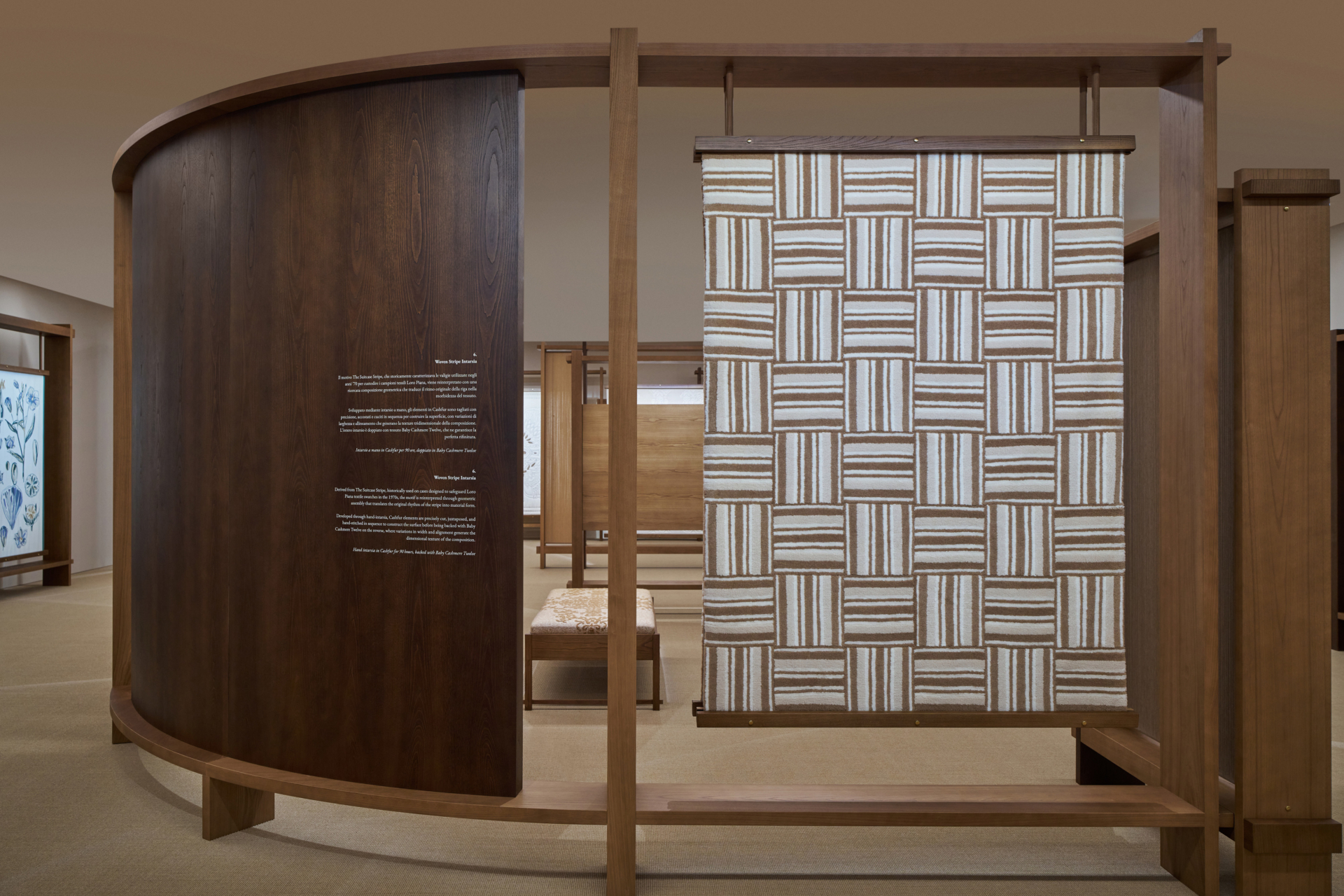
If all this feels a bit loud, Loro Piana offers a quieter, almost meditative counterpoint. Studies: On the Plaid, hosted in the Cortile della Seta, takes what might be the most understated object imaginable and turns it into a subject of near-obsessive exploration. Twenty-four plaids, each developed through different techniques and materials, unfold like a taxonomy of the House’s savoir-faire. Here, fiber is the starting point—and the message. Vicuña, cashmere, linen: each material is treated not as luxury, but as language. The installation reveals process as much as product, tracing the journey from raw yarn to finished piece. There’s no spectacle, no obvious narrative—just precision, repetition and an almost scientific attention to detail. Which, in the context of Design Week, feels surprisingly radical.
Dior Lights the Way
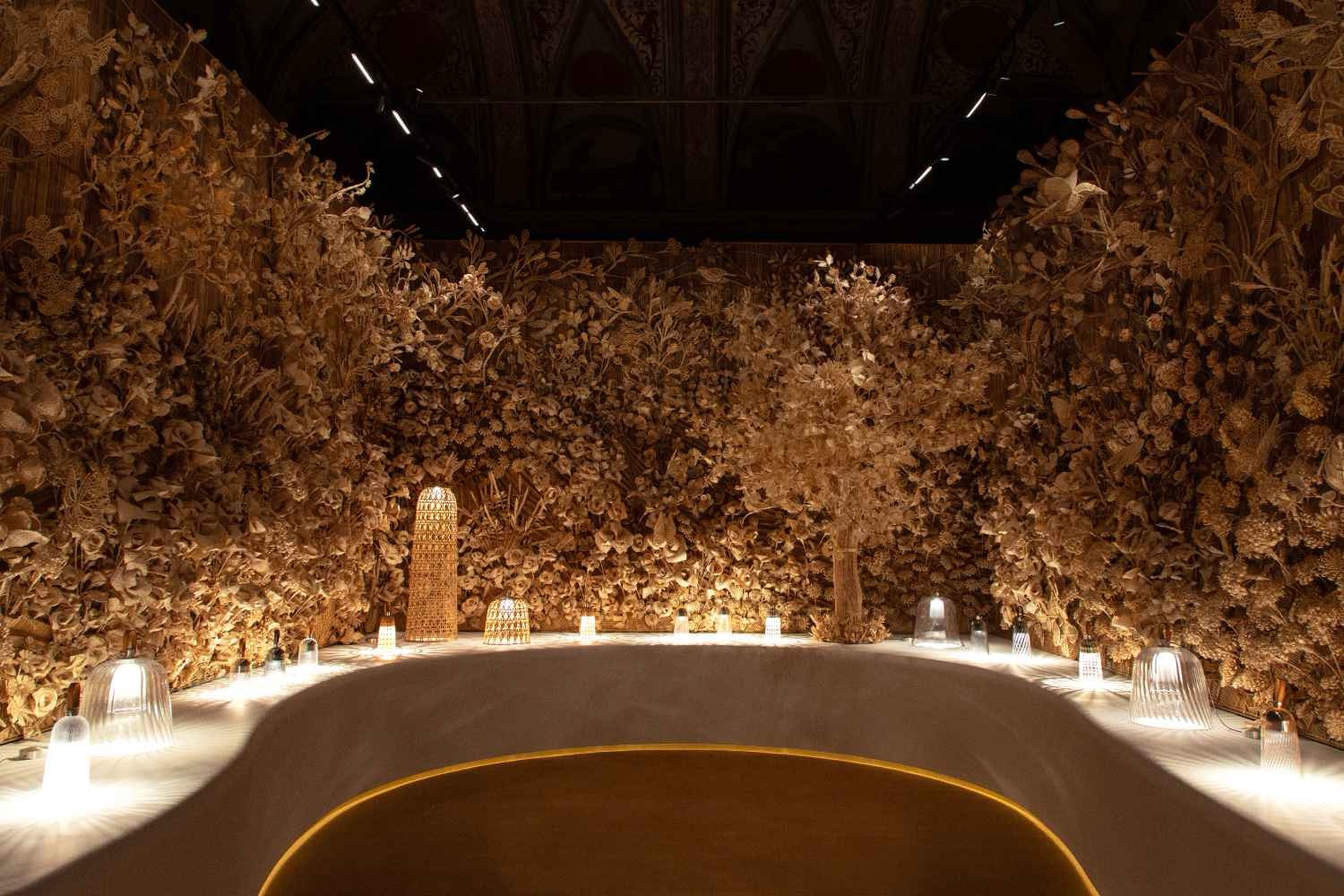
Finally, Dior translates couture into atmosphere. In collaboration with Noé Duchaufour-Lawrance, Dior Maison presents a series of lamps inspired by the iconic Corolle line of the New Look, effectively turning one of fashion’s most recognizable silhouettes into a source of light. Crafted in Murano glass or woven bamboo, the pieces echo the movement of fabric: pleats, drapes, volumes suspended in mid-air. There’s a softness to them, but also structure—a reminder that couture has always been about engineering as much as elegance. These are not just lighting objects; they’re translations, shifting the language of fashion into something spatial, almost architectural.
Balenciaga Bridges Space and Memory
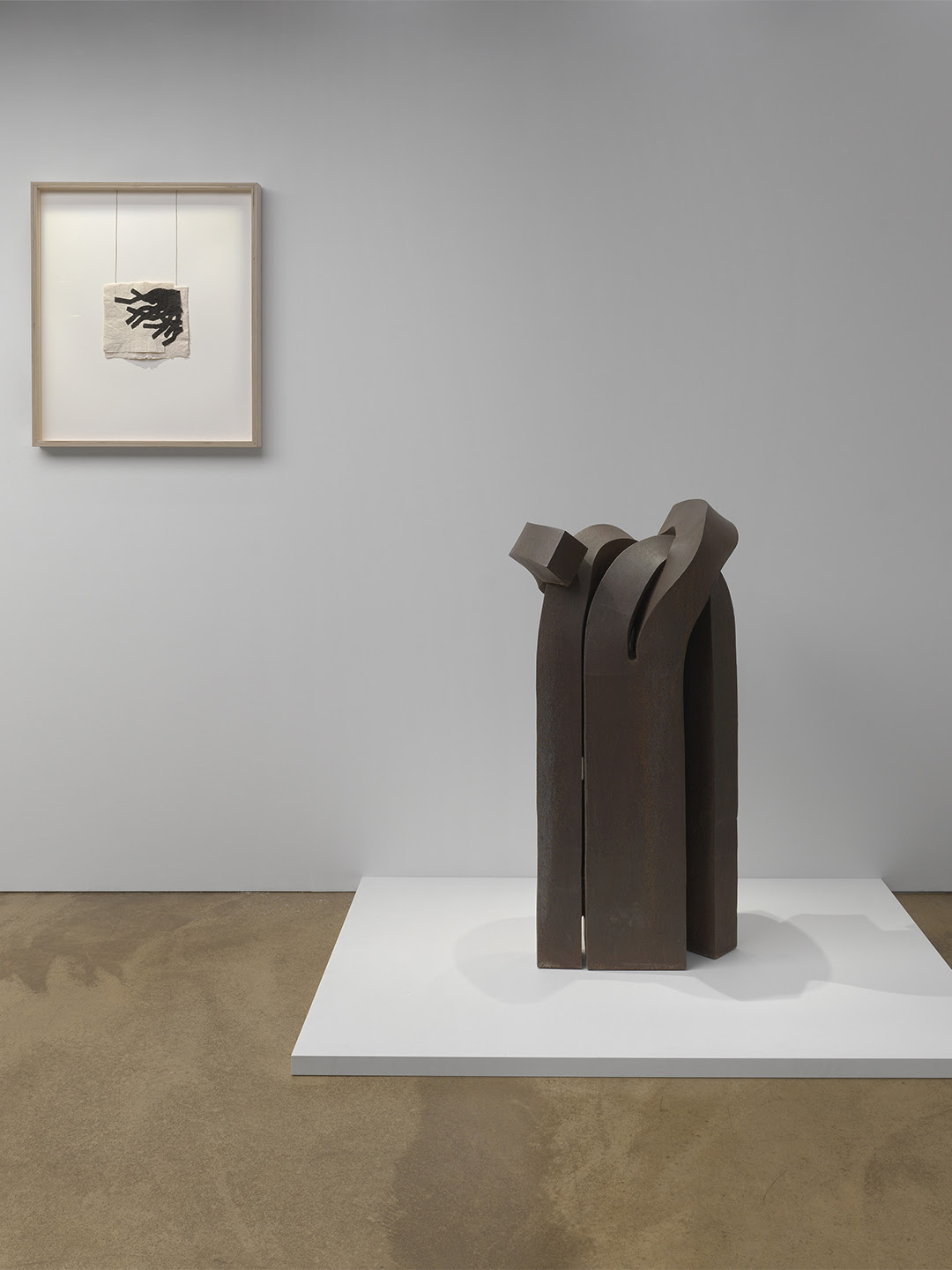
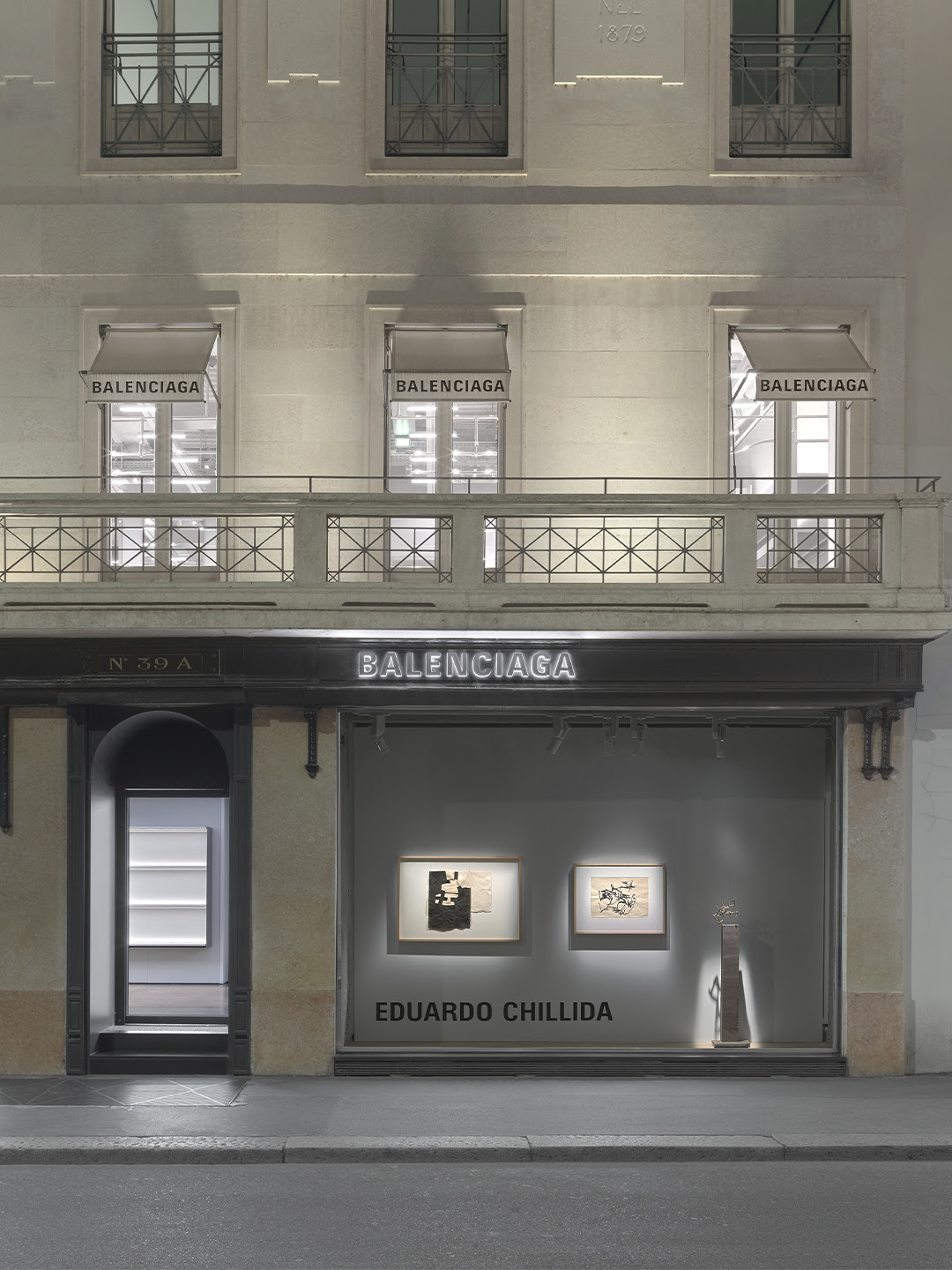
Balenciaga doesn’t stage an installation so much as it opens a conversation—one that has been quietly unfolding for decades. With Artean – Eduardo Chillida, the House transforms its Via Montenapoleone flagship into a space of in-between: between art and fashion, past and present, volume and void. The title itself—Artean, meaning “between” in Basque—sets the tone for a project that resists easy categorization. Here, sculptures by Eduardo Chillida sit among contemporary collections not as decorative gestures, but as active counterparts. Iron forms and suspended works on paper echo Cristóbal Balenciaga’s own obsession with volume, not as something that follows the body, but something that defines space around it. If for the couturier volume precedes form, for Chillida it reveals absence, turning emptiness into structure. Under Pierpaolo Piccioli’s direction, the installation becomes less about homage and more about continuity. At Balenciaga, art doesn’t interrupt the shopping experience—it reframes it.
Miu Miu Writes Desire Into the Room
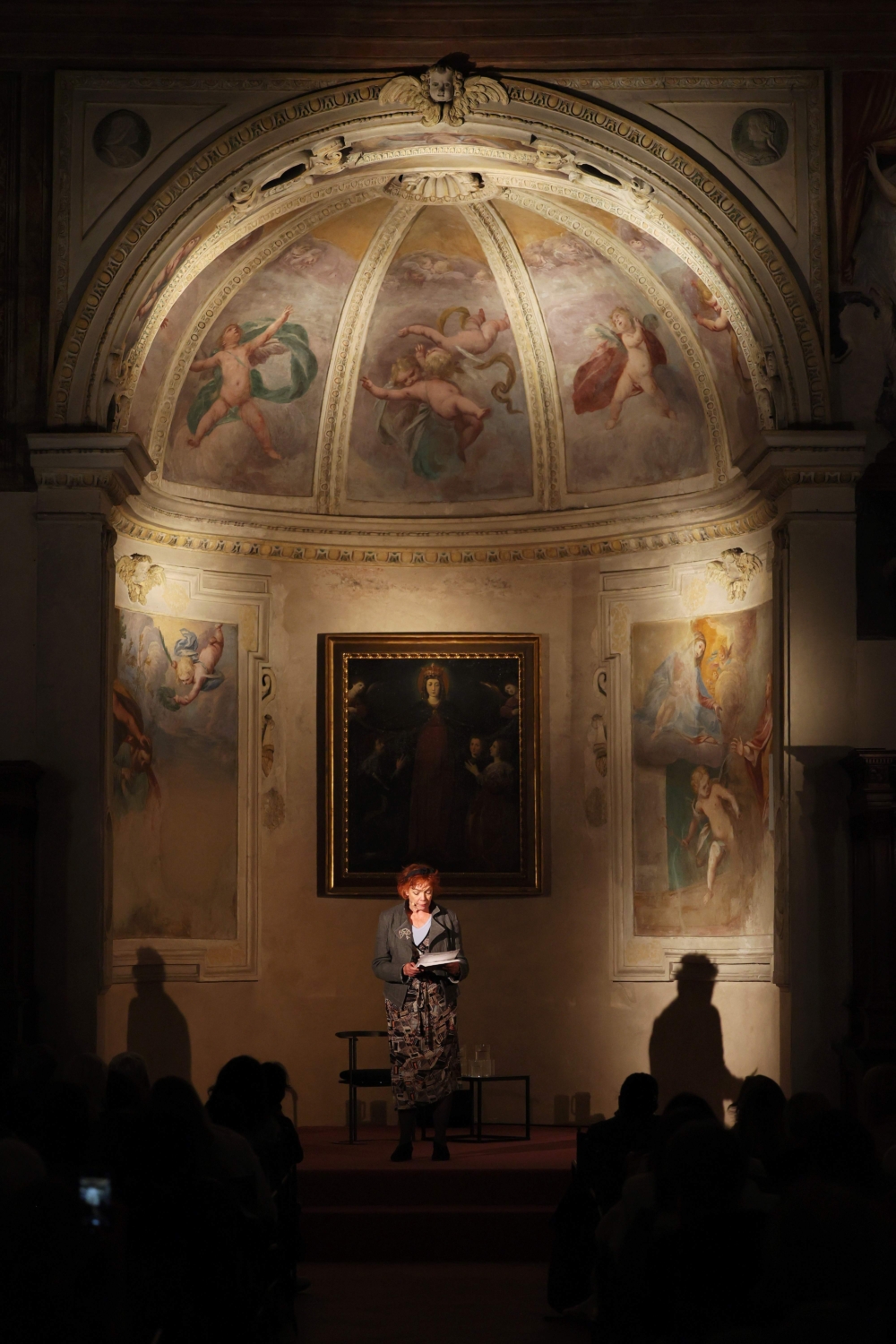
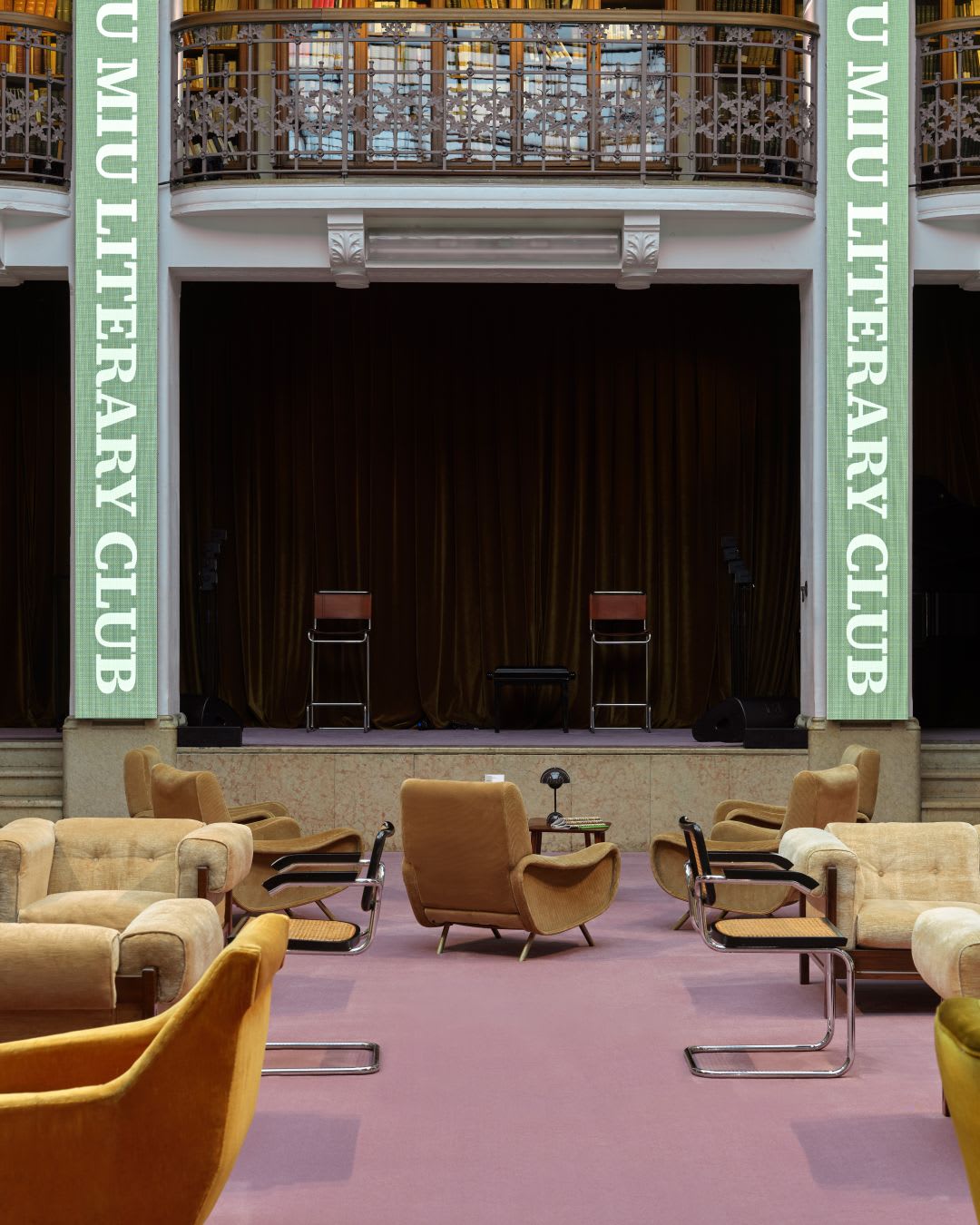
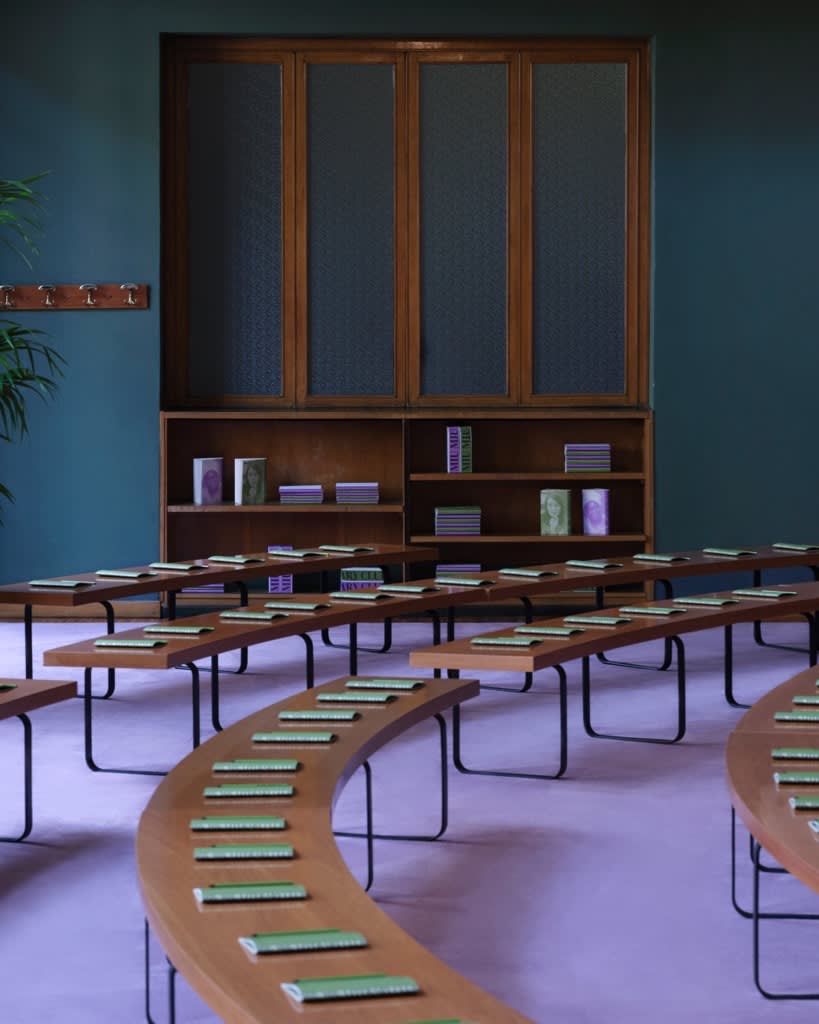
If others build worlds, Miu Miu writes them—carefully, collectively, and with a sharp awareness of who gets to speak. With the fourth edition of the Literary Club, Politics of Desire, the brand doubles down on its role as cultural interlocutor, turning the Circolo Filologico Milanese into something between a salon, a stage, and a site of gentle intellectual confrontation. Across three days of conversations and lectures, literature becomes a tool for dissecting desire—not as abstraction, but as something shaped by power, memory and social expectation. Through the works of Annie Ernaux and Ama Ata Aidoo, the program traces a line from personal experience to collective structure, asking how intimacy translates into autonomy, and where consent fits within that equation. There’s a certain precision to it all: panels unfold like essays, lectures sharpen the argument, and even the newly introduced reading room feels less like an add-on and more like a quiet insistence on slowing down. Miu Miu doesn’t just host a discussion; it constructs a framework where ideas can circulate, collide and settle.
Craftsmanship at Its Best
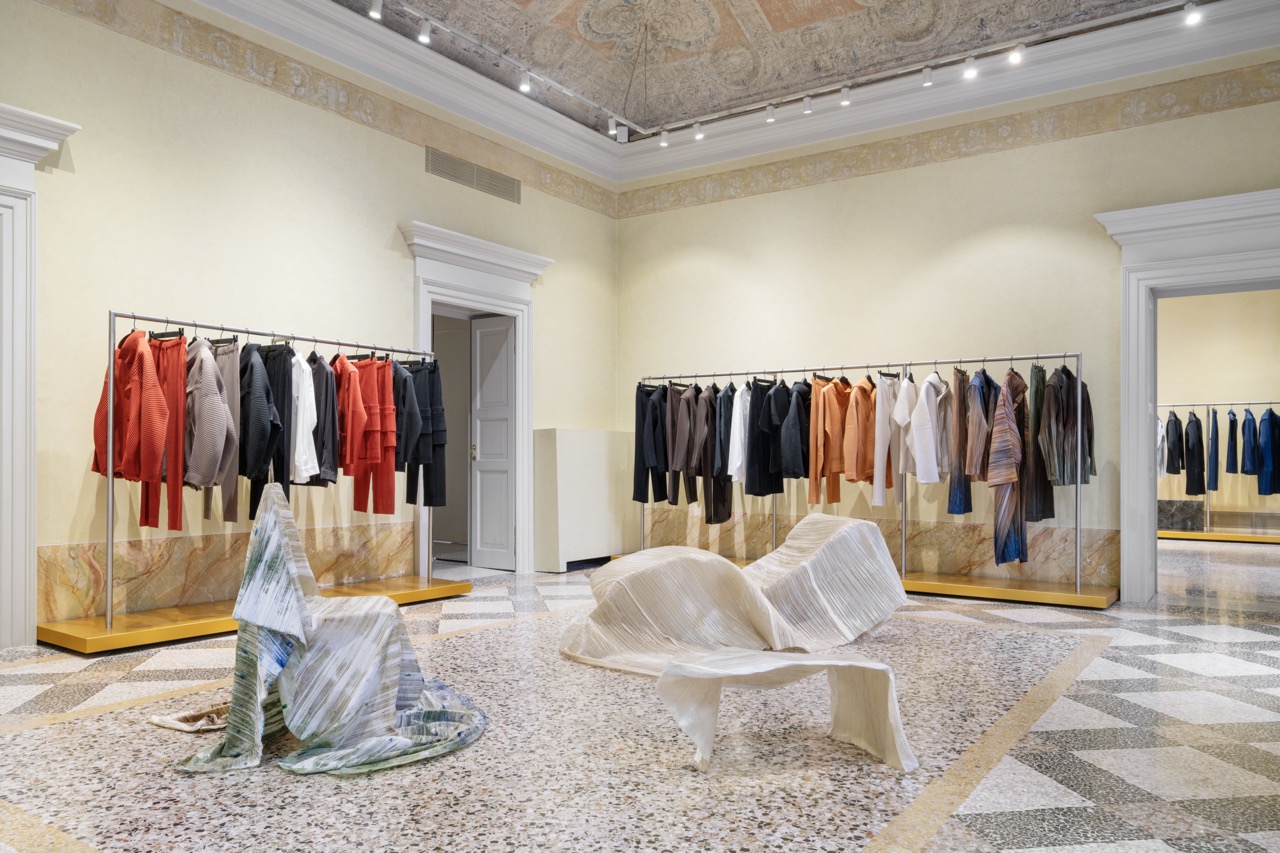
And if all this thinking risks becoming too abstract, craftsmanship brings things back to ground level. Somewhere between process and poetry, it becomes the real protagonist. Issey Miyake approaches it sideways, turning industrial leftovers into quiet design statements: compressed pleated paper logs become stools, sculptures, even a philosophy about seeing value where others see waste. It’s less recycling, more existential upgrade. Tod’s, on the other hand, leans proudly into tradition, staging the Gommino as both artifact and canvas, reworked through the lens of Italian design masters while artisans stitch away live—because nothing says authenticity like doing it in front of an audience. Then there’s Ginori 1735, which strips porcelain back to its essence with Officina Ultra, proving that even a centuries-old material can still have an identity crisis—and come out sharper, sleeker, and more self-aware. Different approaches, same conclusion: craft is a moving target.

Beyond Objects
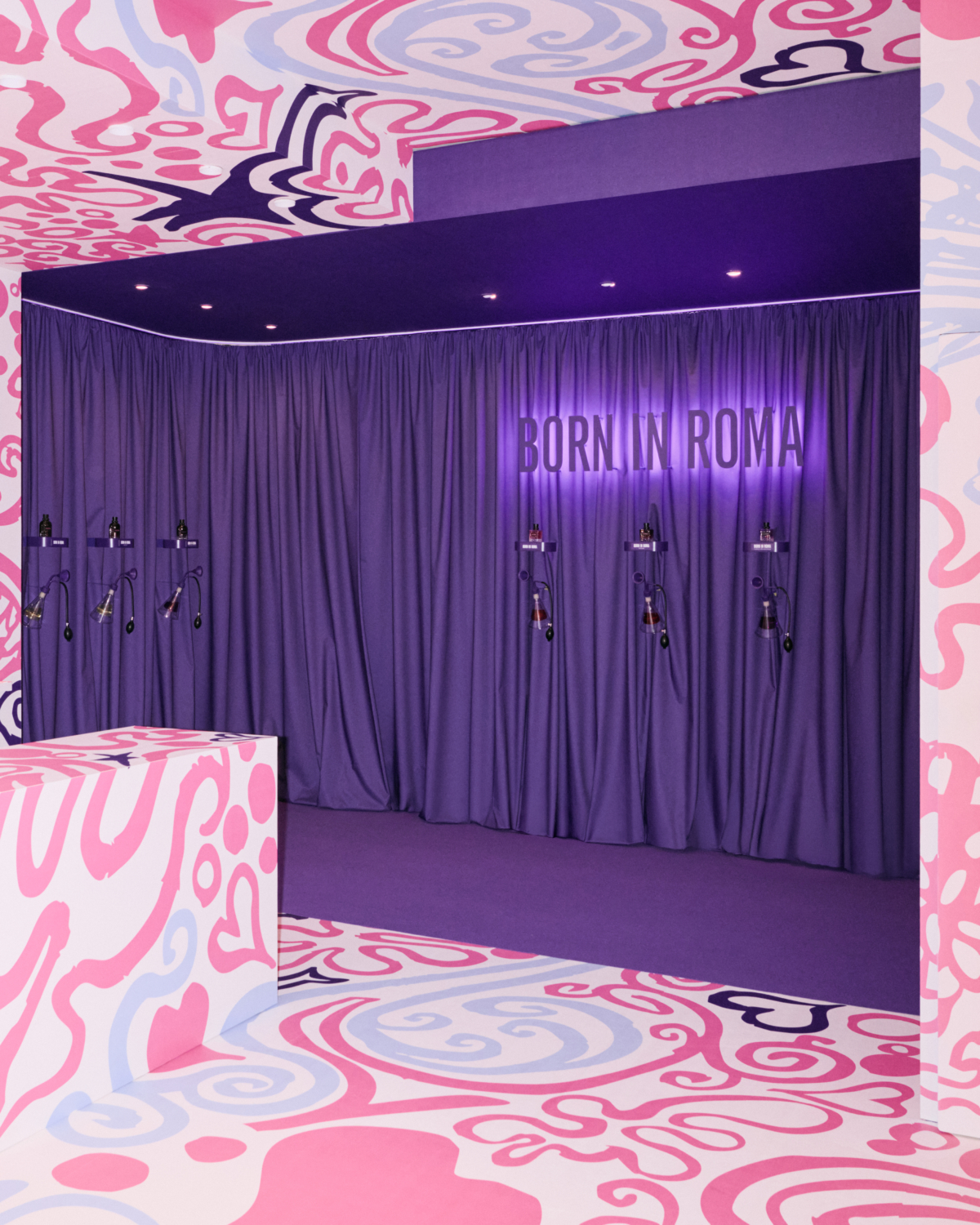
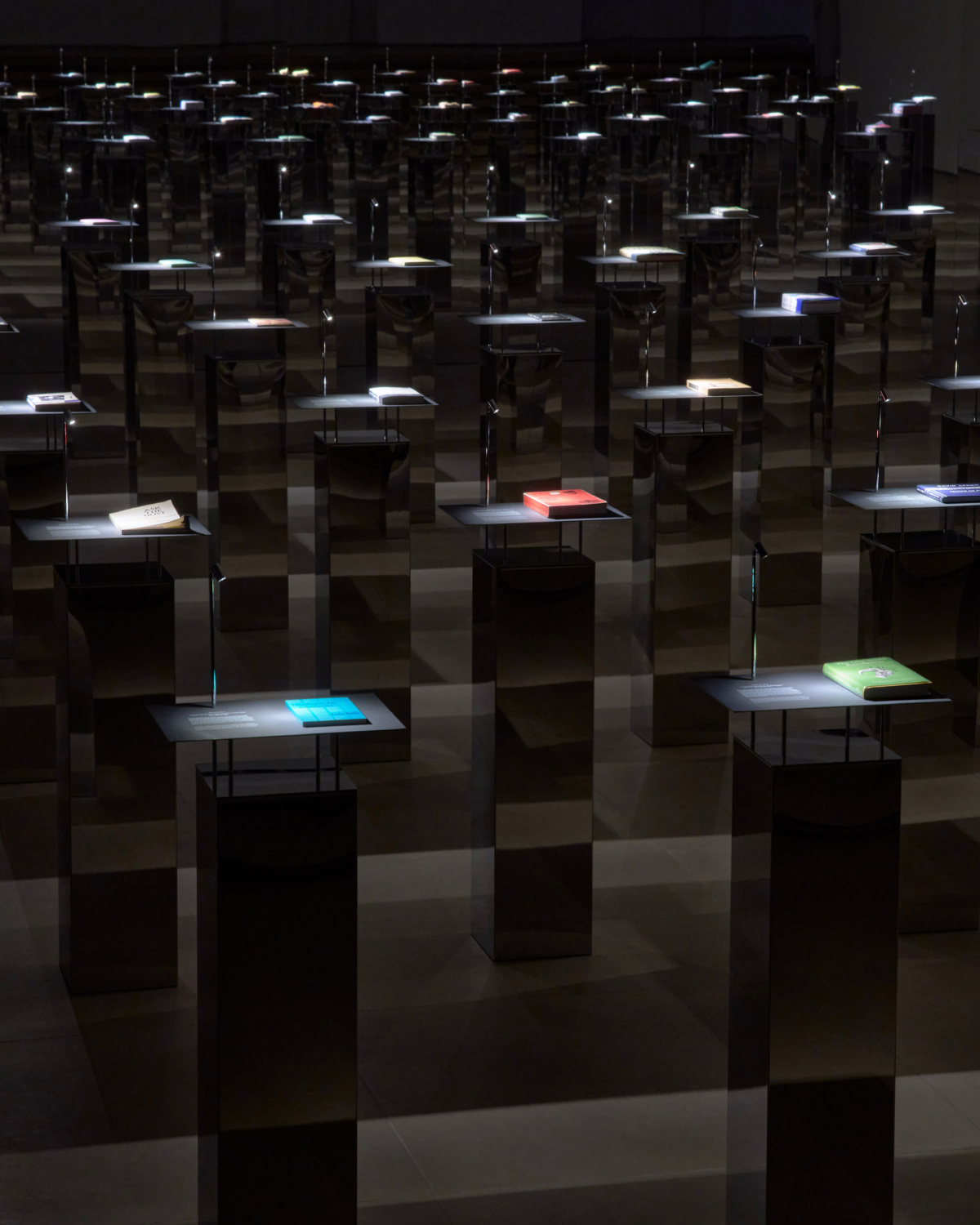
Elsewhere, fashion seems increasingly interested in what happens outside the object. Jil Sander builds a sanctuary for slow thinking with its Reference Library, a deliberately analog rebellion against algorithmic attention spans—white gloves included, just in case you forgot how to handle a book. Meanwhile, Valentino (via Valentino Beauty) goes in the opposite direction, embracing full sensory immersion with a pop-up that turns fragrance into spectacle, courtesy of Tabboo!’s riotous visual language. One invites you to sit down and read; the other dares you to feel everything at once. Together, they make a compelling case: in Milan, design isn’t just about what you see—it’s about how far a brand can stretch your attention span before you reach for your phone.
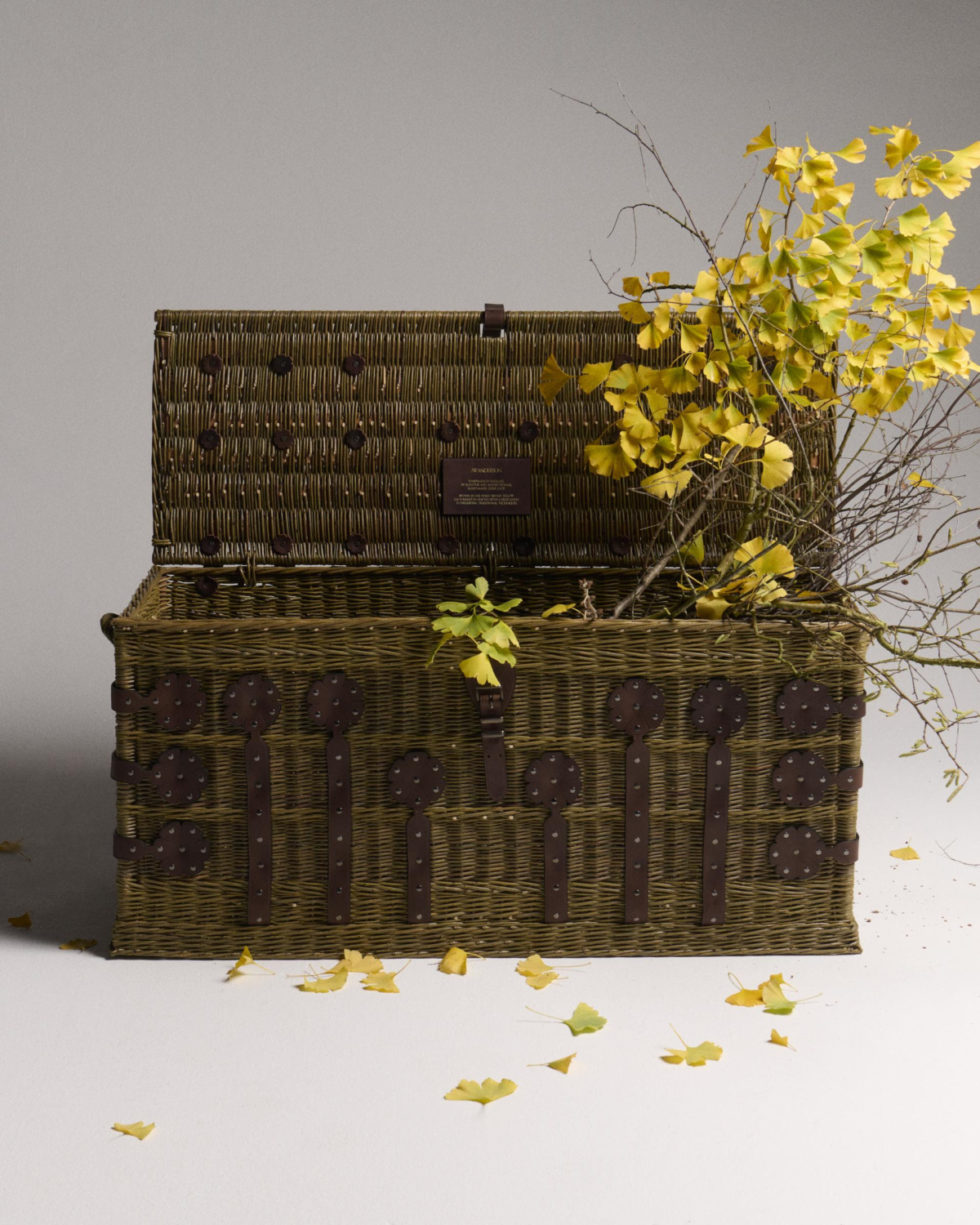
And just when everything risks becoming too conceptual, JW Anderson brings it back to something disarmingly direct: hands, tools, and material. In collaboration with basketmaker Eddie Glew, the brand stages a live demonstration at its Milan flagship that feels almost stubborn in its simplicity. No spectacle, no layered narrative—just material slowly giving in to form. It’s craftsmanship at its most unfiltered, where process isn’t hidden but placed front and center.
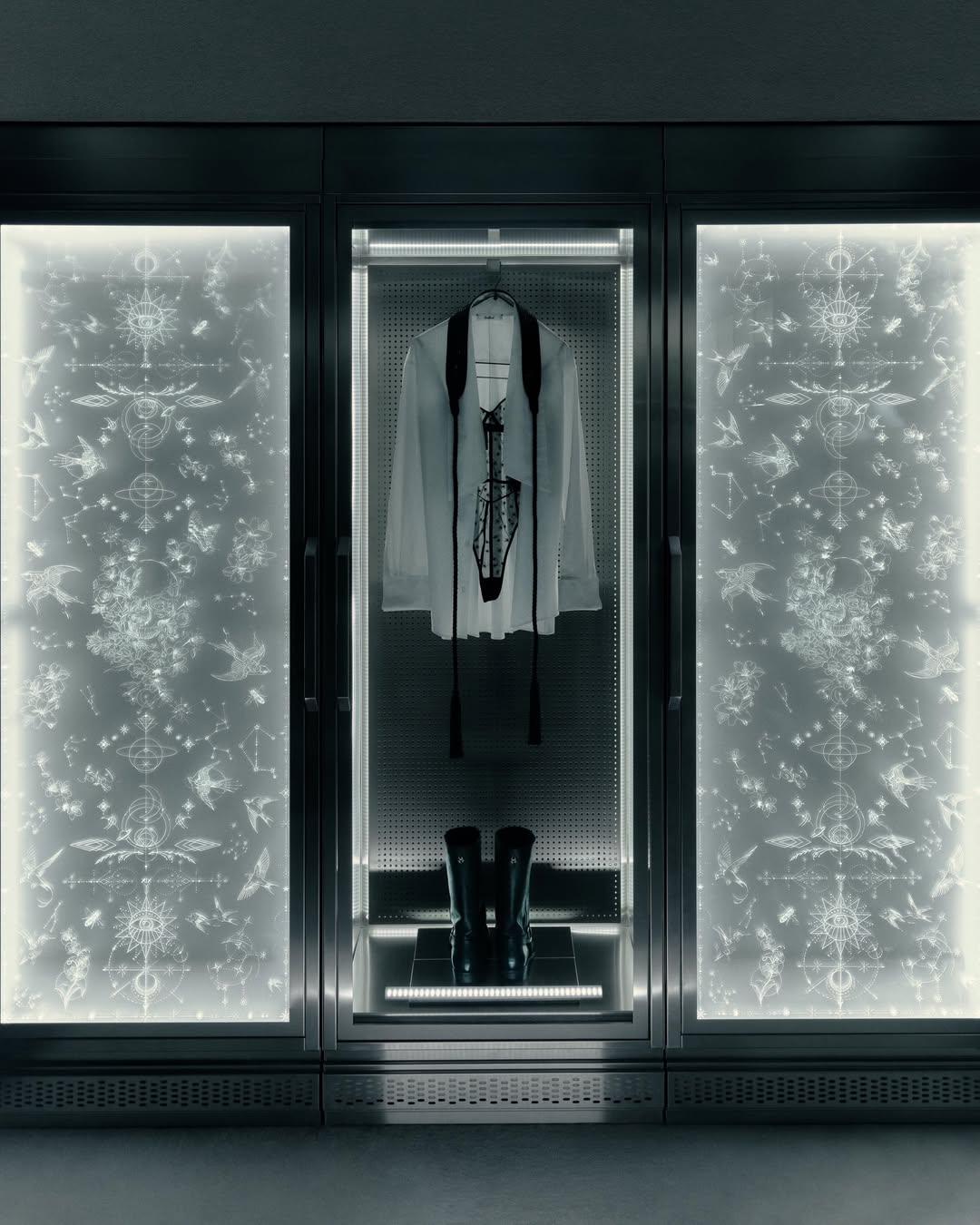
Even newer players are stepping into the scene: Oxblood, founded by Dr. Woo and Giulia Luchi, opts for permanence over installation, opening its first-ever boutique on Via Bigli—a reminder that, sometimes, the most radical gesture is simply to exist in physical space.
So, Milan Design Week has become something more than a showcase of objects. It’s a stage where fashion houses expand their language, testing how far their worlds can stretch. Sometimes conceptual, sometimes playful, occasionally self-aware.