


23 March 2026 |
In early February, as this issue was going to press, more than 300 staffers (a third of its workforce) were abruptly fired from The Washington Post. The cuts included a total decimation of the culture and style pages, for which former fashion critic Robin Givhan was awarded a Pulitzer in 2006. As the mainstream media continues to eliminate arts coverage, new online voices are emerging, and they’re unencumbered by make-or-break ad spend or corporate overlords.
What can unite these factions is not ill-informed hot takes or ‘criticising for clickbait’, but rather a shared interest in the industry. All this and more was discussed with an esteemed panel, including The New York Times’s Vanessa Friedman, Nicole Phelps of Vogue Runway and Vogue Business, CNN’s senior style reporter Rachel Tashjian (a Washington Post alum) and perennially online fashion theorist and writer Rian Phin. Though they all found their way to the industry through different channels, the group was clear about wanting to keep the conversation going.
10: Part of the impetus for this discussion was last season’s Instagram post by designer Edward Buchanan that called out people’s “bedside critiques of fashion shows by way of runway photos and live streams”. He asked people to be mindful of hurtful language and to respect the work and the designers’ humanity.
Nicole Phelps: I think Edward was speaking from the point of view of a designer; he feels what that kind of criticism means, probably personally. I respect that a lot. The truth is that most people don’t have the privilege of seeing the collections in person. Unfortunately, there is a problem with the internet and social media that rewards negativity. There are a lot of hateful, very snide, very easily made comments. That’s easy to do when you don’t see a person face-to-face.
Vanessa Friedman: I spoke to Edward about this [for a piece that ran in The New York Times], and I think he was reacting to people who were criticising by saying, “Oh, that looks cheap.” He was saying, “Well, I felt the fabric, and it doesn’t look at all cheap in person.” I think that got blown out of proportion and then applied to everyone who said anything critical online. There are plenty of people who post criticism who aren’t knee-jerk about it.
Rian Phin: I worry about the idea of legitimising insider versus outsider conversations when it comes to the notion of, “You weren’t there in person.” It’s not a democratic thing to be invited to shows. The operation of fashion is to be disseminated. Ultimately, a customer will get [the clothes] once they become ready-to-wear, and they’re not a fashion expert either.
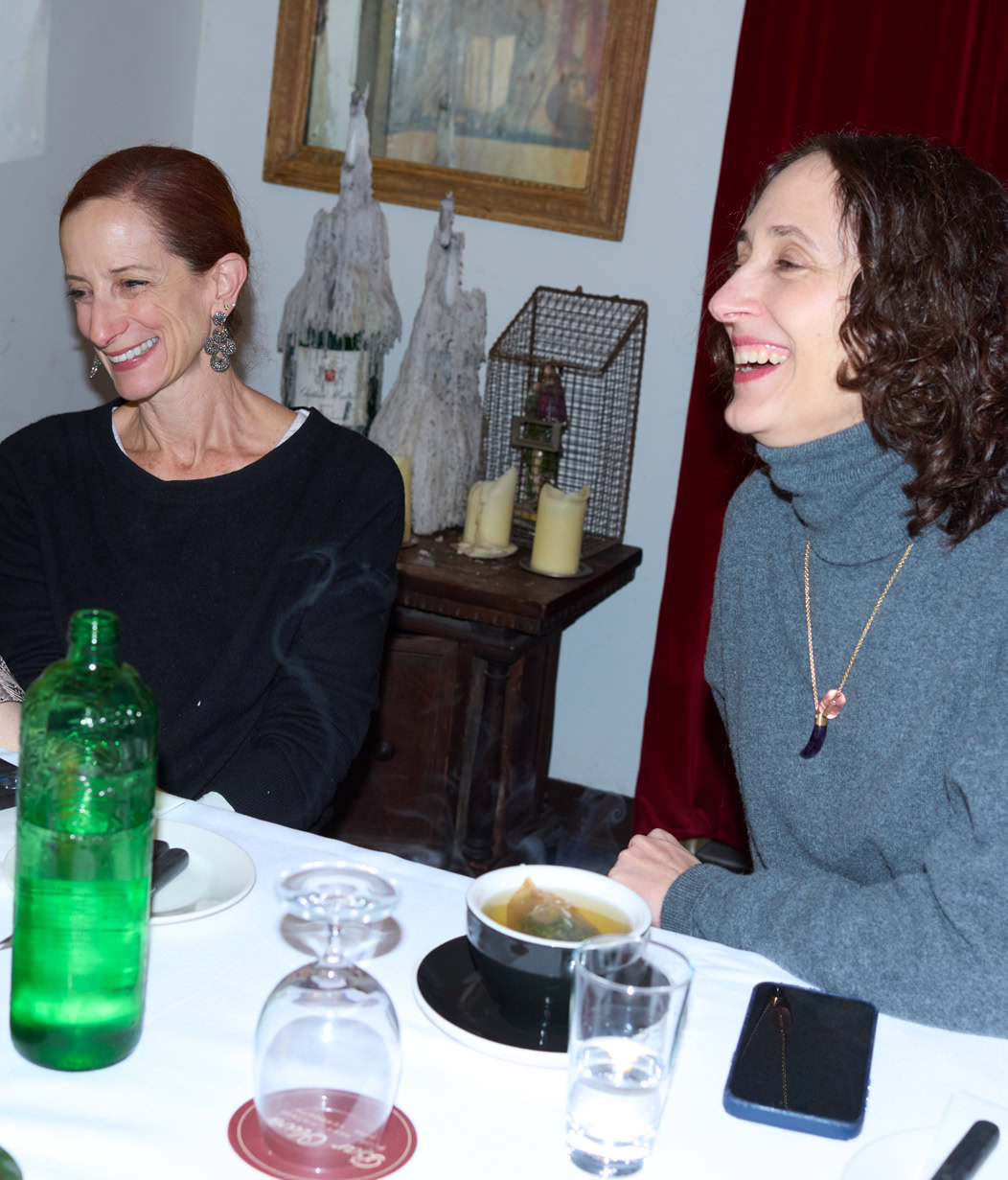
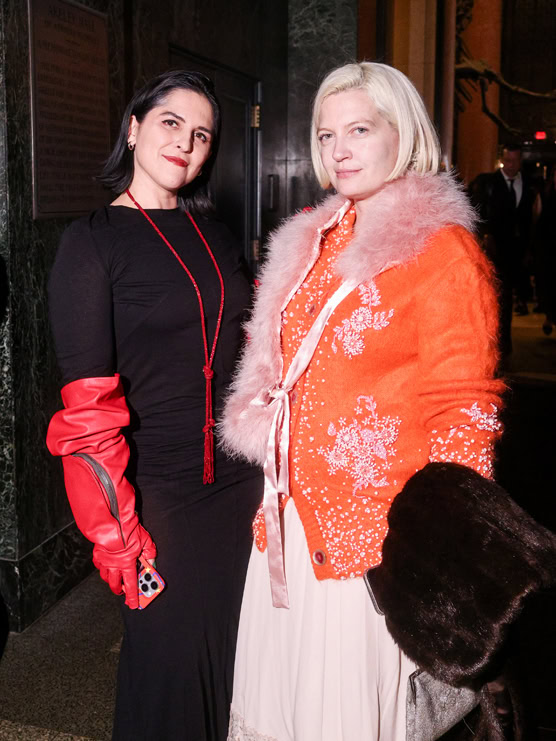
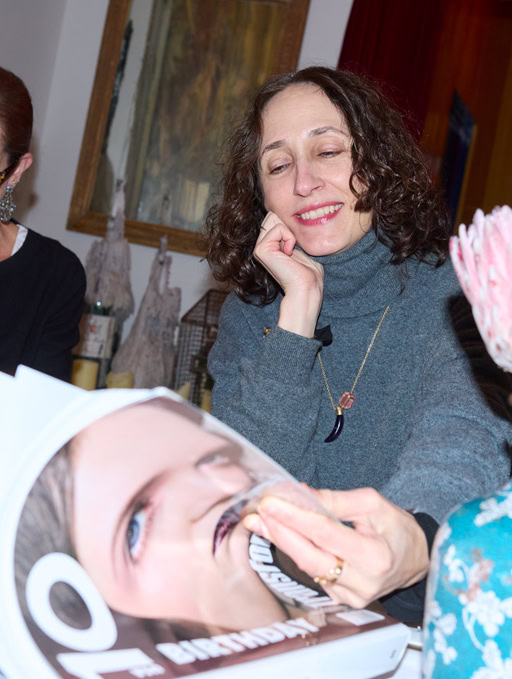
from left: Vanessa Friedman, fashion director and chief fashion critic at The New York Times, and Nicole Phelps, global director of Vogue Runway and Vogue Business; senior style reporter at CNN Rachel Tashjian (right) with i-D’s global editorial director Steff Yotka; and Phelps reading 10 USA
Rachel Tashjian: I completely agree with you. I think it’s ridiculous to say that someone can’t critique a fashion show because they weren’t there, given that these brands spend millions of dollars to put their shows online. Obviously, they want everyone to see them. I think the idea of snap judgment is what’s under fire from Edward and others, both inside and outside the industry.
With everybody having their opinions, does that ever affect how you cover the shows? Because that used to be a fairly insular thing, and now it’s very broad and far-reaching.
VF: I’m interested in other people’s opinions. With the last Alaïa show, most of the fashion world loved it, and I was like, “Wow, I really did not.” And fair enough. But I’m interested in how other people see things, especially if it’s different from how I see them. It’s good to have more voices.
RT: For sure. That’s the sign of a healthy media environment, right? When you have three or four different pieces of criticism, whether that’s a review in Vogue or in The New York Times, and also social media commentary, [at places like] Substack, they all offer different opinions. That should be the goal of fashion criticism, and be the goal for a fashion brand, frankly.
Do you read each other’s stories?
VF: I tend to read other people’s things after I’ve written my own thing because I don’t want to be like, “Oh shit, am I wrong?” [Laughs.]
NP: I try not to read anything until the end of the week to keep my head clear.
You’re expected to produce a ton of content, especially during fashion weeks.
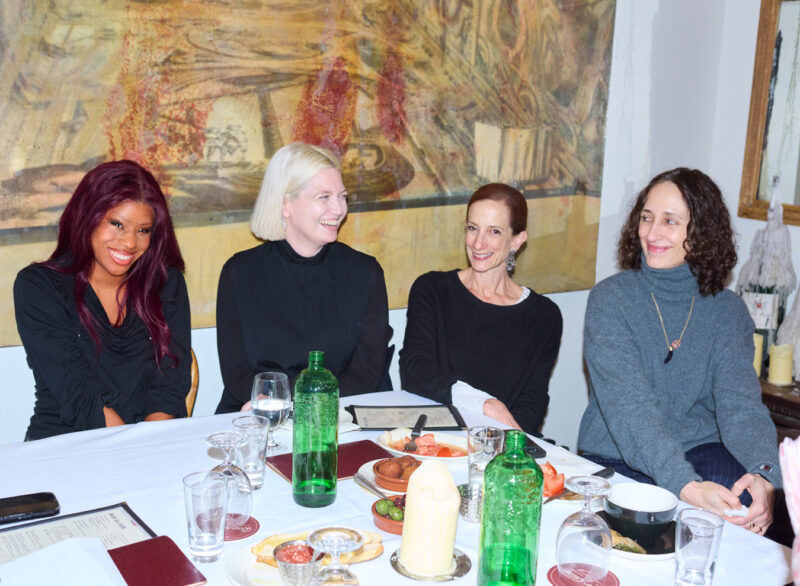
Rian Phin, content creator and fashion theorist, Tashjian, Friedman and Phelps at Bar Oliver
NP: You guys have something more interesting to say about that because our formula [at Vogue Runway] is so different. We are an online archive of fashion shows from the past 25 years. We have the reports that live with the photos. We’re doing less synthesising than the Times, or CNN. Sometimes I look at you guys and think, oh damn, I wish we did it that way, because you can have really big, bold thoughts.
Rian, how do you decide what you want to cover? Your YouTube videos are real dissertations. I’ve seen your notebooks. You go deep into research.
RP: I base the longer-form content on research I’ve already done if it’s something I’m compelled to talk about. When covering runway shows, I usually have specific objectives; I have a limit on what I’ll cover on TikTok. Especially if I’m going to shows, I’m burnt out, and a lot of things aren’t worth talking about. Also, everybody’s going to say it anyway on TikTok; they’re going to do the snap judgement. I think about other people’s coverage, and then, in terms of more long-form research content, the more material I have to work with, the easier it is to write.
RT: That’s such an important part of what you do, Rian – the community element. For the three of us, news is what drives whether we decide to cover something. News, of course, can have many interpretations, but you have cultivated such a sense of community that’s led by your own curiosity, and that means often that you’re talking about things not necessarily just as they happened, but your community is there when you are to have those conversations.
What happens when you become more of the target than the collections? Vanessa, you wrote that piece, “Why Can’t Fashion See What It Does to Women?”, which added so much to the conversation, and also received some blowback. How do you deal with that?
VF: I’ll always engage with people who reach out. Designers often want to have conversations after reviews. I feel like I have to stand behind what I say. It’s my right to say so, and it’s their right to disagree; I will always give them time for that. And certainly, we often engage with people in the comments section of The New York Times. If someone attacks me on social media, I do not feel the need to engage. I don’t think there’s a real way to win that. I don’t even think the person who’s doing it really wants you to engage, because if they did, they would respond to you directly rather than publicly.
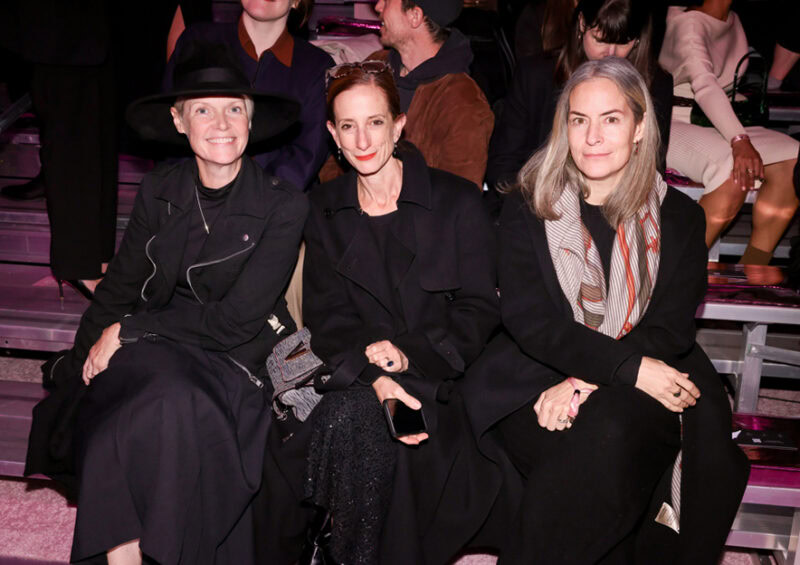
Friedman with T Magazine style director Kate Lanphear and The New York Times Style’s editor Stella Bugbee at a fashion show
Nicole, how do you handle those situations?
NP: Well, we don’t have comments. I think back to [when I worked at] style.com: we had comments for a while, and famously, one very sensitive designer was so upset about the comments, and they were advertisers, and wanted us to remove them. It was sort of the beginning of commenting; we thought it might be better not to go in that direction. Of course, now, we wish we had a community like yours, Rian. We do have large groups of followers on social, but one of the things we’ve been exploring with the Vogue app is trying to build community, or at least a contributor network, with the idea that maybe eventually it would become a community. But I also feel like we’re like 15 to 20 years too late on that. We should have been doing it since the style.com days. Going back to what Edward said, I can relate to him wanting to say something like that because when people question you in an intense or mean way, it can be really triggering.
VF: Especially because so much of what’s online is short, right? So people aren’t explaining why they think something, which is the benefit of long-form, thoughtful research. Then you have an argument to back up your point, and people can disagree with you, but they can’t necessarily say you’re wrong.
Rian, in one of your recent videos, you talked about time and how everyone expects everything to happen so quickly. You pointed out that there’s a whole history behind the reviews you’re writing. It isn’t impulsive.
RP: Yeah, I try to expose my audience to the idea of engaging with things for longer. I know not everyone who sees my tweet will watch the full 40-minute YouTube video, but I want them to know that you should respect the designers, critics and journalists who take the time to write and post. Imagine reading an article with a reverence for each line the person writes. It should be pluralised knowledge for everybody. It shouldn’t just be like, oh, I don’t like the headline, or I don’t like the writer, so I’m going to disregard it. No, you should care. You don’t have to watch the video, but just know that 40 minutes of talking went into it, along with 10 hours of research and whatever else.
RT: That’s a real problem. The decline in literacy is occurring alongside the rise in online outrage.
RP: It’s the worst-case scenario.
And also just the lack of support for criticism across the board. You guys are fighting the good fight, but this is a huge shift across not only fashion, but also the arts, books and theatre.
VF: Us, brontosauruses. [Laughs.]
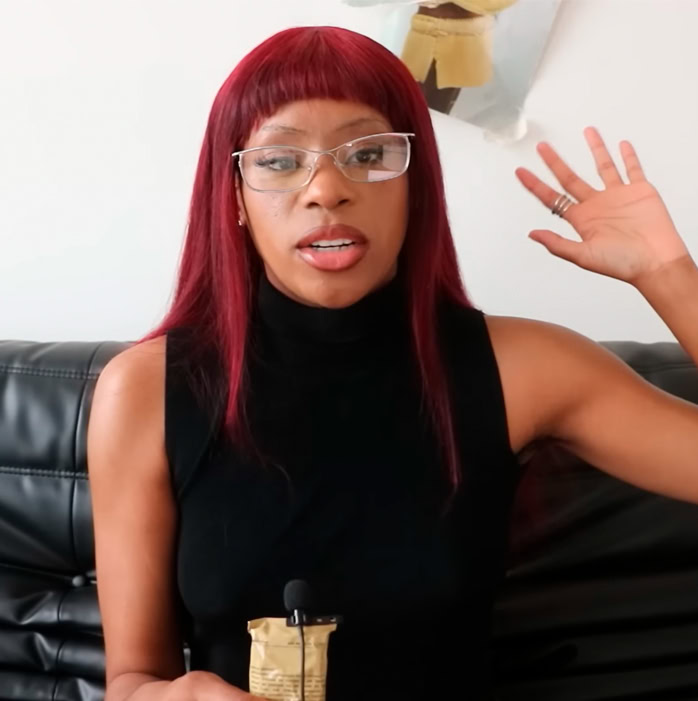
Phin in a video essay on YouTube
RT: People care about fashion criticism more than they care about other kinds of criticism. I have a lot of friends who are art and book critics, and when I talk about how sometimes I write a review, and someone reacts angrily on Twitter, they’re like, “Really, that’s so cool!” So I do think that’s pretty exciting for us. We are held to a high standard, and there’s a desire for it to be really good, engaging, and reflective of the world.
VF: And everyone can have an opinion on it.
RT: Yeah, and does. [Laughs.]
Rachel, you have a new role at CNN, but up until fairly recently, you were the fashion critic at The Washington Post. When you were there, you talked about writing with your audience in mind. Are you still thinking about this in your new position?
RT: I had a real shock when I moved from working at Harper’s Bazaar to the Post because I suddenly started getting emails where I was like, “Oh, wow, I didn’t realise people thought this way.” I was naive. The week I started I ran into Vanessa and was, like, I’m shell-shocked. I would get emails that said, “No one cares about this.” Or, “With everything that’s happening in the world today, you woke up and chose to write about this?!” Once I became a little less upset or offended by it, it was helpful to realise, like, “Okay, how do I maybe just open my arms a little bit more?” It helped me think about a broader audience and how to speak to as many people as possible without sacrificing the quality of my work or attention to detail.
Is there too much to cover now?
VF: If you’re in the news business, your job is partly to decide what not to cover. You do as much weeding out of information and white noise as you do choosing subjects. Shows and fashion are the same. There are tons of things that happen in tons of shows that produce perfectly nice clothes that might be part of the trend down the line and that people can wear, but they’re not saying anything about what’s going to happen next, or where women are, or where men are, or particular cultural moments. So I don’t need to weigh in.
NP: One thing I learned from [fashion director] Candy Pratts Price, because people would always be calling up and saying, “Will style.com cover this, or will Vogue Runway cover this?” is you can just say no. And when they ask why, you can say it’s an editorial decision. It’s opaque enough.
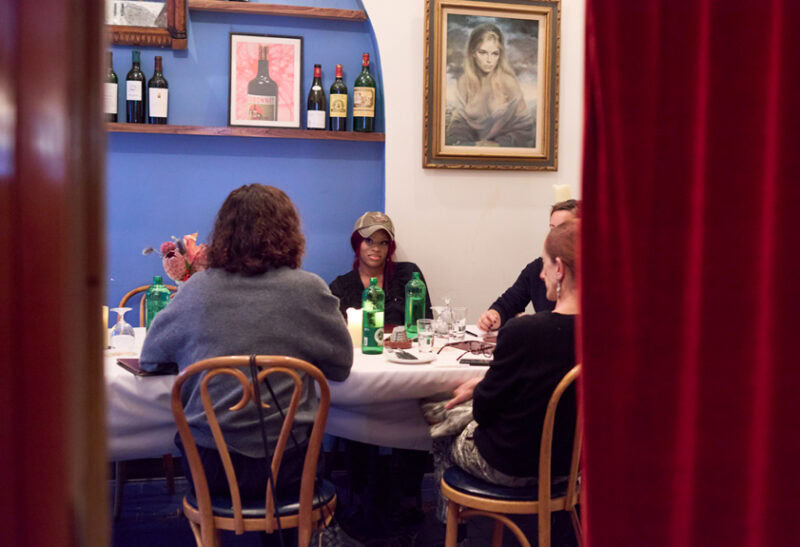
Rian Phin, content creator and fashion theorist, Tashjian, Friedman and Phelps at Bar Oliver
There’s a symbiotic relationship between fashion media and advertising that audiences are privy to now. And they think it can taint the coverage.
VF: It’s not [an issue] at the Times. I’m sure our business side would be much happier if I didn’t write a lot of stuff [that I do]; I don’t hear about it.
NP: I can’t remember the last time I heard from the ad sales department about something. There’s probably more communication between the two sides, but there’s no asking, “Why did you let that happen?” Also, anyone who posts about a fashion show is doing free advertising for those brands.
VF: What do you call it? Earned media.
RT: Another element of this that I’ve been thinking about a lot is, like, if you work at a news organisation, you have to sign paperwork with an ethical pledge. I have certain rules and standards I must adhere to. But if you’re an influencer, you have to make up those rules for yourself. You have to be vigilant. I know you are, Rian. I don’t want to speak for you, but I feel like you have your own rules.
For the record, she’s nodding.
RT: There are a lot of influencers or commentators who I think aren’t thinking about that. People who are not strictly influencers are attending shows and are doing a soft cover. But they don’t necessarily have those kinds of rules because they haven’t made them for themselves. It doesn’t occur to them.
RP: I would say in that case, usually they’re subject to their audience, which is not going to be the highest level of expertise in terms of maintaining your integrity or ethics. They’ll be like, oh, get that bag, girl. Like, get that money. Sometimes, when you submit your integrity, you bend towards a brand.
RT: For example, there was an influencer who wasn’t invited to a show and threw an event to celebrate the show because he wasn’t invited to it. And that became hugely successful. However, as a result of the event, he was given a bag by the designer, which he publicly posted about.
Everybody wants to be invited to this party. It’s still considered chic to go to the shows and be in those rooms.
VF: Fashion is great at co-opting its own critics. It’s true of clothing, too, right? Clothing, criticism, things that start out as protest or subversion, you know, the next thing the designers are like, oh, that’s inspiration. Let me make my version! [Laughs.]
RT: That’s what happened with streetwear.
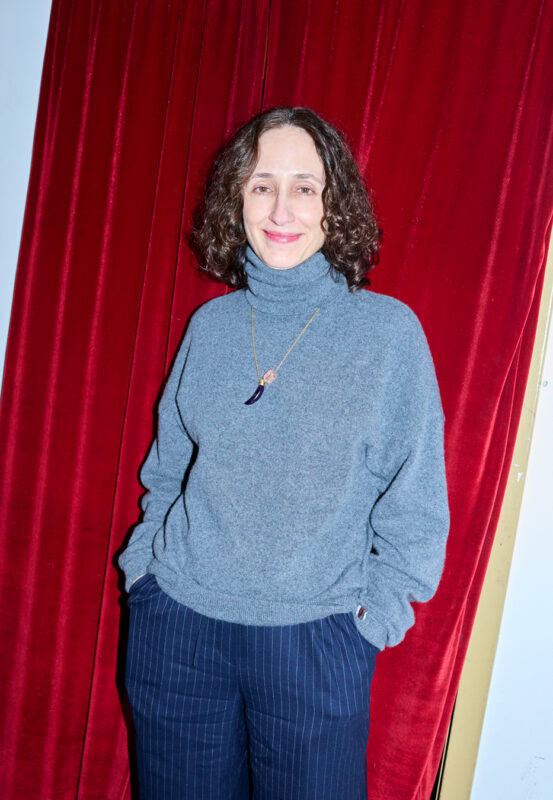
Nicole Phelps: “There are a lot of hateful, very snide, very easily made comments. That’s easy to do when you don’t see a person face-to-face”
RP: That’s why it’s hard to contend with the original point. Influencers are saying, “I want to be in the room,” but then they can’t get invited to the show when they critique, so brands are like, “Say something nice.”
VF: This is something I’ve been thinking about a lot. I wasn’t invited to the Alexander Wang show during New York Fashion Week because he was upset about how the Times had covered the #MeToo conversation. [Wang was accused of sexual misconduct; he initially denied all allegations but later posted a note on Instagram promising to “do better”]. I didn’t write any of those stories. But he felt that the Times was somehow against him, and so he wasn’t going to invite anyone from the Times to his show. At this moment in our country, politically and culturally, the idea of closing that door to conversation between media and a brand, we sort of laugh about it and dismiss it, but actually, it’s a bad trend.
Are we seeing more of that now?
NP: I hear anecdotally that more brands are disinviting people from shows because of bad reviews.
VF: I’ve been disinvited three times. It’s never been because of anything I’ve written, but because of coverage the Times has published, and this is just the one thing [the brand] can do.
Rachel, was it Khaite that you were banned from?
RT: Yeah. Or not invited to. I think I’m banned, I don’t know. Something that’s funny to me is that fashion is always insisting it is so engaged with the world. It’s so plugged into what’s happening across other industries, and it’s not in its little orb or silo by itself. And yet, to me, when I see journalists not getting invited to shows or getting really terrible seats, it’s pretty similar to what is happening with journalist access in the political world. And there’s no understanding that that might be a similar dynamic. Obviously, access to the White House or the Pentagon is much more serious than access to a fashion show. Maybe it’s not – this is what we cover.
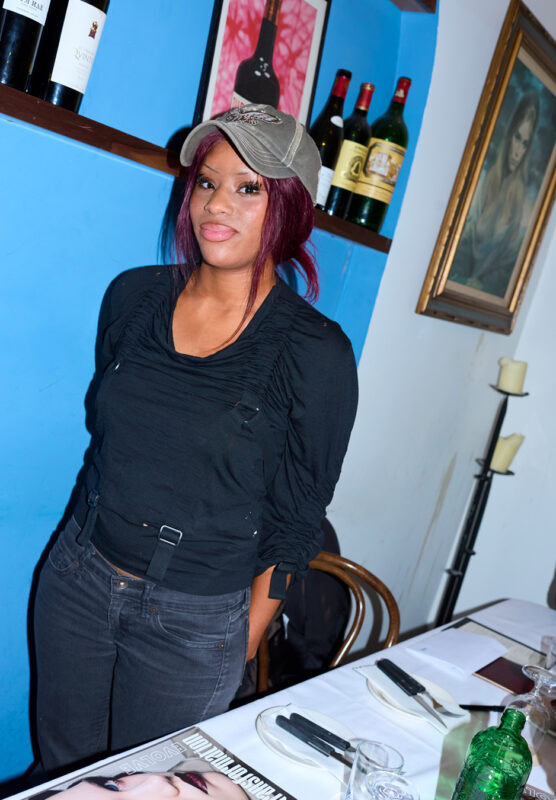
Rian Phin: “I wouldn’t be in the digital space without the traditional space. It worries me that everything’s going to move to Substack, and everybody can just lie and get sent product”
VF: It changes how you think about the world and what seems possible. It’s possible over here in this little tiny pocket, and it’s possible in this bigger, more impactful area.
NP: [Brands] don’t realise that by reaching out, by making that call after reading a review that you don’t like, you build a connection. I’m not saying you bought a better review, but at least you have a sense of understanding and human connection rather than pushing people away, which can cause you to lose that connection entirely.
There is a fickleness that can be very limiting in that regard.
VF: It is fun to write a mean review. It’s the most performative kind of writing. I don’t think any of us do that because we all appreciate it. Back to where we started, we know how hard designers work. It’s not easy to criticise someone when you know how much they’ve put into it. On the other hand, if you don’t do it, the people around them aren’t doing it either. So hopefully you do it fairly and with good intentions.
RT: Also, products have gotten so outrageously expensive. People deserve something that’s worth that price. Not that I’m offering shopping recommendations, but can I stand behind telling people that you should put your money into pieces from this designer?
The Row has been banning phones and social media at its shows. Is that a reaction to everyone being so online?
VF: It is true that when you go to a show, a lot of people are watching the show through their phones. It’s bizarre because the body is right there in front of you. So I can understand where they were coming from as designers. [They’re saying] “Look at it. Use your eyes to look at this.” But we also have other responsibilities. The responsibility isn’t just to the designer. We’re not here to serve them. We’re there to serve our readers, our viewers, our listeners, whatever. And it’s not necessarily serving those audiences if we can’t give them any information about what we’re seeing, unless the designer says so. I find that difficult.
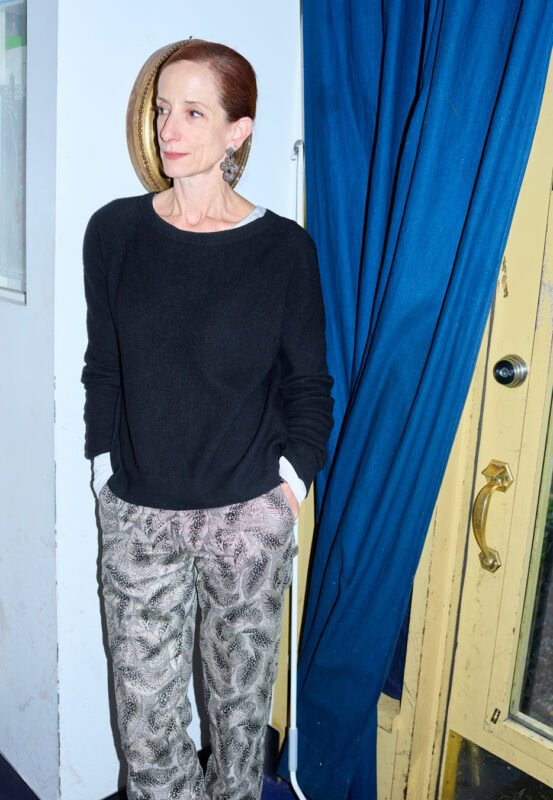
Vanessa Friedman: “I tend to read other people’s things after I’ve written my own thing because I don’t want to be like, ‘Oh shit, am I wrong?’”
NP: Brands have become very controlling. Before the pandemic, we shot everything at Runway; during the pandemic, we were provided with everything. Many brands now don’t want to let us shoot a show. Some want to submit a new set of images with the shoes Photoshopped out or something. That’s a bad idea. We want it to feel like there’s an audience there. Last season, a brand wanted us to run the rehearsal images, and the front row and the second row were all empty. I was like, why would you want us to run those?
VF: Or the brands will send the images they have decided are most important from their collections. Which may have nothing to do with what we actually think is important from their collection. Also, they never shoot from the back. Sometimes the backs are the most interesting parts.
Is expediency still a factor?
RT: When shows are really news, then you want to get it up as quickly as possible. But to be honest, it is rare. I felt like this past season there was so much pressure that people really were like, okay, well, what does everyone think about Dior? What does everyone think about Chanel? So you wanted to get things done as quickly as possible so you could get into that conversation. I find I have a better conversation with my readers when I can sort of pull out themes or group things together.
VF: It’s the difference between a passionate fashion audience and a general audience. Fashion audiences know which shows are coming, and they want that information. Most of our readers have no idea what show is going on where, and if they do, they’re confused.
RT: They’re like, why is this still happening?
What does everybody think is going to happen next in fashion criticism?
RT: Where is it headed? [Laughs.]
RP: I’m scared. I hope there are still traditional pillars. I don’t want it all to move to Substack or YouTube or TikTok because I like the checks and balances of having an editor, having people to hold you accountable, and having a community of people who have scholarship. Some aspects of traditional fashion criticism are necessary. I wouldn’t even be in the digital space without the traditional space. It worries me that everything’s just going to move to Substack, and everybody can just lie, get sent product, make things up, and be like, ‘best show ever.’ [Laughs.] I don’t want it to be exclusive, but I don’t want it to be free range either.
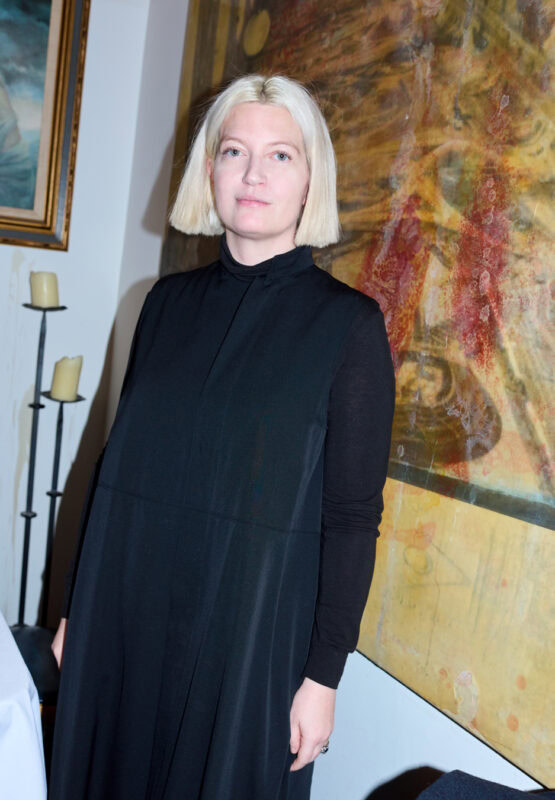
Rachel Tashjian: “It’s ridiculous to say that someone can’t critique a fashion show because they weren’t there, given that these brands spend millions of dollars to put their shows online”
NP: We’re trying to think of ways to get people to spend more time on the app and download it. We create a lot of content for other companies on Instagram and TikTok. Other than that, I really love reading smart people on fashion, and I also love conversations about fashion.
VF: I went out to lunch once when I first started at the Financial Times [in 2003], which hadn’t had a fashion critic before, and a guy was there from Rothschild [bank], and he asked what I did. When I told him, he laughed so hard I thought he was going to have a heart attack. We’ve come so far since then, in terms of public acceptance of thinking about fashion, not just in an academic sense, but in a broad sense, and that’s great. I hope it continues. To the point Rachel made earlier: that more people are reading and paying attention to this is a really good thing.
This transcript has been edited for space and clarity.
Taken from 10 Magazine USA Issue 6 – CREATIVITY, CHANGE, FREEDOM – out now! Order your copy here.
CRITICS’ CHOICE
Photographer GREG KESSLER
Panel NICOLE PHELPS, RACHEL TASHJIAN, RIAN PHIN and VANESSA FRIEDMAN
Text SARAH CRISTOBAL
Sittings editor ALMA DE GANAY
Special thanks to BAR OLIVER


