


A new style of creative energy is in the air — from the food we eat to the clothes we wear to the books we read. Here we meet 10 tastemakers pushing culture forward in New York and beyond.
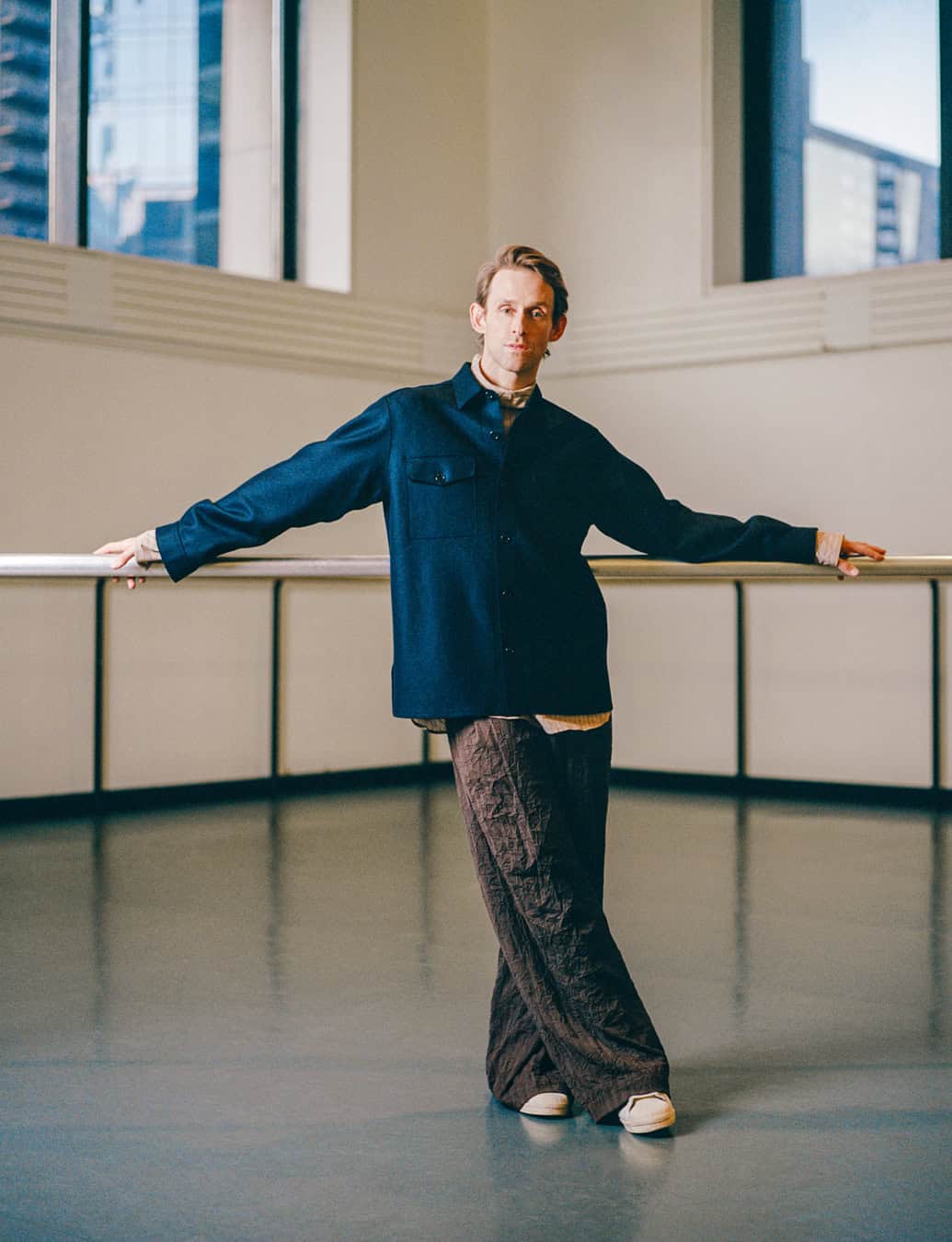
ADRIAN DANCHIG-WARING,
BALLET DANCER AND CHOREOGRAPHER
Adrian Danchig-Waring returned to the stage the day before our conversation, his first performance after spinal surgery. “It was exhilarating and joyful,” he says. “But my body is feeling pretty trashed.”
For 23 years, Danchig-Waring has danced with New York City Ballet, rising from apprentice to principal. He’s performed time-honored classics by George Balanchine and Jerome Robbins alongside contemporary works by Justin Peck, performances The New York Times has called “commanding” and “illuminating.”
Growing up in the Bay Area, Danchig-Waring took part in Chinese acrobatics and Russian folk dance before stepping to the barre. “What sparked this fire in me was the feeling that my body could be an instrument of expression,” he says. NYCB held a “gravitational pull,” embodying Balanchine’s vision of ballet as “music made manifest in the human body, marking space and time.” In conversation, Danchig-Waring proves himself not just a stellar athlete and artist, but a wordsmith and deep scholar of dance.
This year brings bittersweet closure: his triumphant return precedes his final performance this fall. “Two truths feel simultaneously real,” he says. “I’m happier than I’ve ever been to be dancing, and I’m thrilled to know there’s an endpoint, that I get to be the author of my own experience.”
His next chapter is already underway. As artistic director of the New York Choreographic Institute since 2018, he’s paying it forward. He originally took the role when an injury sidelined him for a year. “I didn’t know if it was something I wanted to dedicate my energy to, but I could feel the way it was fueling my practice as a dancer.” Now his focus is creating “the same meaning and richness of experience for the next generation.” Projects include a documentary, educational programming, public performances, and collaborations with cultural institutions.
Danchig-Waring sees dance—performing and witnessing it—as a cultural act of defiance. “Being present with our bodies is increasingly a radical act,” he says. “We’re conditioned to our online lives and disembodied digital spaces. Being present in our bodies, gathering collectively, and flexing our freedom of expression are freedoms need to be muscularly defended. Performing arts are a site of collective engagement and responsibility.”
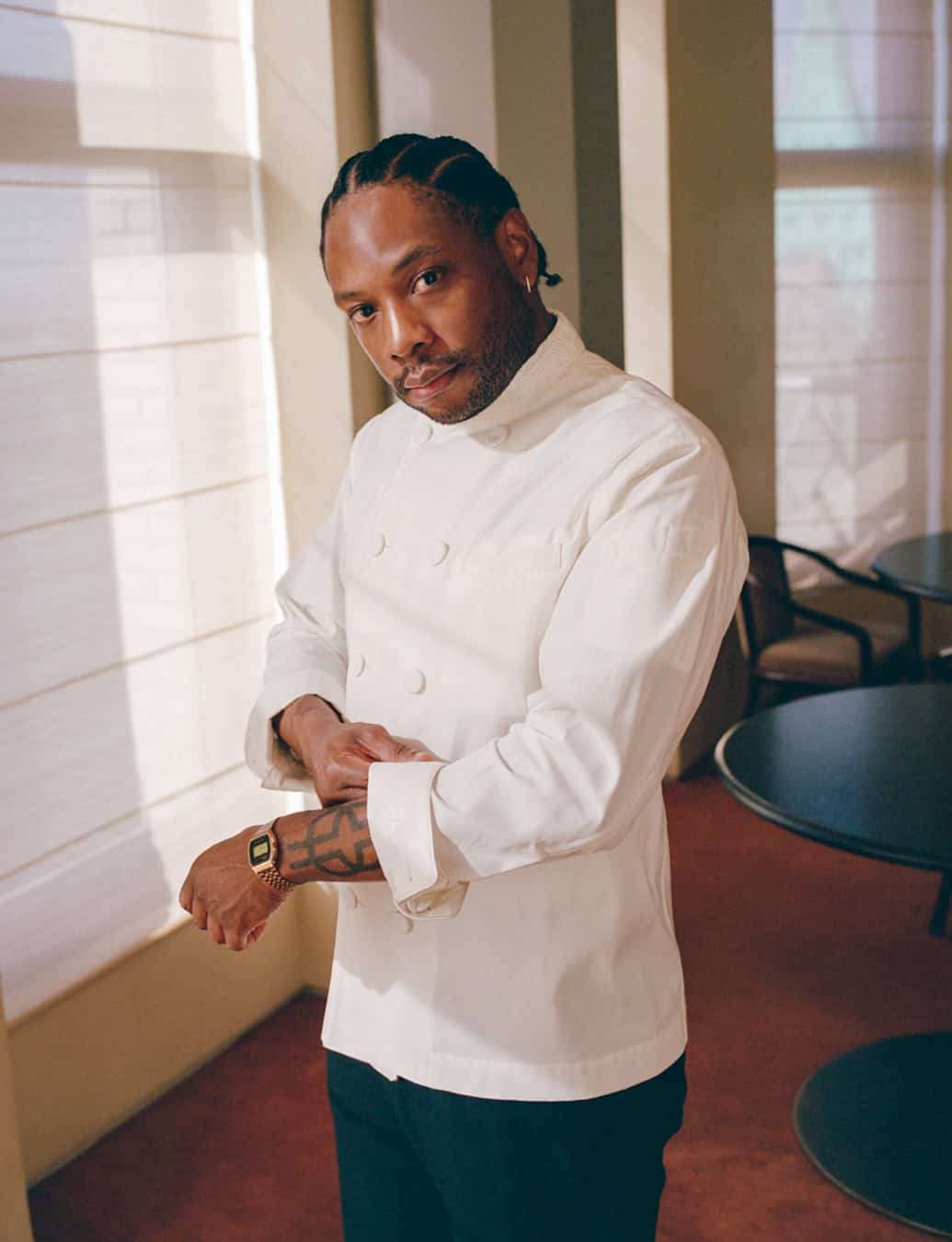
CHARLIE MITCHELL, CHEF
Instagram: @chuckgood / @saga_nyc
As executive chef of the now-closed Clover Hill in Brooklyn Heights, Charlie Mitchell won the 2024 James Beard Award for Best Chef: New York State, and the restaurant received a Michelin star, the first helmed by a Black chef in the city to do so. With these accolades under his belt, it was a surprise when, last year, the rising star decamped for the restaurant Saga, located on the 63rd floor of a skyscraper in Manhattan’s Financial District.
“When you first get some success or momentum, people ask: is it the chef’s food or the restaurant’s?” Mitchell says. “I’m continuing to find and discover ‘my’ cuisine.”
“That’s probably the biggest difference in the food I do now,” he continues. “I’m a little bit more edgy in some ways and a little bit more of ‘This is my personality.’ Sometimes it’s like, is your food super Japanese? Is it super French? If you put corn on it, it’s like, ‘Oh, are you doing soul food now?’ And I’m like, ‘Yo, I’m just doing the food that my team thinks is fun to cook with.’ It’s food I’m inspired to cook or ingredients I’m inspired by. When we reopened, the food shows all of that: some dishes are very French, some dishes have a lot of Japanese inspiration, and some can have clear ties to my childhood, how I grew up eating.”
That could express itself as, say, a caviar service that includes cornbread, a thing he ate growing up in Detroit, or a whoopie pie for dessert. “I always try to find ways for our dishes to remind you of something you had before,” he says. “So you can connect to it.”
Mitchell’s approach to fine dining includes all the small details involved—the music playing in the room, or the style of service. He recalls, for instance, playing his own old school R&B and soul playlist during brunch at Clover Hill, which got a positive response. “Music became a way I could speak to guests,” he says. Service, he says, is best when the staff can “be human and have humility and show some personality.”
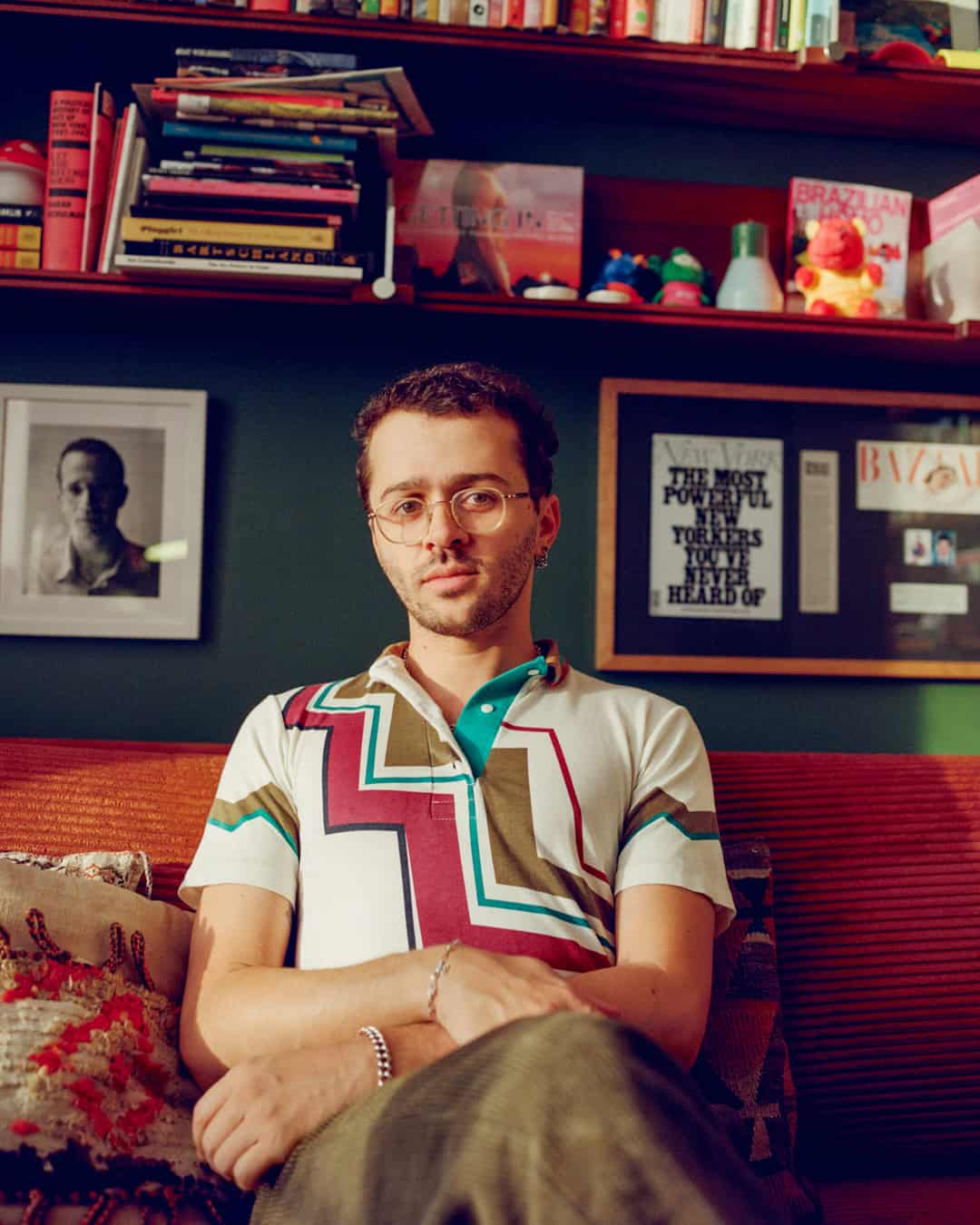
JACKSON HOWARD, BOOK EDITOR
Instagram: @jaxonhoward
The first book that blew Jackson Howard’s mind was Toni Morrison’s 1970 novel The Bluest Eye, which he read in high school. “Just the depth of emotional impact for storytelling, in terms of how it loops and weaves in and out,” he says. “It’s not that I didn’t know books could do that, it’s just that I had never immersed myself in fiction that wasn’t a required canonical American text. It made me realize I could feel new feelings when reading.
“Her books are about race and womanhood and class and all these things,” he adds. “But they don’t tell you how to feel.”
A voracious reader as a child, thanks to his mother’s encouragement, Howard is now a senior editor at the publishing house Farrar, Straus and Giroux, an imprint of Macmillan. There, he likes to publish “books that feel accessible and can also remind people they want to read challenging and perspective-altering things.”
New York magazine last year summed up his literary output as “queer, experimental, and generally difficult to get past the fusty old guard of publishing,” but he puts his mission this way: “What I can do is, hopefully, make things seem cool enough or vital enough. Then, within that Trojan horse [I can smuggle in] surprising, challenging, or interesting storytelling.”
At the tender age of 31, Jackson is responsible for publishing complex and exciting works by the more interesting authors on the literary scene today, skipping around from genres and styles. Marquee names like Catherine Lacey, Judith Butler, and Bryan Washington come to mind, but he’s equally adept at championing emerging voices. His authors have racked up nominations and/or wins for prestigious awards like the Booker Prize, the National Book Award, the Kirkus Prize, and the PEN/Faulkner Award for Fiction.
Despite dire news about the general state of reading, Jackson is hopeful. “Books are always going to be cool. Every time I go into an indie bookstore, it is packed to the gills. Every time I go to an event at McNally Jackson or wherever, it is completely sold out. I know that people want to engage. And on a personal level,” he adds, “there are so many more types of books I want to publish.”
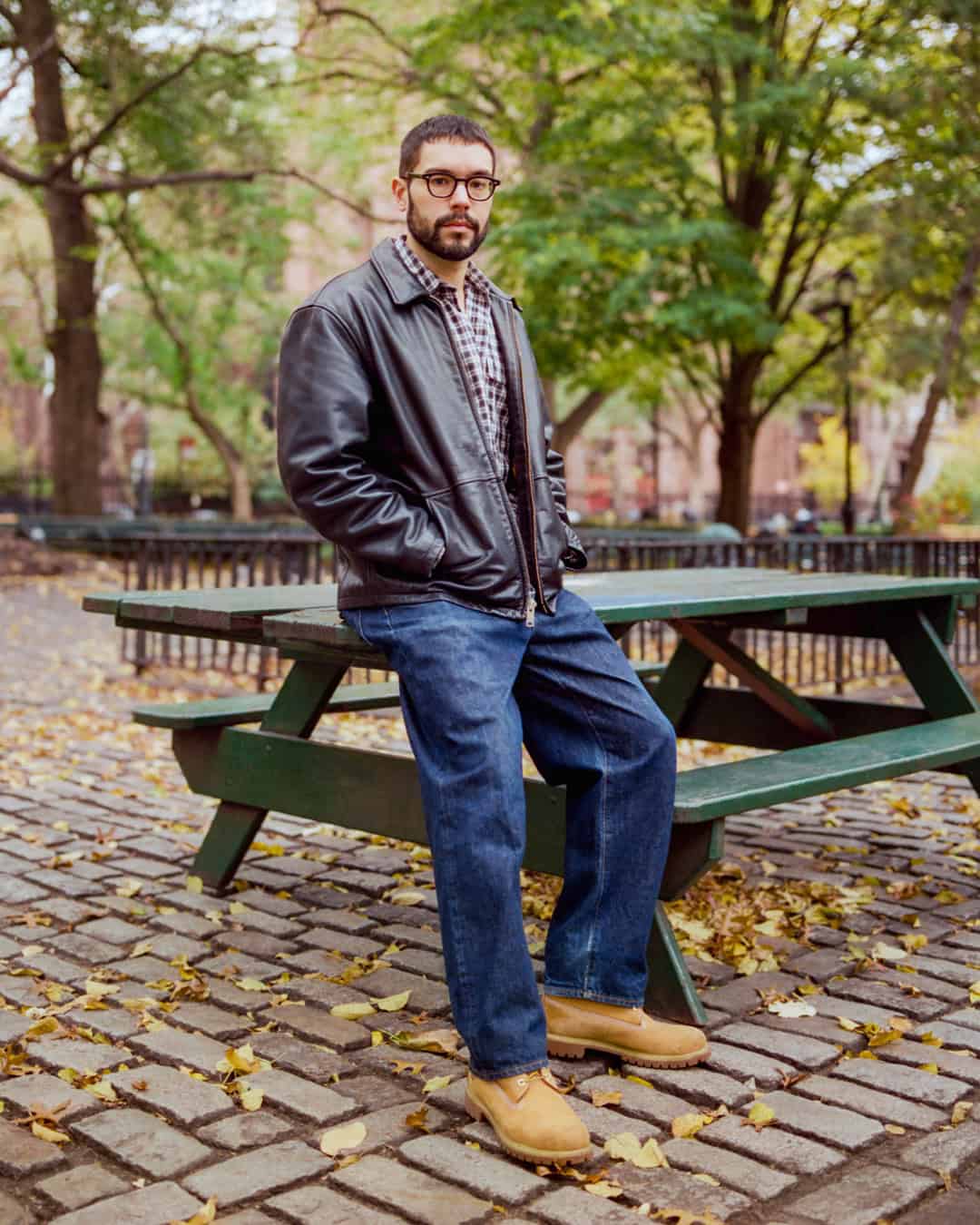
NICO MAO, CASTING DIRECTOR
Instagram: @nico_mao
Growing up, Nico Mao’s interest in fashion started with magazines and photography, and later, looking at fashion shows on style.com. He became familiar with models like Gemma Ward and Lara Stone, the latter of which he recalls being “a chameleon, but also very much herself. She has her own essence and presence, even when she transforms.”
Mao followed fashion closely, but didn’t consider it as a career for himself until he moved to New York for school. An internship at a magazine led him to a job at a modeling agency, before he moved over to casting. Now he works at the influential boutique Midland Agency, known for its unconventional and often street- cast talent.
“We can adapt pretty easily,” Mao says. “We can do directional or something more commercial. Part of casting is about your own personal taste, but at the end of the day, it’s about delivering what a client needs.” Casting is an unsung part of fashion, as the models can impart a certain mood onto a collection or editorial. Still, it’s one of the more intangible aspects of the runway experience. Keeping in that vein, Mao is elusive in his and Midland’s role (he works with high-profile clients and would prefer to keep their collaborations close to the chest). They have, however, cast for everyone from Carolina Herrera, who appeals to a society girl, to the downtown cool kids of Eckhaus Latta.
Mao says that some designers are hyper-specific while others are more receptive to ideas.“I always like an open- ended brief because then you can just interpret it,” he says. “When I was working at the agency, I was emailing casting directors all day and I would see the brief and want to be involved in the creative process. I feel lucky to have a creative job that’s also a creative outlet for me.”
While fashion can be intimidating to onlookers, Mao says that a model can be the human element which draws an outsider in. “Someone might not be well-versed in photography, or styling, or design, but people know faces,”hesays.“Soiftheyseeanadoranimageandthey connect with the face, the model, or the casting, I feel like that is the entryway to learning more about the brand.”
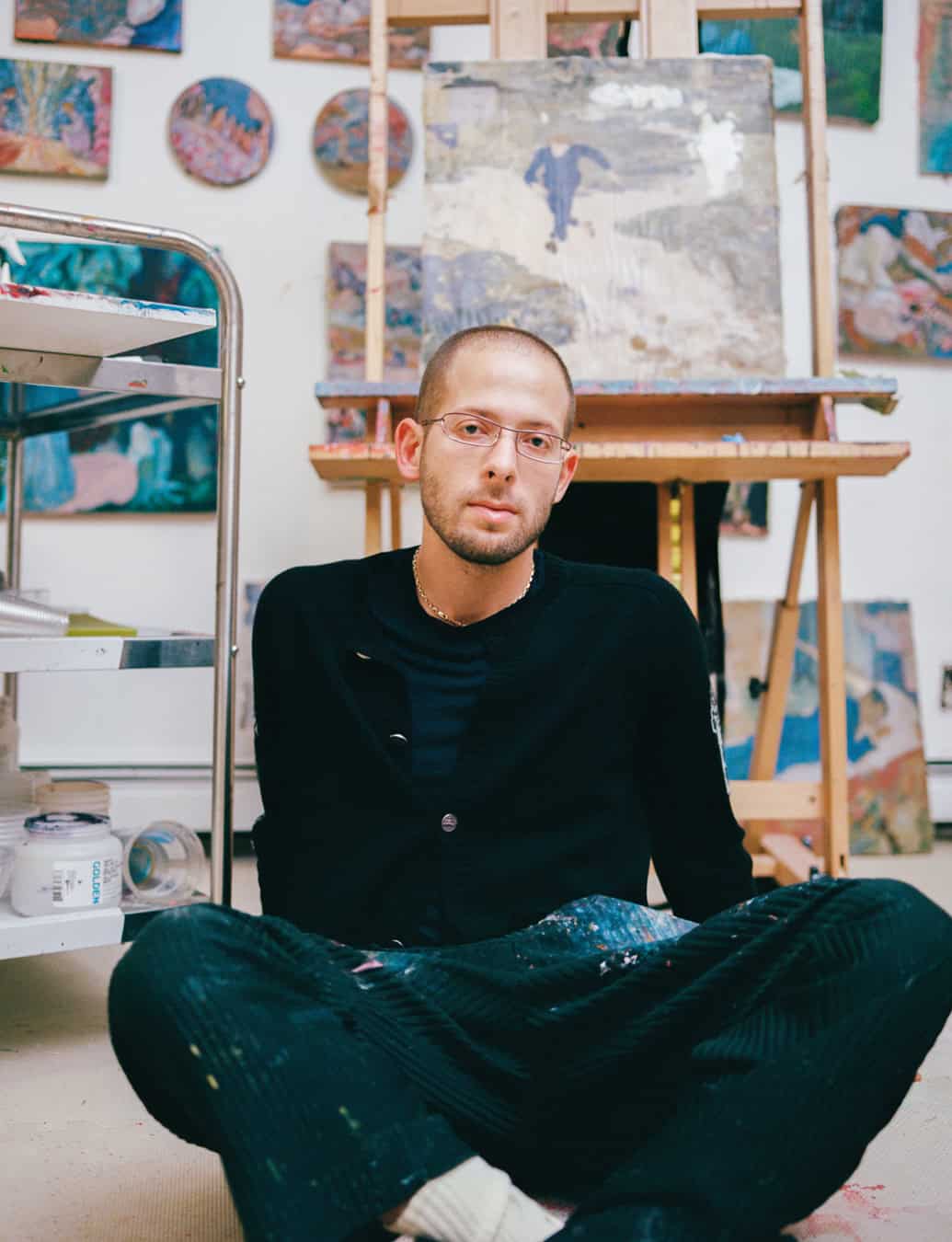
ADRIAN SCHACHTER, ARTIST AND DESIGNER
Instagram: @adrianschachter / @adrian.cashmere
Adrian Schachter considers himself, first and foremost, an artist, and his brand, Adrian Cashmere, an extension of his painting and ceramics practices. “I think of myself as an outsider fashion designer,” says the son of longtime downtown New York art world luminaries Kenny and Ilona Schachter. “Painting, for me, is more alchemical, messier, and more of a tightrope walk. When I design clothing, even though I think of myself as the primary wearer, I’m always more aware of the dialogue with other people, [as they’ll] have this intense physical interaction with the clothes,” he adds. “Painting feels more personal.”
Adrian Cashmere’s strength is in its youthful energy, upending the traditional reverence and respectability associated with fine knitwear. Consider it Brunello Cucinelli’s wayward, chaotic cousin. Styles come in blotchy dyes or are decorated with whimsical hand- drawn illustrations of flowers, or mythical iconography. Others are made to mimic the SoCal skater look of a short-sleeved T-shirt layered over a thermal, and his louche lounge pants have found fans in Bella Hadid, Justin Bieber, and Kyrie Irving (the designs are unisex).
“Since our main ingredient is a ‘noble’ material, I like to think it can be injected with quite a lot of playfulness without losing this sense of luxury,” the designer says. “In my mind, I treat the clothes as art objects, and maybe that imbues them with a further feeling of luxury. There is a meticulousness in how they’re composed and how the details are considered, which is serious and rigorous— but if I take them too seriously, they won’t be good.”
“I want people to feel emotionally comfortable in my clothes,” Schachter adds. “A lot of pieces are visually loud and have an exteriority. But there are lots of little details you can’t really see unless you bring them close to you, unroll an edge. I like to think there’s room for the wearer to wear the clothes for themselves as well as use them to engage with their surroundings. I heard once that Andy Warhol used to wear stacks of jewelry under his discreet leather jackets. That’s the energy I want to tap into for my wearers—if they want it.”
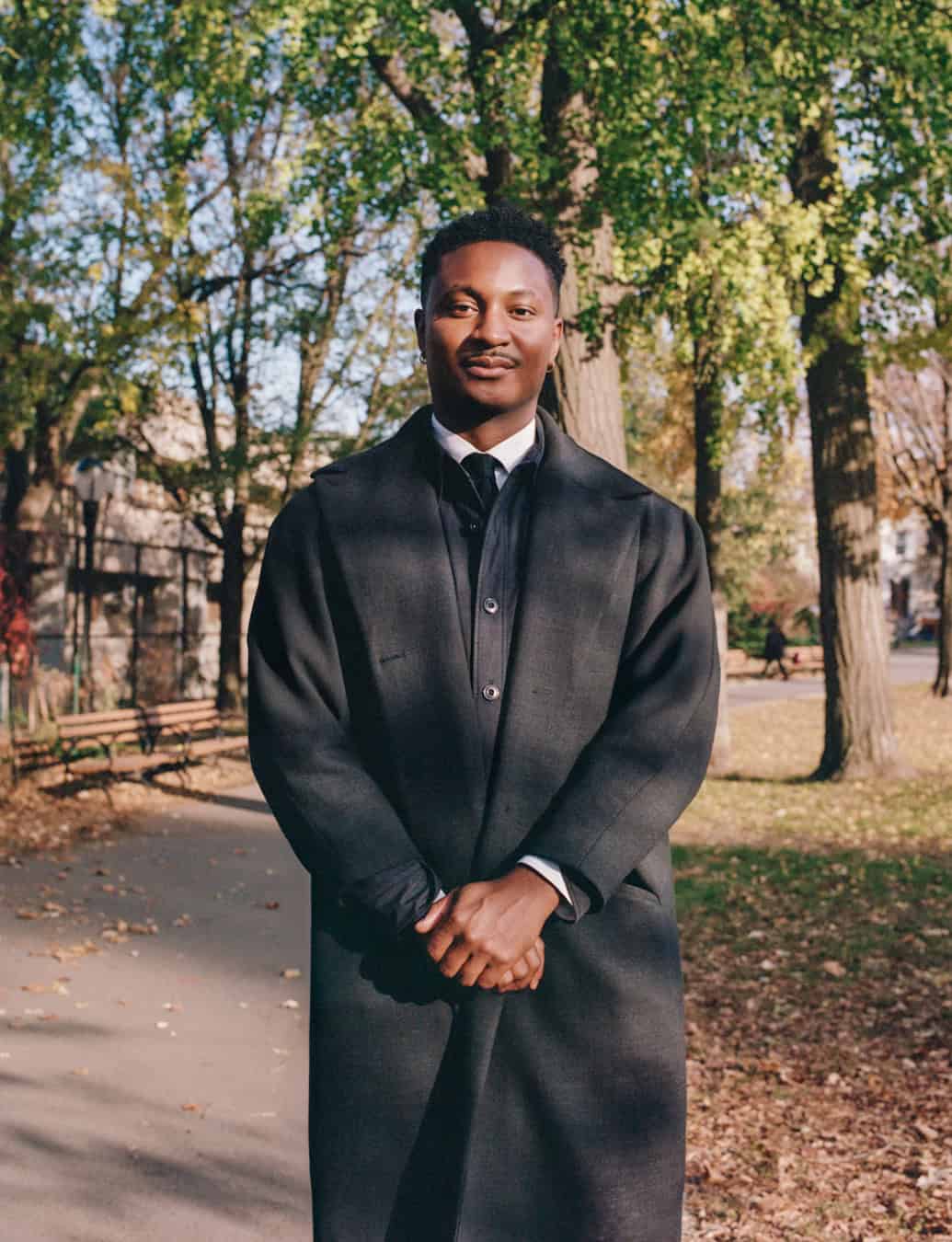
CHI OSSE, POLITICIAN AND ACTIVIST
Instagram: @chiosse
At 27, Chi Ossé is one of the youngest elected officials in New York—and one of its most visible progressive voices. As city councilman for Brooklyn’s 36th District, Ossé has built a style of governance that blends policy, advocacy, and fluency in social media.
His political ascent is often linked to the upheaval of 2020, but Ossé traces it further back. He was “fascinated by Obama’s run in ’08,” not only by policy but by “how politics makes people feel, how it can build a sense of community that yields to fighting back.”
In the wake of George Floyd’s murder, Ossé joined and organized protests across NYC, propelled by the feeling that “we had nothing to lose.” That pushed him to run for office, despite limited experience. “I don’t know every single thing about politics,” he remembers thinking, “but I have this desire to see change.”
Since taking office in 2021, Ossé has focused on housing and tenant protections, notably through his role in advancing the Fairness in Apartment Rental Expenses (FARE) Act, which bans broker fees paid by tenants. Long stalled by real estate lobbying, the bill became a defining victory. He credits an unorthodox strategy: social media. By translating policy into short-form videos, he turned an opaque issue into a populist cause.
Ossé is clear-eyed about the limits of the medium. Those videos, he argues, struggle with nuance. The next frontier, he believes, is streaming: long-form, real-time visibility that punctures the opacity that alienates voters. “Streaming is going to be the future in terms of how politicians communicate,” he says.
In his downtime, Ossé is an avid weightlifter (current deadlift: 487 pounds), a hobby that doubles as a rebuttal to right-wing caricatures. “I hate the narrative that progressives are snowflakes,” he says. That candor, relatability, and sense of humor may be the sign of a new wave of politics. Take, for example, his response to the question of what makes a good politician today: “You really just have to give a fuck,” he says.
Asked about his biggest lesson and challenge, he plays coy. “There are no permanent friends or enemies in politics,” he says. Then he smiles. “I think I’m going to leave it at just that.”
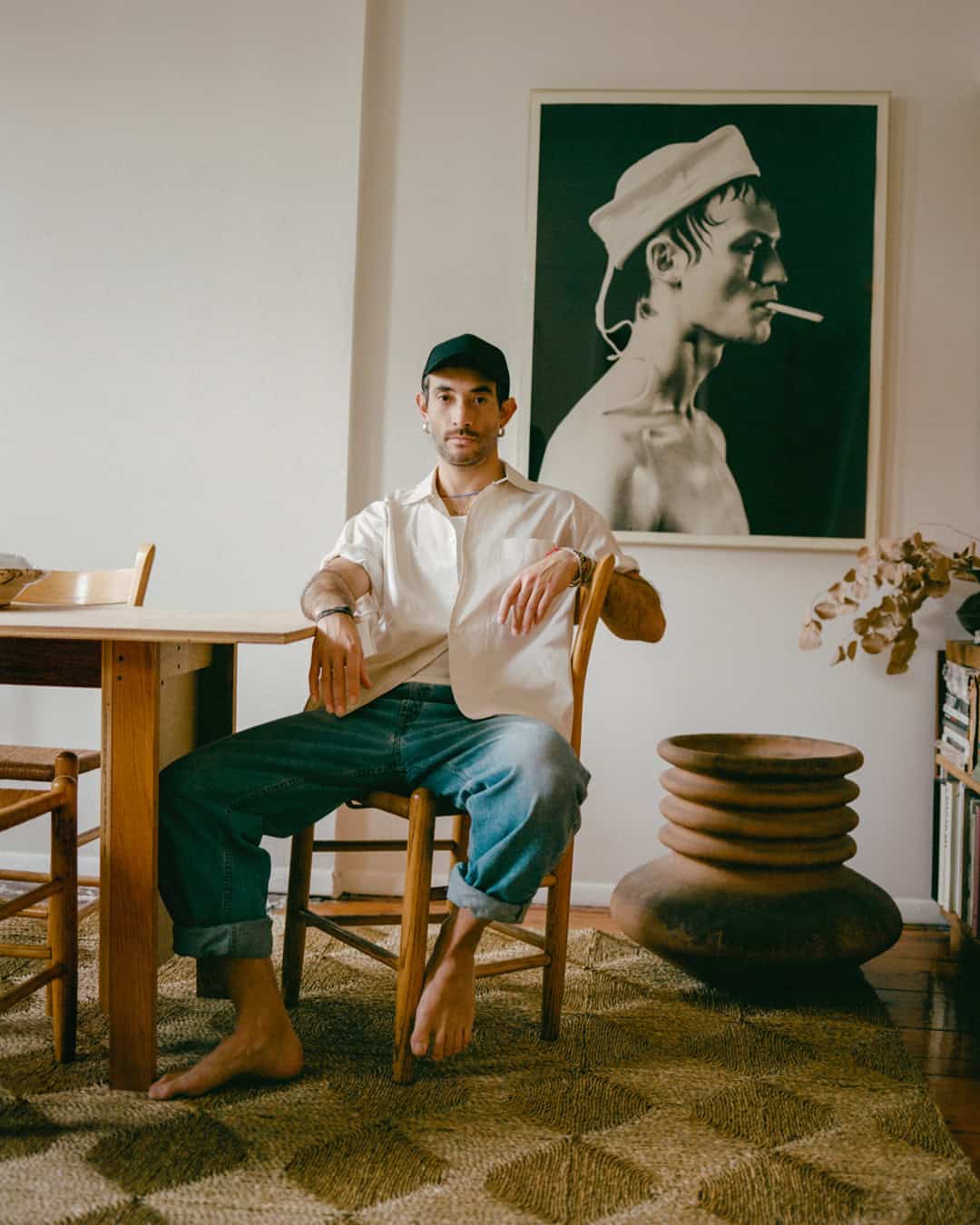
JULIAN LOUIE, DESIGNER
Instagram: @juleslouie / @aubero__
When Covid hit, Julian Louie’s life came to a standstill: his design work and busy travel schedule came to a halt, and he went through a breakup. He escaped to a friend’s house in Tucson for six months, where he rummaged through the basement of the storied shop Desert Vintage, finding garments that were too damaged to be sold. “I thought, as long as the world is quiet, I’m going to get my hands on some material and see what happens,” he says. “It was the purest creative time in my life.”
The result was Aubero, launched in the fall of 2022. Louie, a longtime womenswear designer, started from his personal experience. “Something with an immediacy,” he says. “And that I could relate to.” This yielded a collection of upcycled garments and patchworked pieces, an assemblage of rich textures and unexpected juxtapositions, like deadstock tulle dresses reimagined as quilted jackets. Surfaces mimic nature or invoke jumbles of fabric. Silhouettes are laidback and inspired by Louie’s childhood in the sleepy surf town of Santa Cruz (think wrap skirts that reference sarongs and surfers wrapping towels around their waists). More commercial pieces include shimmery button-ups featuring antique ceramic, glass, and mother-of-pearl buttons placed in a grid, baggy fatigues, and oversized long-sleeved T-shirts. The pieces are poetic and soulful without being fussy.
“I can get very preoccupied with: do I like this? Would I wear it? Is it desirable to me? But I’m OK with that because it is, in some way, autobiographical,” he says.
Aubero has caught the eye of the industry—it’s sold at Bergdorf Goodman, IF Boutique and Ven. Space in New York, and Maxfield in Los Angeles. It’s been worn by Pedro Pascal and Louie has been a finalist for a CFDA Award, the LVMH Prize, and the CFDA/Vogue Fashion Fund. Last September, he staged a runway show and it was a highlight of fashion week. As someone who has tasted success before, he comes to Aubero from a more grounded place. “I remember feeling very certain that I wanted success in my youth,” he says. “I’m so grateful that didn’t pan out, because it set me up for something more interesting.”
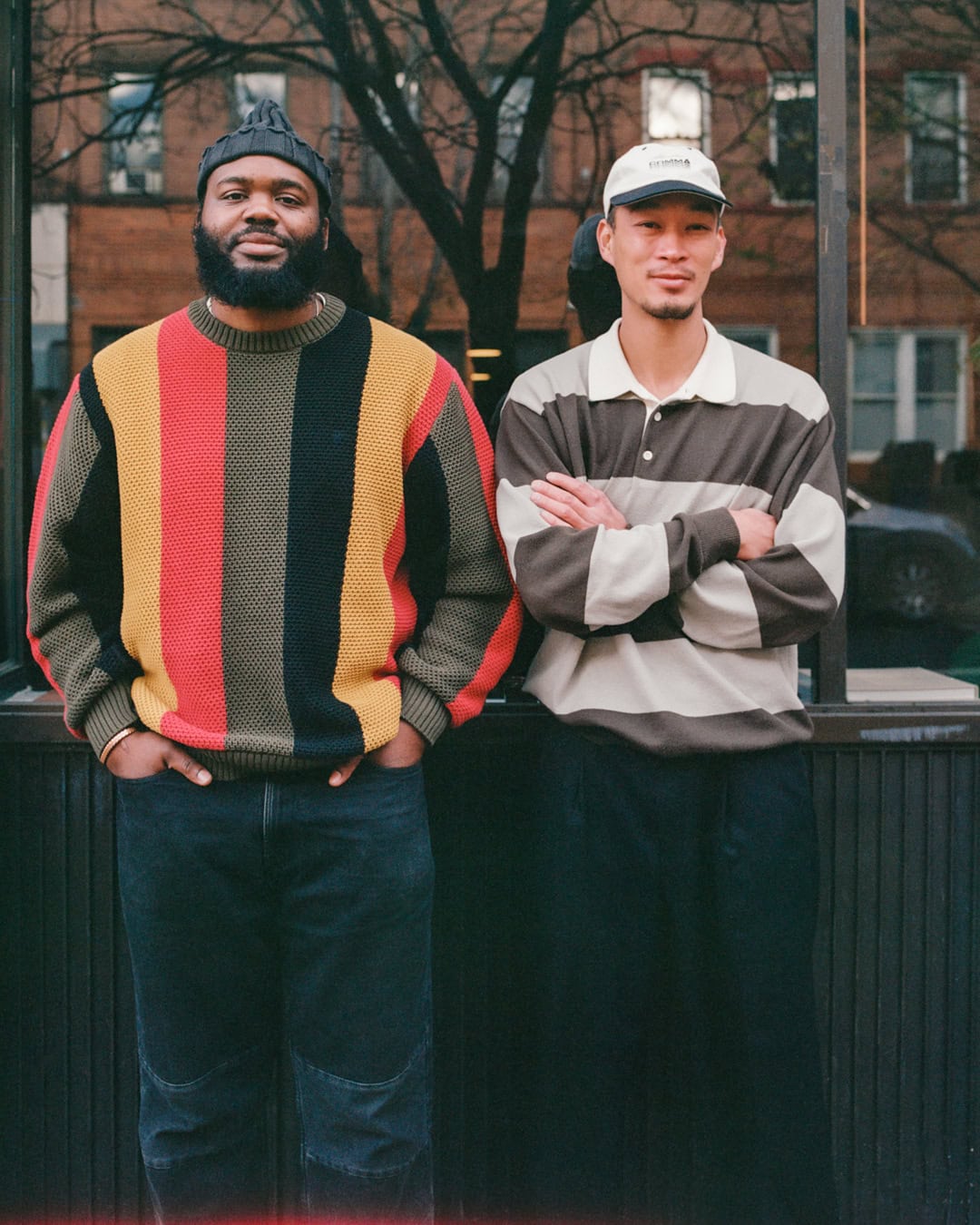
JARED BLAKE AND ED BE, FOUNDERS OF LICHEN
Instagram: @lichennyc
Fate and Craigslist brought Jared Blake and Ed Be together when they were side-hustling as furniture sellers to support their day jobs, Blake in fashion and Be in restaurant hospitality. They met, tellingly, during a furniture transaction and struck up a conversation, discovering they had much in common.
Now, the pair run Lichen, a furniture-design store that bounced around Williamsburg before settling in Ridgewood. “We’re not bogged down so much by eras,” says Be. “Some people lean into mid-century, some postmodernism, some brand names. We like a bit of everything, then we also enjoy the utility of something from Ikea. To have those things paired together looks good to us. I don’t think many stores are doing that.”
The result is a studio that offers a rare thing in the New York design scene: elevated style that’s democratic and accessible. Names with longstanding esteem like Knoll, Vitra, and Aalto sit next to their in-house line made with contemporary local makers like Aidan Elias and Alvaro Ucha Rodriguez (the latter’s plug-in light sconces are something of a Brooklyn IYKYK signature). “We had a feeling that furniture and fashion would merge,” Be says.
Core to Lichen’s success is the overused word ‘community’, but in this case, it feels apt. Drop in to the shop any weekend and you’ll find music playing, incense burning, and people plopped down on a sofa chatting amiably. This was inspired by their first storage unit, near Brooklyn Navy Yard, where another tenant would host clients and offer them homemade cookies and coffee. “It was, weirdly, a very special experience,” Blake says. “You’re buying something on Craigslist and you pull up thinking you’re going to throw cash and run, but it’s like, ‘Would you like a cookie?’ It disarms.”
Last September, the pair opened a secondary shop called FF&E (that’s fragrance, fixtures, and equipment) with Eric Mayes of the brand Fragile Glass.“This is what our future will look like,” Blake says of the new shop, which focuses less on furniture and more on smaller design objects. “It lets us be more nimble. It’s more self- sufficient with less labor.”
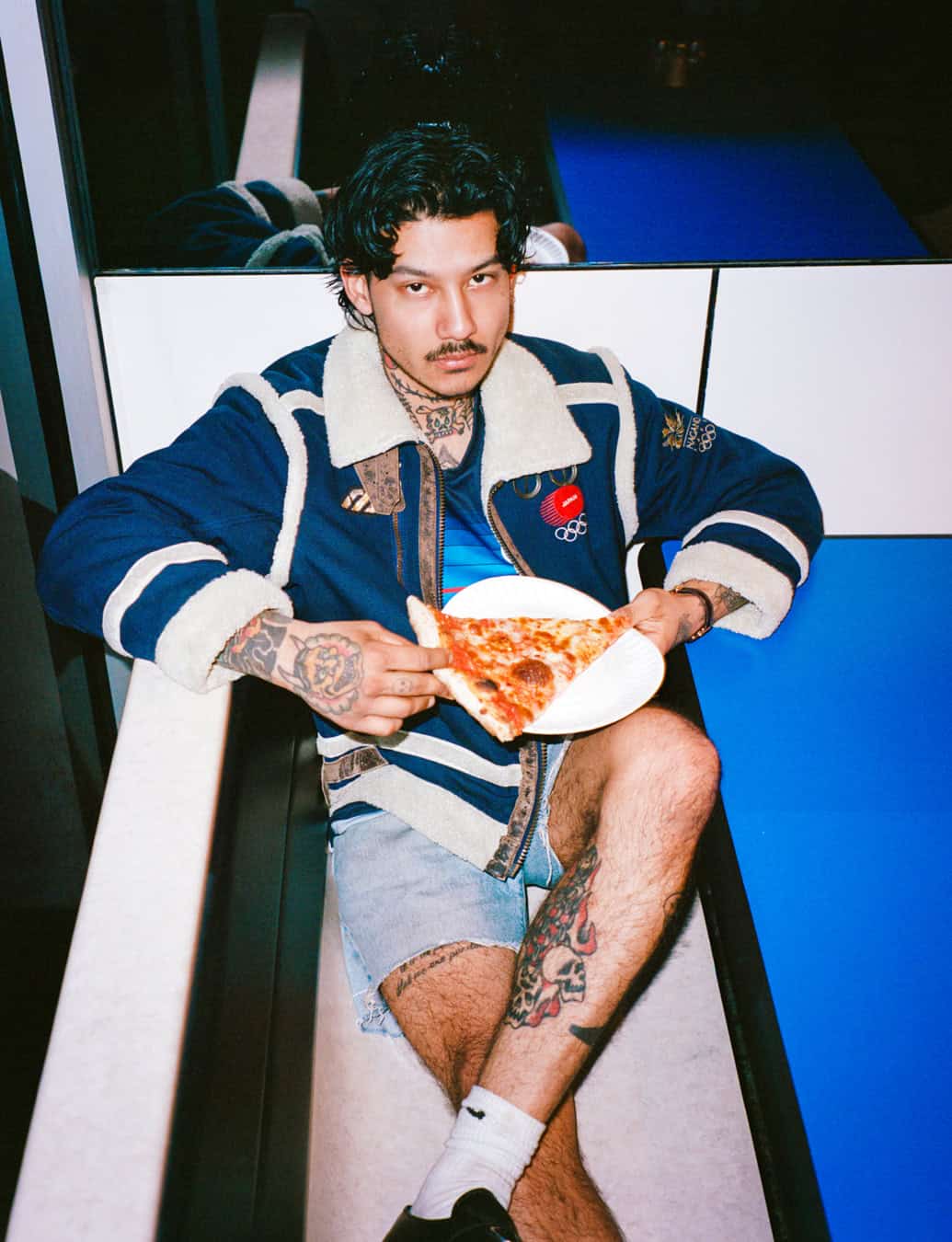
CHRISTIANO WENNMANN, MODEL AND PIZZA BOY
Instagram: @christiano.kei
Christiano Wennmann’s mom wanted him to go to college, get a degree, and work some office job. “I went and was, like, I can’t do this shit,” says Wennmann, who was born in Queens, of his brief stint in higher education. Instead, he dropped out, got a job in a restaurant, and ended up finding his calling—two, actually. “It was the first time I applied myself seriously,” he says of working in food hospitality. Plus, his many tattoos, which he has been accumulating since age 14, have precluded him from certain white-collar careers. “I can’t work at Goldman Sachs, I have neck tattoos!” he says.
We’re at Scarr’s Pizza, the popular Lower East Side pie shop where Wennmann works. He started throwing dough here four years ago, which required him to be visible from the street through the front window, an eye- catching advertisement for the slices within. He liked the work because it was physical, kept his mind occupied, and helped him make his way up the ladder—today he’s the head chef who develops recipes and opens new locations (there’s a second branch at The Venetian hotel in Vegas). Last winter, a local patron who worked for designer Willy Chavarria suggested he meet their casting director. Shortly thereafter, he was being photographed in his underwear for the designer’s 2025 campaign. Two weeks later, he was in Paris, walking in Chavarria’s runway show.
“I was nervous,” he recalls of that first shoot. “I never viewed myself as someone who’s attractive like that, you know?” Still, everyone on set was enthusiastic, and when he saw the photos, “I was like, ‘Oh, these are sick!’”
Wennmann has become part of Chavarria’s coterie of models—house muses, in a way—and has hit the catwalk for Colbo’s first show, and modeled for Timberland and Nike. “I’m pretty shy,” says Wennmann, “But modeling has helped build my confidence.” The model notes that while he has no intention of leaving his job working for Scarr’s, he is excited about the opportunities that a side hustle affords him. “I spent my life romanticizing Paris and, the first time I went, it wasn’t as a tourist, but to walk a runway show,” he recalls, as he starts his shift. “I was like, ‘How the fuck is this happening?’”
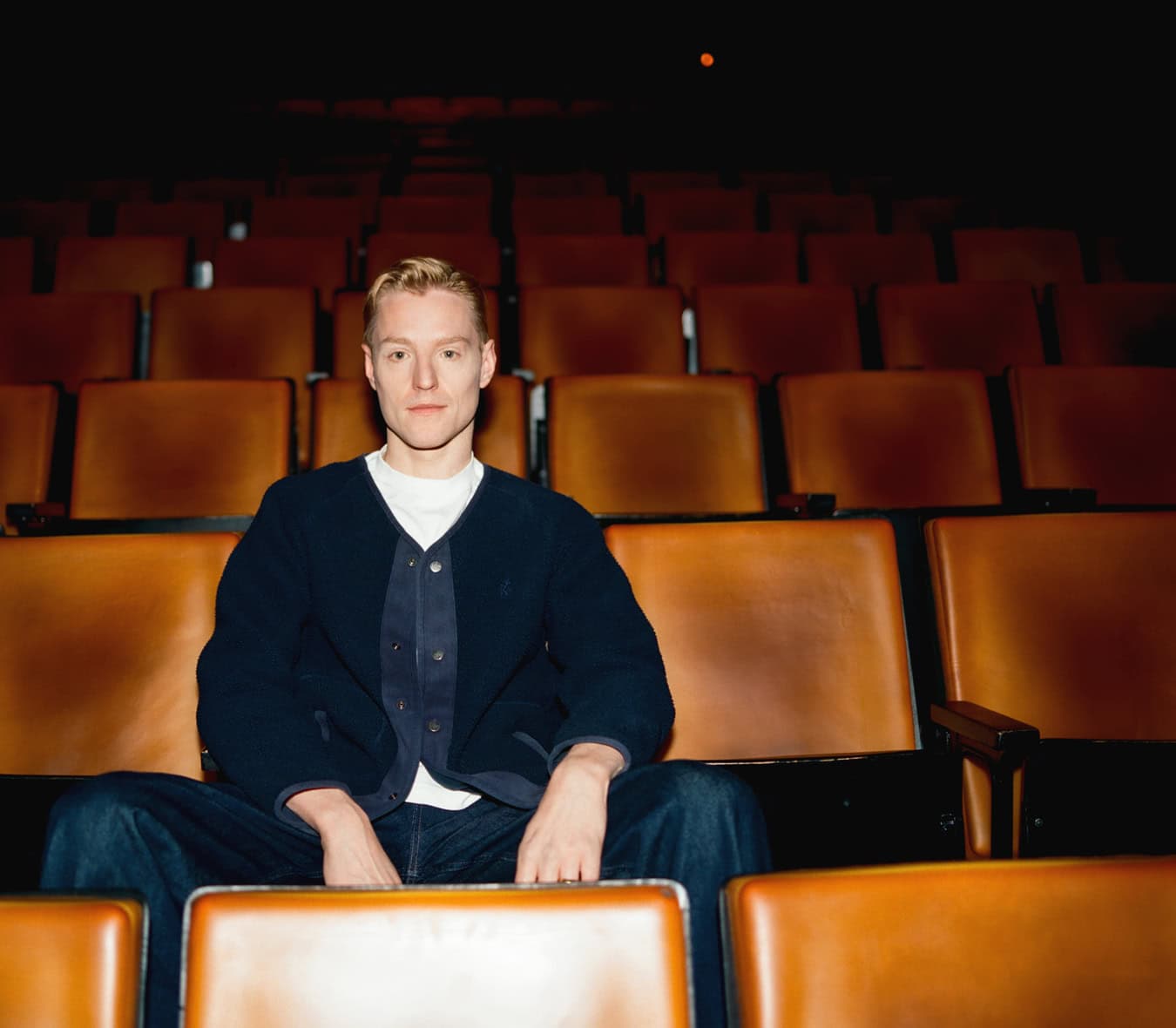
JOHN MCCREA, ACTOR
Instagram: @johnccreaofficial
The off-Broadway play Prince Faggot had New York abuzz last year because of its title, narrative thesis, and risqué scenes. The set-up: it’s the near(ish) future and Prince George—yes, that one, William and Kate’s eldest—is out, proud, and dealing with a profoundly fucked-up love affair.
At the center of it all is the English actor John McCrea with his strawberry blond hair and ocean blue eyes. His George is foppish, drug-addled, vulnerable, angry, and hopeless, and McCrea makes sure he’s always compelling. “It’s all in the writing,” he says. “And, in this play, he’s going through something specific. This is a hypothetical version of him, I try not to think about who [the real George] will become.”
He took to the script, by Canadian writer Jordan Tannahill, quickly. “The language is so well-written and poetic,” he says. “It’s really beautiful.” Other perks of the work were that McCrea had never played a gay character falling in love before, it was always unrequited or tragic—and this show gives him the chance to play a character from ages 17 to 30.
McCrea prepared by researching the royal family more broadly, trying to see and understand them not as symbols of monarchy but as a normal family living in extraordinary circumstances. “I enjoy doing the research,” he says. “You do try and let it all go by the time you get to the rehearsals. But it lingers somewhere.” In Prince Faggot, he falls in love with a young, politically radical South Asian university student, and that relationship, and its demise, sends him spinning. The play is soulful and shocking, with poppers, graphic sex, and bondage elements just some of the things McCrea’s George is engaging in.
While Prince Faggot makes it very clear that the play is built on a big hypothetical, McCrea’s performance is affecting because he finds truth and empathy in the situation.“I just keep thinking,‘What if this were true?’” he says. “He’s just a human being at the end of the day. They aren’t totally good or bad.”
Talks of a transfer to London, where McCrea is based, were going around, but the subject matter made producers there nervous. Though he does note that there is a prestigious precedent. “When people say, ‘Well, you can’t talk about the royals [like that].’ I’m like, ‘Well, Shakespeare talked about the royals.’ He said they were all fucking mad, which they were!
Taken from 10 Men USA Issue 1 – CLASSIC, NOSTALGIA, CRAFT – out April 4th! Order your copy here.
ON THE RISE
Photographer JAMES EMMERMAN
Talent JULIAN LOUIE, JOHN MCCREA, ADRIAN SCHACHTER, ED BE, JARED BLAKE, CHARLIE MITCHELL, CHRISTIANO WENNMANN, NICO MAO, JACKSON HOWARD, CHI OSSE, and ADRIAN DANCHIG-WARING
Text MAX BERLINGER
Production ALMA DE GANAY


