


14 October 2025 |
Five editors turned fashion entrepreneurs share their transformational tales.
Of all the lies that fashion magazines tell their interns and assistants, “never give up” might be the most pernicious. Art is built on change, after all, and not just within the constant churn of aesthetics—the people defining modern style have to keep growing too.
But walking away from a comfortable perch at a magazine or website is tricky at best and scary at worst. Leave too soon and you might lose the influence and connections that could help make your next venture a success. But shift too slow and you could end up clinging to your masthead title like shipwreck survivors do with driftwood. In that way, fashion media is a lot like Love Island couplings: The ultimate power move is knowing when to let go.
It worked for Jil Sander, who began her career at the German fashion magazine Petra in the 1960s, learning about the industry before creating her first collection in the early 1970s and eventually scoring an investment from Prada Group. It worked for Vera Wang, who unsuccessfully vied for Vogue’s editor-in-chief position in the late 1980s. (Anna Wintour got the job.) Wang left to work for Ralph Lauren, then created a small eponymous fashion line in 1990 that would turn into an empire. And it worked for Meredith Melling and Valerie Macaulay, who left Vogue in 2016 to begin the ready- to-wear line La Ligne with Rag & Bone veteran Molly Howard. The label is now a top seller at Net-a-Porter and Shopbop.
Next up? These five fashion shapeshifters, who all started their careers behind the pages of magazines before flipping the script on success and becoming designers and brand founders themselves.
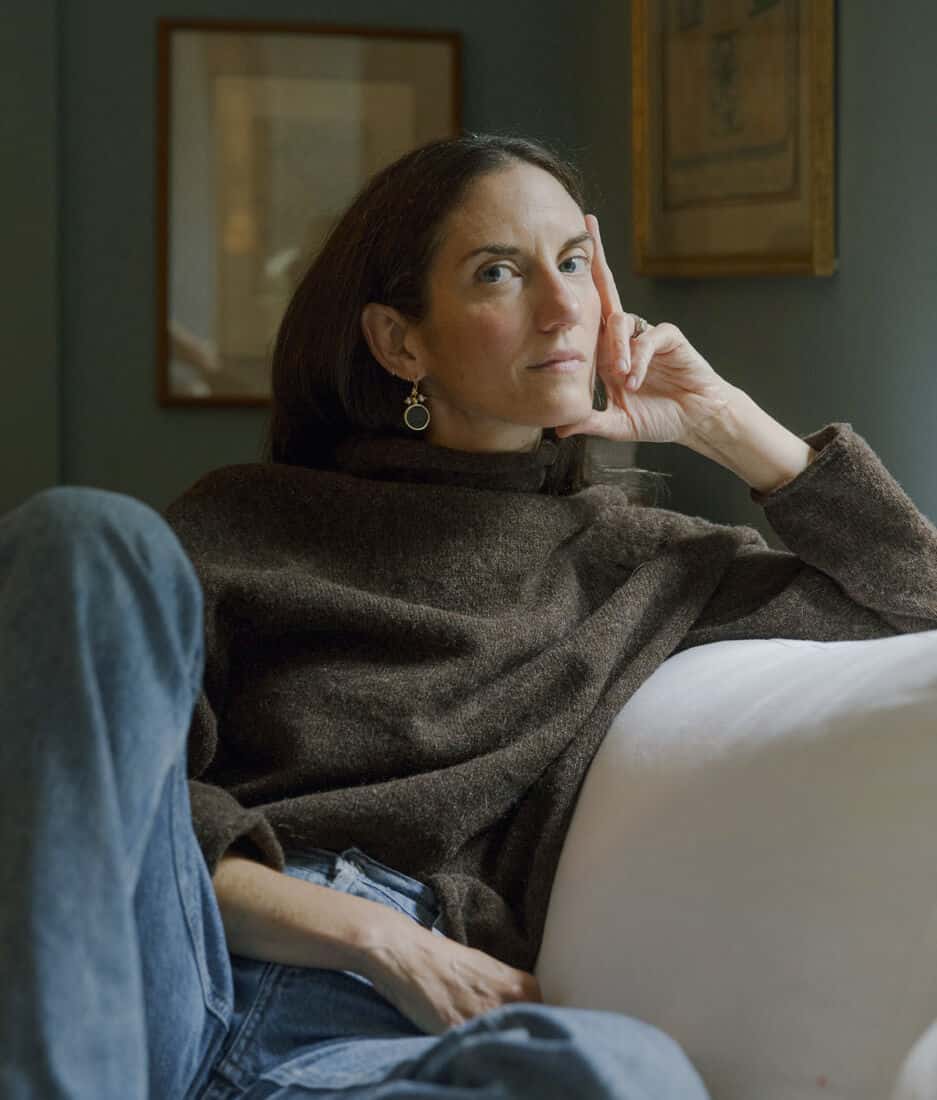
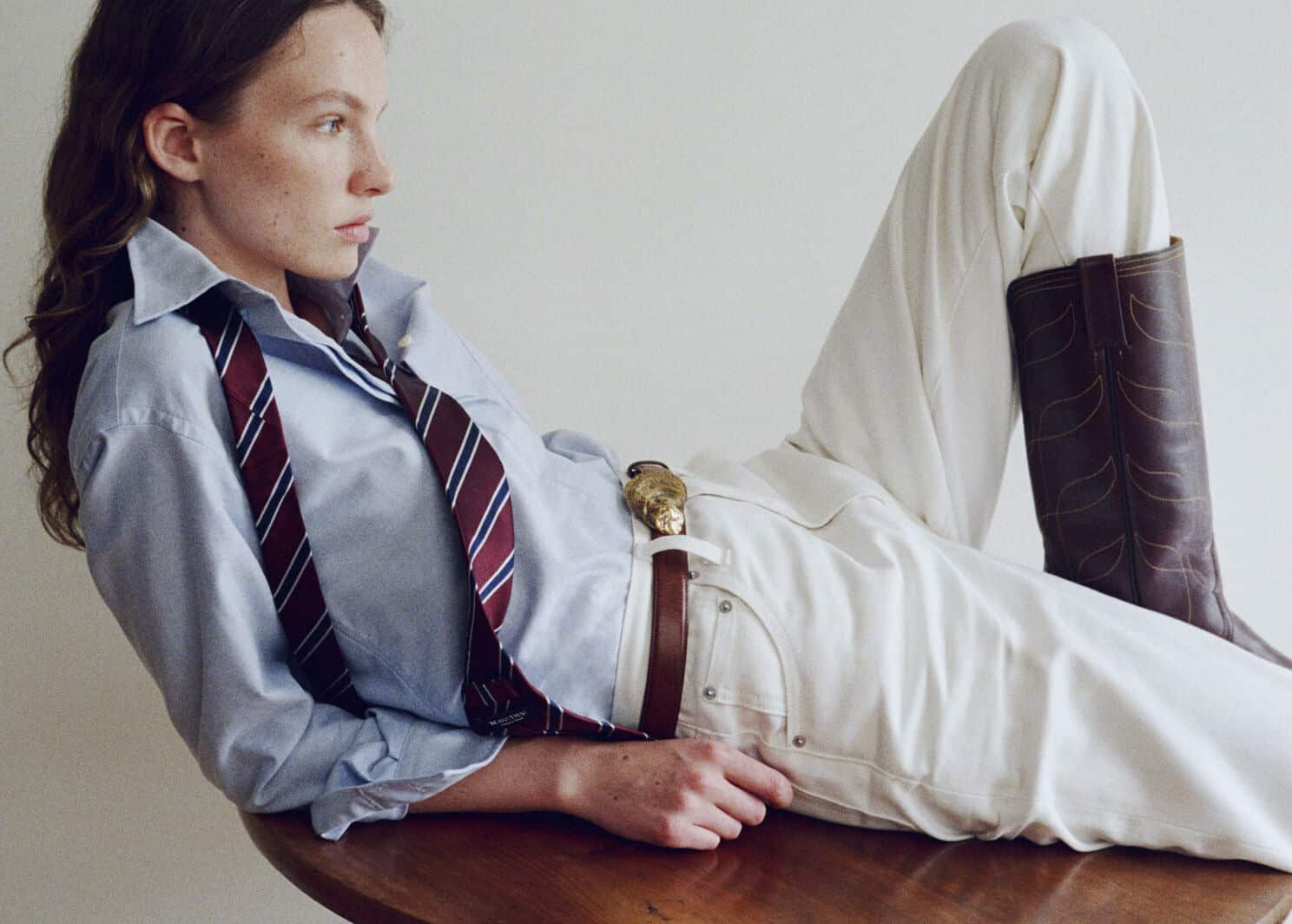
MELISSA VENTOSA MARTIN, OLD STONE TRADE
Instagram: @oldstonetrade
oldstonetrade.com
PAST LIFE Raised by her grandparents in Staten Island, Melissa Ventosa Martin used fashion as a way to world- build in her childhood. “I was alone a lot,” she says, “so I would go through my grandmother’s scarves and necklaces and try to create this dream universe.” After college, Ventosa Martin worked as a fashion assistant and later a stylist at Glamour, before moving to Self, T magazine, Travel + Leisure, and Departures.
“I always loved the storytelling piece of doing a fashion shoot,” she says, noting it reminded her of childhood. “But once I started working for Travel + Leisure, I was seeing fashion through more of a cultural lens. Any opportunity I had to travel and go to a different place, I would try to find the thing that place was known for.” In Rome, Ventosa Martin walked into the storied Atelier Bomba and ordered a custom dress modeled on its shopkeepers’ uniforms. “It arrived three months later at my desk at work,” she says. “I felt so confident knowing that it was made for me. And I loved how it wasn’t identifiable like a big brand. That moment was when I started dreaming of Old Stone Trade.”
Ventosa Martin admits that leaving her job for a not- yet-built brand was daunting, but somehow not scary. “It just had to happen,” she says. “I knew it would be hard, but I knew it would be beautiful, and that was more important.” She began the brand in 2021.
NEW WORLD Ventosa Martin treated her new business venture like a fashion spread she was tasked with styling. “I sat down thinking, ‘If you want a handmade wardrobe, what’s in it? It’s a blouse, blazer, skirt, shoe. Then I researched, ‘Who is making these pieces in the best way?’” She did the same thing for her business: “Get a Squarespace account, get a Stripe account, negotiate with the artisans, do a photoshoot, buy ads, call press.”
Ventosa Martin used her own savings to fund Old Stone Trade’s first collection of highly crafted pieces, including kilts from Andrea Chappell and blouses from Loretta Caponi. “I was lucky, because I had press contacts from all my years as a press contact,” she says, laughing. “But learning the business side of things, of course that took a lot of time.”
IN THE NOW During its first four years of business, Old Stone Trade’s sales have tripled and its first home base, a studio that doubles as a retail site, has opened in a 1909 Manhattan townhouse. This month, the Scottish kiltmaker Chappell will have an on-site residency to meet pleat-curious shoppers, demonstrate her techniques, and fulfill custom orders.“We’re still more of a platform than a fashion label,” Ventosa Martin says, “but I’m not ruling out an in-house collection down the line. Right now, though, I kind of feel like an art gallery owner. I love sketching clothes, but for me, the whole purpose of Old Stone Trade is to change how people shop. We want you to pause before you buy something. Things cost what they do because they take so much time. Your favorite outfit,” she says, “should be a really big purchase, and it’s OK if you want to wear it every day. I mean, in the fall, I could live in a gorgeous, well-made kilt! And not just because I went to Catholic school.”
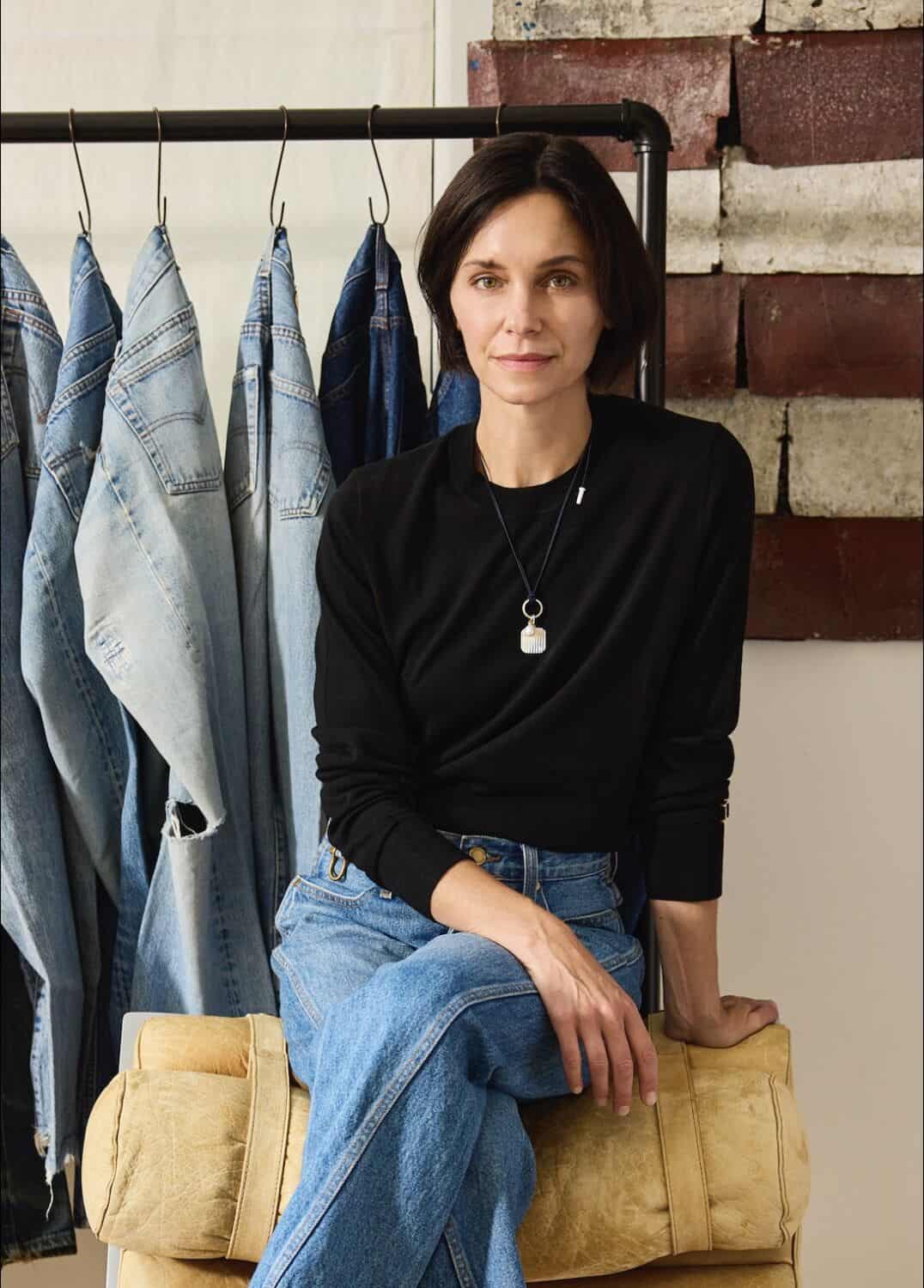
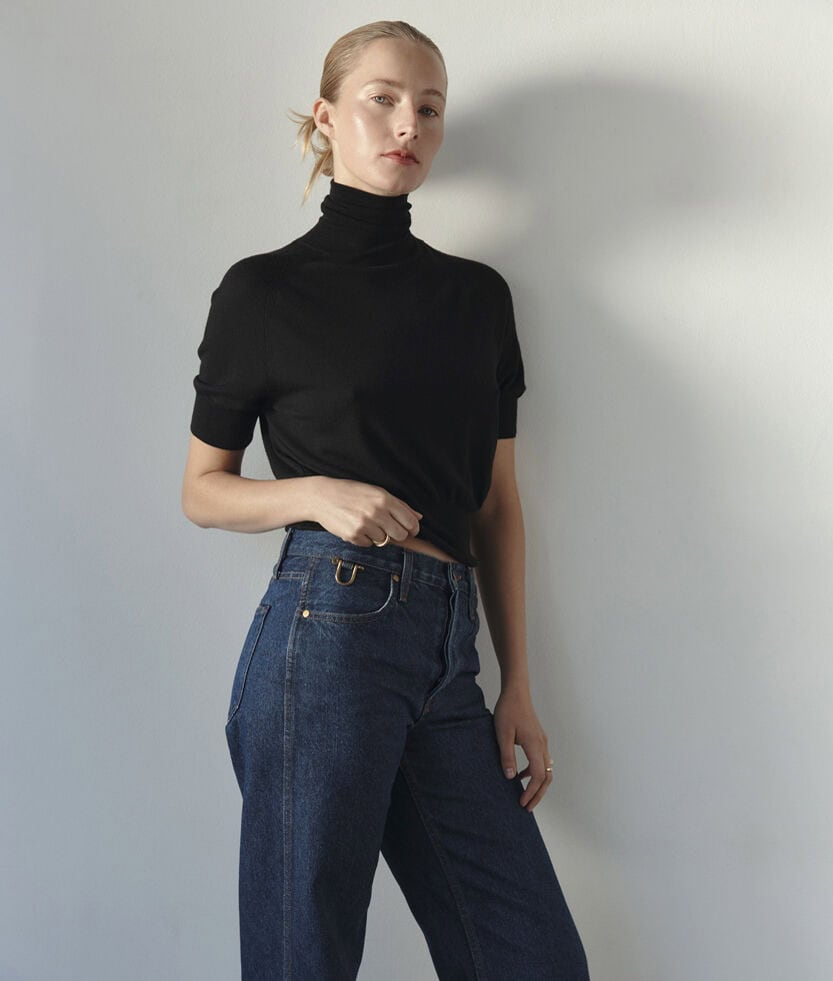
JANE HERMAN, THE ONLY JANE
Instagram: @theonlyjaneco
theonlyjane.com
PAST LIFE “I always loved fashion, but I thought I had to do it everyone else’s way,” says Jane Herman, a Los Angeles native who grew up working in the stockroom of her family’s clothing boutique. (Her father is the retail maven Ron Herman; her great-uncle is Fred Segal of Clueless shopping fame.) “I was also determined to be a writer,butagainIthoughtthatmeantfollowingascripted career path. College, internship, magazine job, the end.”
Herman dutifully checked off the boxes—graduating NYU, starting in the fashion closet at Elle, writing style news stories for Vogue—and though she loved the work, she found herself growing anxious, and even a little angry, at the disconnect between the fashion fantasies she created in magazines and the reality of shopping for jeans with just $50 to spend. “I like to take a job that will teach me something I don’t already know,” she says. “And I realized I didn’t know how a lot of women found their clothes and fell in love with their clothes. I felt compelled to learn that.”
Herman left Vogue for Gap in 2010, then worked for The New York Times and Travel + Leisure before rejoining Vogue as branded content director. “I realized I could fill in that space between shopping and storytelling,” she says. In 2017, she became Theory’s editorial director, but something still wasn’t right. “I loved working there, but my job didn’t make sense in my life anymore. I really struggled with what would make sense and then I realized, ‘I have to make something myself.’ And that thought was so scary.”
NEW WORLD Herman began The Only Jane just after leaving Theory. “I had grown up selling jeans, loving jeans, but I was so intimidated by them. So I made a jumpsuit first.” For many women in 2020, it was the jumpsuit—comfortable and easy to wear, but with a crisp collar that looked business-adjacent on Zoom. The piece came in black, ecru, gray, and cornflower blue, and 30 percent of its original retail price ($485) went to pandemic-strained food banks in Herman’s native California. “I sold that jumpsuit over and over again for two years before I made anything else,” she says. “I wanted to make sure it was perfect.”
Herman credits her former jobs in journalism with giving her the confidence to walk into sample rooms, fabric showrooms, and factories and ask questions that helped her meet deadlines, save cash, and avoid botched sizing. “Even growing up in the industry, there was a lot I didn’t know about manufacturing,” she explains from her home in LA. “But one thing I absolutely did know was how to get a ton of information from strangers, because that was my entire job as a fashion news writer!” Herman also decided her brand would have an out-and-proud editorial component instead of just a hidden founder blog tucked into her website’s “About us” section. She began a Substack newsletter, Jane on Jeans, in 2023. “I can’t turn that part of my brain off,” she says. “But I don’t think the customers want me to, either. I mean, jeans are stories.”
IN THE NOW The Only Jane now makes three cuts of denim, including the relaxed-fit Georgia, named for Herman’s seven-year-old daughter, and the straight-leg Sally, for her former formidable boss, Sally Singer. (“She called me and said she loved it, and that was maybe the biggest accomplishment of my career.”) Sweatshirts and knitwear are on the way, along with more denim styles, including jackets, shorts, and more.
“It’s easy to stay obsessed with denim because it’s always changing,” Herman says. “It’s this gorgeous, unpredictable fabric. You wash it or dye it a new way, and it suddenly turns into a whole different substance. At the same time, we’ve been wearing jeans for hundreds of years. When we wear jeans, we’re part of a story that keeps being told.” Speaking of stories, Herman is also planning a series of cross-country trunk shows to meet her Substack readers in real life. “It’s the most satisfying thing when someone comes out of a fitting room in a pair of pants you made and she looks amazing,” she says. “I want to keep doing that.”
MARINA LARROUDE, LARROUDE
Instagram: @larroude
larroude.com
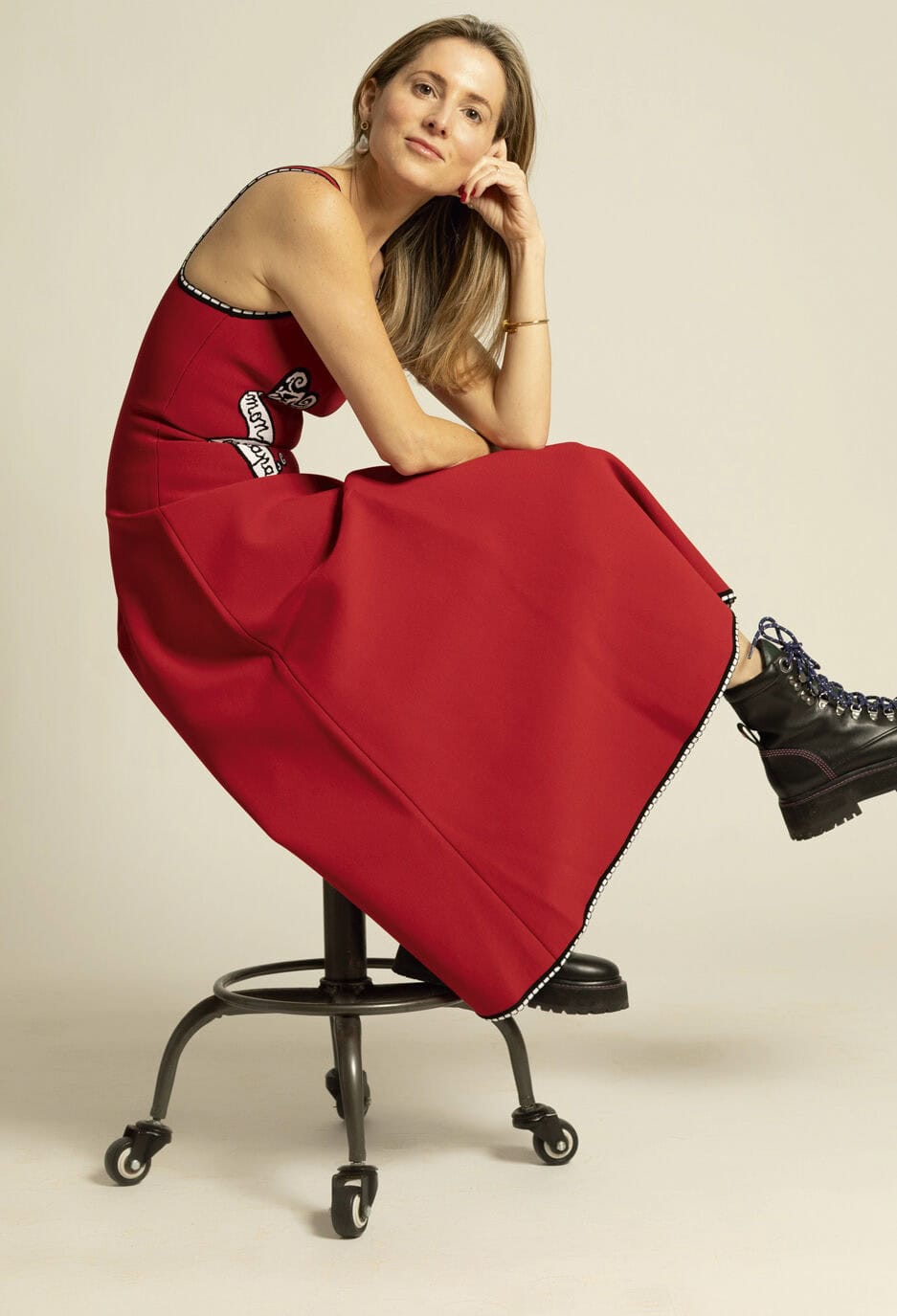
PAST LIFE As the fashion director of Teen Vogue during its luxury little-sister heyday, Brazilian-born Marina Larroudé had a front row seat to emerging brands like Altuzarra and Rodarte, along with rising industry talents like the makeup artist Isamaya Ffrench and stylist Kate Young. “I was hearing so many other designers’ stories as an editor,” she explains. “Their successes. Their not successes. I launched Aquazzura back in the day. I remember when Tamara Mellon launched Jimmy Choo. I also saw a lot of designers like Mary Katrantzou and Christopher Kane, who created incredible collections but eventually wound down their lines. They’re amazing talents. I would ask myself, ‘What went right with one business but not the other?’ Because the talent is equal. I would even ask if I could do stories about that,” she says, laughing. “But that wasn’t exactly part of my job. They were like, ‘Interesting. Don’t you have clothes to pick out for this shoot?’”
Larroudé knew that magazines couldn’t nurture every one of her personal goals, so she kept track of them in notebooks stashed inside her desk drawers. Eventually, she went to Barneys as the retailer’s vice president and fashion director. “I was only there for a year,” she says, “but it really expanded what I knew about how people shopped, not just how they read about clothes in magazines.”
NEW WORLD Like many fashion professionals during the Covid-era lockdowns, Larroudé found herself out of a job, along with her husband, Ricardo, a former financial executive for brands like Anheuser-Busch. While many of us were swiping through cloud bread recipes, Larroudé started researching the kind of colorful, whimsical footwear she adored using in photoshoots but couldn’t find for under $1,000 once she tried to buy them herself.
“Options for cool shoes were either $2,000 at Gucci or $75 at Zara,” she sighs. “There was no in between. And I was like, ‘This is it. There’s an opening. Let’s fill it.’” Ricardo researched inventory procedures and factory investments, while Marina began meeting with technical designers and sketching her own ideas. Then the two made a game-time decision to mortgage their home in order to start the business. Was she scared? Larroudé shakes her head. “Back then, in a sense, I had nothing to lose.”
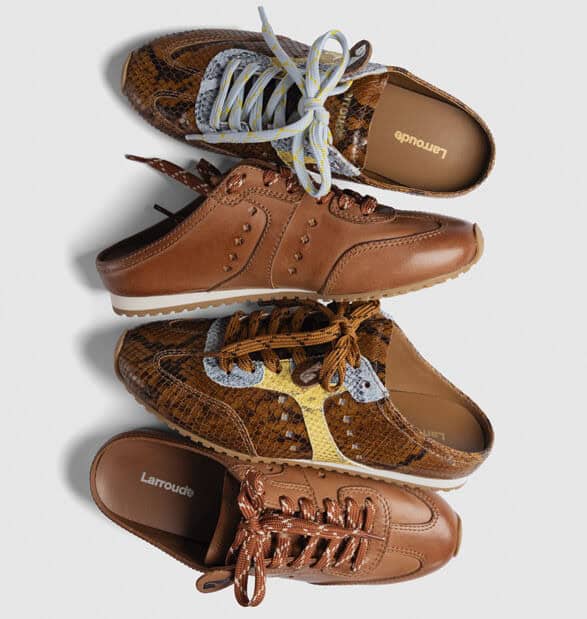
Larroudé’s first designs included the Kate, a knee-high boot in leather with the high shine of a glossy magazine page, and the Miso, a platform clog stamped with motifs like tiny daisies or Hawaiian-shirt garlands. Early fans included Zoe Saldaña and Taylor Swift.
IN THE NOW Today, Larroudé has over 550 employees, which includes those at her fully staffed factory in Brazil, and sells her shoes (including the OG Miso and Kate styles) at retailers like Bloomingdale’s and Neiman Marcus. “I am still learning every day,” she says, citing her latest big launch, the Venice mule—a slipper-like shoe with a wide, floppy upper and rigid sole—as an example. “When we launched it in December, I was obsessed with it, but it wasn’t a top performer… Well, this summer, Jonathan Anderson did his first Dior show with the same kind of mule. Phoebe Philo added one to her lineup. And I realized, ‘OK, I was still thinking like an editor.’ I wanted to be first. But the shopper hadn’t caught up yet.”
Larroudé has added crystal-studded leather and leopard-print calf-hair options to the lineup for fall, and kept the original black suede version, which—at $350— comes in about $1,000 below Philo’s asking price. It is now sold out in over half its sizes.
ISABEL WILKINSON SCHOR, ATTERSEE
Instagram: @attersee
shopattersee.com
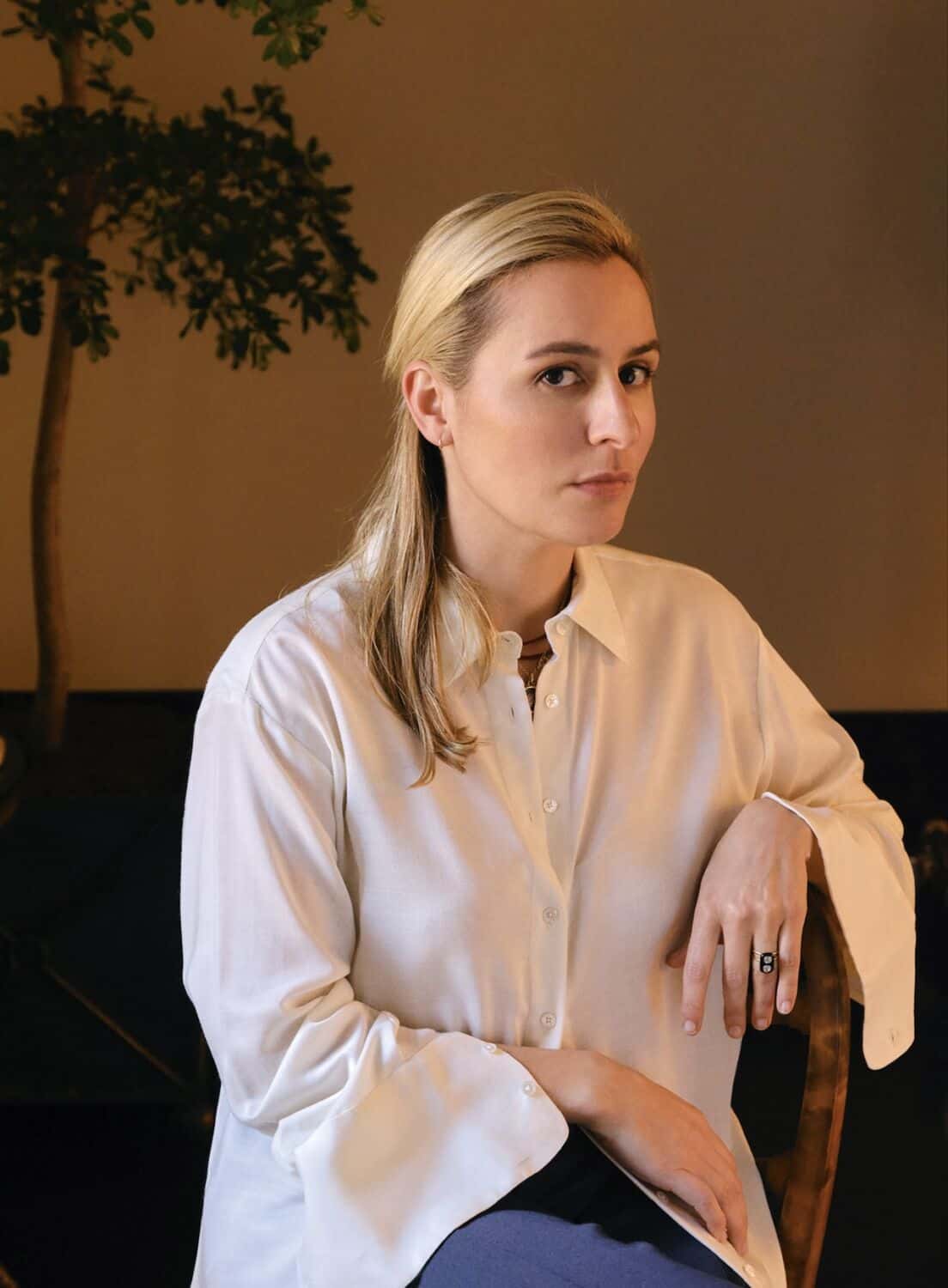
PAST LIFE “I had these jobs that were very fashion- centric in organizations that sometimes thought fashion was an alien thing,” says Isabel Wilkinson Schor, who reported on style for general news publications like the Daily Beast and Newsweek, before becoming an editor at The Cut and T magazine. “On the one hand, that was incredible, because it allowed me to explore fashion from all of these other perspectives. On the other hand, it meant I never wanted to dress ‘corporate,’ but I also wasn’t going to show up in head-to-toe Gaultier runway. That wouldn’t have been my style anyway.”
Eventually, Wilkinson Schor became so frustrated with the lack of “wearable, adult options” for women with vivid viewpoints but grounded working lives that she began sketching some clothing for herself. “It was as simple as, ‘Can I please have a pair of great trousers that I can wear every day, and that don’t hurt when I sit down for long stretches of time. Can I please have a dress where the button at the back doesn’t itch whenever I move. Like, how can I make this happen?!’”
The challenge became an obsession; the obsession became a new career plan. In 2019, after months of careful research, meetings with pattern cutters during her lunch breaks, and frank talks with other independent, New York-based designers about how they were making it work, Wilkinson Schor gave T editor Hanya Yanagihara her resignation letter. “I loved what I did so, so much. I was sad to leave, but actually I wasn’t nervous. I knew if I didn’t try, I would always wonder, ‘Could this have worked?’ I just had to try.”
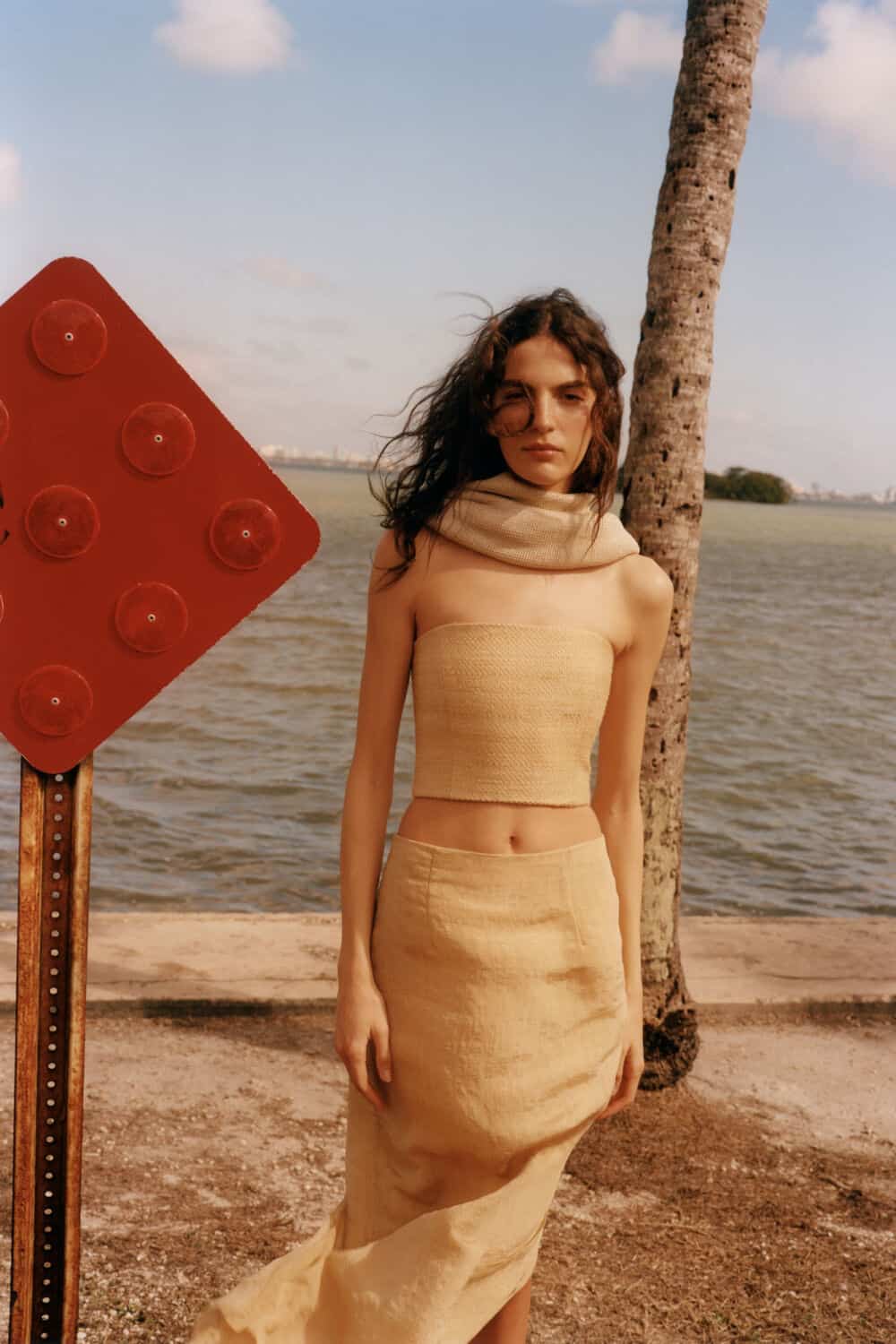
NEW WORLD Wilkinson Schor named Attersee for the German lake where the artist Gustav Klimt would vacation with his dearest friends after long, arduous working sessions in Vienna. But though she “loves, loves” the artist himself, the brand has zero overlap with his gilded gowns and dresses. Instead, its first pieces combined the languid feel of a vacation with the minimalist eye of a Philo collector. They included herringbone tunics made from Italian cotton and linen, crisp poplin button-ups with oversized sleeves that curved at the edges like bells, and soft fringe dresses the color of a toasted baguette.
In the beginning, shirting was mailed to envy-inducing influencers like Laurel Pantin, upping their desirability factor even beyond their crisp fabrication and easy fit. Wilkinson Schor also leveraged her own former “work family” by landing early press in T magazine. “They were very supportive,” she admits, “but I don’t think I’ve ever been more nervous than when I showed them my pieces for the first time. These are the people I trusted and collaborated with for years. I was so proud of what I’d done, but it’s terrifying to show your clothes to people you admire!” Early adopters of the brand included Julianne Moore and Tilda Swinton, which furthered the mystique of the quietly cool label emerging from New York’s Upper East Side just after the pandemic.
IN THE NOW “One of the most amazing things is seeing someone wearing your clothes on the street,” says Wilkinson, who often encounters her own designs while strolling to her brand’s atelier. (A former fitness studio, it became Attersee’s office-cum-store in October 2023, with help from the in-demand architect Fabrizio Casiraghi, who consulted on the space via FaceTime. Other friends of the brand include the watercolor artist Wendy Artin, who supplied the label’s first print collaboration—robust, nude women happily swimming across a white cotton strapless dress—and Rita Nakouzi, the former global head of content at Christie’s, who provided a “wish list” of products to match her favorite Attersee dress. Newer celebrity fans include Sofias at both ends of the spectrum—Coppola and Richie Grainge— along with those Upper East Side women Wilkinson sees with comforting regularity on her walk to work.
MARIA DUEÑAS JACOBS, SUPER SMALLS
Instagram: @super.smalls
supersmalls.com
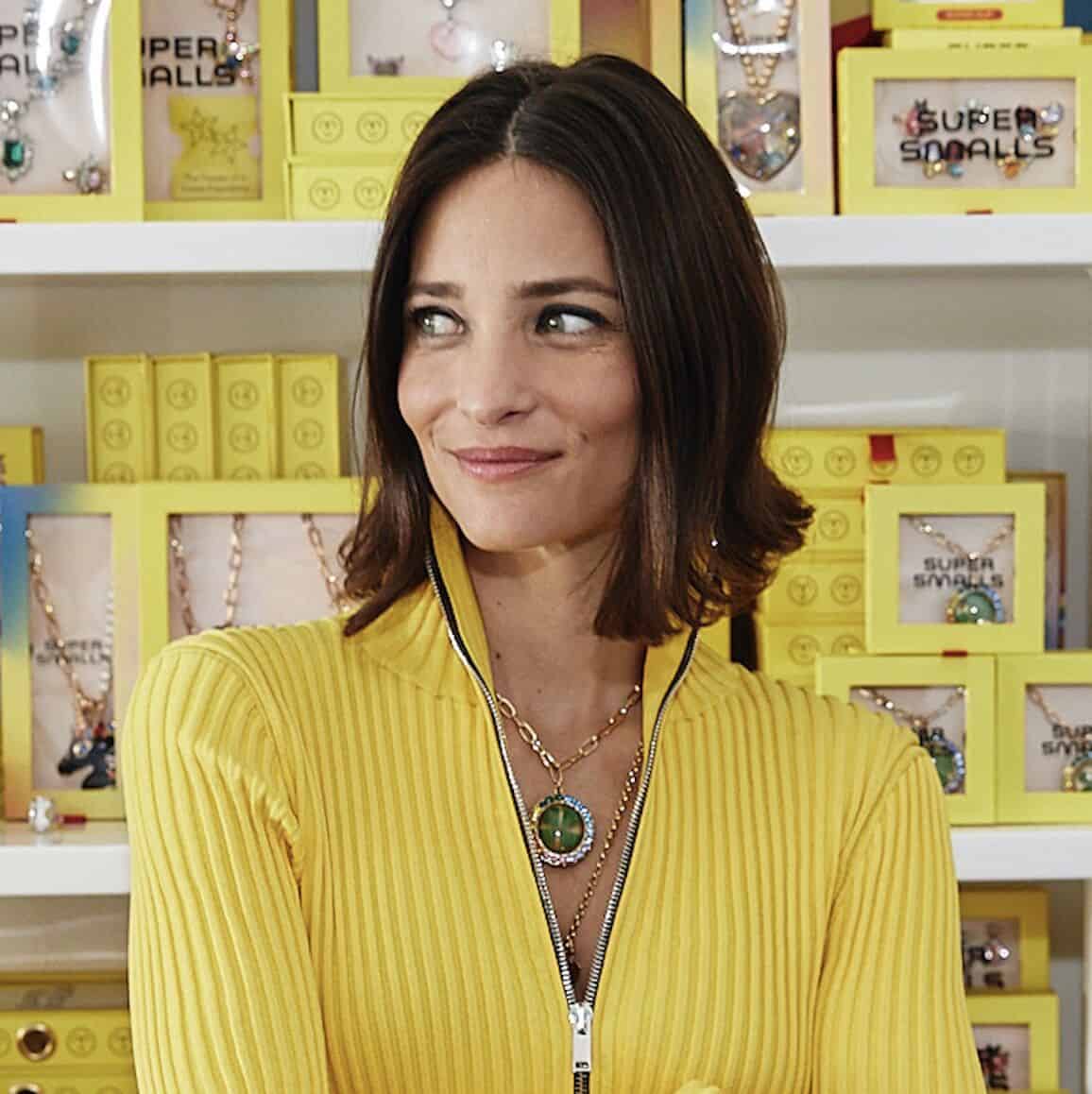
PAST LIFE Before hitting the Fashion Institute of Technology for college, Maria Dueñas Jacobs was a typical Miami teenager making collages in her bedroom with stacks of fashion magazines. When she began assisting Xanthipi Joannides, then the fashion director at Glamour, just after graduating college, Dueñas Jacobs knew she had found the path to her future. “During those years, I learned how to tell a story visually – and fast,” she explains. “You develop a sharp eye for what’s fresh, what connects emotionally, and how to make it shine.”
While climbing the ranks at Glamour and, later, Elle, Dueñas Jacobs was also navigating being a first-time parent. Through motherhood, she says, “my perspective matured.” It was time to look beyond the pages of the magazines she was helping to build and create something from scratch.
NEW WORLD In 2017, Dueñas Jacobs joined the online shopping and styling platform Stitch Fix, one of the first tech companies to center fashion. But she admits, “I’d always had the entrepreneur bug,” and two years later she left to build Super Smalls full-time.
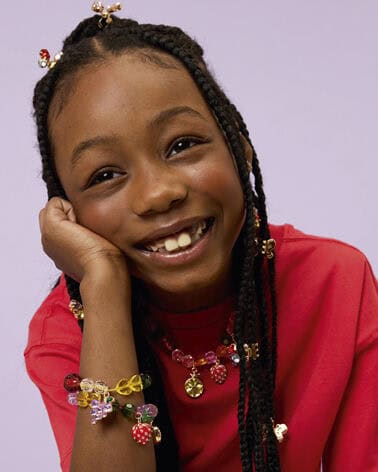
The idea began when she saw her daughter, Luna, who was five at the time, trying to take fine jewelry from her mother’s dresser and wear it as her own. “She wasn’t drawn to it because it was expensive,” Dueñas Jacobs says. “She was drawn to the magic, the sparkle, the feeling it gave her. That moment made me realize there was a real gap in the market—kids wanted to play with things that felt truly special, designed with care and imagination… I felt a pull I couldn’t ignore.” She began planning her new career the next day.
IN THE NOW Nearly six years after Super Smalls was launched, it has had partnerships with Disney movies like Moana and Frozen, along with a line of kid-friendly beauty items like lip gloss lockets, nail stickers, and face gems that account for about 30 percent of the brand’s surging sales. Ad campaigns feature children of all complexions and genders wearing its chunky bejeweled necklaces and studded rings, while a new partnership with Major League Baseball blends its glittering gems with team logos and tiny baseball charms.
“We never wanted to tell kids who our products are for,” Dueñas Jacobs says. “We wanted to show them that play belongs to everyone.” That especially includes her own three daughters, now aged 9 through 11, who have become accidental—but enthusiastic—business consultants on the line. “It opened up a dialogue with my girls I never expected. They became collaborators. That’s the best part.”
Taken from 10 Magazine USA Issue 05 – TRANSFORMATION, BIRTHDAY, EVOLVE – on newsstands September 18. Order your copy here.
Text FARAN KRENTCIL


