Milan men’s fashion week spring 2027 proved it’s not just a marketing slogan.
by Giulio Solfrizzi
Every season, someone, somewhere, declares the death of Made in Italy. Usually between a panel discussion on artificial intelligence and a debate about whether luxury has become too luxurious. Yet, wandering through Milan men’s fashion week this season, one couldn’t help but notice that reports of its demise have been greatly exaggerated.
Not because Italian fashion is standing still. Quite the opposite. The most convincing spring 2027 collections weren’t obsessed with heritage for heritage’s sake, nor were they desperately chasing novelty. Instead, they demonstrated something increasingly rare in luxury fashion: confidence. The kind that comes from knowing exactly who you are, what you do well and, perhaps most importantly, why it still matters.
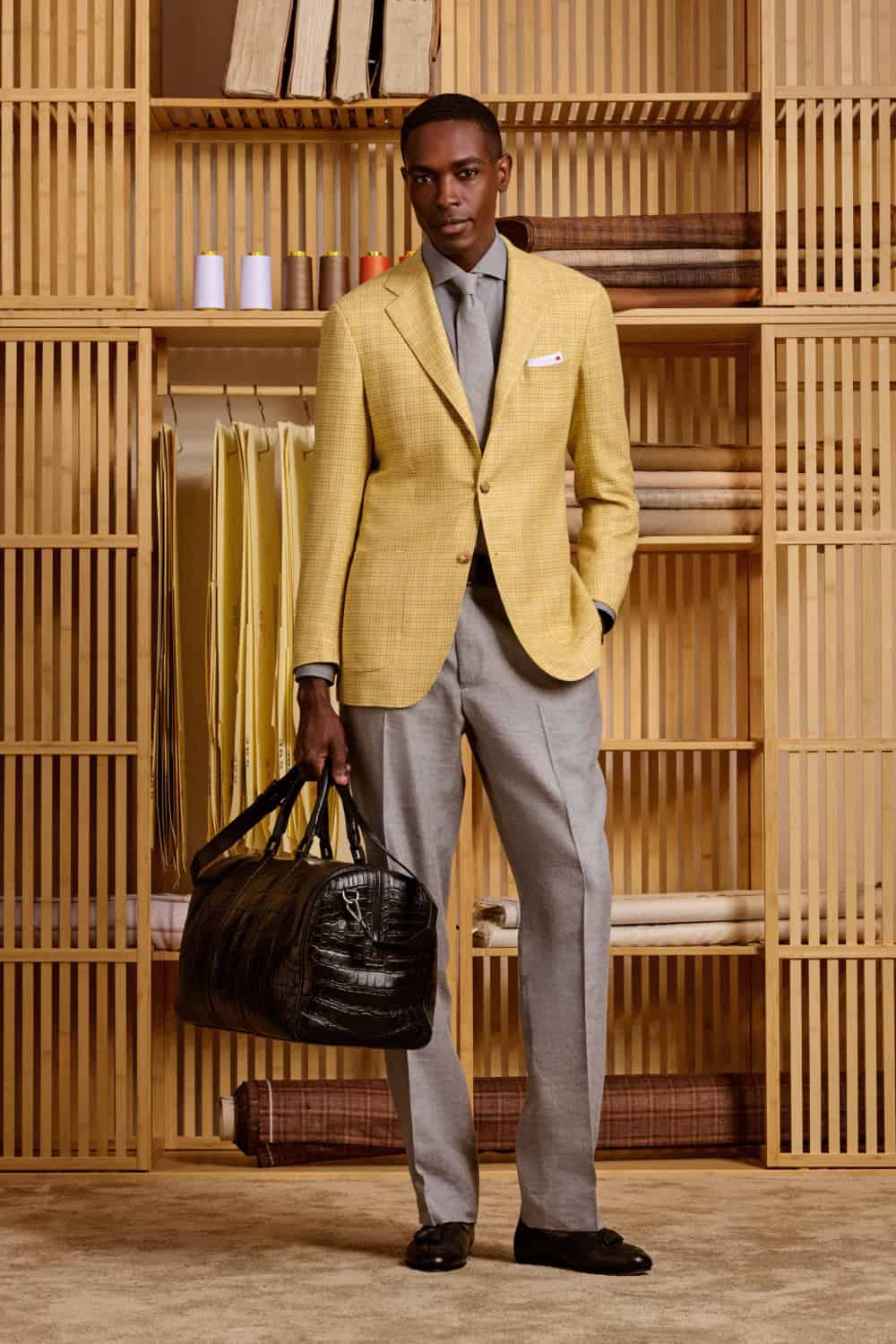
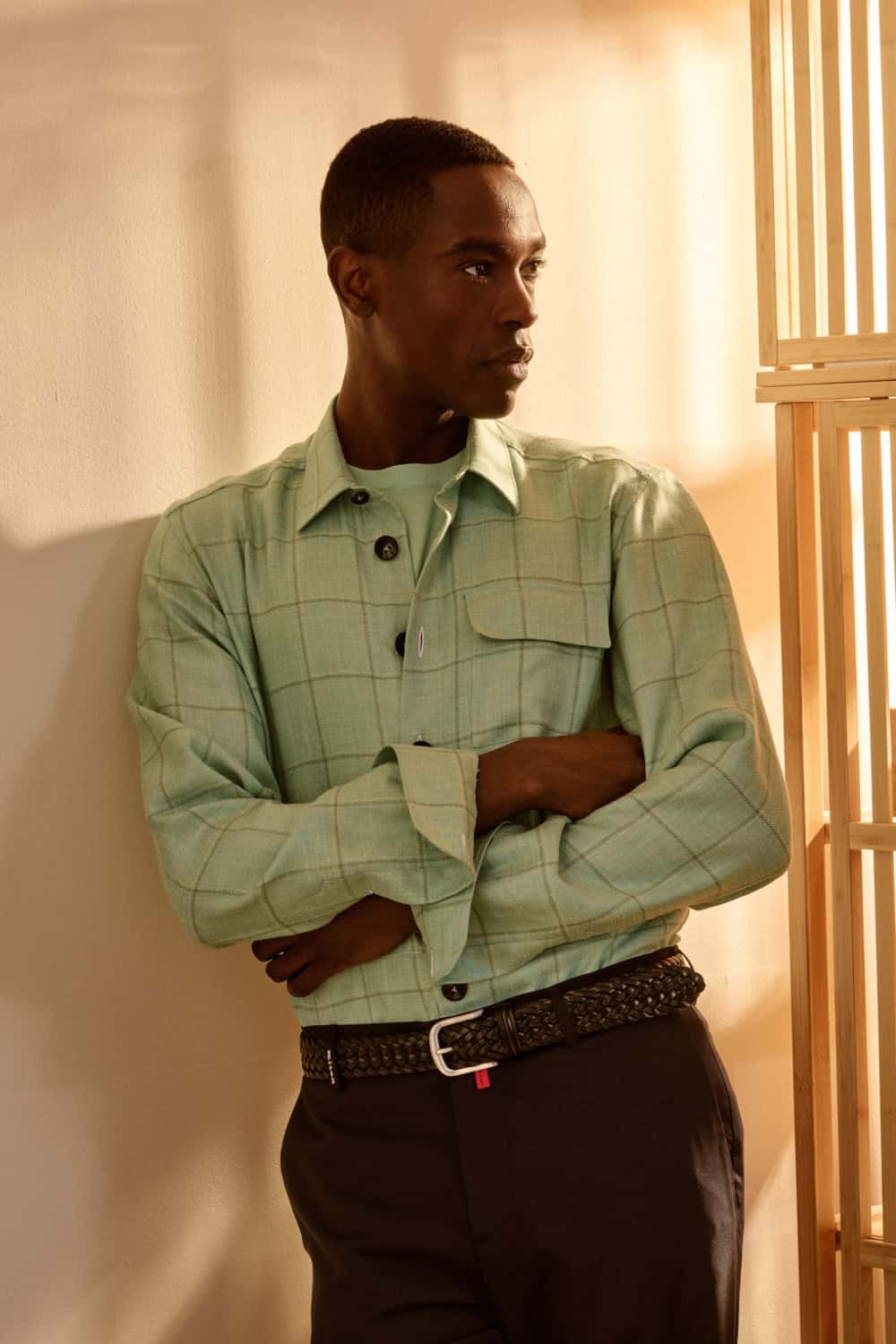
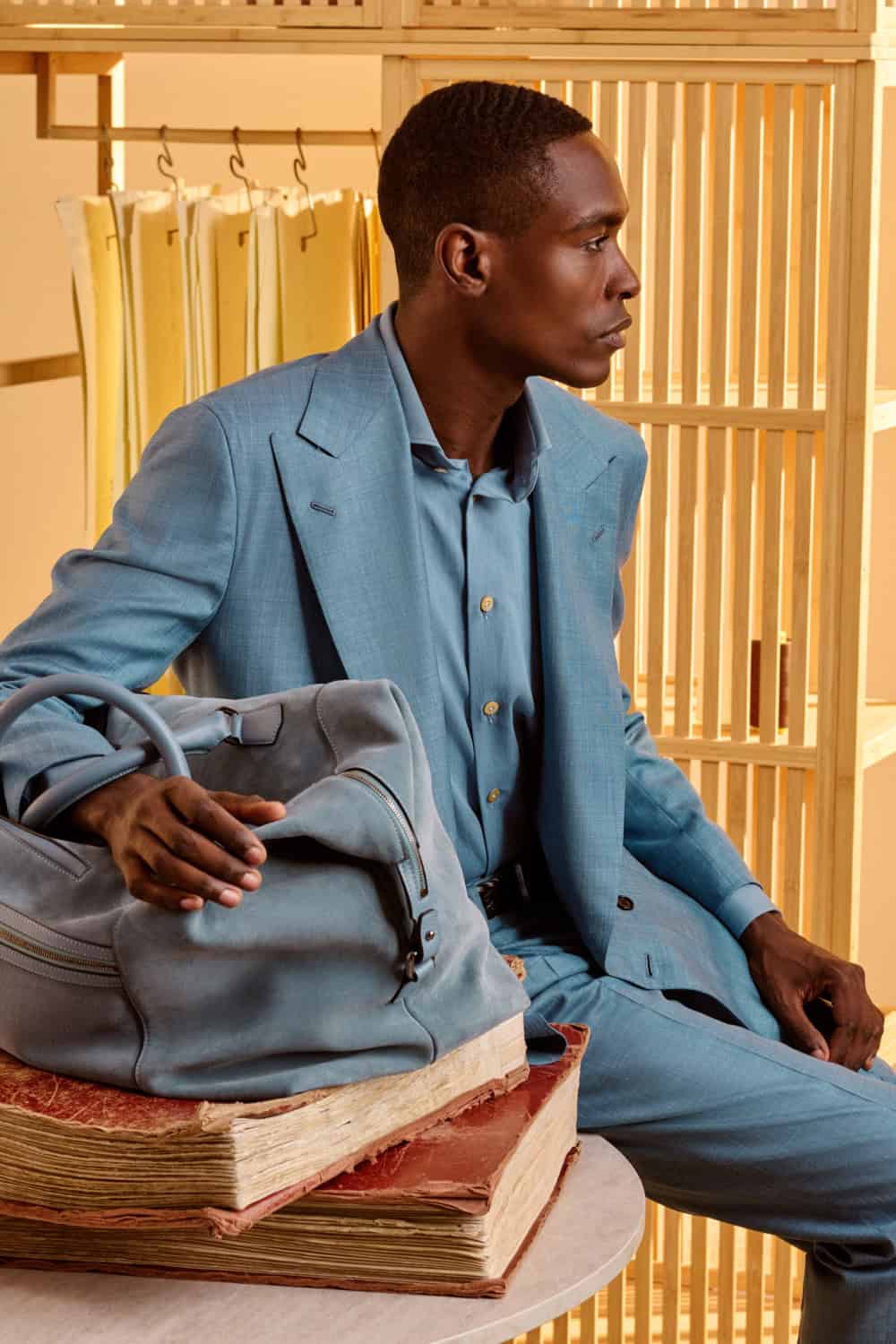
At Kiton, the message was almost philosophical. Titled The Truth of Making, the collection proposed craftsmanship not as a romantic concept but as a daily discipline. In a fashion landscape increasingly addicted to spectacle, the brand doubled down on quiet conviction. Tailoring returned to the center of the wardrobe, though stripped of stiffness. Jackets floated rather than imposed, trousers regained generous proportions, and linen became the undisputed protagonist, often blended with cashmere to achieve near-impossible levels of lightness. Even the color palette felt restrained in the best possible way: sophisticated dialogues between muted grays, aquatic blues and delicate greens replacing the industry’s current addiction to visual shouting.
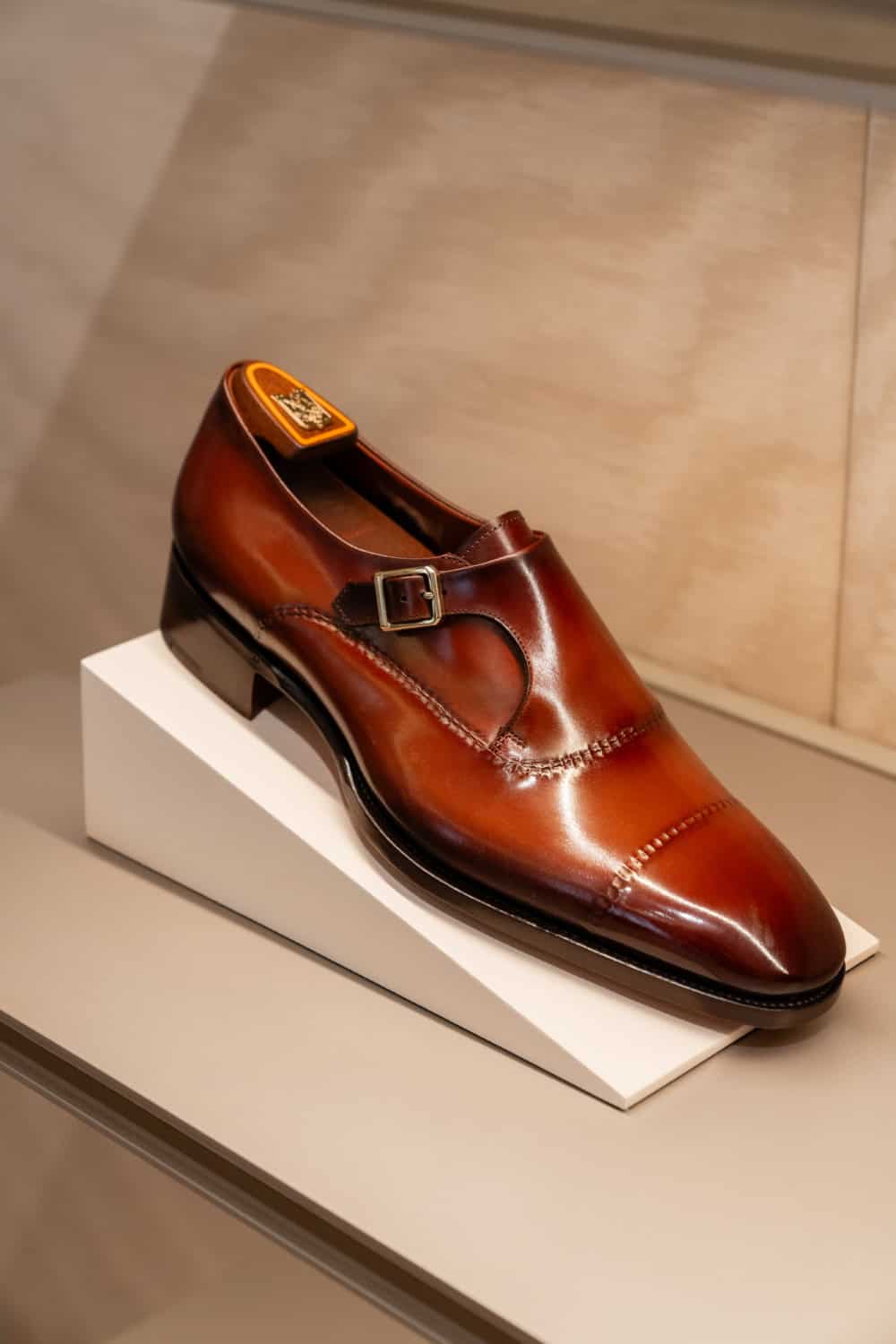
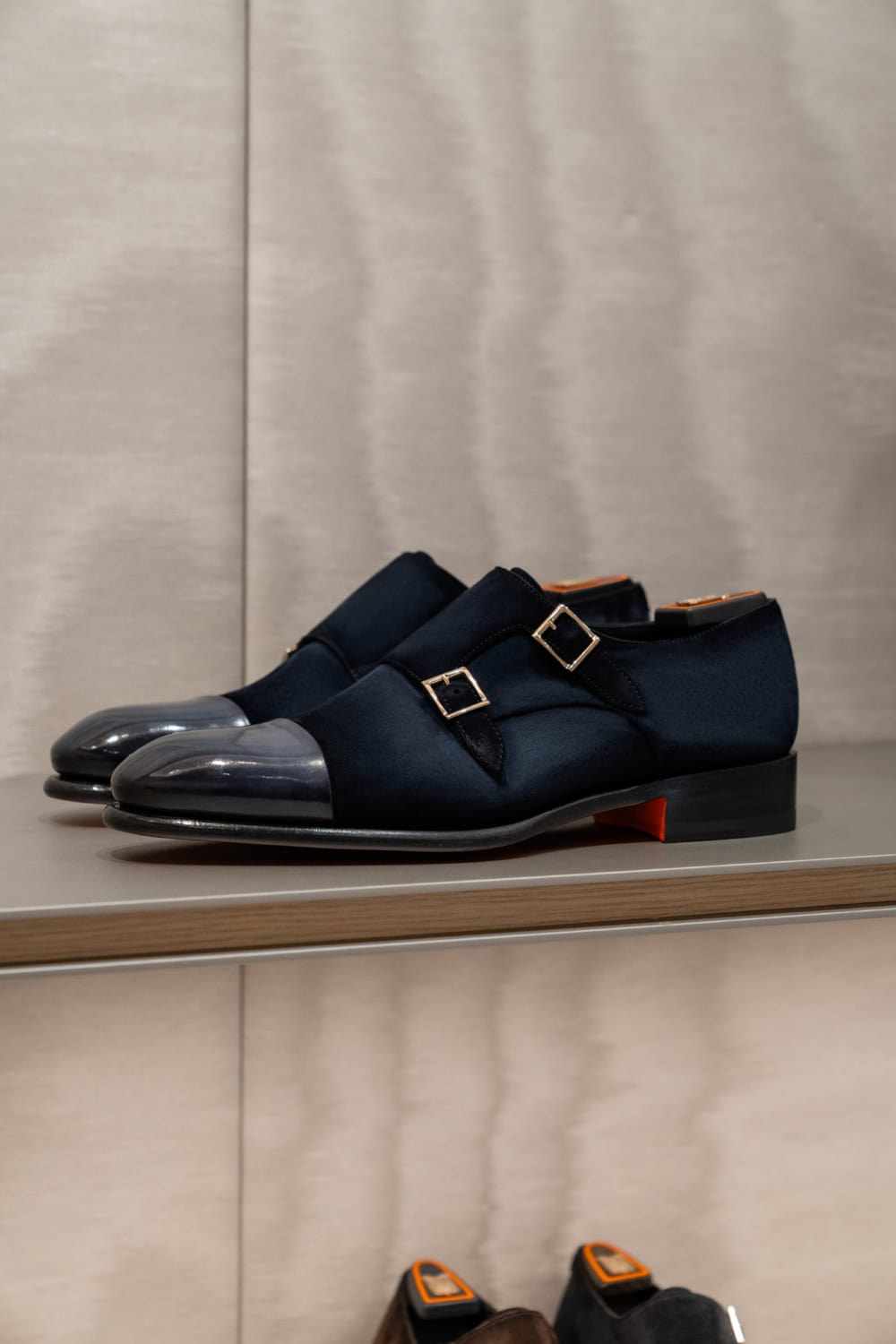
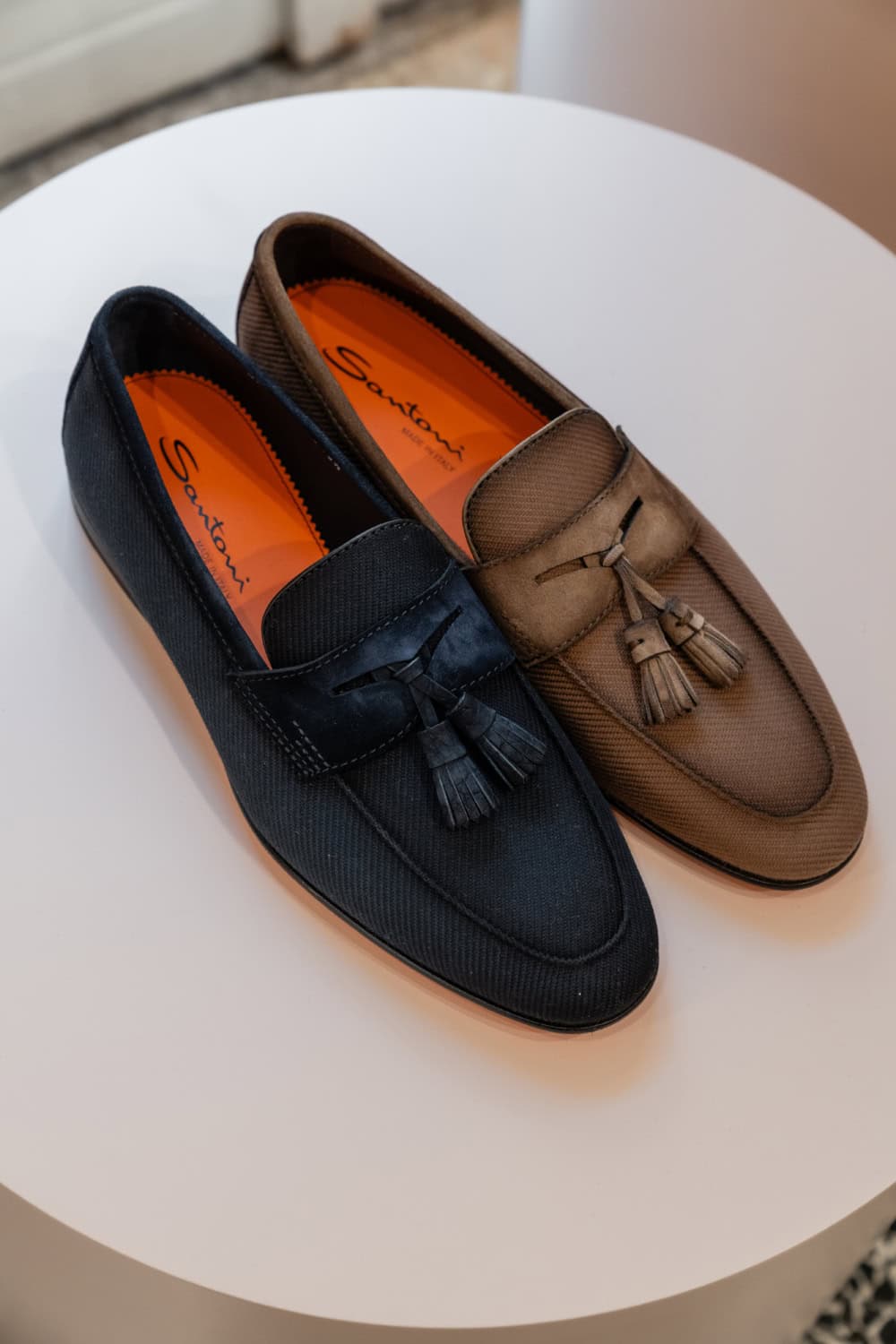
Indeed, Santoni explored the beauty of doing things personally. Its spring 2027 collection, The Art of Encounter, revolved around connection—between tradition and innovation, artisan and client, object and individual identity. The star remained the iconic Carlo loafer, now equipped with interchangeable tassels through the brand’s One Live customization service, proving that personalization has finally moved beyond monogramming everything in sight. Throughout the collection, Santoni’s mastery of leatherwork took center stage, from handwoven constructions to its signature hand-applied patinas. Particularly interesting was the growing dialogue between menswear and womenswear, with feminine versions of the house’s masculine icons creating a conversation rather than a distinction. In a luxury market increasingly focused on scale, the brand reminded everyone that craftsmanship remains most powerful when it feels human.
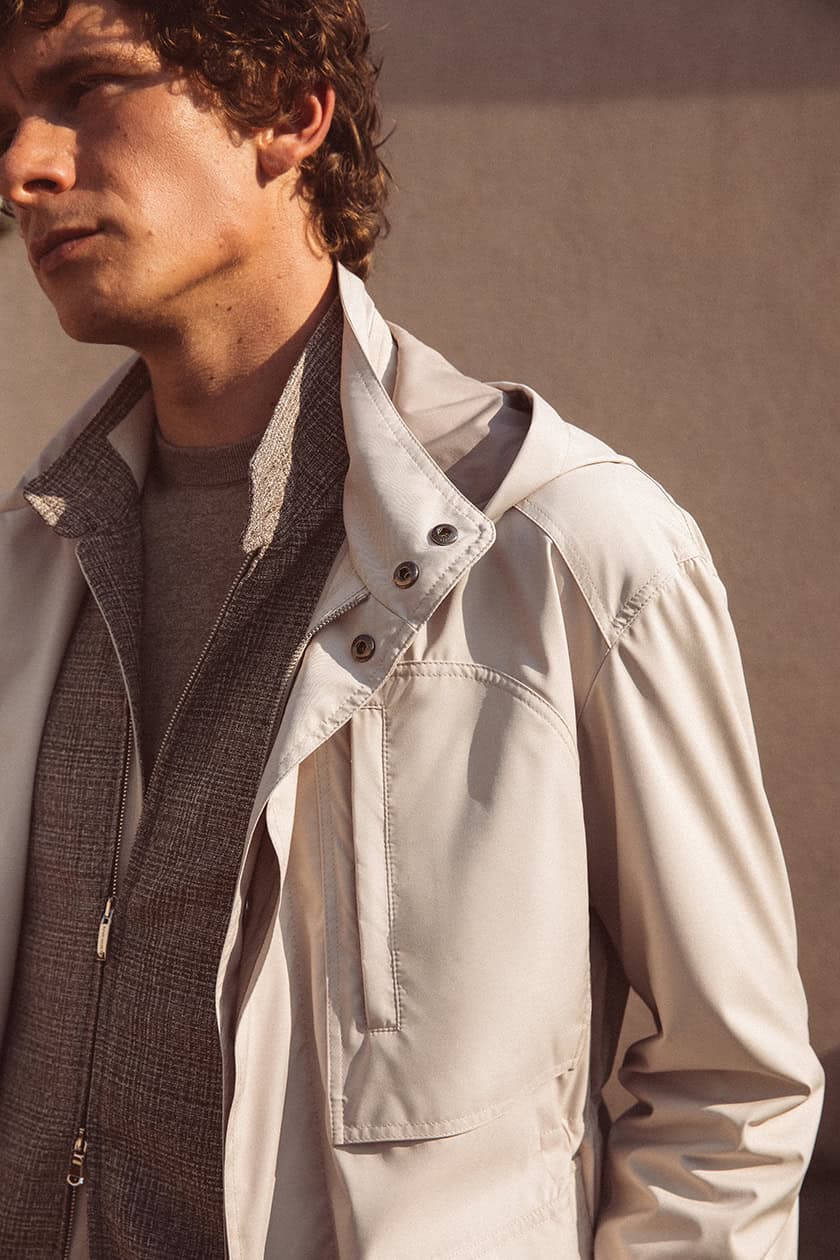
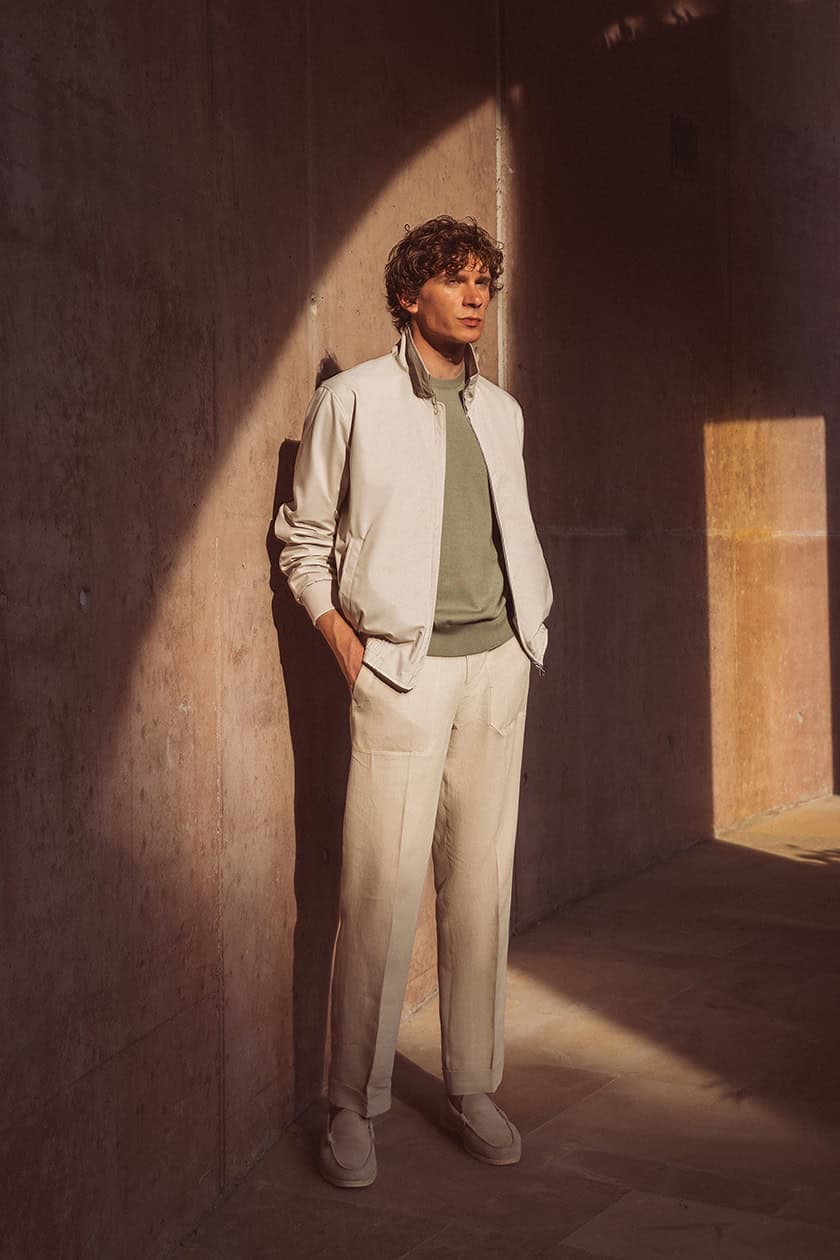
Elsewhere, Cortigiani offered a masterclass in Mediterranean understatement. Inspired by slow travel and coastal landscapes, the collection proposed a wardrobe built around ease rather than excess. Soft tailoring, lightweight layering, and fluid silhouettes captured the mood of a man who appears permanently en route to somewhere beautiful, but never in a hurry to get there. The palette echoed sun-faded stone, sand, sage, and dusty blues, while luxurious blends of linen, silk and summer cashmere reinforced the brand’s commitment to material excellence. It was the kind of collection that doesn’t beg for attention but earns it—an increasingly radical proposition in contemporary fashion.
Caruso, meanwhile, looked to the photographic precision of Irving Penn. The result was one of the week’s most disciplined collections, built around proportion, structure, and restraint. Shoulders became more assertive, silhouettes sharper, and colors carefully controlled, anchored by dark grey and nuanced earthy tones. Floral motifs returned, though stripped of sentimentality and rendered almost abstract. Every element appeared meticulously calibrated, from the tailoring to the accessories, creating a wardrobe that felt less like a collection and more like a complete visual identity. If many brands today talk about elegance, Caruso continues to analyse it with near-scientific precision.
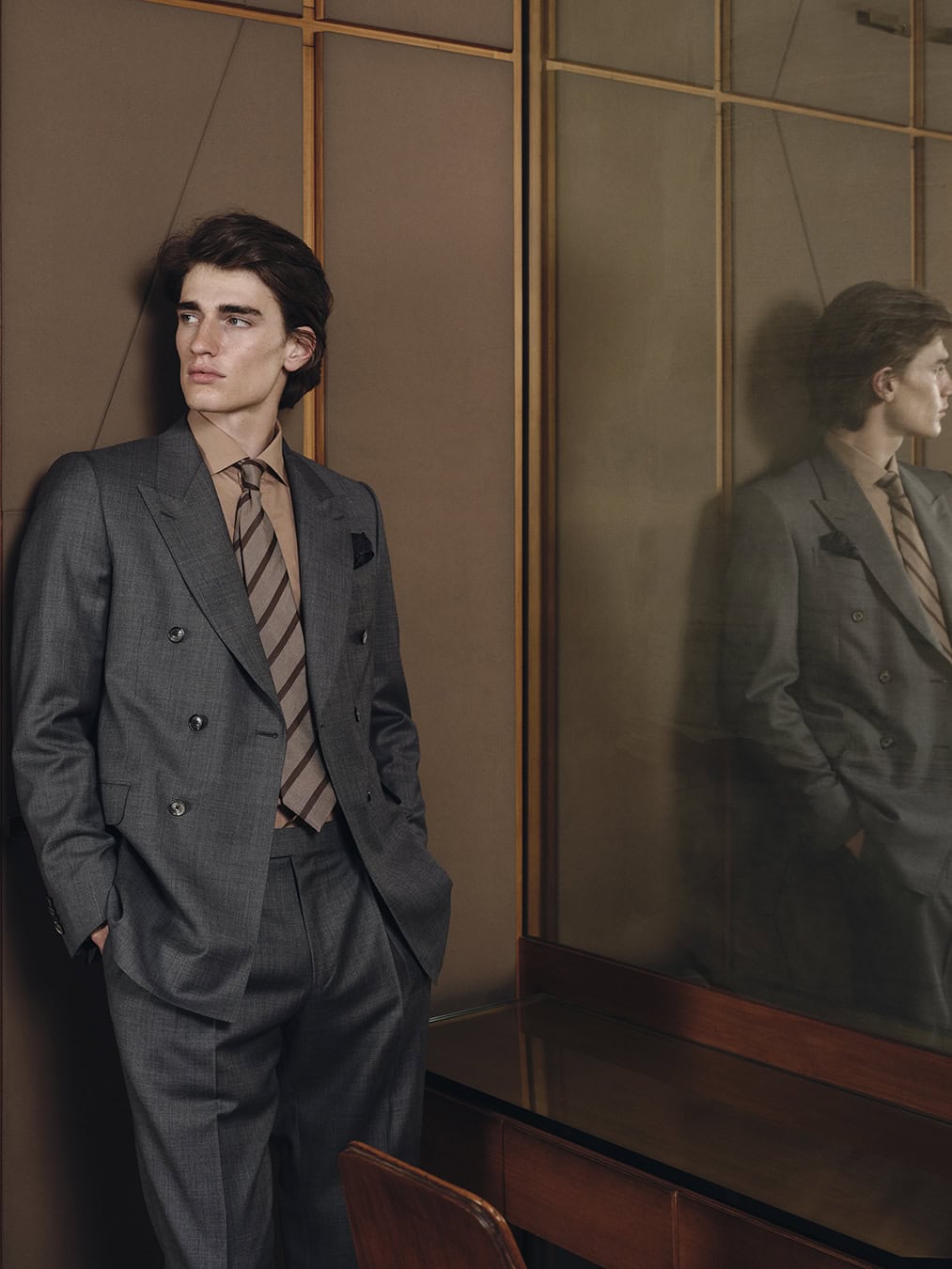
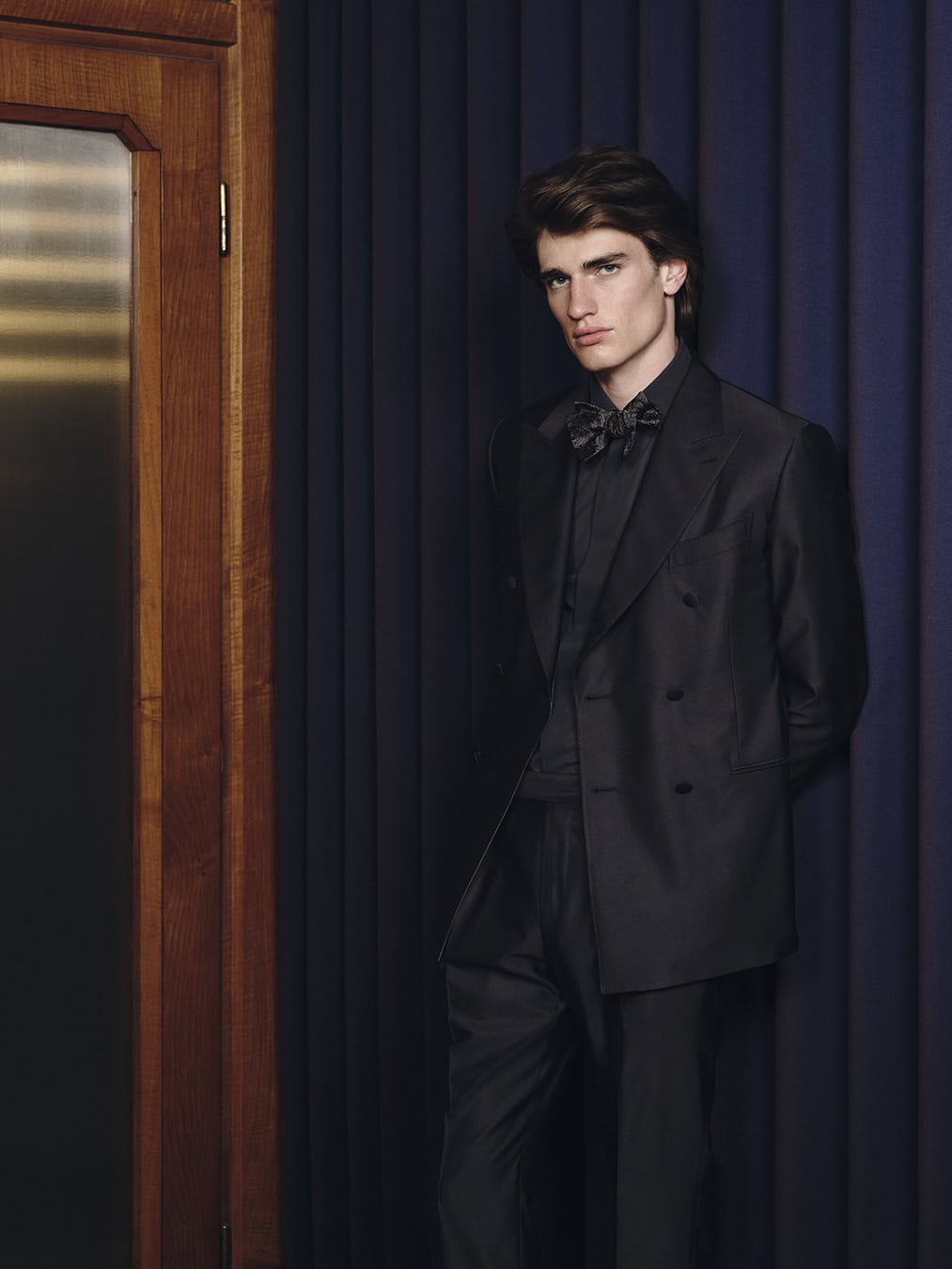
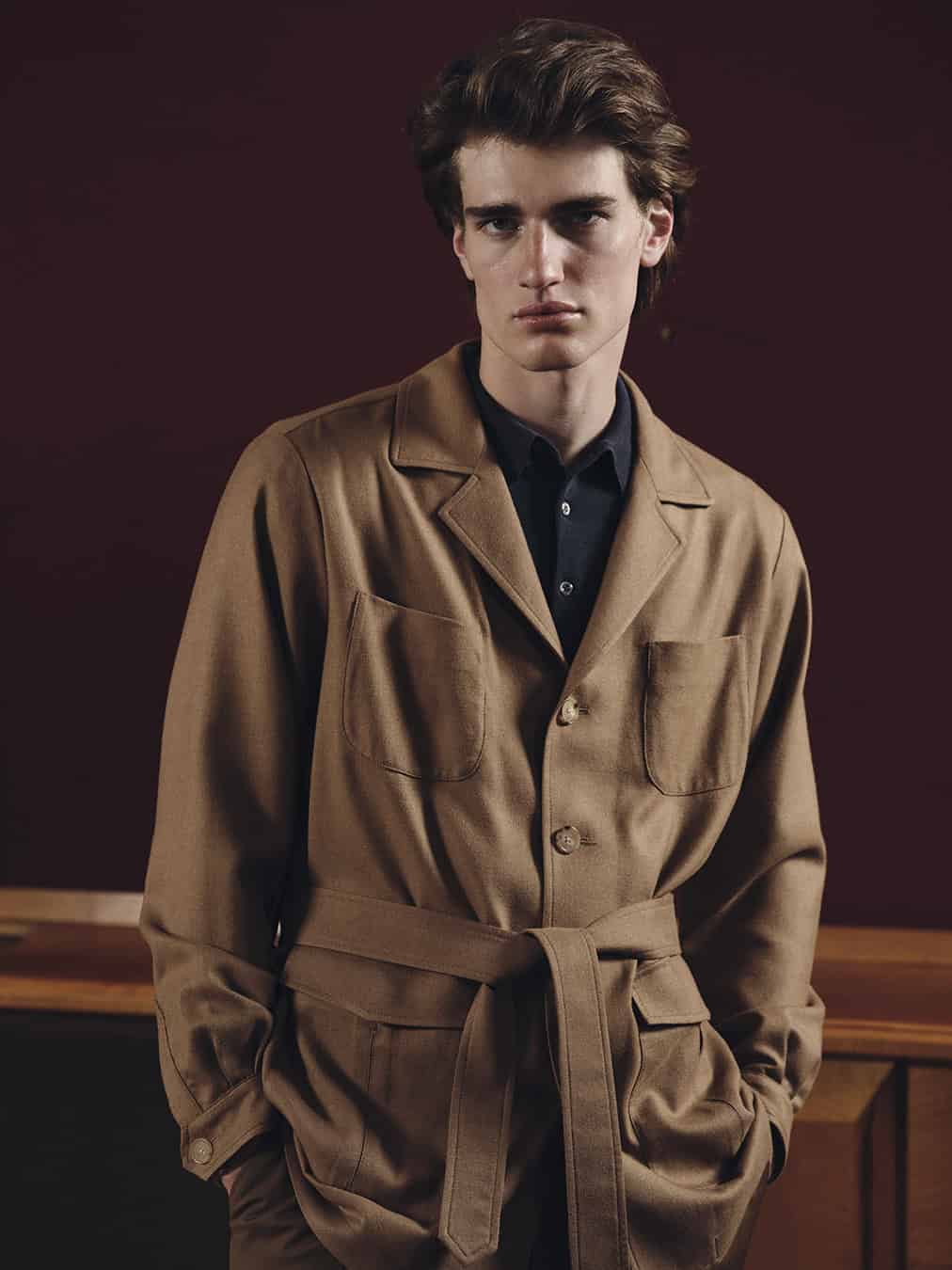
And then there was Jacob Cohën, which continues its impressive transformation from premium denim specialist into a fully-fledged luxury lifestyle proposition. Denim remained the foundation, naturally, but this season the conversation expanded through collaborations with mills such as Loro Piana and Zegna, introducing fabrics that blurred the boundaries between tailoring and casualwear. Leather shirts, suede outerwear, double-breasted suits and exquisitely crafted knitwear demonstrated a growing sophistication that never lost sight of the brand’s roots. The message was clear: luxury today is no longer about choosing between comfort and refinement.
Canali, meanwhile, looked to the ancient routes that once connected the Mediterranean to distant shores. Under Creative Director Alessio Lillocci, spices such as cinnamon, cardamom, and star anise became symbols of exchange rather than mere color references, inspiring a collection built around movement, lightness, and cultural dialogue. Tailoring softened without losing precision, natural fibers took center stage and the palette evolved from warm earthy tones to sun-faded blues and summer whites. In a season dominated by conversations around craftsmanship, Canali demonstrated that material excellence and storytelling remain among the most powerful expressions of Italian luxury.
Taken together, these presentations revealed a particularly Italian form of modernity. One that doesn’t reject heritage, nor worship it blindly. Innovation isn’t always about disruption, sometimes it’s about refinement be it improving a construction, perfecting a fabric, developing a lighter jacket, or finding a new way to personalize a classic loafer. This may not generate the same headlines as a viral runway stunt but these are precisely the kinds of advancements that keep Italian fashion relevant. Made in Italy, it turns out, is very much alive — it’s just too busy working to announce it.