9 October 2026 |
For 130 years, Louis Vuitton’s signature motif has transcended trends and time. Here’s the story of how it came about.
Has there ever been a designer logo more instantly recognizable than Louis Vuitton’s? For 130 years, the LV initials and enmeshed flower motif has dominated the luxury market as a prime example of savoir-faire. It has also been reinterpreted by some of the house’s most creative rebel rousers: artistic directors Marc Jacobs, Nicolas Ghesquière, Virgil Abloh, and Pharrell Williams as well as cherished collaborators welcomed into the LV universe such as Rei Kawakubo, Vivienne Westwood, Takashi Murakami, and Jeff Koons. Thanks to these interpretations, the emblem has remained forever relevant in the fashion and pop culture realms, never going out of style.
The story begins in 1896 with Georges Vuitton creating the design as a means to honor his late father Louis, the paterfamilias of the luxury house and innovator of the signature travel trunks. Georges set out to create a lasting symbol that honored the East meets West design sensibilities which were popular at the time. From his purview in Paris there were gothic cathedrals decorated with quatrefoils, trefoils, and rosettes. Meanwhile, Japonism was dominating the art scene and so were mon (family crests), with their stylized circular forms. The family home in Asnières-sur-Seine was also a consideration with its Gien faïencerie tiles and stained glass.
Consisting of the founder’s initials, the logo was interlaced for legibility alongside a diamond with concave sides and a four-petal flower in the center. A circle containing a rounded bloom gave the timeless design a lively jolt. Georges also had the foresight to formally patent the monogram in 1876, as a means of protection against would-be imitators. Oh, how right you were, Georges!
With the monogram established, the maison’s know-how kicked into gear, innovating time and time again with ongoing technological updates. In 1902, the house used the pochoir (stencil) technique to layer pigments applied by hand on canvas. The result was Pegamoid, a cotton-based canvas with a protective finish that resisted humidity and light while remaining supple. The perfect material to cover trunks.
By 1958, Louis Vuitton had introduced a new coating to its material that’s still used today. Made to be even more lightweight, supple, and waterproof, it serves as the basis of some of the brand’s most famed handbags. But that wasn’t the end: in 2017 came the Monogram Eclipse, which took the classic brown and beige color palette and rendered it a sleek, black graphic iteration. Inspired by the archives, the signature motif reflected yet more ingenuity courtesy of an advanced pigmentation and layering technique to enhance texture and depth.
Of all the monogrammed handbags one could possibly buy, there are five imbued with the legendary logo.
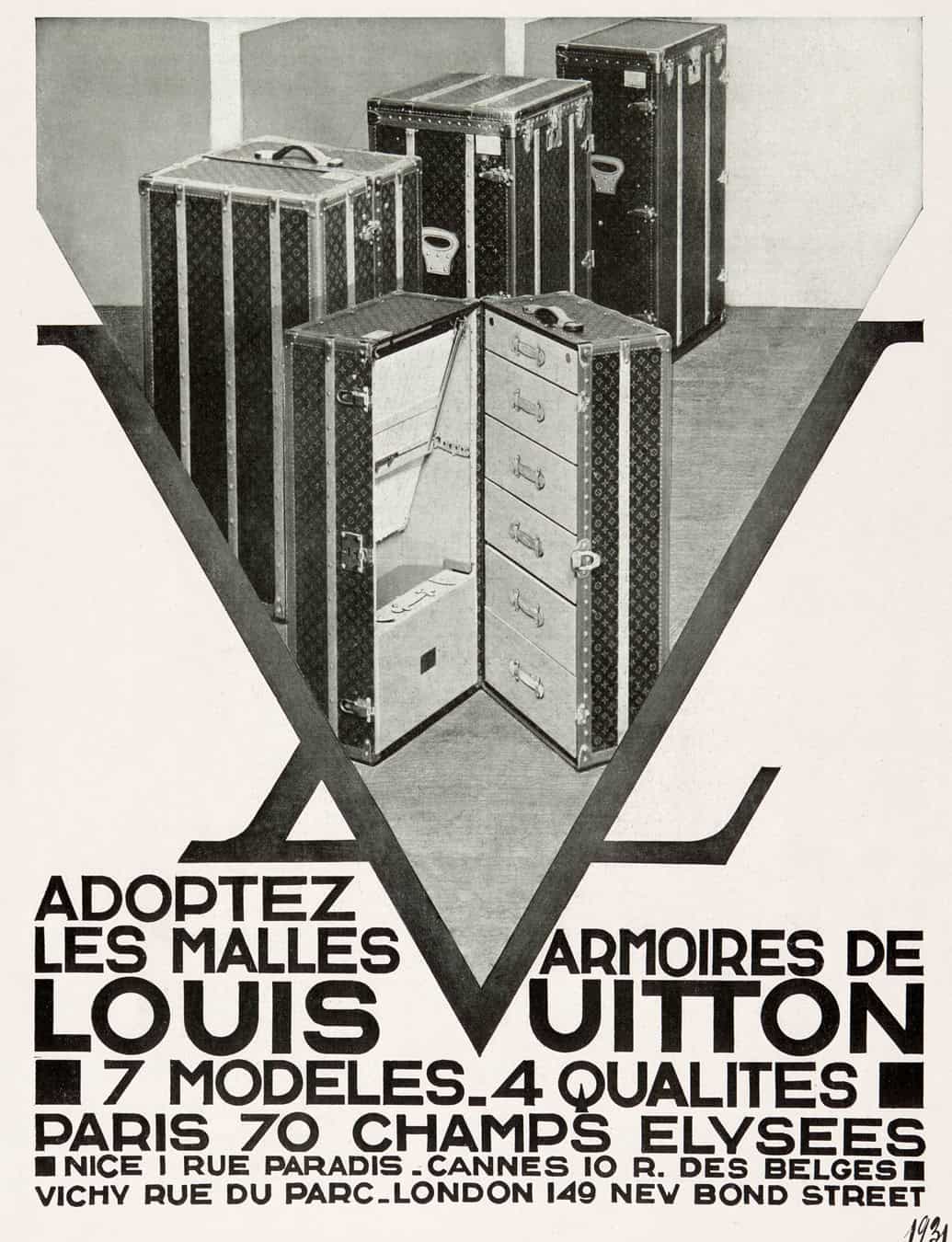
A Louis Vuitton Wardrobe Trunk advertisement published in ‘L’Illustration’ on June 13, 1931
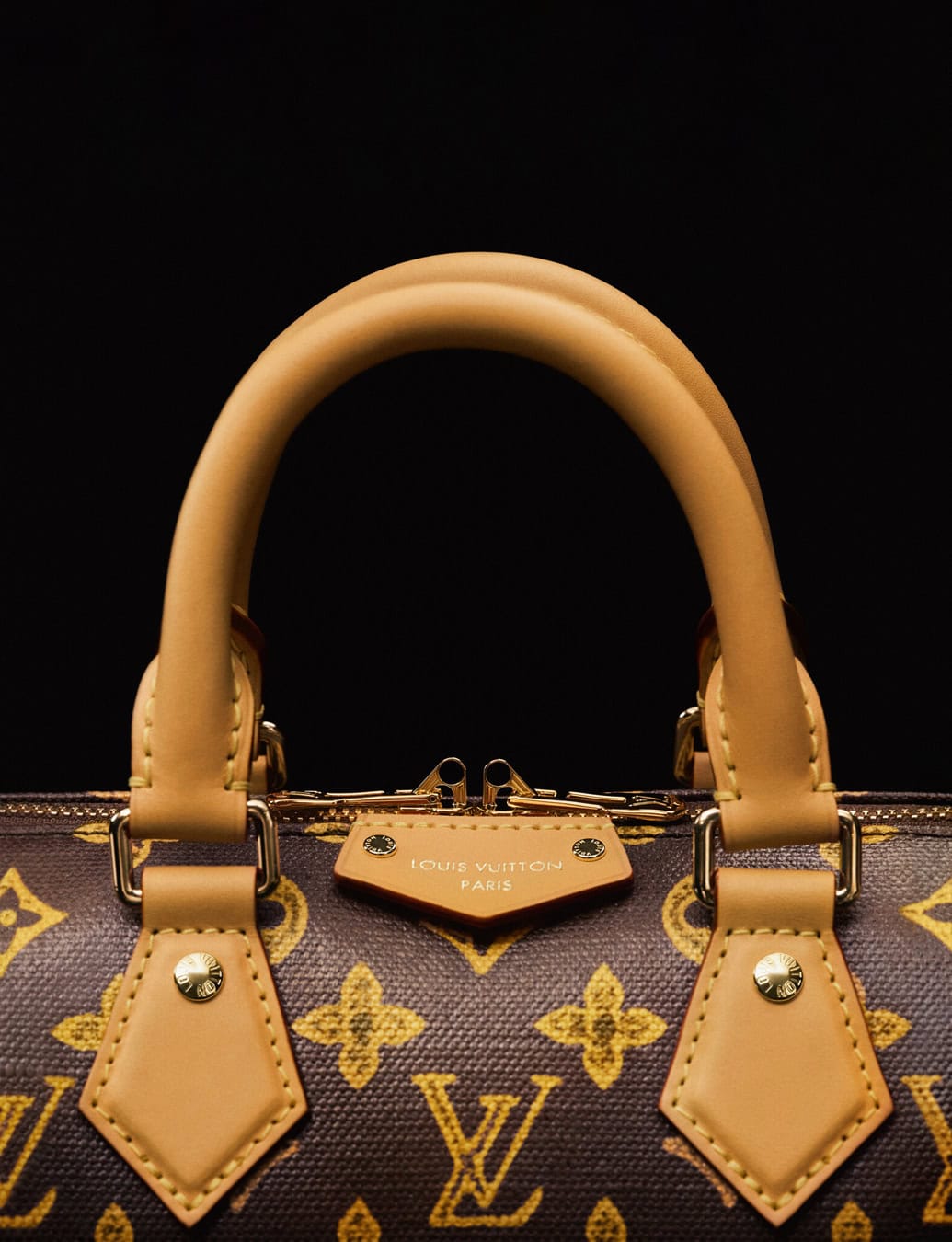
Consider them the French fashion house’s greatest hits – and for this anniversary, they are being reissued. The most well-known, the Speedy, was originally released in 1930, initially dubbed the Express. It was a piece that reflected humanity’s fascination with speed and movement and was created as a piece of soft luggage with its wide zip closure, signature Toron handles, and ability to fold flat in a suitcase. It got the monogram treatment in 1959 and the rest is it-bag history. The Stephen Sprouse and Yayoi Kusama remixes, with their signature artistic styles, remain the most popular Speedys of all time.
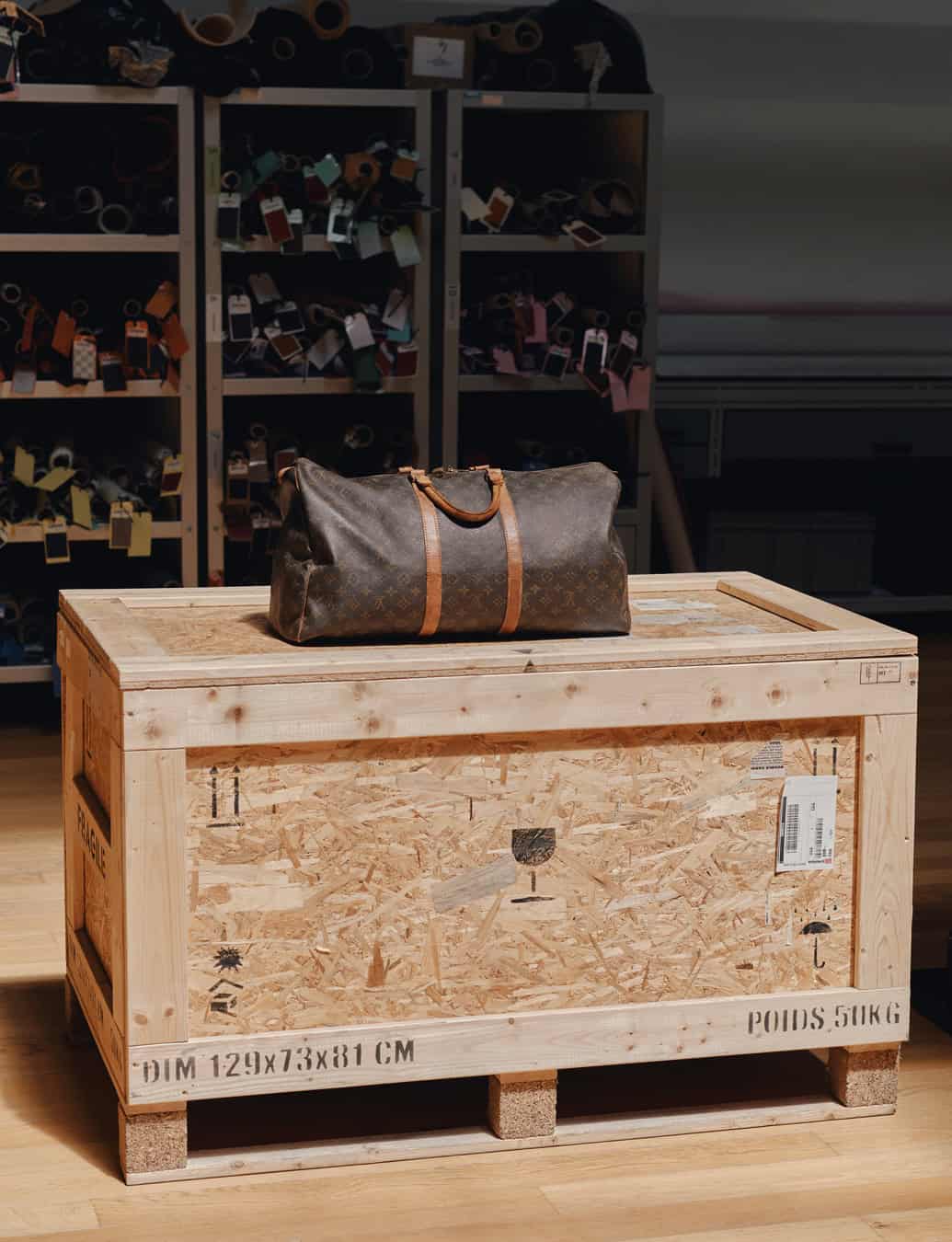
Also that year: the Keepall was made with reinforced leather bands and a voluminous interior. The duffel also featured hand-stitching and was finished off with a polished brass lock. Like the Speedy it also folded flat – making it ideal for jetting off on a weekend getaway. In 1932, the Noé was introduced in a fit of bubbles. The bucket shape accommodates (count ’em) five bottles of champagne (four are upright and the fifth can be inverted in the center) with form and function. Grained leather was the perfect canvas for the monogrammed piece, which went on to be reinterpreted in petite versions by Ghesquière and artist Richard Prince.
The ladylike Alma made her debut in 1992, her name stemming from Paris’s Place de l’Alma. Drawing from a lineage that includes the Squire bag (made in 1934) as well as the Marceau, the Alma’s curved shape is also a nod to the art deco movement. The Neverfull came about in 2007, a modern tote that clocks in at 800 grams, but can carry up to 100 kilograms. The original, which was stylized as the ‘Never Full’, was inspired by vintage laundry bags that would nest inside trunks. It has side ties and fabric lining (akin to the trunks) and was recently reissued in 2024 as the Neverfull Inside Out, a fully reversible design.
Given that these five bags date back decades, it’s not uncommon for them to be passed down through the generations. But could you ever imagine parting with a beloved Speedy or Alma? Never. That’s where the care and repair service comes in. At the moment you can bring in any handbag (monogram or not), small leather goods, and shoes for some TLC.
By 2030, this will expand to ready-to-wear. Simply go to a store to speak with a client advisor or log on to the brand’s app to request a consultation. From there your item will head to one of 11 repair workshops worldwide that employ artisans who’ve received years of savoir-faire training.
Of particular note is an atelier, in Cergy, an hour outside Paris, which is fully dedicated to these services. It includes a ‘bag spa’ devoted to cleaning coated canvas or recoloring leather bags and an area solely for trunk and case restoration that includes structural maintenance as well as polishing brass hardware. After all, a beloved Louis Vuitton family heirloom deserves another 130 years or more.
A couple of notes: the Keepall paragraph says “Also that year,” which refers back to 1959 (the Speedy’s monogram debut), so that reads correctly. Separately, the Noé is listed as 1932, which falls between the Speedy (1930) and the 1959 reference, so you may want to double-check the order if the original was meant to be chronological.
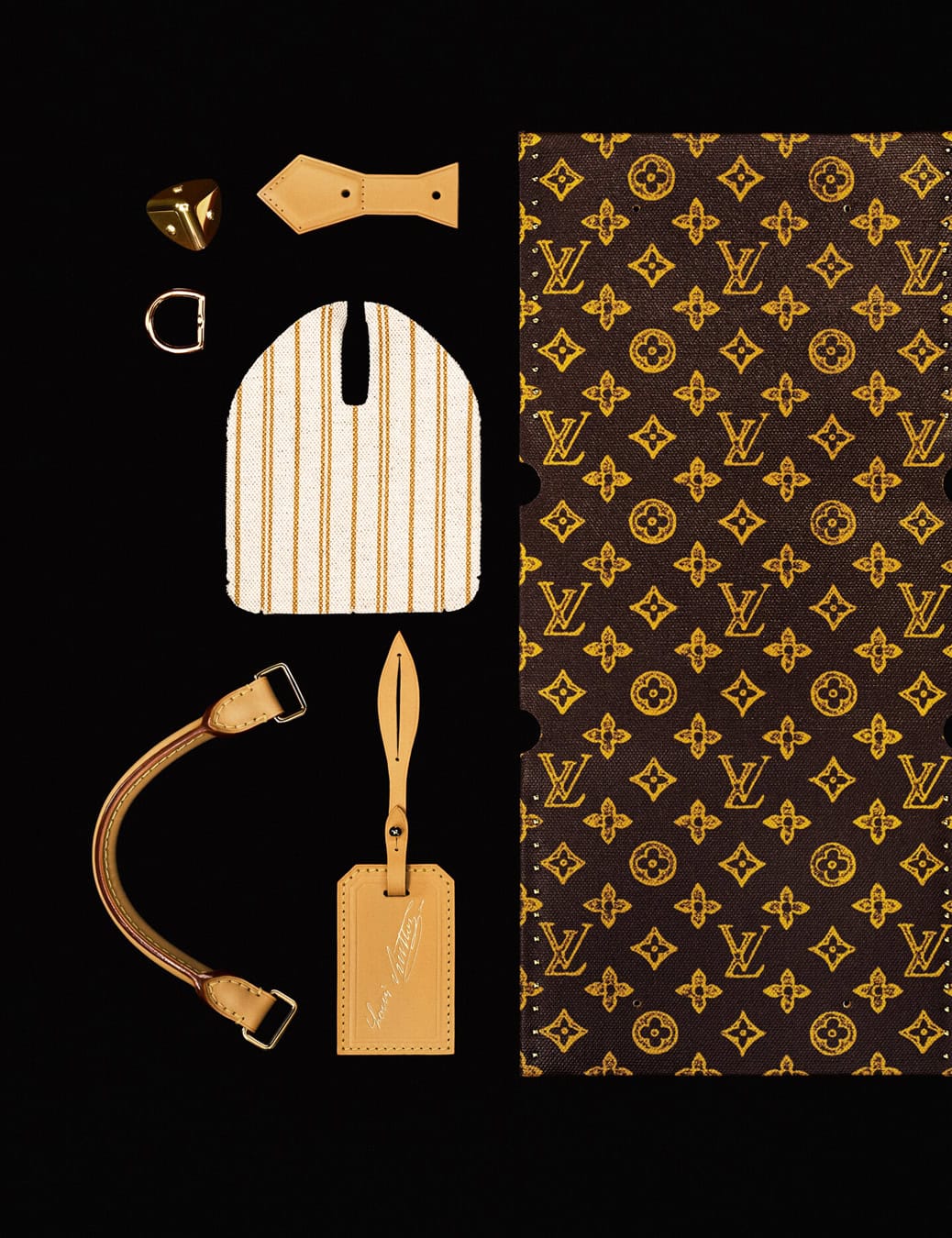
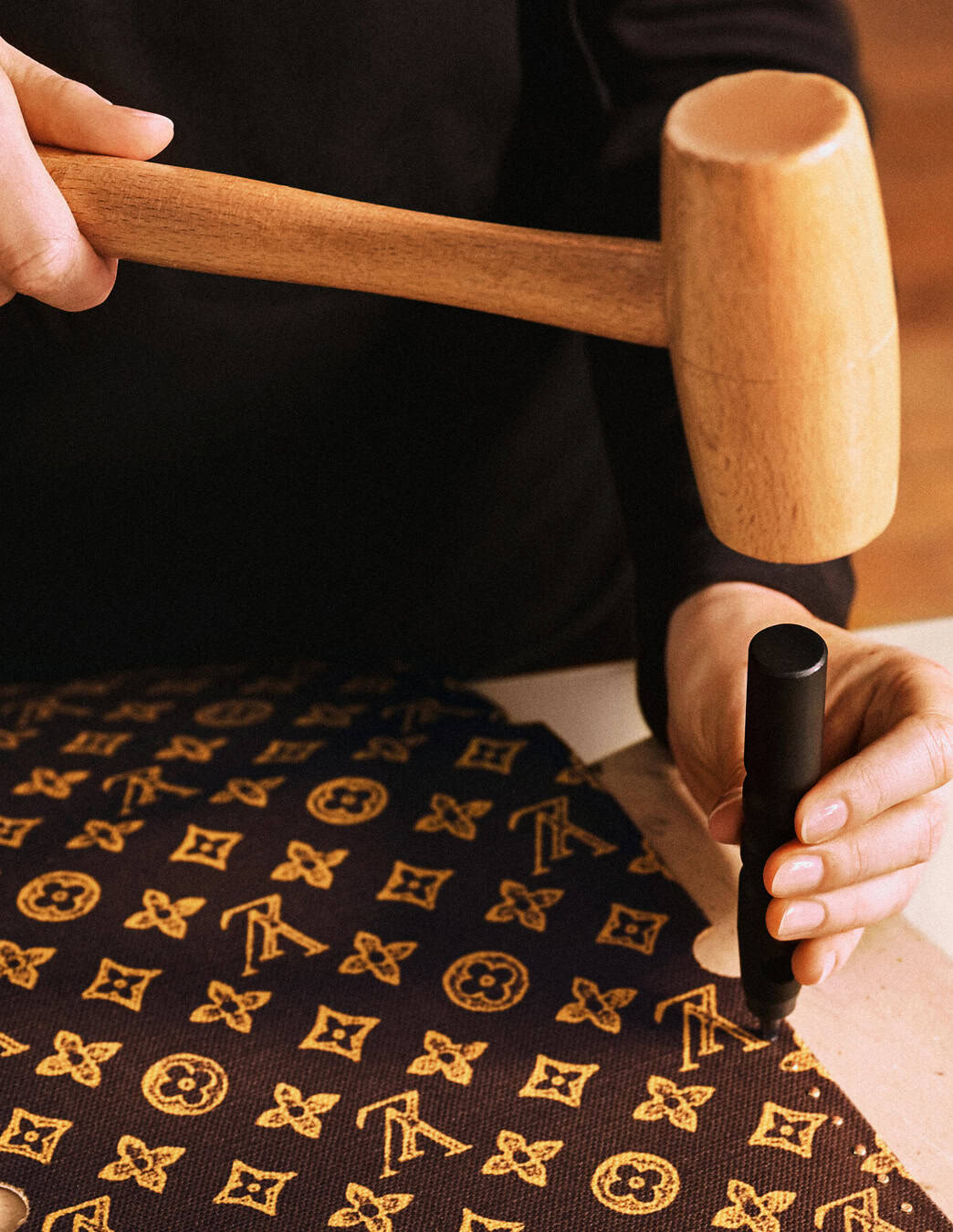
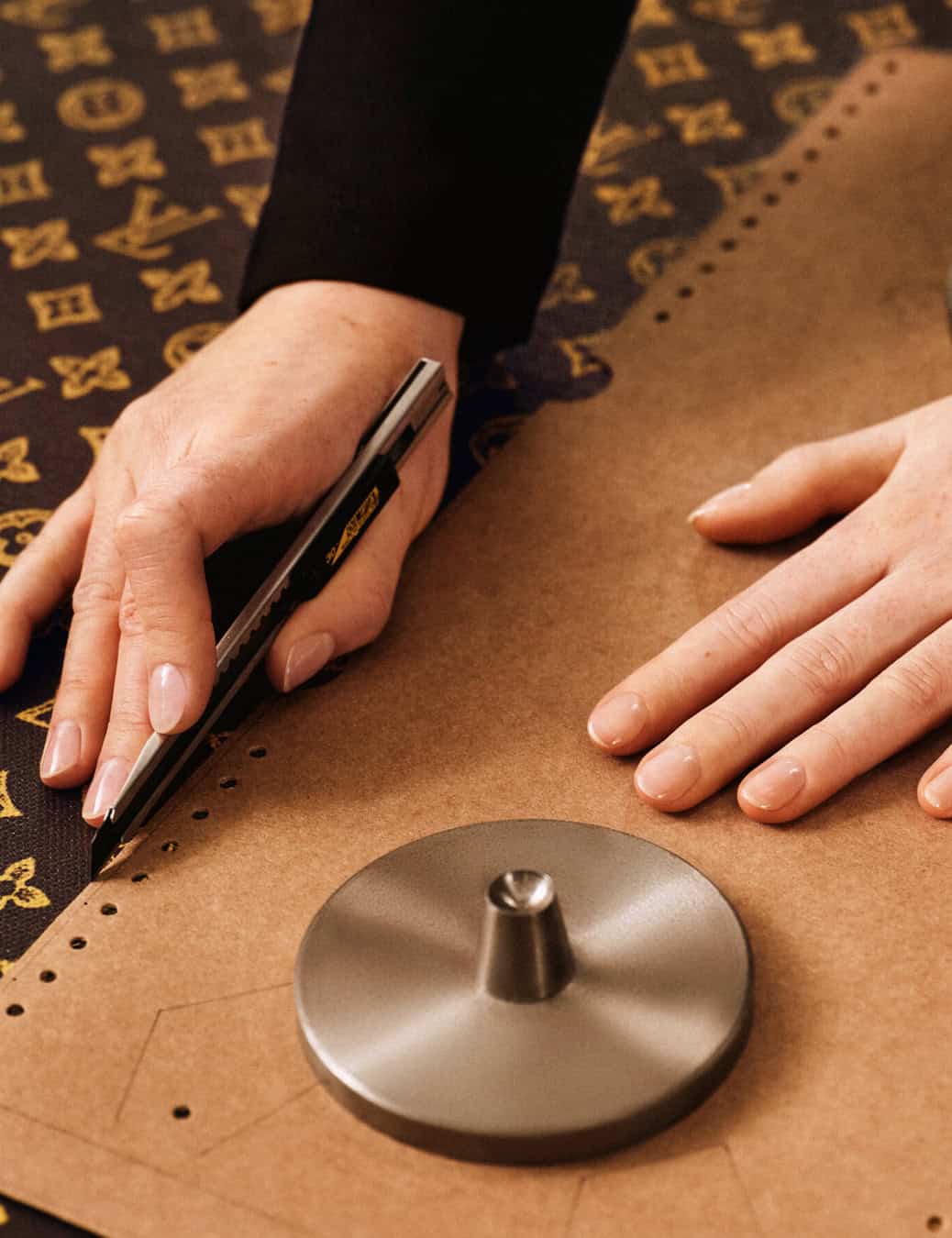
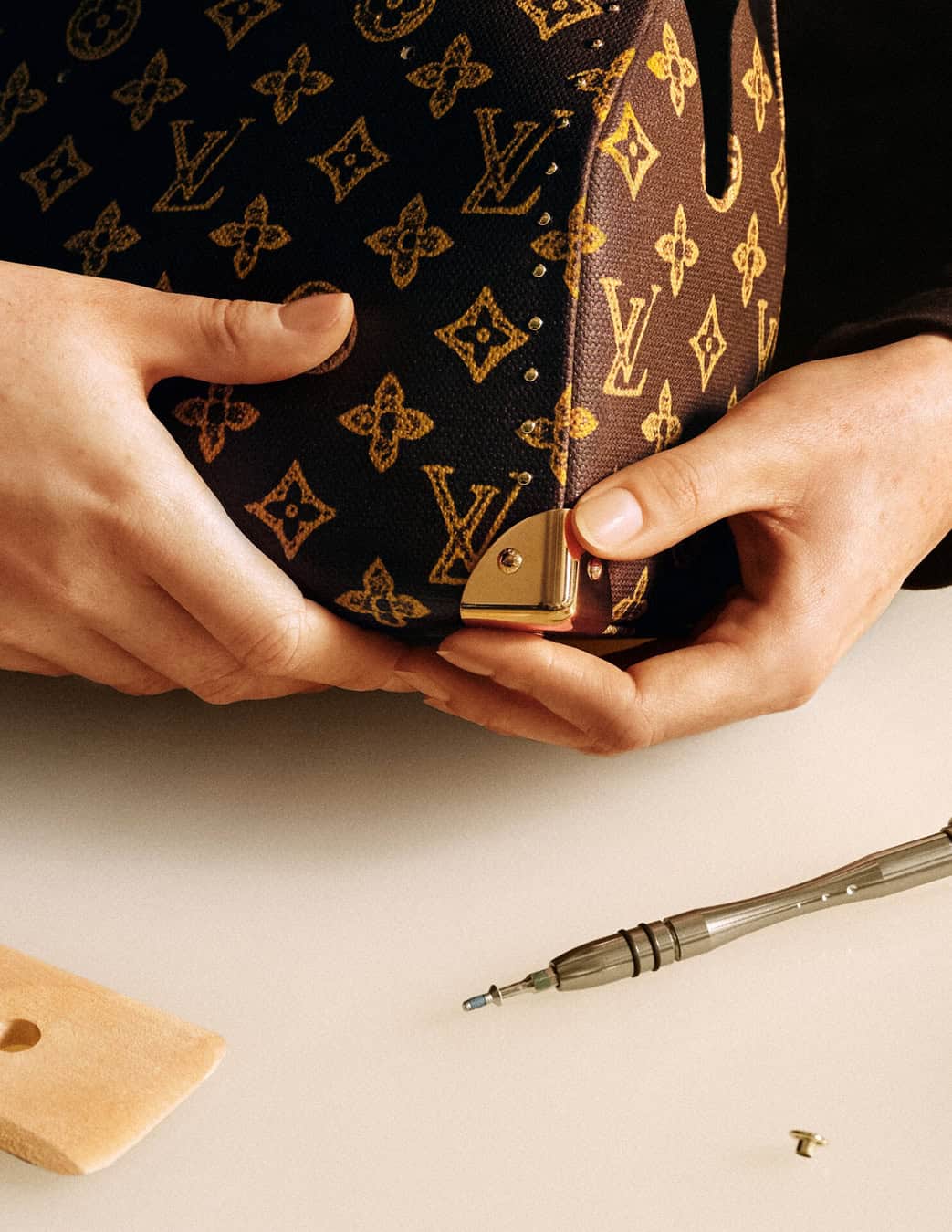
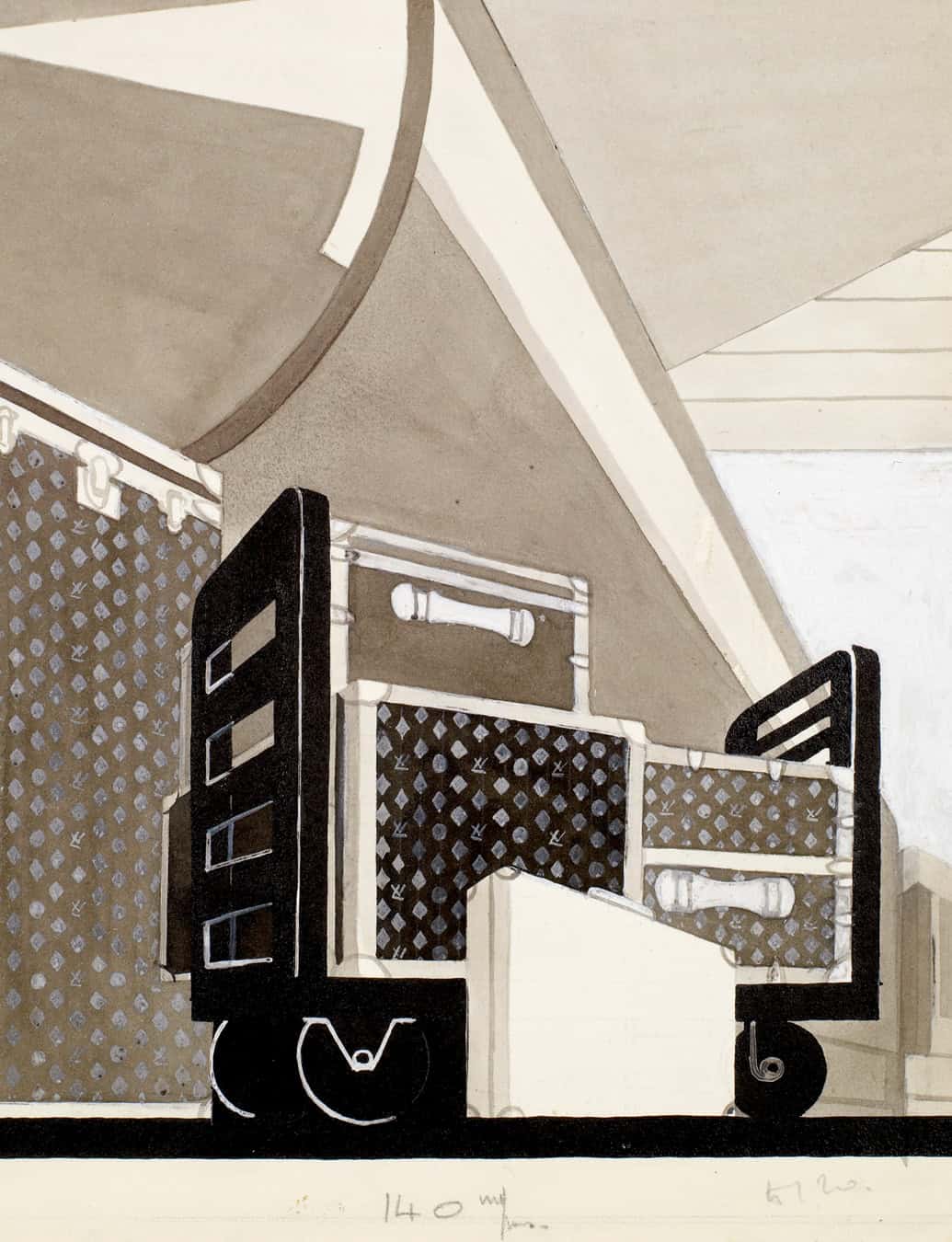
from left: ‘The Train Journey’, advertising illustration from 1929; The Louis Vuitton motif has for over a century been a marker of the brand’s savoir-faire
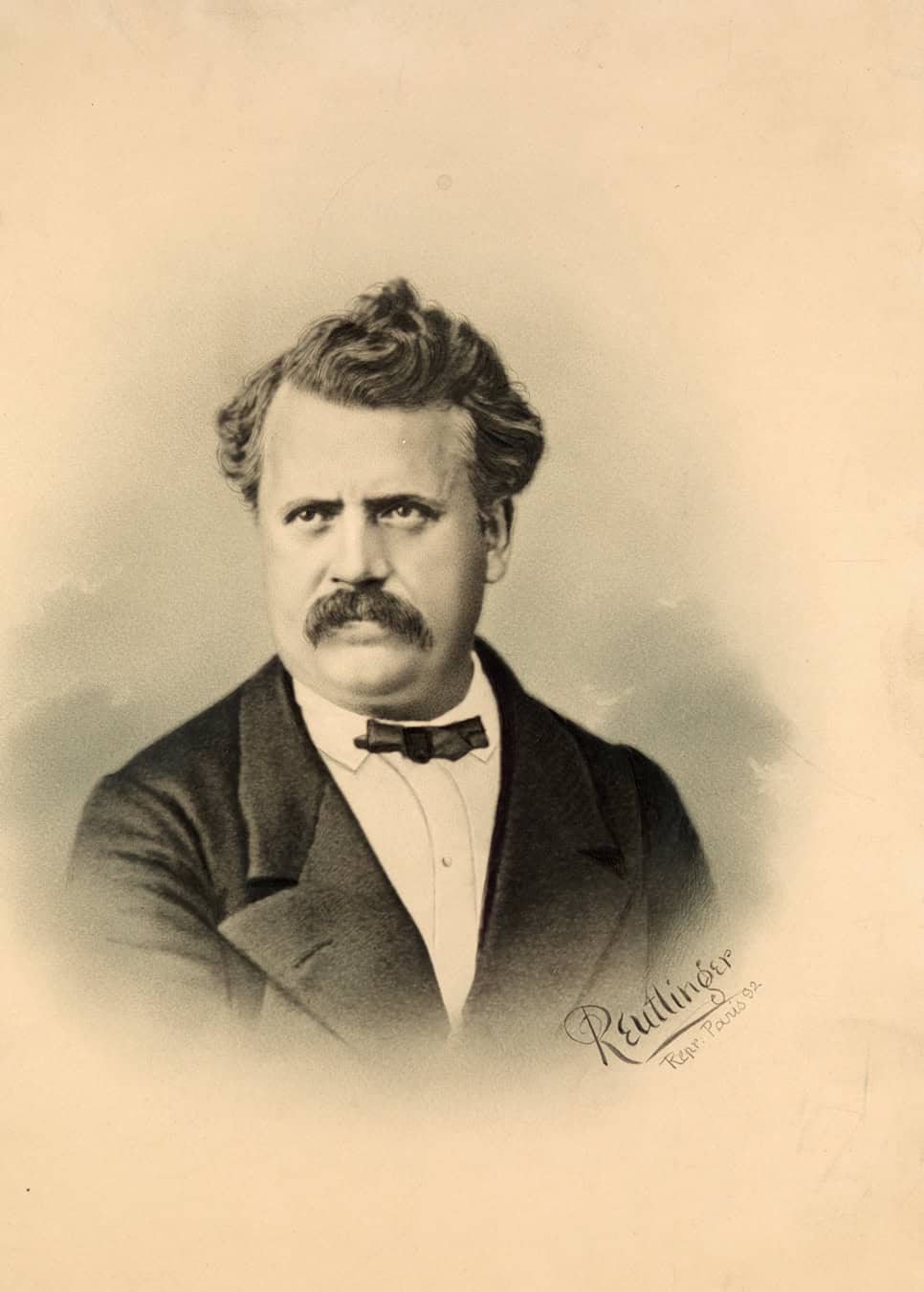
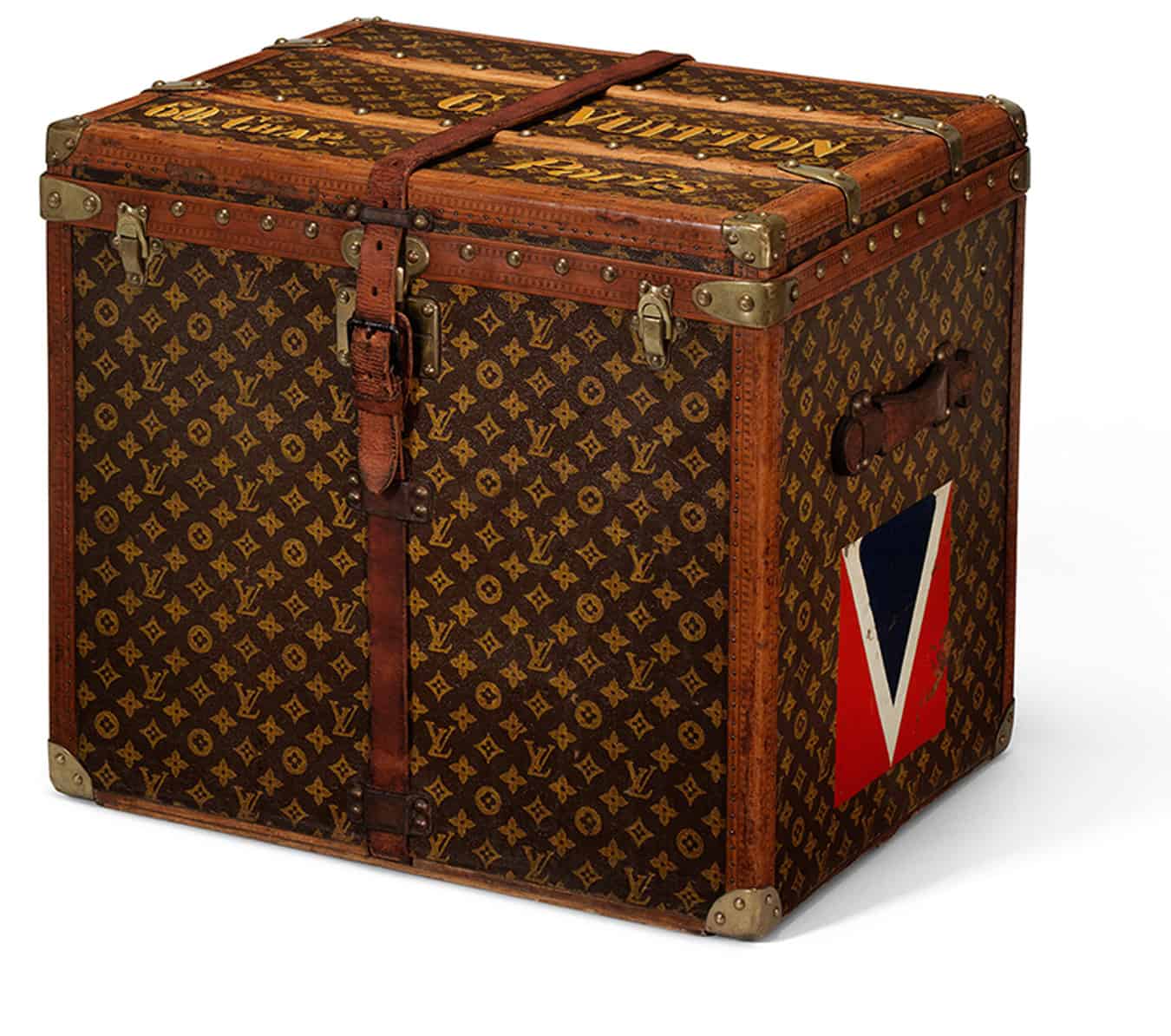
from left: Portrait of Louis Vuitton; Monogram Canvas Hat Trunk, made in 1912
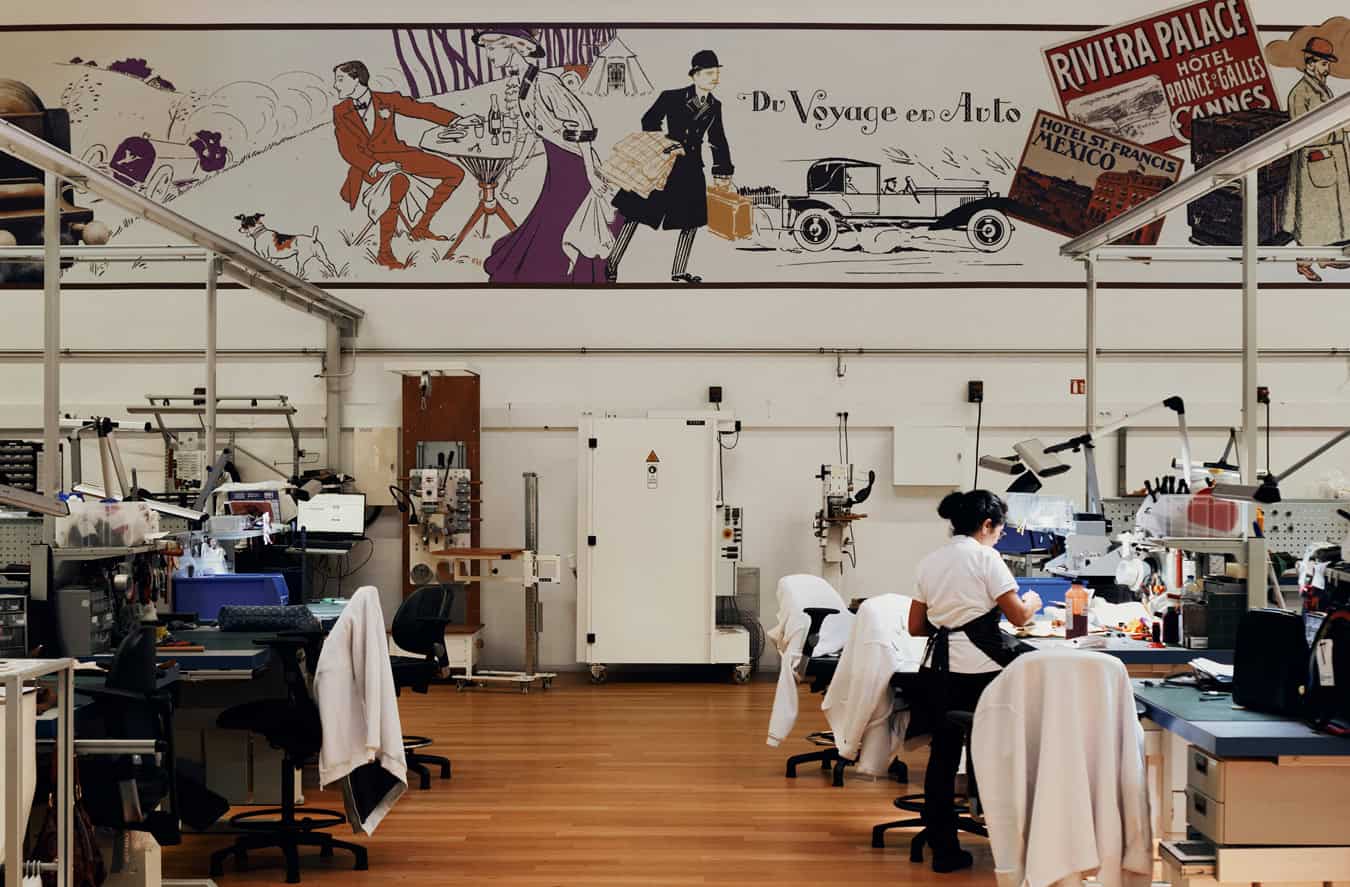
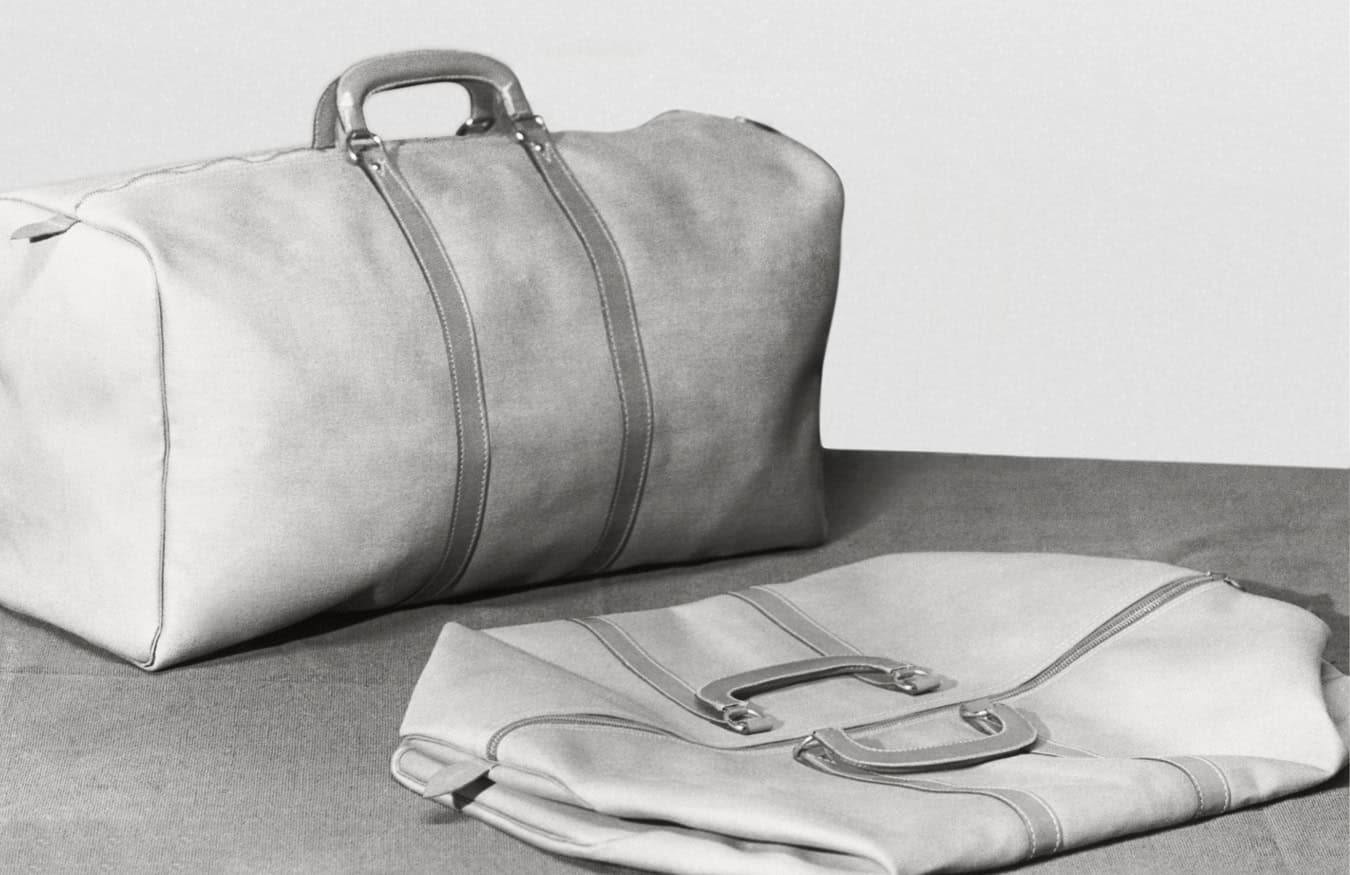
from left: A look into the ‘care and repair’ center in Cergy, an hour from Paris The Tientout bag, the original inspiration behind the Keepall;
Taken from 10 Magazine USA Issue 7 – HERITAGE, LEGACY, FUTURE – out September 18! Order your copy here.
LOUIS VUITTON: STAYING POWER
Text DIANA TSUI