Brooklyn’s Nowadays played host to panels and a 30-hour party at the end of Pride month.
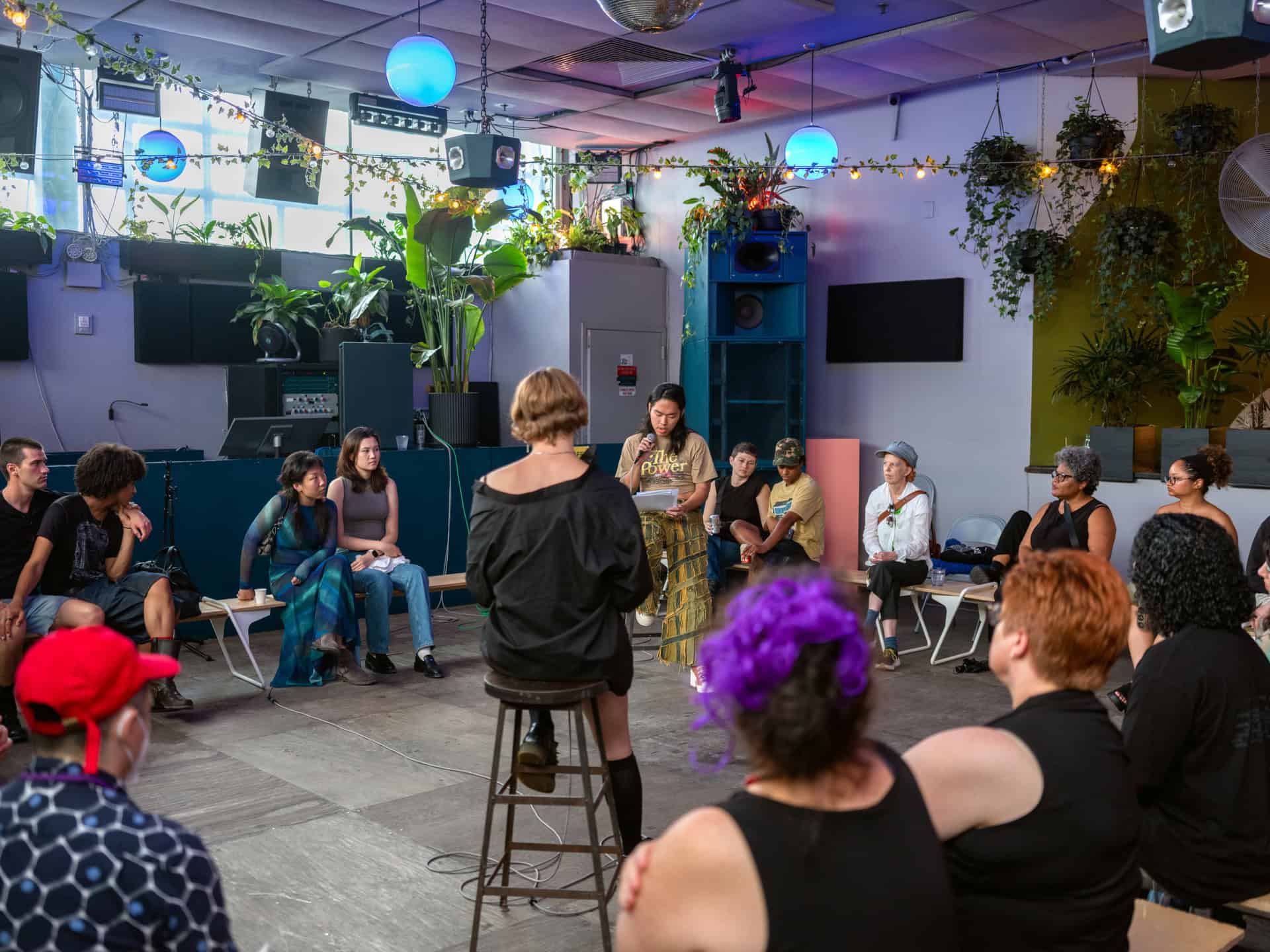
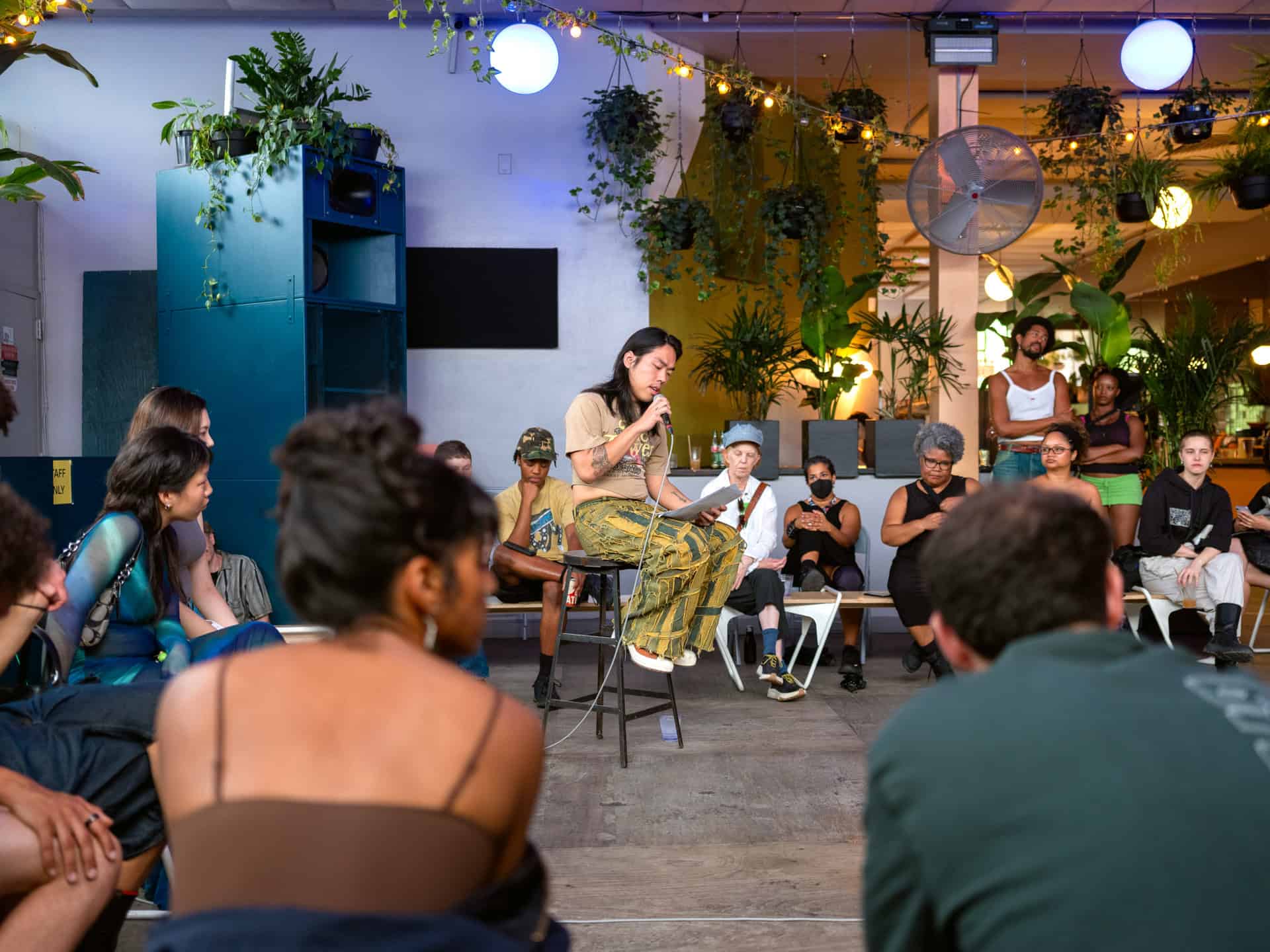
There’s a party deficit happening in America, which means people are lonelier than ever. But on the final weekend of Pride, Creative Time joined forces with Body Hack to present Sanctuary After Dark: Legacies of Queer Nightlife: a manifesto on community and nightlife. It all went down on Saturday, as the sun peeked through the brooding grey skies between warm bouts of summer rain. Dozens of people streamed into Nowadays at 2:30pm. The club, which I’ve only encountered in the blurry early hours of the morning, was calm but humming with excitement as seats and benches replaced the usual bevvy of sweaty, dancing bodies on the famous dancefloor.
While everyone waited for the panel discussion to begin, stalls selling zines and stickers lined the entrance. I struck up a conversation with Imani Thompson, the founder of Cache Me Outside, a digital defense circle educating the community on surveillance and technofascism and collected a zine on personal device encryption. It’s a mission that would be echoed in the panel.
As more guests filed in cradling colas and swigging glasses of natural wine, donations were collected at the door. After all, donations have always been at the center of Body Hack’s ethos. Started in 2018, Body Hack began as a trans-centered happy hour hosted at Mood Ring to fundraise money for surgery and rent. Eventually this turned into raising funds for collectives like Hope TGNC Latinx and Freedom Overground. This day, donations went to supporting Black Trans Liberation Kitchen and The Celebration of Black Trans Women Cookout.
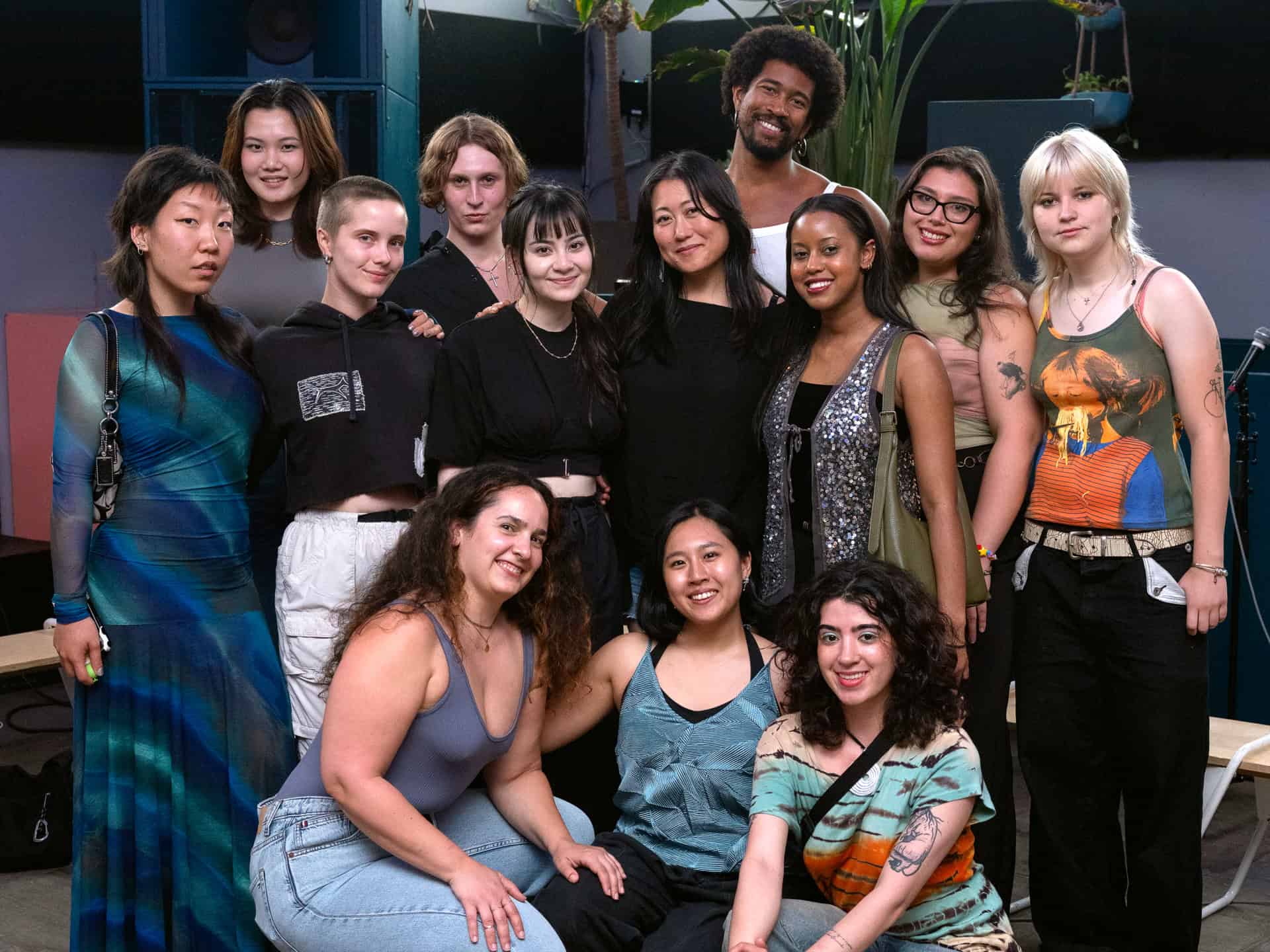
From left to right (top row): Iris Jing, Aimee Zhao, Madison Shaw, Buffy Sierra, Celine Wong Katzman, Yukiko Yamagata, Gervais Marsh, Savannah Frankie Griffin, Gloria Celeste Perez, Freya Rock From left to right (bottom row): Harineta Rigatos, Maiko Sein, Kat Carril
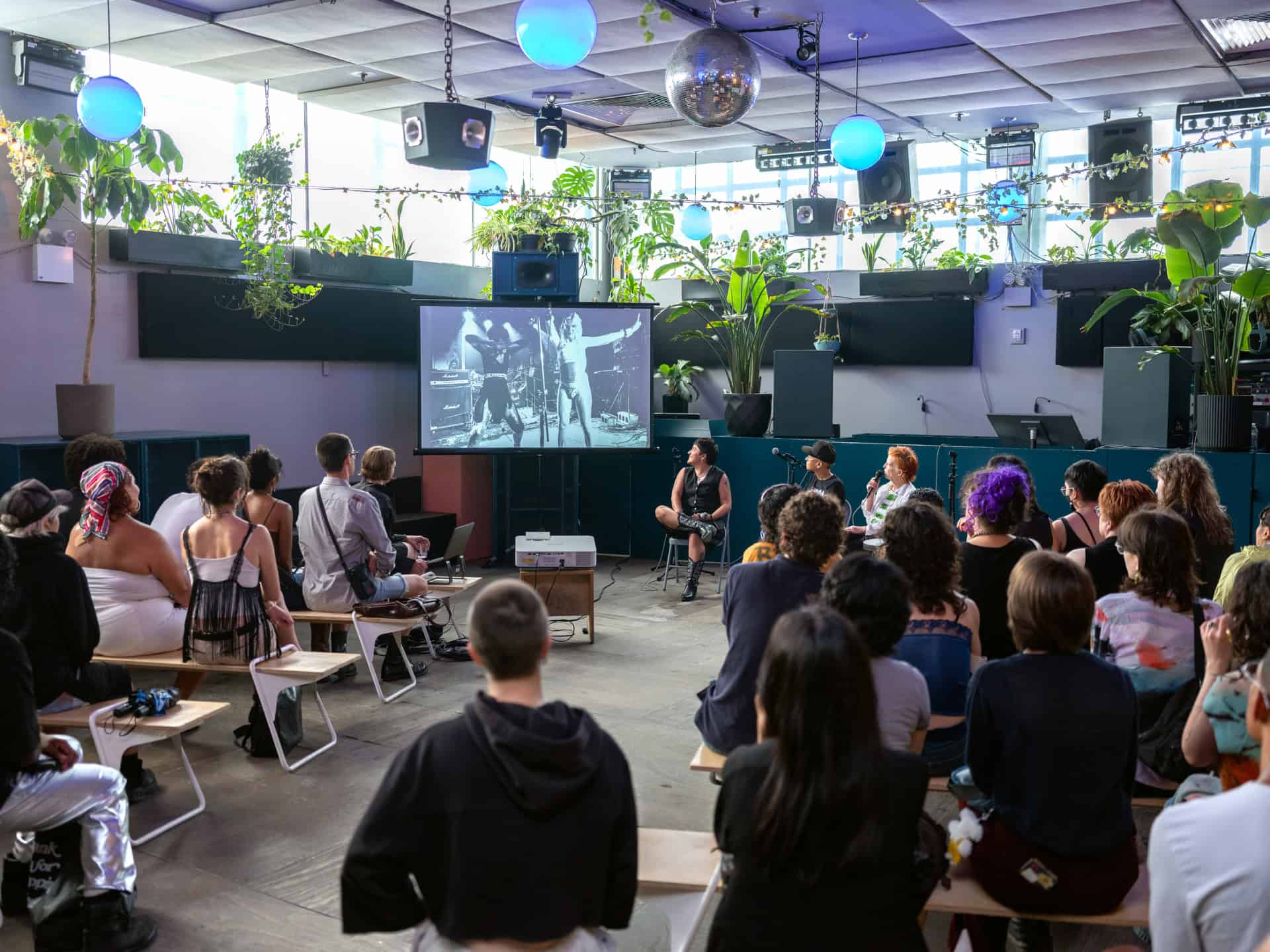
Soon, the room filled up with a mix of young fresh faces and those with stories that harkened back to the 80s and 90s. And when artist, writer, and Creative Time event coordinator, Buffy Sierra introduced the panel the room burst into claps, cheers, and awe. Iconic photographers and Clit Club royalty, Lola Flash and Alice O’Malley, and Body Hack co-organizer, viento izquierdo ugaz beamed back.
With the help of a projector, Flash walked the crowd through a collection of her cross-color photography, functioning like a pilgrimage through her time as a bartender-turned-documenter. For those unfamiliar, these images are created using the wrong chemical solutions. “I made a whole career from a mistake,” Flash admitted. This mismatch changes the hues — skin tone invert, blues turn yellow, greens turn blue, and photos are bright with dark shadows. Obscuring the subject’s identity meant Flash was able to record vignettes from their time at the Clit Club and even across London clubs like Milk Bar and Club Come, without outing people.
A notorious lesbian club located in the Meatpacking District, the Clit Club encapsulated 90s hedonism but also was a truly inclusive space. “It was the era of lesbian chic,” O’Malley once quipped in an interview. Produced by women of color and sex positive, it attracted everyone from leather dykes and high femmes, to Madonna. But beyond its place in club history, the stories told through Flash and O’Malley’s photographs go beyond someone’s name, occupation, and even their sexuality; they feel more like artifacts of pleasure, desire, revelry, during a time of such distress. So many of those etched in these images—and many who weren’t—didn’t survive.
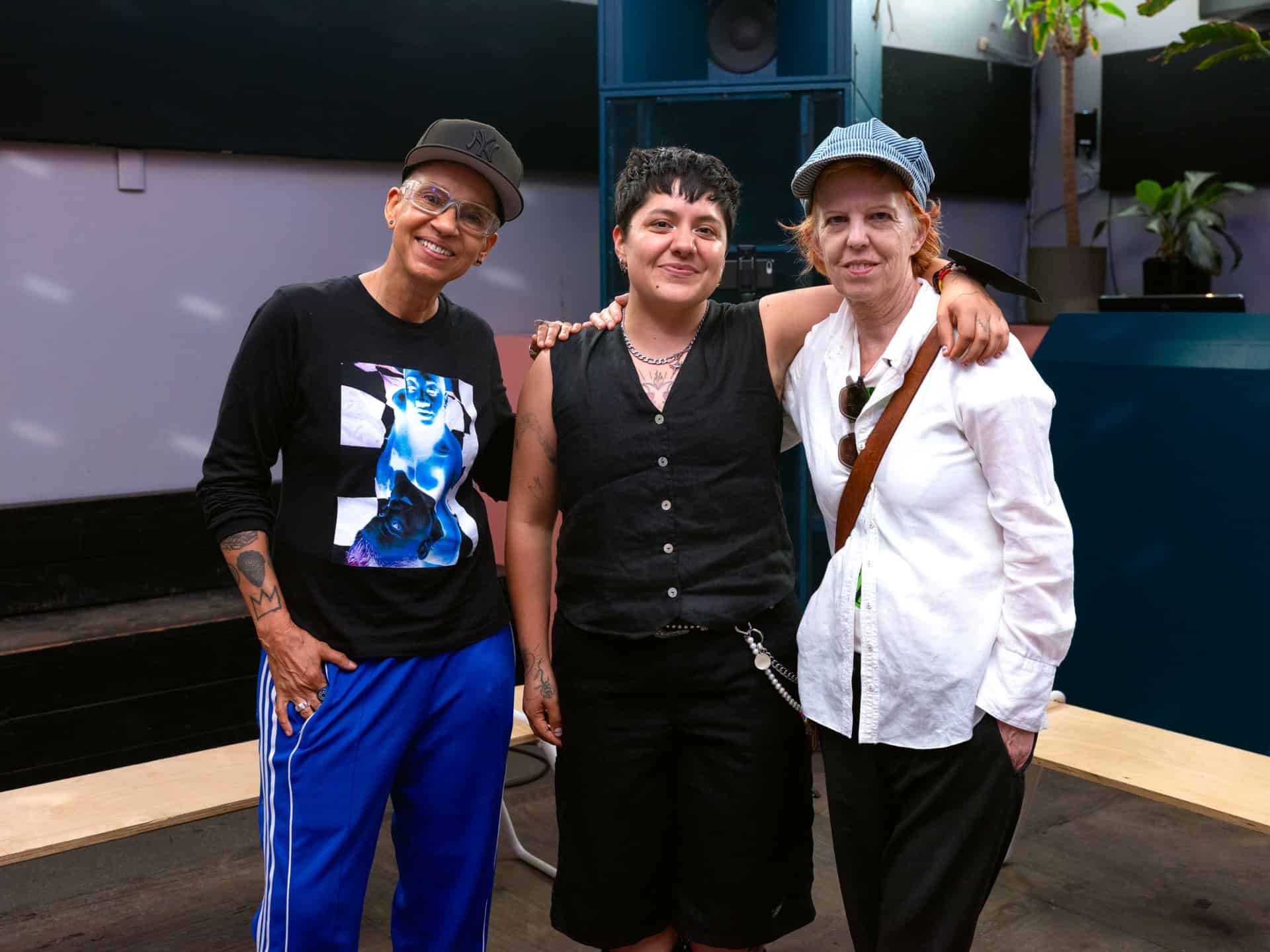
From left to right : Lola Flash, Viento Izquierdo Ugaz, and Alice O’Malley
Image 2: Anh Vo
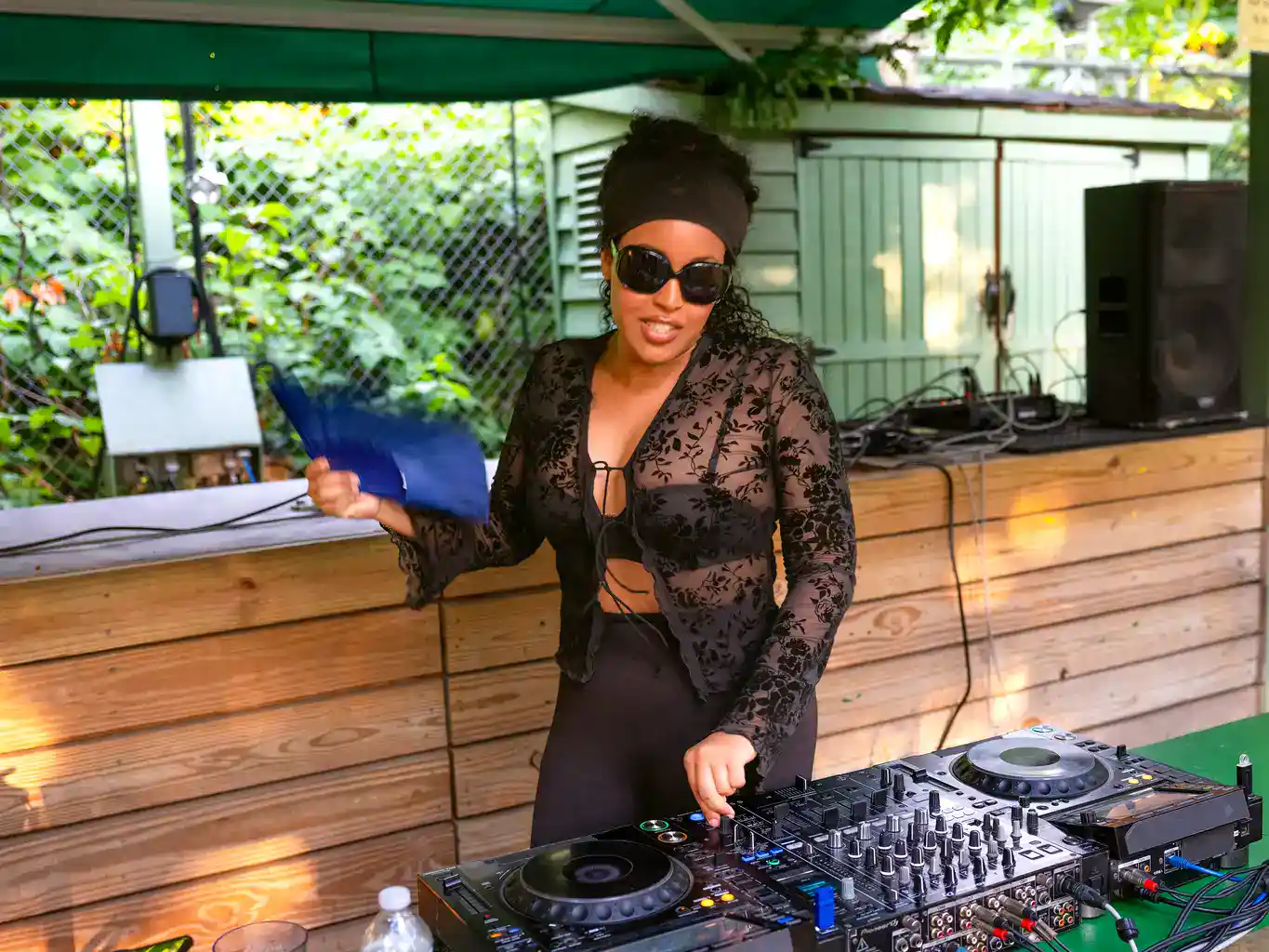
Image 3: DINAH
In the late 80s and early 90s, against the background of nightlife was the AIDS crisis, which decimated the queer community. The government’s failure to respond to the horrific disease that was killing so many people in the LGBTQ+ community meant there was no choice but to rally, protest, fight, and convene.
“By day, I felt like we were AIDS warriors,” Flash remembered. “And by night, we were partying the night away. Sometimes [we were] going to various clubs to get out information and we’d talk to people as we took images of them.”
O’Malley worked coatcheck at Clit Club and her portraits of 90s New York queer nightlife and activism made queer history visible. That post and Flash’s cross-color imagery were two sides of the same practice: control what’s seen, so the people inside could be unguarded.
Together, Flash and O’Malley told stories about capturing protests, the Kissing Doesn’t Kill campaign, their involvement with AIDS activist group ACT UP, and shared images of The AIDS Memorial Quilt—namely a patch that memorialized another person whose name was also Flash. They spoke about holding such pain, fighting for their rights during the day, and then coming together when the sun disappeared, to hold each other, intertwine, and dance in honor of those who died but also those who persisted.
Today, decades later, trans rights are being stripped away state by state. And here on the dancefloor that same alchemy, transmuting grief into gathering played out again. It was only fitting that as night loomed and the chairs disappeared from the dancefloor, Nowadays erupted into a non-stop 30-hour party, becoming both a refuge for queer community and a party that celebrated the sanctuary that remains after dark.