22 September 2026 |
Centering Caribbean craft, Rachel Scott’s Diotima has made a name for itself as the thoughtful label for independent thinking, creatively inclined, unapologetic women.
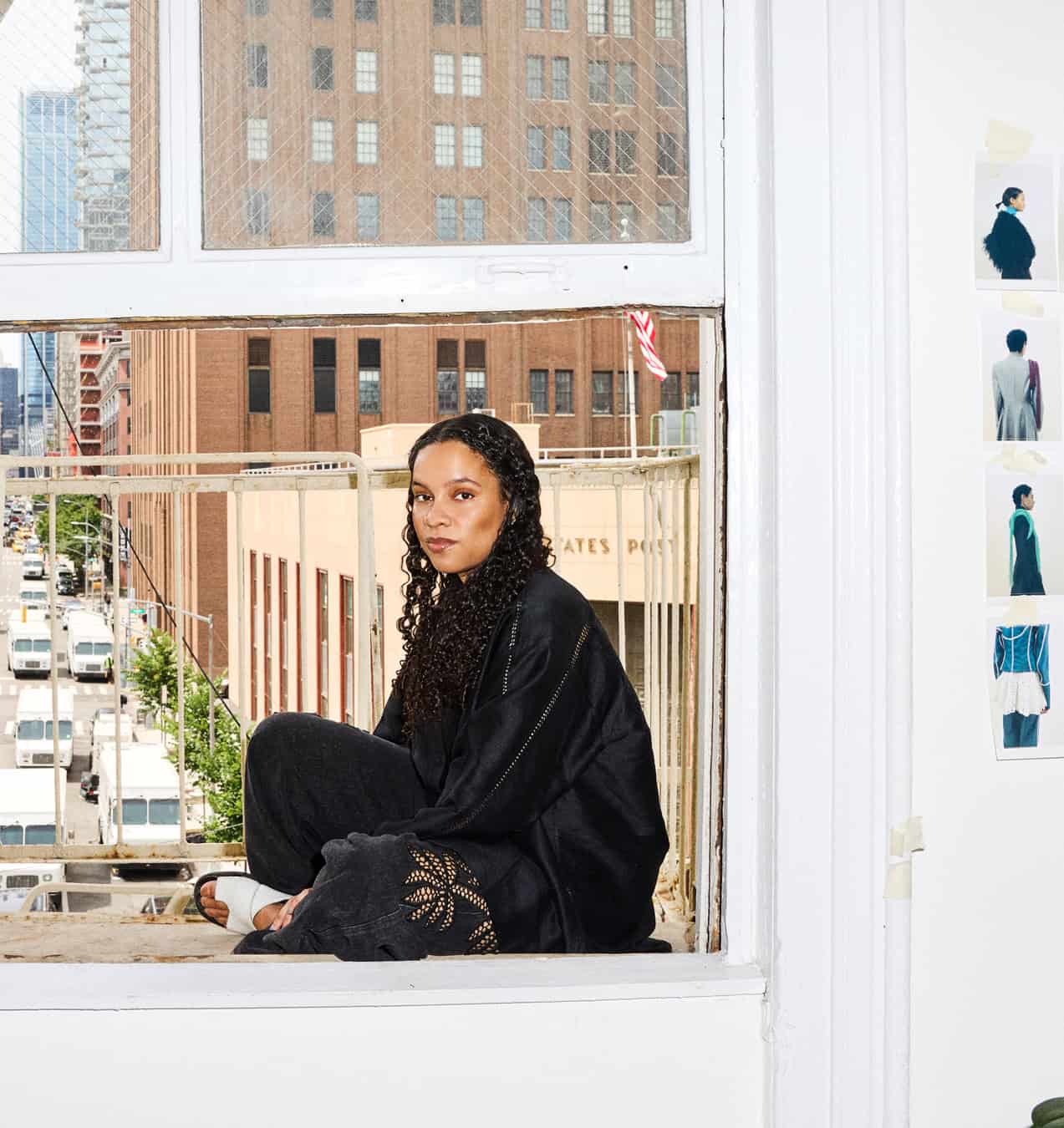
During the pandemic, Scott made some necessary life changes. While the world was hunkered down in collective fear, the designer reassessed everything she had ever known and took some massive leaps of faith. This included funneling her savings into establishing her own brand, Diotima, and adjusting her personal life to feel more authentic to herself. Not on the agenda: getting badly injured falling down a flight of stairs while bringing up garment bags, followed by a second incident at the airport while running to catch a flight. “All of it was terrifying; I was starting a business with very little capital, I went through a divorce, figured out I was a lesbian, broke my knee, and then my foot – everything just crashed into itself,” says Scott.
And yet, with great risk came great reward. In the five years since launching her business, Scott has won the Council of Fashion Designers of America Emerging Designer of the Year (2023); she was the first Black woman to win the CFDA’s American Womenswear Designer of the Year (2024); and the same year took home the first CFDA x Frazier Family Foundation Empowered Vision Award. Diotima has also become the go-to label for a bevy of smart, talented women, including Tessa Thompson, Greta Lee, Jessie Buckley, and New York City’s First Lady, Rama Duwaji. Last year Scott’s keen eye for tailoring and artful details led to her appointment as creative director at Proenza Schouler, following the departure of founders Jack McCollough and Lazaro Hernandez. It’s not lost on Scott that a queer, Black, immigrant woman has quietly taken the reins of American fashion. As her wife, community organizer Chaday Emmanuel Scott, puts it: “What Rachel has been able to do in this political climate is a testament to the fact that she’s unstoppable. It is practically unheard of for a Black woman to be named the head of any fashion house. To be where she is, representing not only women but also immigrants, queer folks, and people of color – that’s a really hopeful message to us all.”
For her stylist and friend Becky Akinyode, Scott’s ascent is a testament to her faith in her abilities, “Anyone who works in fashion or art isn’t doing it for financial gain, it’s because they have a dream. She worked her way to where she is now without family money or connections, which is inspirational.”
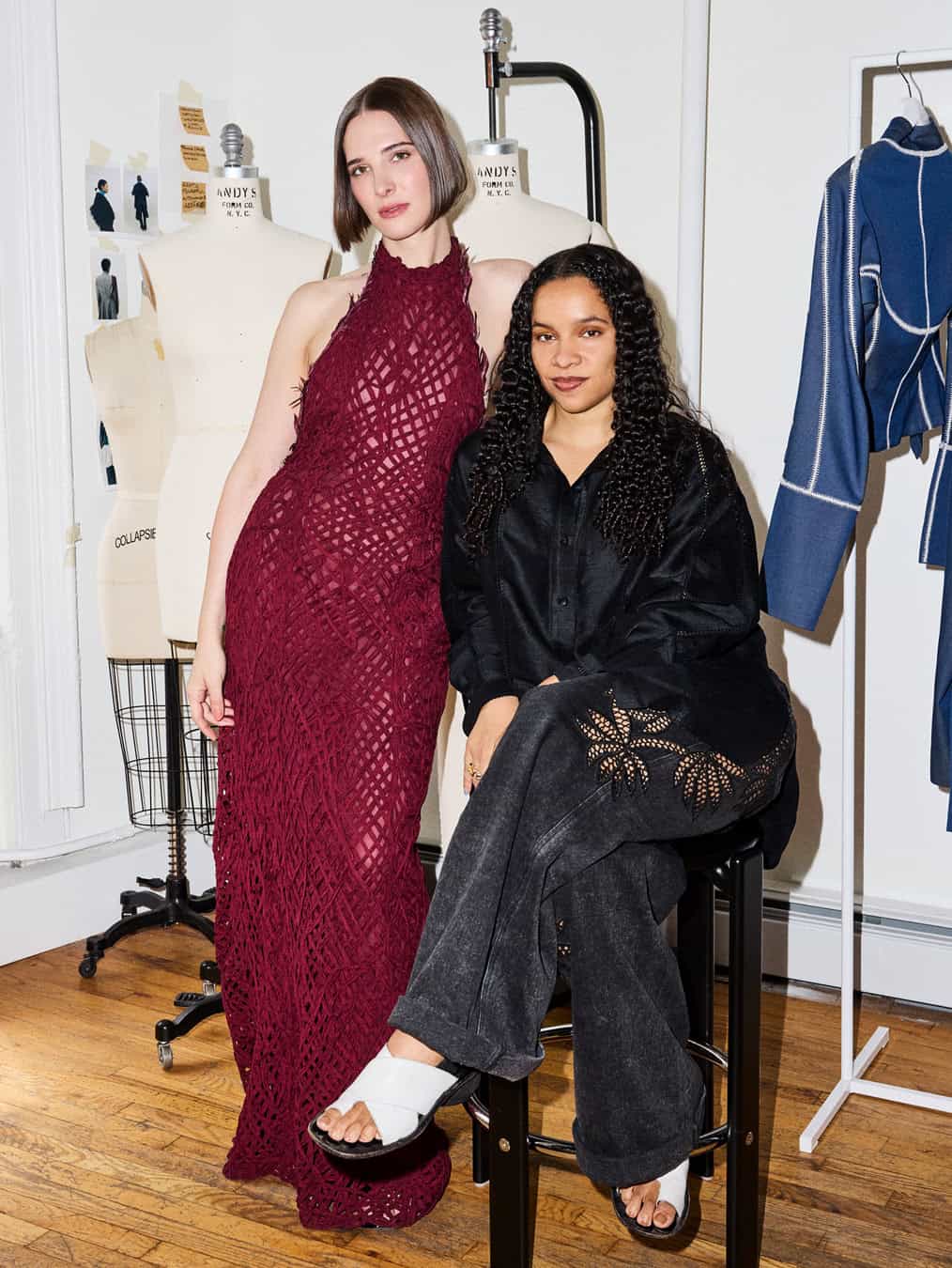
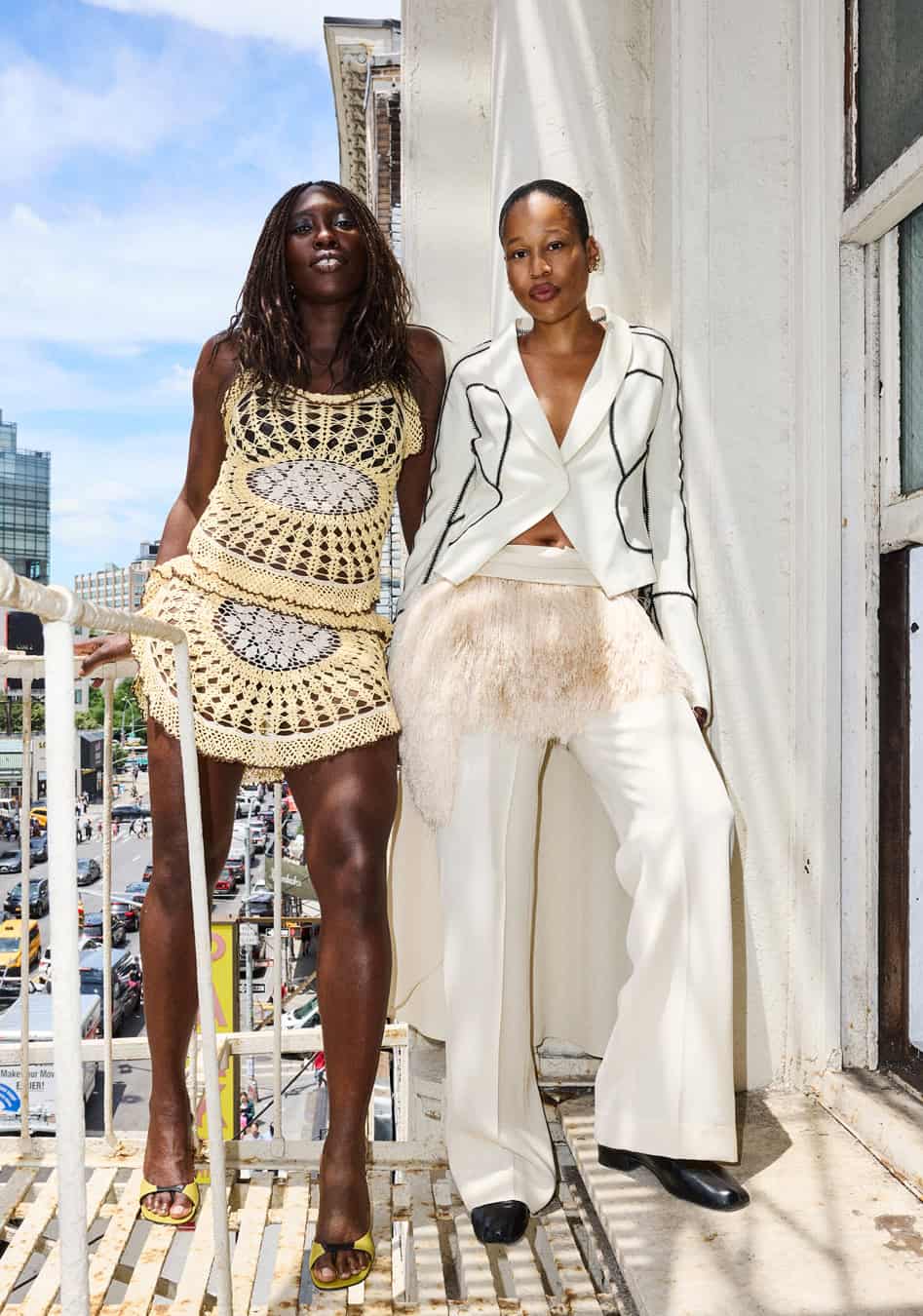
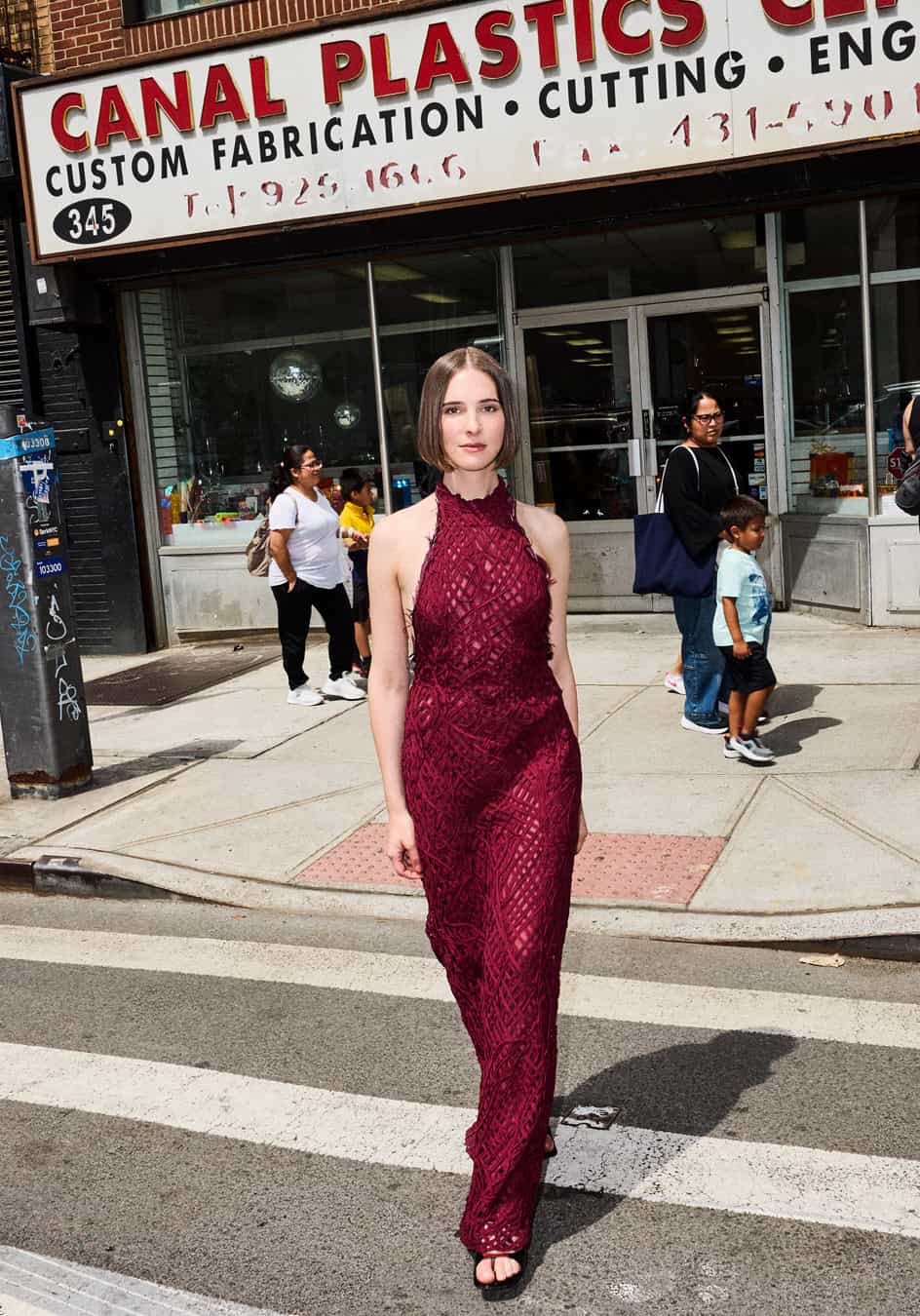
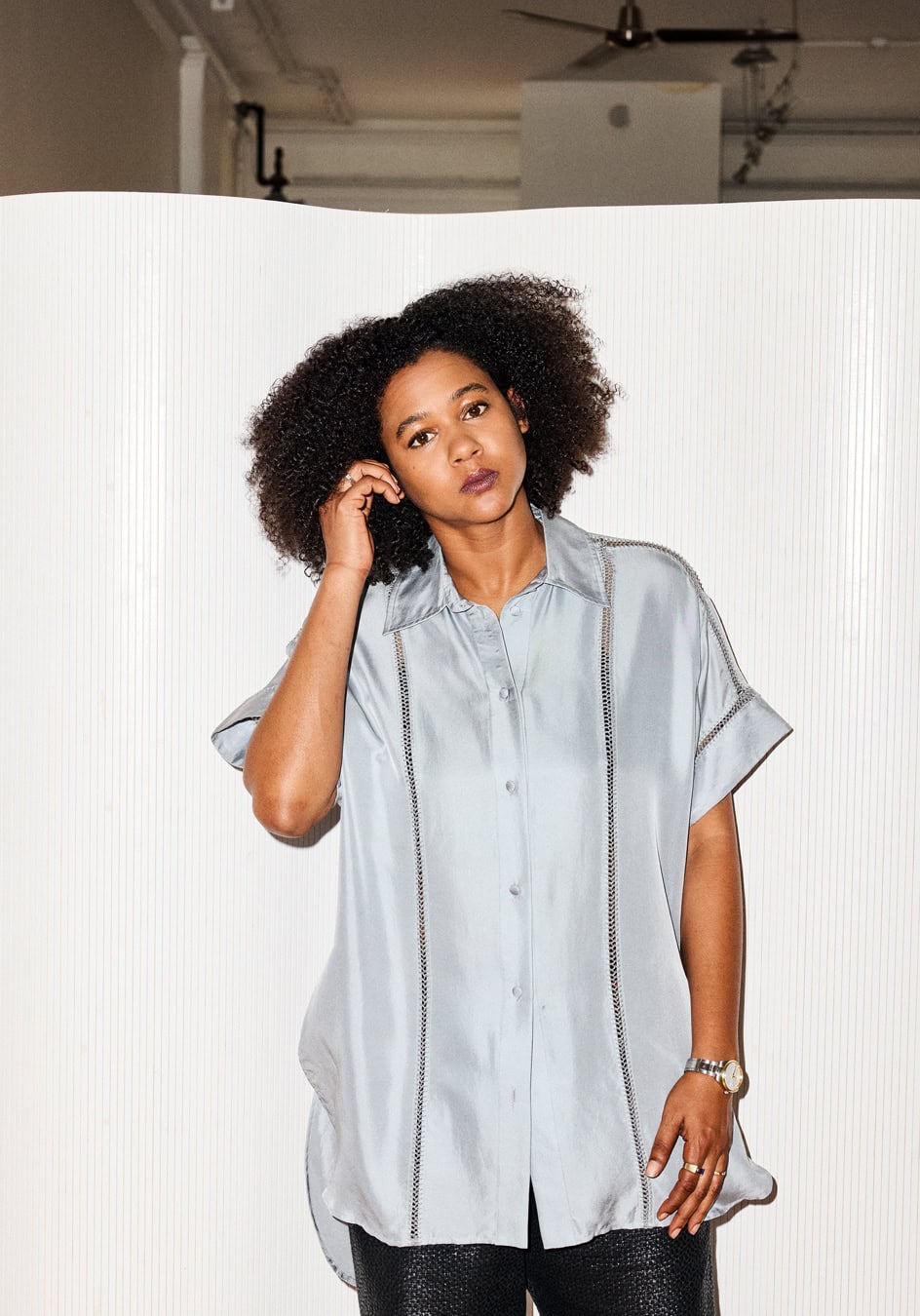
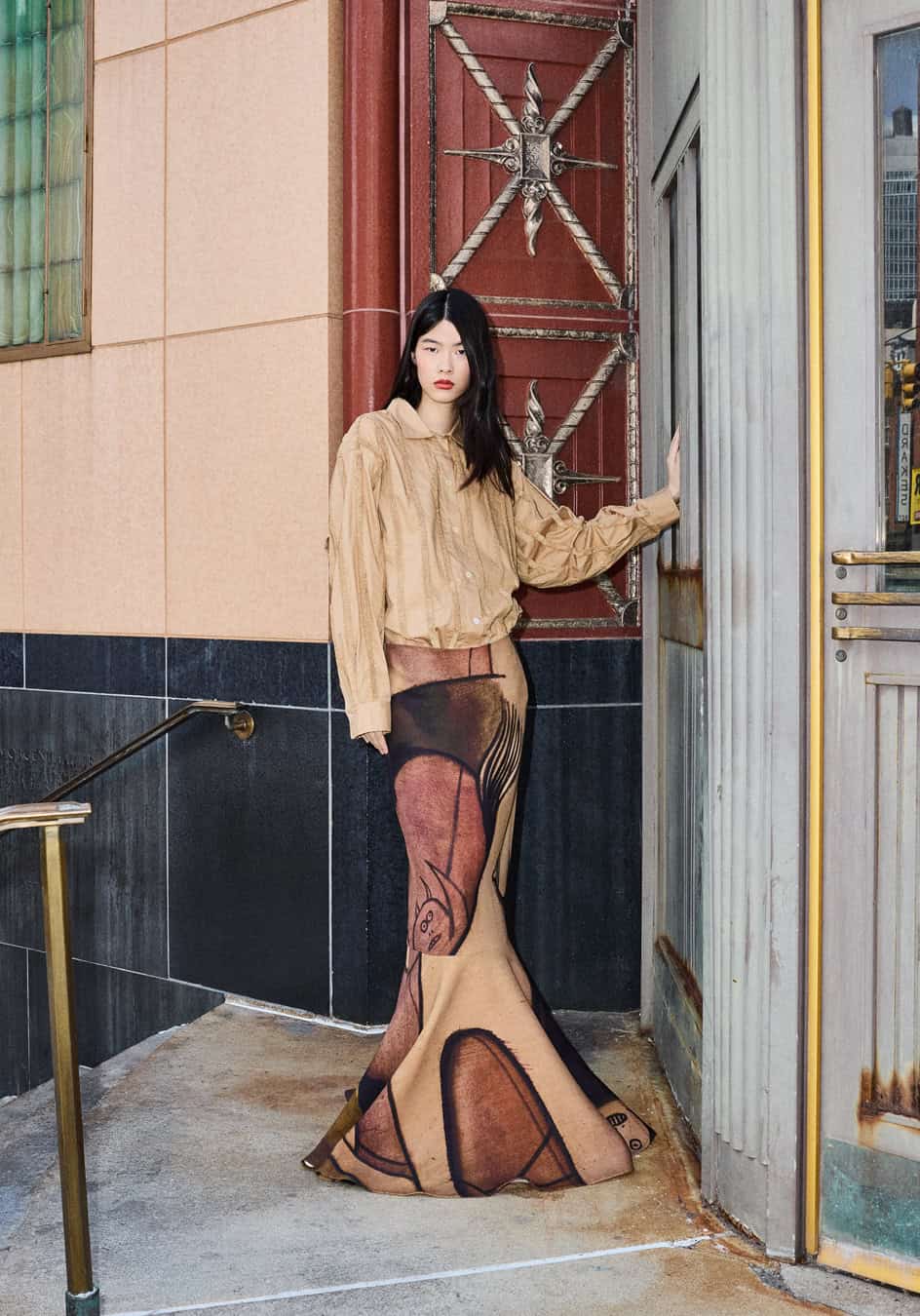
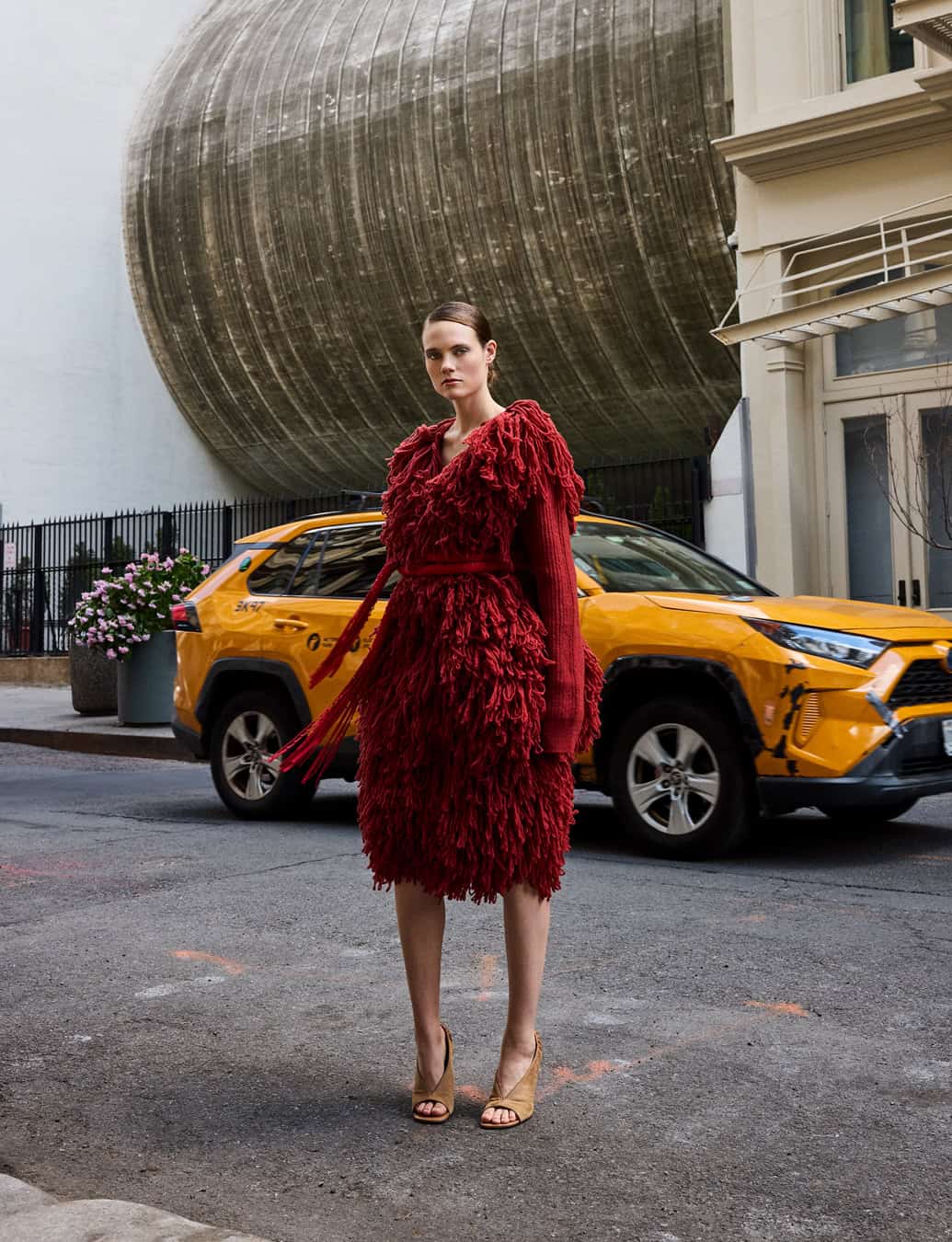
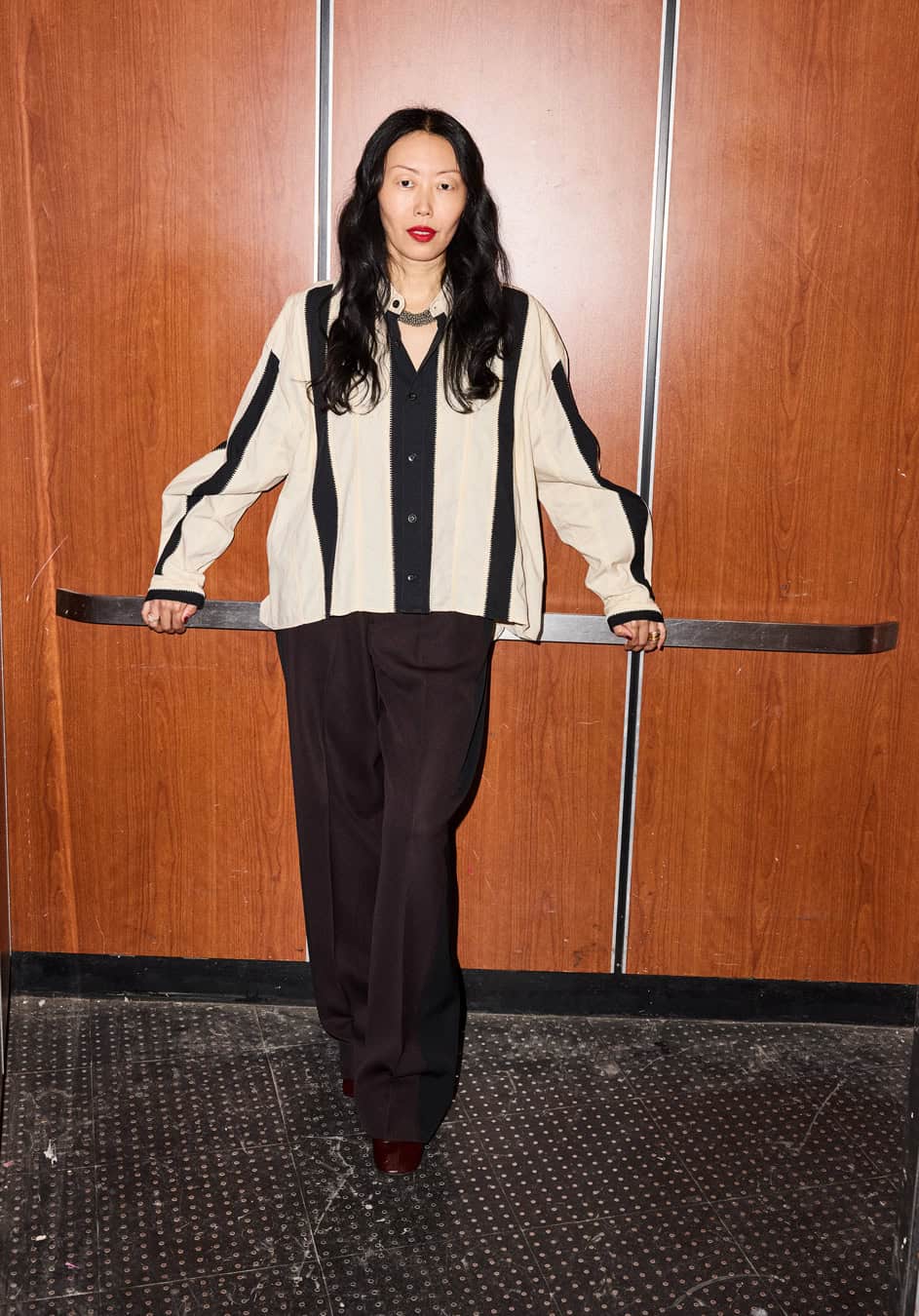
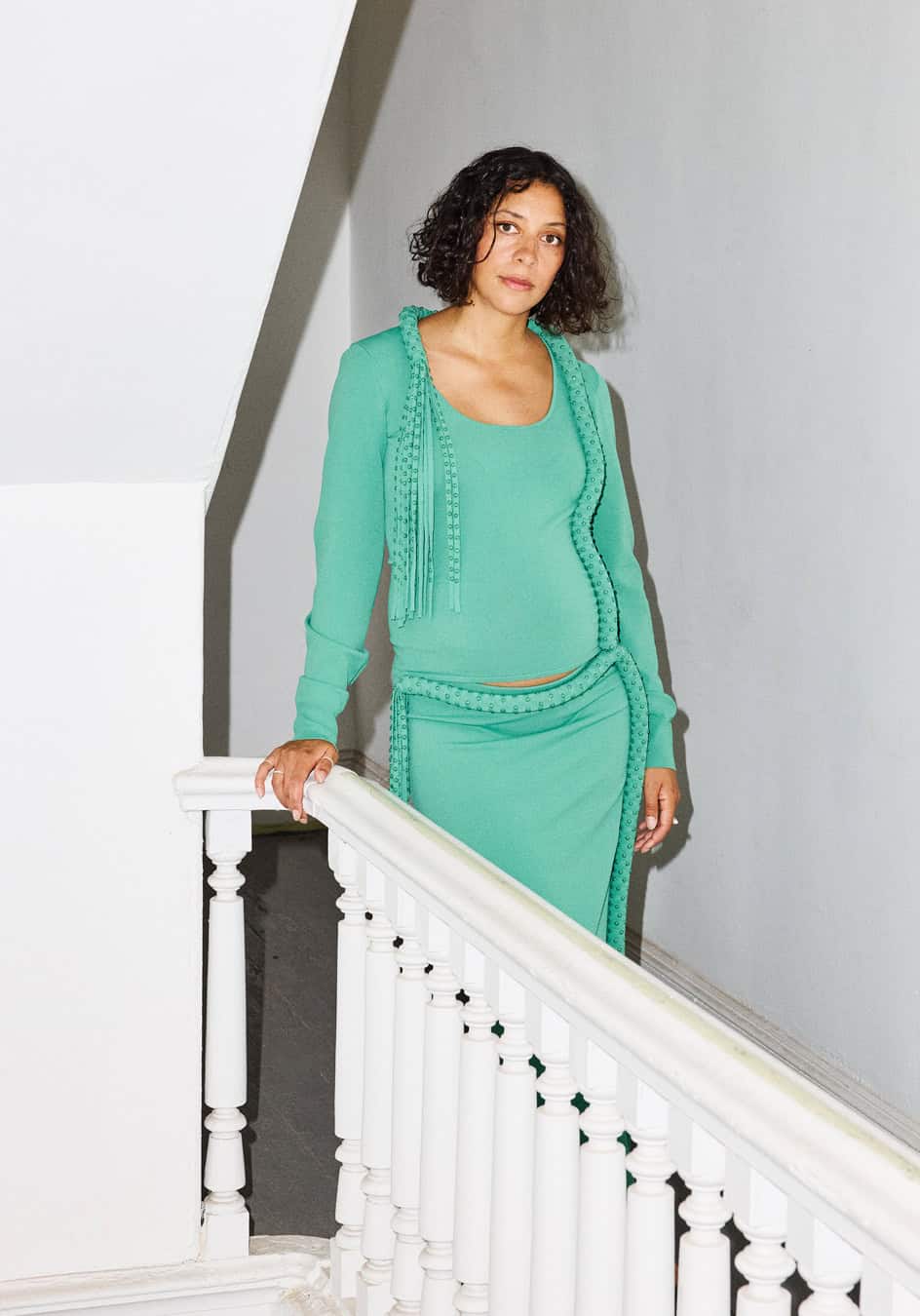
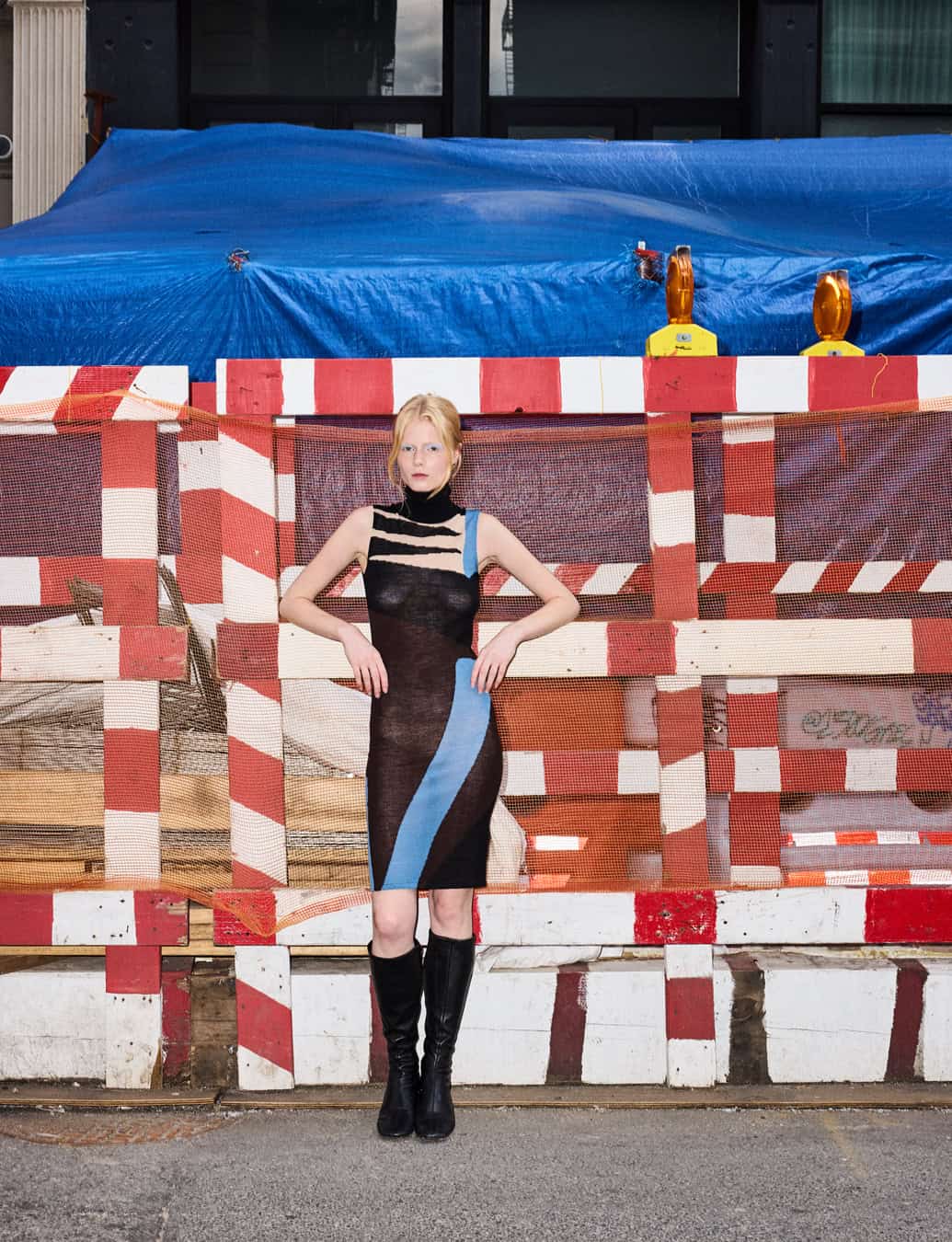
Born and raised in Kingston, Jamaica, Scott moved to the United States to study at Colgate University, Upstate. After double-majoring in art history and French literature, she enrolled at Milan’s Istituto Marangoni to study fashion design, eventually beginning her career as an assistant designer at the city’s Costume National. Then came stints at J. Mendel, Elizabeth and James, and Rachel Comey, where she rose through the ranks to become vice president of design. As devoted as she was to working for other brands, Scott ultimately had one goal in mind: a label of her own.
She officially launched Diotima in 2021 and named it after Diotima of Mantinea, an ancient Greek philosopher and priestess mentioned in Plato’s Symposium, whose theories on beauty, creation, and immortality Scott admires. Diotima is a celebration of the artisans and cultures across the islands, conceived in response to what Scott felt was a flattening of Caribbean identities in fashion. “I had seen brands reference the Caribbean before, which is wonderful, but what bothered me is that it never felt like true engagement. It was an idea that was exoticized and often referenced the ’70s. There was no complexity,” says Scott. Scott approaches Diotima as an intellectualized study representing the diversity of cultures from the islands. Her debut collection featured slouchy linen suiting that nodded to dancehall musicians, intricate crochet tops worn from day to night back home, and sexy swimwear that cut high on the leg. All of the pieces were created in partnership with Jamaican artisans. “We have a history of craft too, but no one ever talks about that,” says Scott. “Instead, we’re sold this idea of heritage in a very Eurocentric way. I take issue with that.”
Scott’s ever-growing community of supporters recognize her talent and her struggle. “There is so much intention behind each design choice – it’s not embellishment for its own sake, rather a deep connection to where the craft came from,” says photographer Deirdre Lewis, who shoots for the brand. “You can be fully covered, but there’s still a sensuality to everything. You’re strong but sexy at the same time. I think a lot of women want that feeling,” says Shin Ae Lee, who serves as Diotima’s director of strategy and operations, and has also been Scott’s day one bestie since their first day of college.
Diotima’s Fall/Winter 2026 show celebrated the work of artist Wifredo Lam, who was of Cuban, Congolese, and Chinese descent, and was also a contemporary of Pablo Picasso and Henri Matisse. His most recognized paintings, Femme Cheval, La Jungla, and Omi Obini, honored Afro-Cuban traditions and the feminine divine, both of which are subjects close to Scott’s heart. Once again, the designer launched into a Hail Mary moment, conceptualizing designs before the partnership with Lam’s estate went through. It did, two months before fashion week – a nearly impossible timeline that resulted in Scott sewing the finale coats 10 minutes after the show was scheduled to begin. But once again, the gamble paid off: the Diotima show was heralded by the press as one of the highlights of New York Fashion Week, with the painterly coats, digitally printed wool and silk skirts, and sharply tailored jackets gaining particular appreciation. Backstage, the love bubbled over. “When you’re in the weeds leading up to the show, you sense how personal and emotional it is to her,” says creative producer Shay Johnson.
“And once it finished, there’s a feeling that takes over your body. All the models cried at the end. I’ve never worked on something like that before.” With this outpouring of love and support, Scott knows she can go far. What will the next five years look like? The advent of standalone stores? New, thoughtful collaborations? Only time will tell, but Scott’s commitment to supporting her culture won’t change. “Nothing is ever sure,” she says, “so you should just live for what you believe in.”
Taken from 10 Magazine USA Issue 7 – HERITAGE, LEGACY, FUTURE – out September 18! Order your copy here.
Photographer JEREMY LIEBMAN
Fashion Editor and Text DIANA TSUI
Talent RACHEL SCOTT, CHANTEL CHADAY, EMMANUEL SCOTT, ZIHAN QI, KATE MCNAMARA, EMILY LIPTOW, SHIN AE LEE, SHAY JOHNSON, BECKY AKINYODE, DEIRDRE LEWIS, and HARI NEF
Hair SKYE MELENA
Makeup STEVIE HUYNH
Hair assistant AZMAREE C.
Makeup assistant ASHLEY BROKAW
Clothing and accessories throughout DIOTIMA