Entrepreneur and environmental advocate David de Rothschild on climate fatigue, artificial intelligence, and why the future depends on rekindling our sense of wonder.
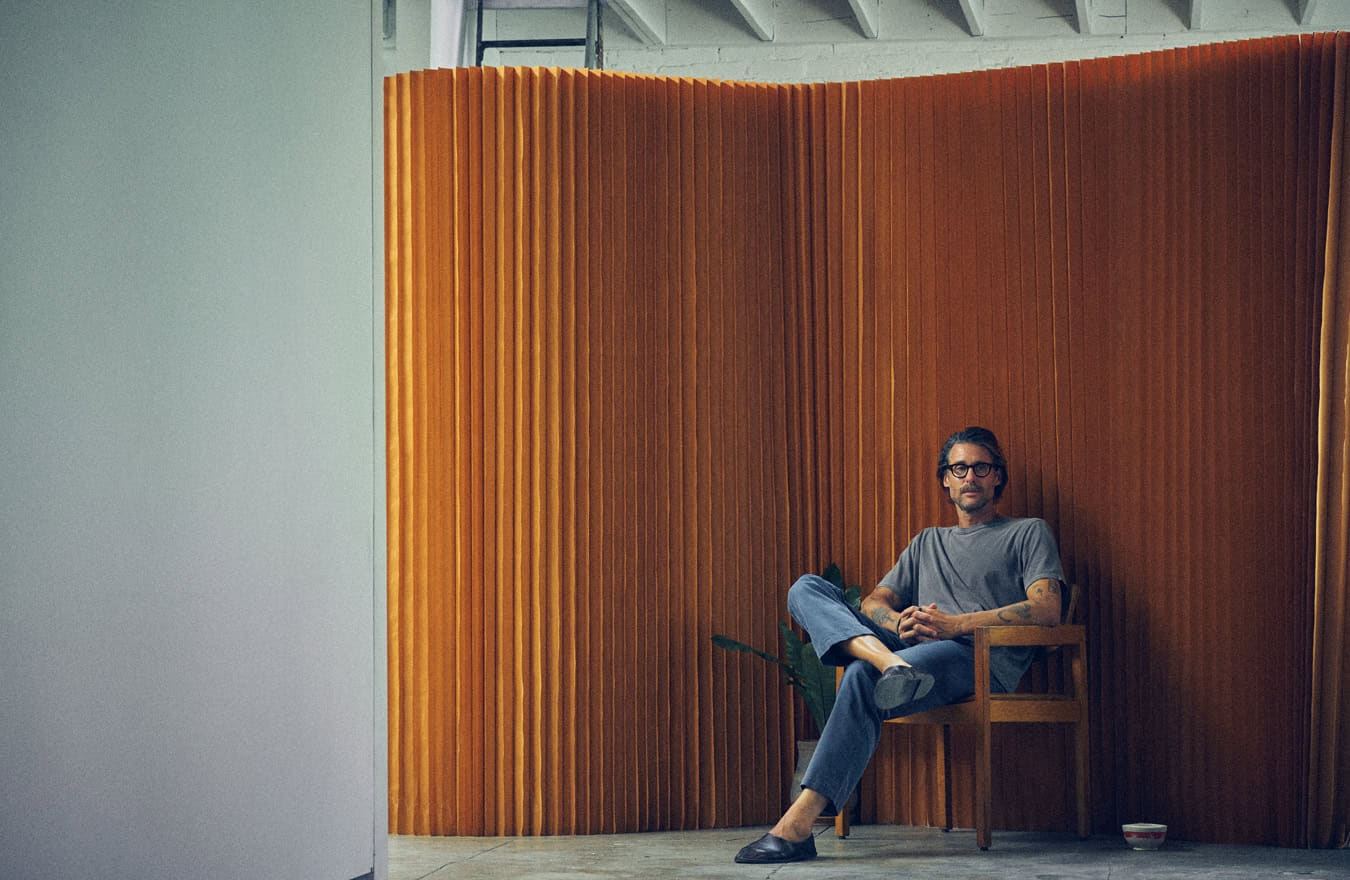
There was a time, recently, when sustainability seemed destined to become the defining conversation of the 21st century. Fashion brands raced to announce new environmental initiatives, while corporations published increasingly ambitious climate pledges, and talk of carbon footprints and net zero entered the mainstream lexicon. And though the urgency of the crisis hasn’t diminished, the conversation around it has. Attention has shifted elsewhere, driven by our short attention spans and the churn of the endless news cycle, leaving many of the environmental questions that once dominated public discourse competing with constant political upheaval, economic anxiety, and technological disruption.
David de Rothschild, who has dedicated much of his life focusing on the natural world, is trying to find a different way to keep the climate change discourse alive. The British explorer, environmental advocate, and entrepreneur first came to international attention through his expeditions, from skiing both the North and South Poles to sailing the Pacific aboard Plastiki, a 60-foot catamaran constructed largely from reclaimed plastic bottles in order to spotlight ocean pollution. More recently, his attention has turned toward The Lost Explorer, which started as a sustainable clothing brand but has since evolved into a premium agave spirits company, celebrating craftsmanship, regenerative agriculture, and the slow rhythms of nature.
Splitting his time between Venice Beach and Ojai, California, with his family, de Rothschild continues to champion environmental stewardship, but he has become increasingly convinced that facts and fear alone are unlikely to change minds. If people are going to care about the natural world, he believes, they first have to fall back in love with it.
Ahead of a talk at NYC’s Museum of Natural History, we spoke with de Rothschild about climate fatigue, artificial intelligence, optimism, and why slowing down may be one of the most radical acts of all.
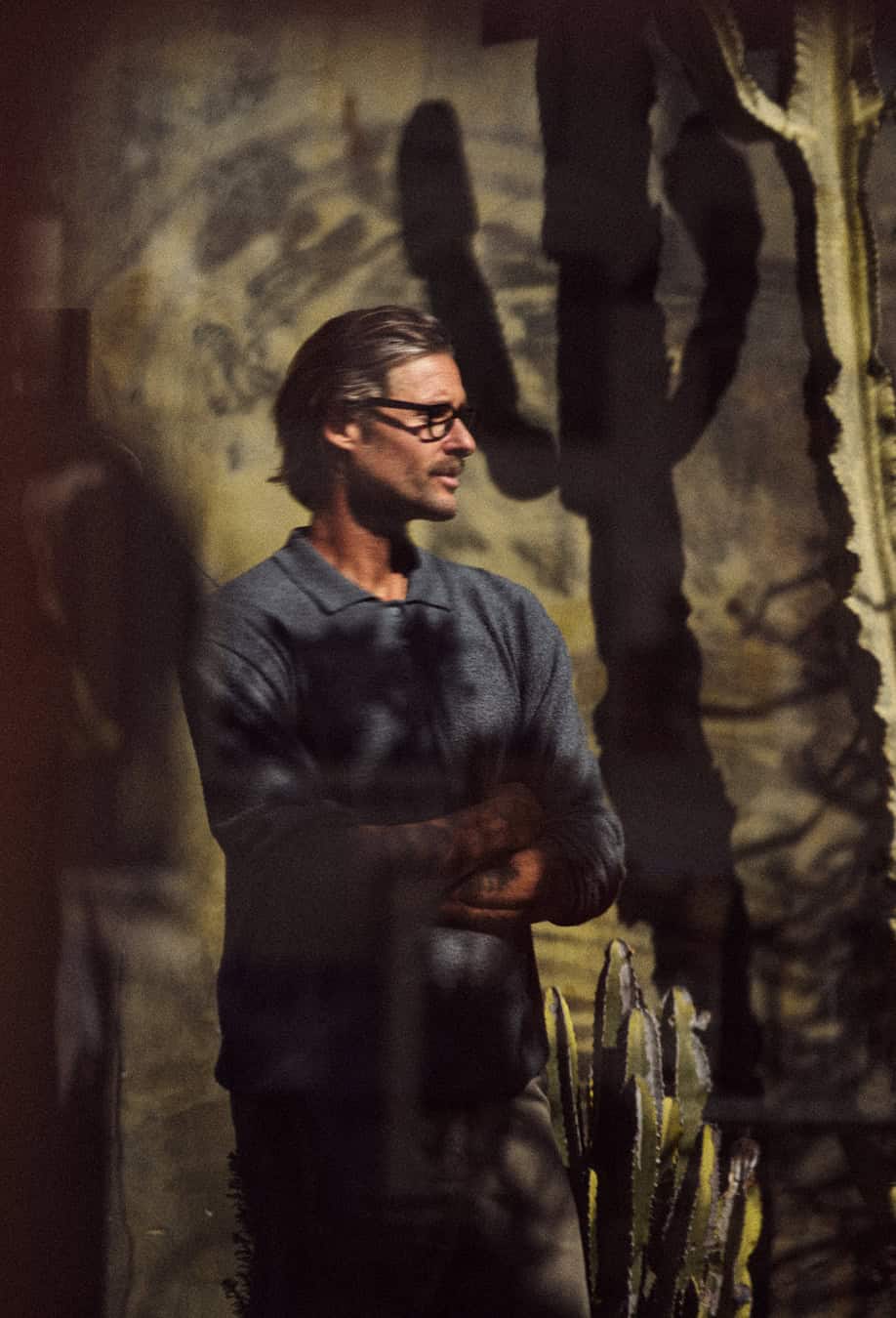
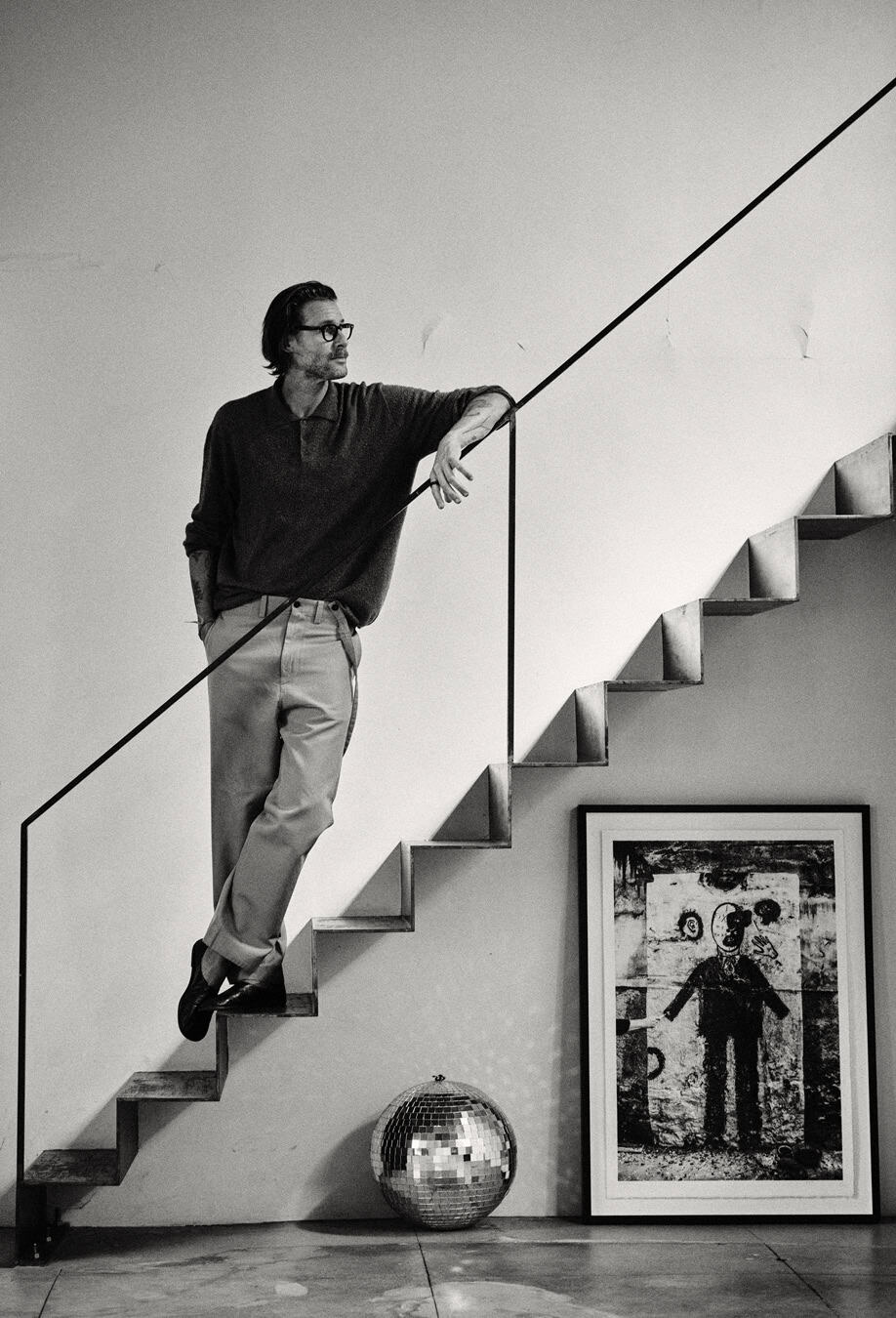
Environmentalism seemed to be moving toward the center of culture. Today, even as climate realities become harder to ignore, sustainability has receded from fashion, media, and business conversations. Are we living through a period of environmental fatigue?
Absolutely. But I also think we’ve been telling the story in a way that doesn’t fit how people are wired. For years, the rallying cry was that this existential crisis was coming for all of us. We talked about tipping points, rising temperatures, carbon emissions, and all these enormous and interconnected systems that are incredibly difficult for most people to visualize. From an evolutionary perspective, we’re programmed to respond to immediate danger. We’re afraid of the darkness in the woods or something lurking around the next corner. Climate change doesn’t trigger that same instinct because it’s gradual, abstract, and often invisible. Then we layered guilt on top of it. “You didn’t recycle. You used a plastic bag. You didn’t buy the electric car,” and so on. Guilt isn’t a particularly motivating emotion. It usually makes people defensive. We’ve also created this strange idea that nature exists somewhere “out there,” when in reality we’re part of it. Asking people to care about the death of a rainforest or a polar bear can feel remote when they’re already worrying about paying the rent or putting food on the table. Self-interest becomes survival, and convenience almost always wins.
What gives me hope is that people are already reconnecting with nature, even if they don’t describe it that way. The explosion of run clubs, farmers’ markets, community gardens, foraging groups, people simply choosing to spend more time outdoors. Those are environmental stories, even if nobody calls them that. Nature improves our mental health, lowers stress and reminds us that we’re part of something much bigger than ourselves. I think that’s where the conversation has to go. Less fear, less lecturing, and more helping people rediscover their sense of wonder.
Artificial intelligence has quickly become the defining technology story of our era. Do you see AI as a distraction from climate challenges, a tool for solving them, or something else entirely?
Like most things, I don’t think it’s binary. The worrying part is how quickly we’re integrating AI into society without fully understanding where it could lead. It’s a remarkable tool, but it can also become a very dangerous one. We’re entering an era where you can no longer assume that what you’re looking at is real, and that’s certainly a profound shift.
At the same time, AI has extraordinary potential. It could accelerate medical breakthroughs and eliminate repetitive work, and give people more time to spend with each other or out in nature instead of staring at a screen all day. Creatively, it’s simply another medium, much like photography or digital cameras were before it. My concern isn’t the technology itself. It’s how we choose to use it. If we’re thoughtful, AI could become an incredible tool for discovery. If we’re reckless, it could create risks we’re only beginning to imagine.
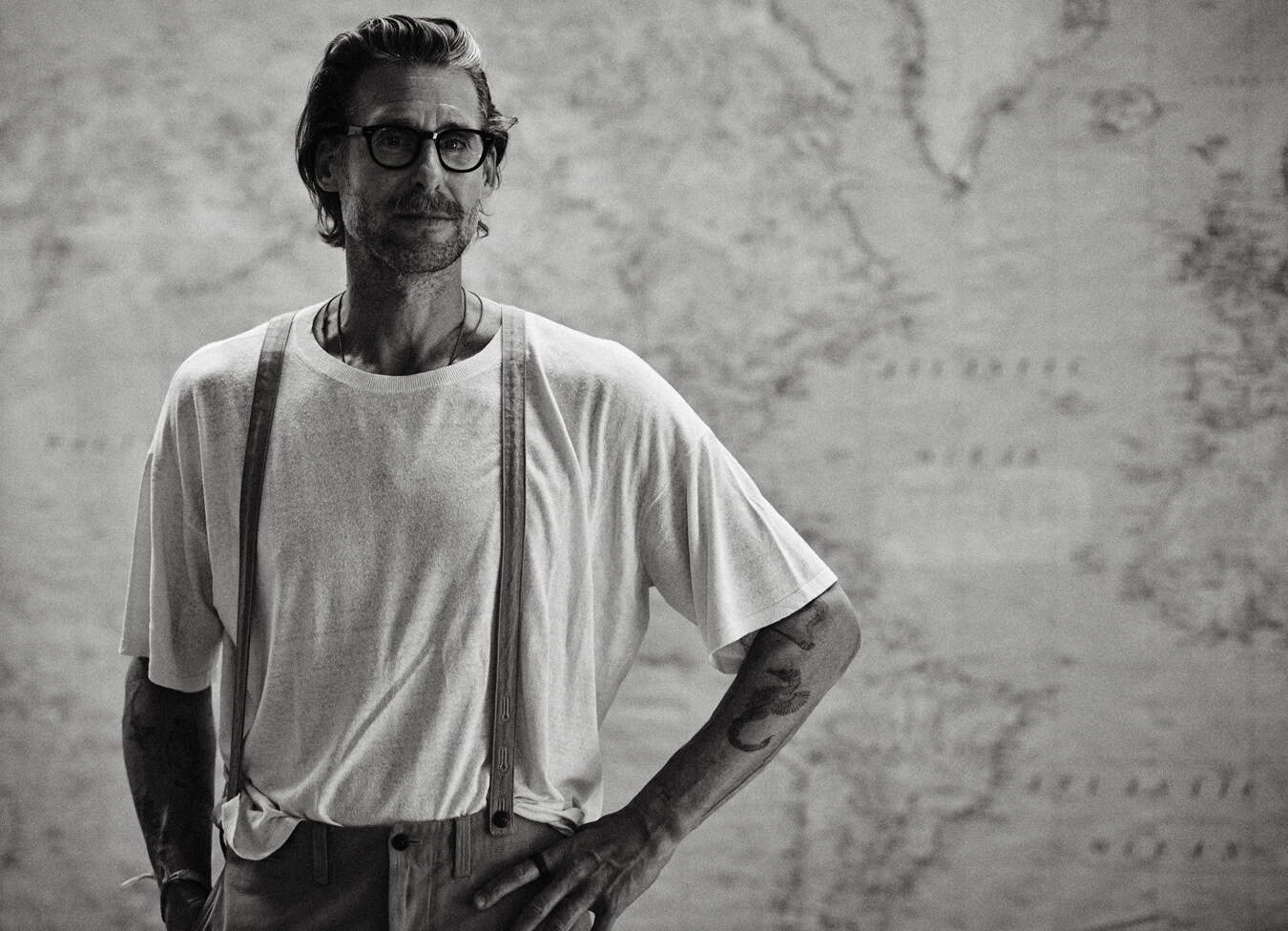
You’ve spent years advocating for a lighter footprint on the planet, but you’ve also built a luxury spirits brand. Do you see any contradiction between luxury and sustainability?
Well, I think our definition of luxury is changing. For me, The Lost Explorer has never really been about selling a bottle. It’s about everything that bottle represents. Agave teaches patience. It can take well over a decade before a plant is ready to harvest. You can’t hurry that process. You have to work with nature on its own timeline. What drew me to mezcal and tequila was the extraordinary craftsmanship behind them and the deep connection to place. You spend time with producers in Oaxaca and realize they’ve forgotten more than I’ll ever know. There is an incredible respect for the land, for tradition, and for doing things properly rather than quickly.
I also love the idea of cultivating connection. One of my favorite things in the world is sitting around a table with friends, sharing stories over a long dinner. In a culture that’s constantly encouraging us to speed up, those moments feel increasingly valuable. Sometimes the best conversations begin with opening a bottle and before you know it an afternoon has turned into a friendship.
You’ve spent much of your career exploring some of the world’s most remote places. In an age of constant connectivity and accessibility, what does exploration mean to you today?
Exploration has never really been about putting a flag somewhere that nobody has been before. It’s about curiosity. The world is changing at an extraordinary pace and I’m fascinated by it. Whether it’s artificial intelligence, regenerative agriculture, or the incredible communities preserving traditions that have existed for centuries, there’s always something new to learn. The older I get, the more I realize that the most interesting people aren’t the ones who think they have all the answers. They’re the ones who remain curious. That’s something children do naturally and I think we spend the rest of our lives trying to rediscover it.
You’ve often described yourself as an optimist. Today, optimism can feel almost unfashionable. What still gives you confidence about the future?
I think every generation that has any consciousness of its moment in history probably feels like the end is coming. The Cold War. The World Wars. Everyone has stood where we’re standing. When you look at climate science, it’s impossible not to feel concerned. Rising seas, extreme weather, the pressure on natural resources – those are very real challenges. But nature is remarkably resilient if we give it the space and time to recover.
What ultimately gives me hope is people. Strip away politics and ideology, and most of us want the same things. We want our families to be healthy. We want safety, purpose, and connection. Those shared values are much stronger than we’re often led to believe. Having children changes your perspective as well. Watching them experience the world for the first time reminds you how much wonder still exists. As adults we often think we’re supposed to know everything, but curiosity, playfulness, and creativity are some of the greatest qualities we possess. We should never lose them.
The future isn’t written yet. We still have choices to make and I believe that humanity is capable of extraordinary kindness and ingenuity when it matters most. If we can hold onto our curiosity and our connection to the natural world, I think there’s every reason to remain hopeful.
Taken from 10 Men USA Issue 2 – HERITAGE, LEGACY, FUTURE – out Now! Order your copy here.
Photographer ARDEN CORE
Text JOHN WOGAN
Instagram: @davidmderothschild