After years on fashion’s relentless schedule, Dana Arbib walked away to make glass in Murano – and discovered her family had been there all along.
Dana Arbib woke up one morning and decided she didn’t want to do fashion anymore. For years, she had run A Peace Treaty, a brand born of a collaboration with a friend who made handmade scarves produced in Pakistan. It grew, almost against her will, into jewelry, ready-to-wear, a spot in the 2014-16 Council of Fashion Designers of America incubator, and employees. Though she enjoyed visiting workshops in India, Turkey, Nepal, and Peru to source talented artisans, the work eventually became a grind of seasons, showrooms, and buyer requests. “At a certain point, I was like, ‘I’m not even creative anymore. I’m just producing shit,’” Arbib recalls. “It was sucking the life out of me.”
While toying with the idea of moving on, Arbib spent some time at her parents’ home in the Caribbean. There, she met an older Italian man who owned a furnace in Murano. Arbib offered to come make glass with him. “When I said to him, ‘I’m coming,’ he was like, ‘Yeah, yeah, okay. That’s cute,’” she says. But Arbib was serious. Rather than fund the next collection, she cashed out, found jobs for her employees, and gave herself six months to figure out what came next. She also made a list of everything she didn’t want in her next act: no overproduction, nothing disposable. She wanted to create objects people would hold onto, that could be passed down generationally. Then the pandemic hit. “It was like someone tapped my shoulder at the right time and said, ‘It’s [the right] time to get out.’”
Though she was on a self-imposed break, the designer’s brain was buzzing. She texted the man she’d met – “Are the factories open?” – and when the answer finally came back, “Sì”, she boarded a nearly empty plane to Italy. It was Arbib’s first time in Venice (she had previously dismissed the city as “Disney World”), and she found it deserted, eerie, and beautiful. She ended up staying for three weeks in an empty palazzo hotel, meeting glassblowers, researching historical techniques in libraries, and learning what was possible. She gave herself a modest budget for the experiment, and returned a second time to create some samples. When a friend suggested she place her first pieces – glass vessels – in a group show at Sized, Alexander May’s LA-based creative studio, both works sold, one to the curator Kyle DeWoody. “Alexander was the one who put it around other design and art pieces. That gave me my reference,” says Arbib. Another early supporter, gallerist Alex Tieghi-Walker, visited Arbib in Venice.
By 2022 and 2023, he had orchestrated shows for her first full collections, ‘Vetro Alga’ (at Galerie Michael Bargo) and ‘Vetro Orto’, at his New York gallery, Tiwa Select. Around the same time, Arbib discovered an even deeper connection to Venice. She learned about the existence of Salvatore Arbib: a Venetian-born Jewish antiquarian and merchant whose family came from Tripoli in the 19th century, and who owned a furnace in the city. He was Dana’s great-great-great uncle, an ancestor she had known nothing about, working her medium, in the same city, more than a century before she got there. When she first arrived in Venice, Arbib felt like an interloper in Murano’s glass world. The discovery of her ancestor’s furnace changed that. “I was like, ‘Oh, I’m not such an outsider,’” she says. Still, Arbib doesn’t need to look too far back to find the source of her inherited love of the handmade: her father, who fled Libya in the 1960s, rebuilds vintage cars from parts he finds scouring eBay and Craigslist; her mother was collecting Gaetano Pesce design pieces in the ’90s and now forwards everything her daughter creates to a small army of WhatsApp contacts. A cousin in Florence keeps photographs of the glassmaking uncle, his glass beads, and letters between him and his wife.
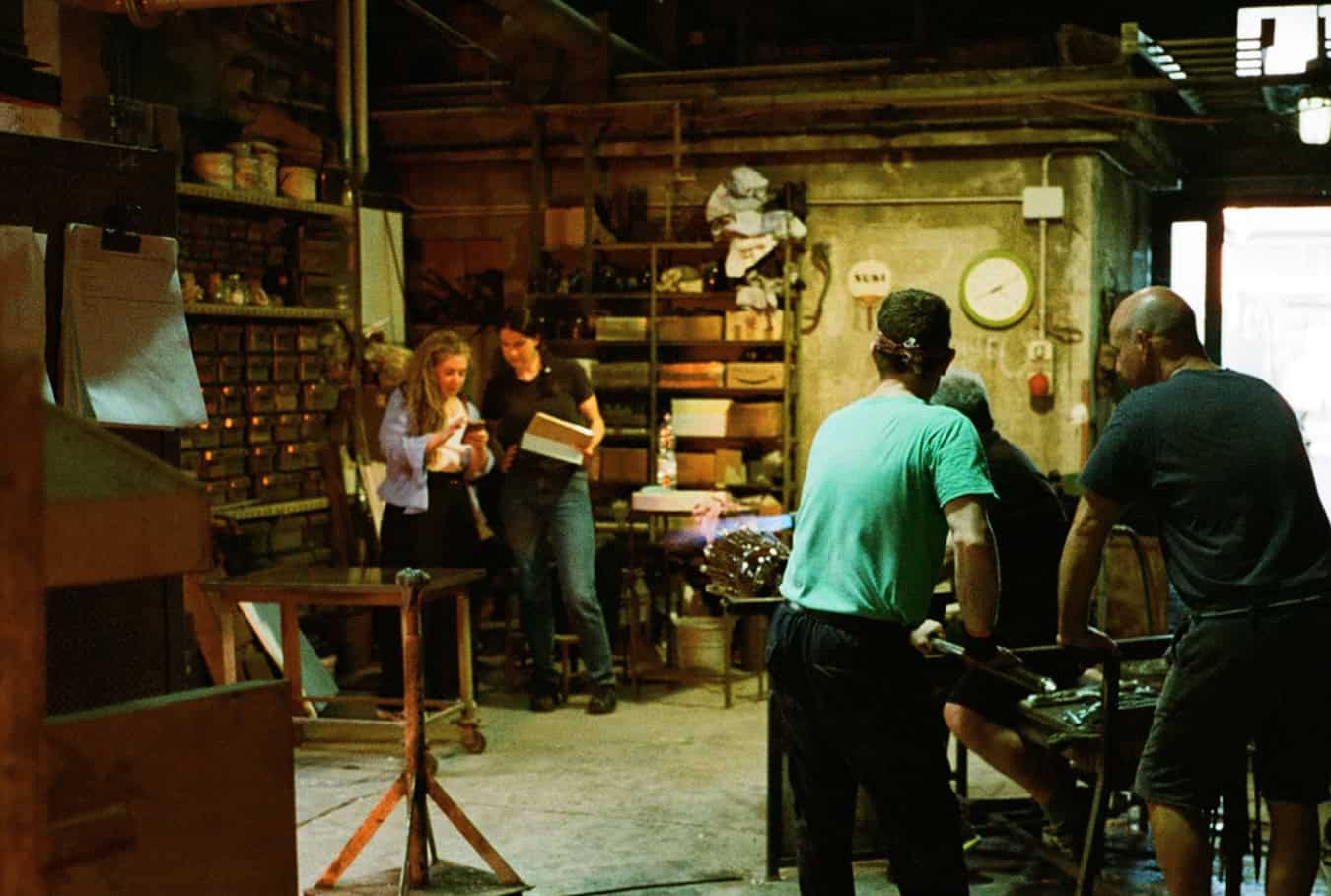
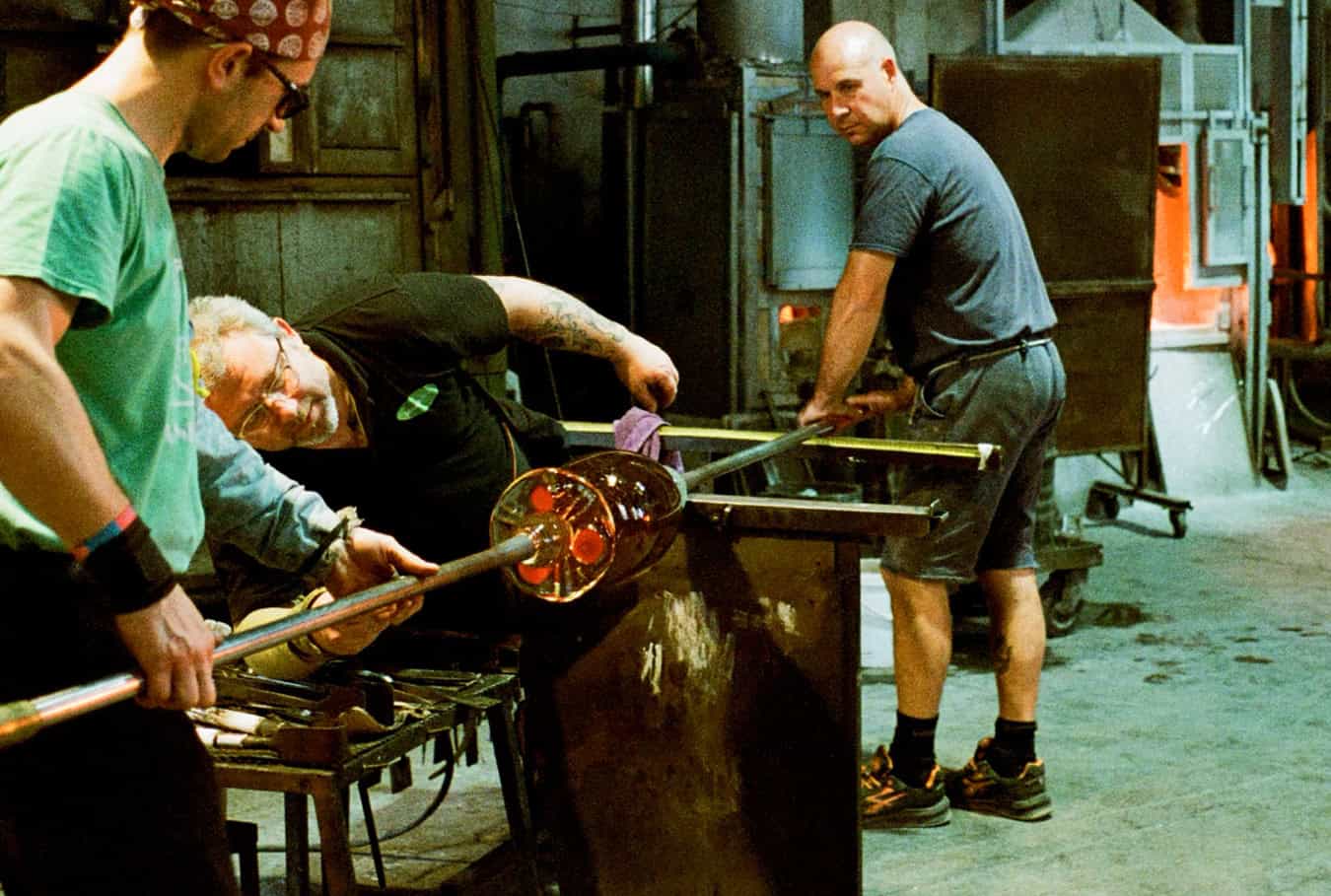
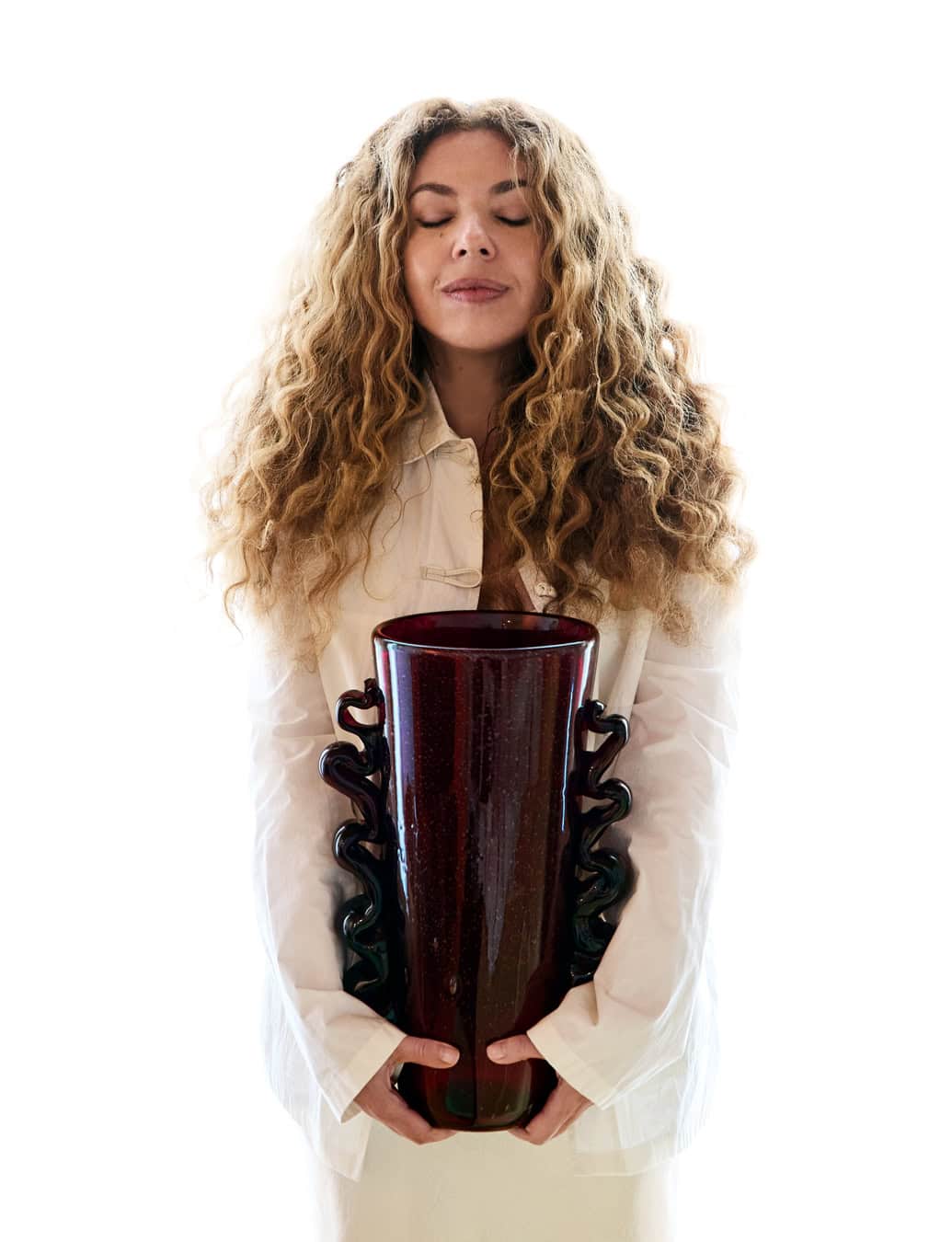
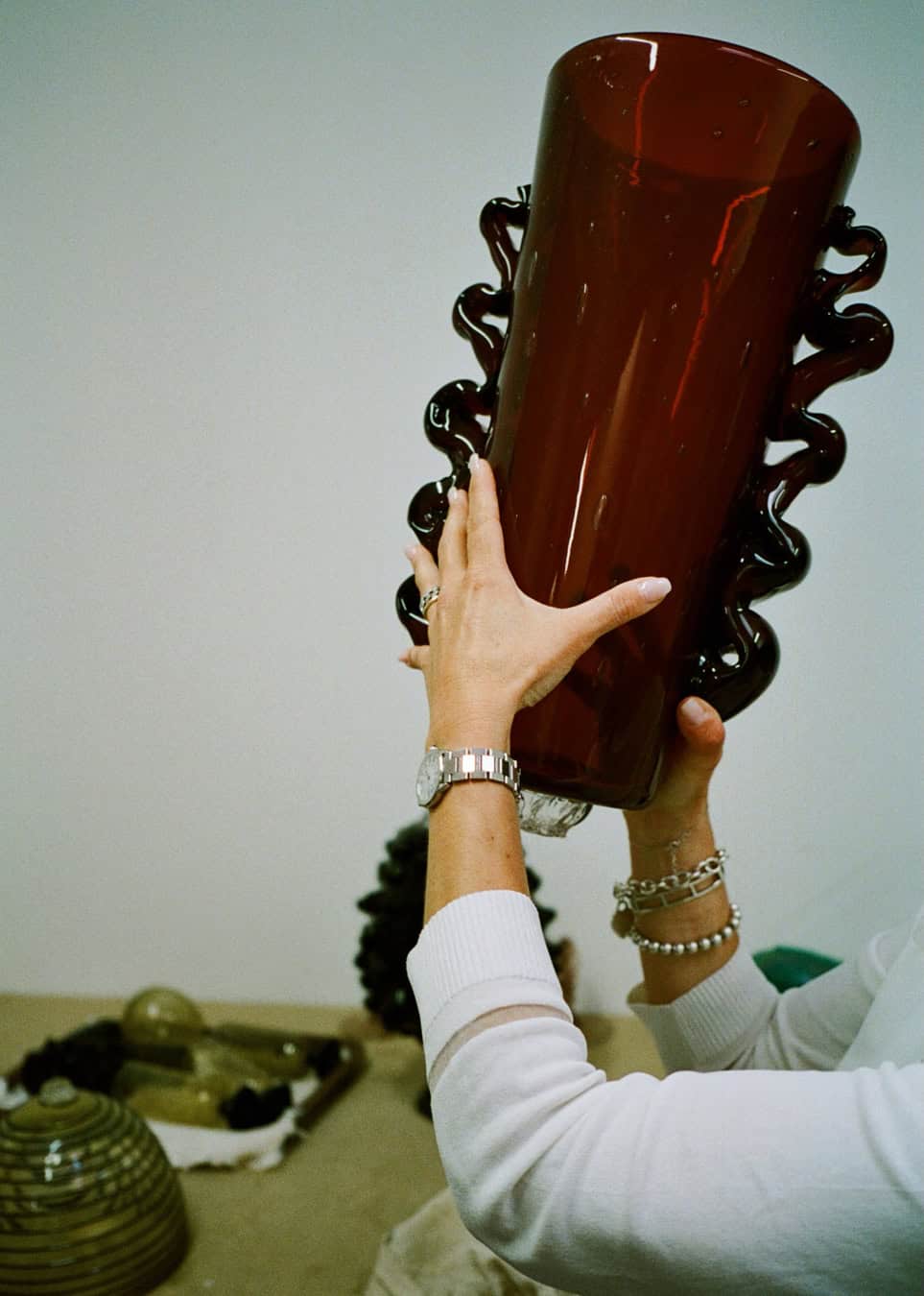
The actress Dianna Agron – a close friend of Arbib who photographed the artist at work in Murano for this story – says Arbib’s glass objects feel “both ancient and entirely new.” Agron was struck by “the choreography between Dana and the master glassblowers, the precision of their movements, the trust that exists between them.” In the workshop, Agron says, Arbib becomes “a more concentrated version of herself.” Arbib’s glasswork is eclectic, with silhouettes drawn from ancient Roman and North African forms and a splash of 20th- century Italian design. Beyond vessels, she has also expanded into lighting – chandeliers, pendants, and sconces, both as design objects and works of art. Each piece of glass is adorned with organic forms in rich, natural colors, inspired by heirloom jewelry and Murano’s old masters.
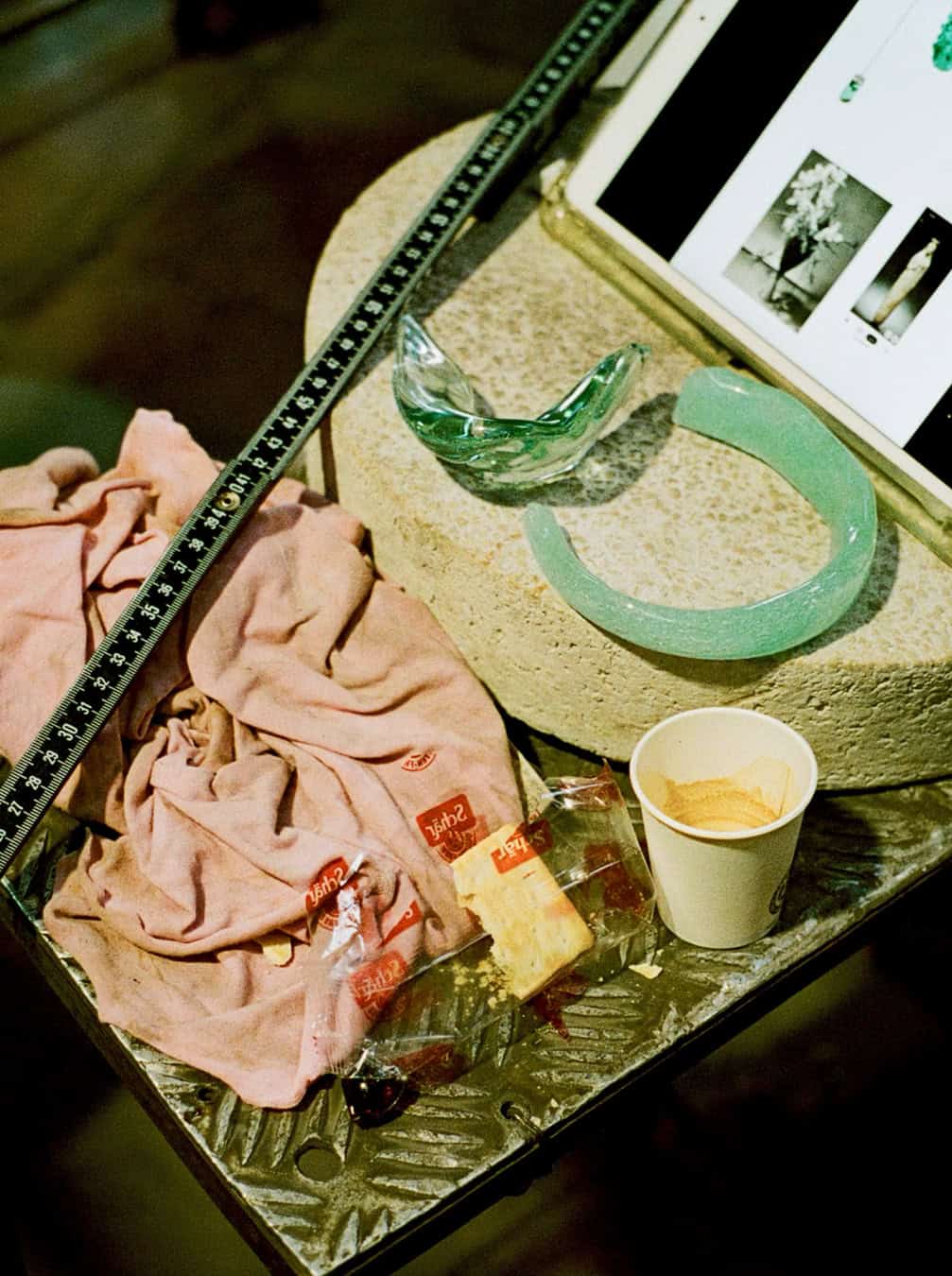
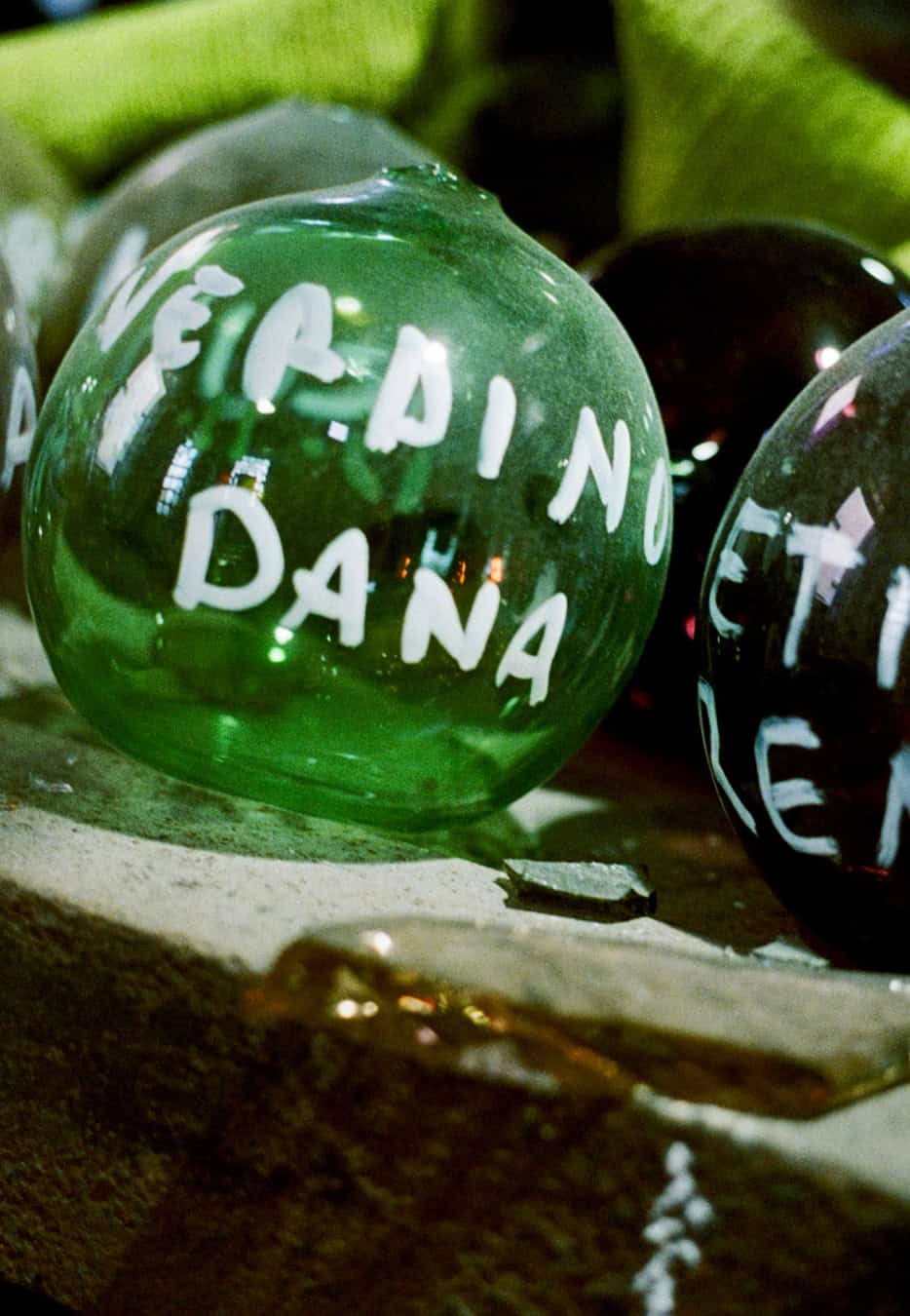
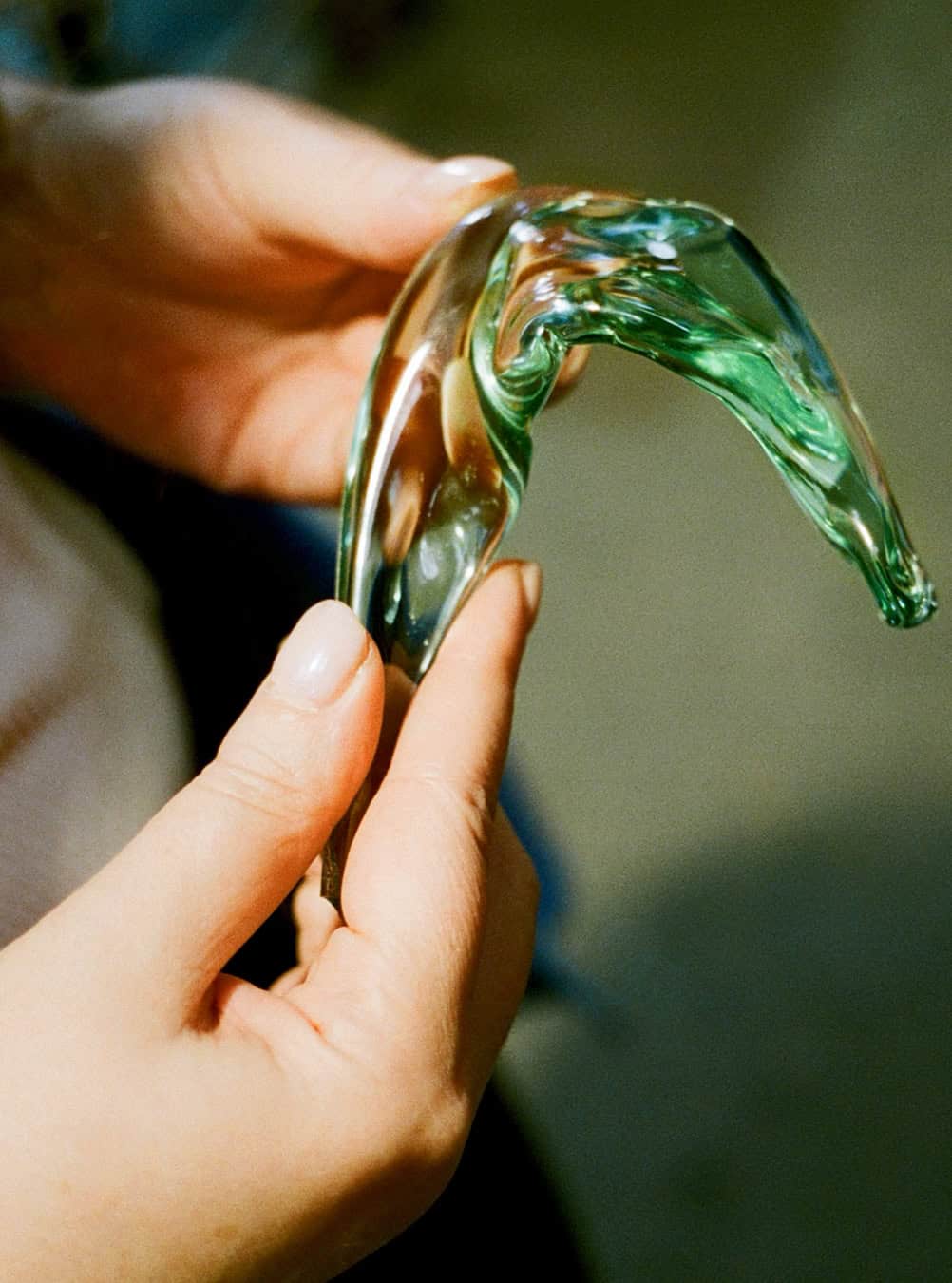
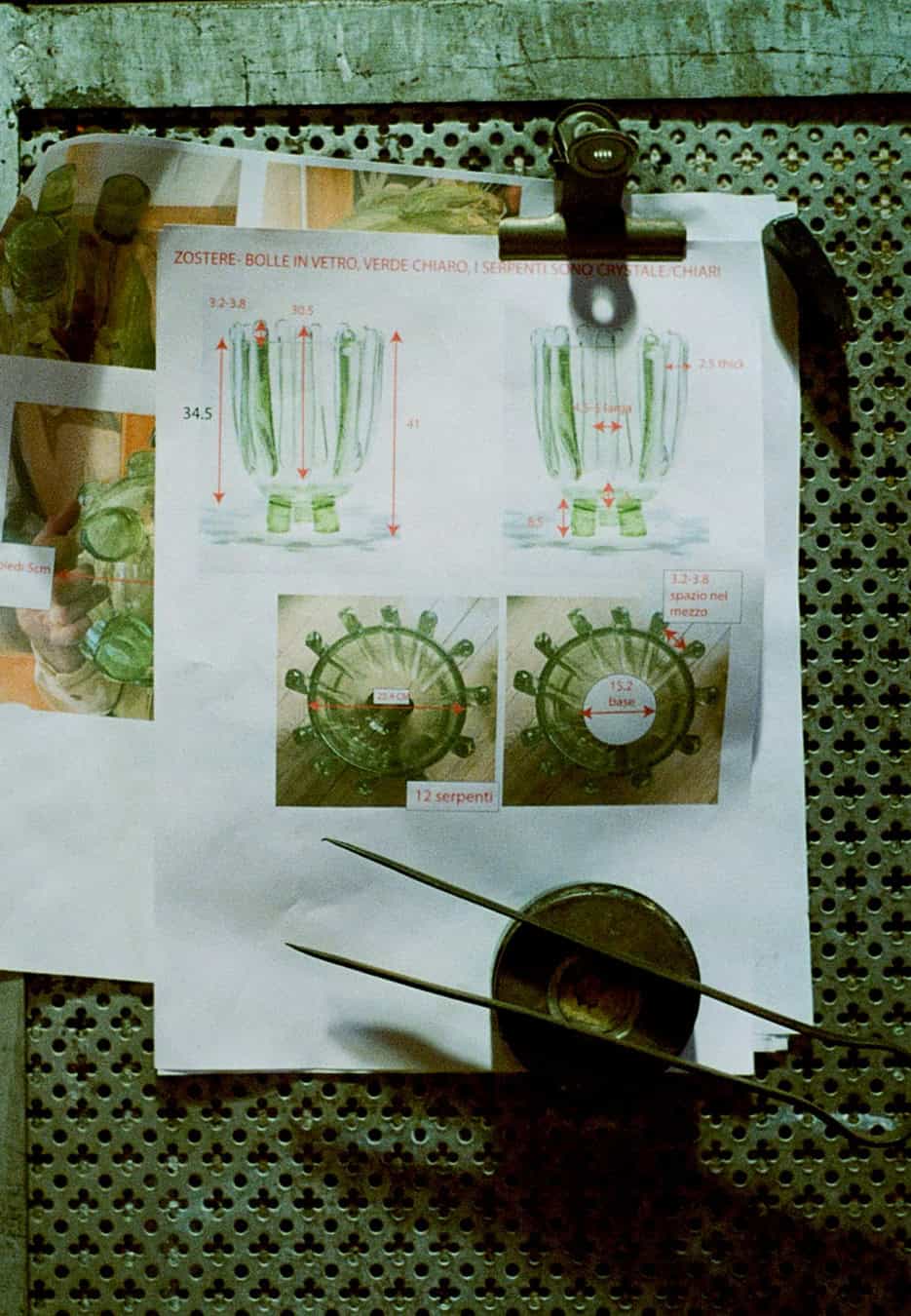
Now six years in, the artist and designer works with several furnaces across Murano, each with its own specialty: one for chandeliers, one for large vases, another for fine detail work. Finding them took years of trial and error, as some furnaces couldn’t be pushed to produce new work, some couldn’t manage one-off pieces, and others were simply too expensive. Each operation is determined by a master whose hands actually make the work. (Most are between 50 and 70, and often work with their children.) When one leaves, his replacement’s hand is never quite the same, and certain pieces become unrepeatable. “It’s all about the master,” Arbib says. Arbib flies over every few months to prototype new pieces in person and approves production remotely via WhatsApp videos sent by her assistant on the ground. The constraints of the medium are real and occasionally absurd: a chemical compound was outlawed and the green hasn’t been the same since; every color change requires cleaning out the furnace, so pieces in a given hue must be made one at a time. She likes working within these restrictions, though, and pushes gently against them. “You can’t keep just doing the same stuff over and over again,” the designer says, referencing the Italian craftspeople. “I think they get inspired by working with someone who’s pushing them.”
Some of Arbib’s fashion hardwiring persists. Every show, she feels, has to read like a collection, and each begins the way her fashion seasons did: thousands of collected images, edited down into boards. The references swing widely, from ’90s Milanese interiors to antique snuff bottles to a Canosan krater, circa 400- 300 BC, which she recently won at auction and hopes to build a collection around. So the question arrives of what to call her: an artist or a designer? “I’m kind of where art and design collide,” she says. “I am teetering between the two.”
Taken from 10 Magazine USA Issue 7 – HERITAGE, LEGACY, FUTURE – out September 18! Order your copy here.
Photographer DIANNA ARGON
Text SABRINA ABBAS
Instagram: @dana.yolanda.arbib
dana-arbib.com