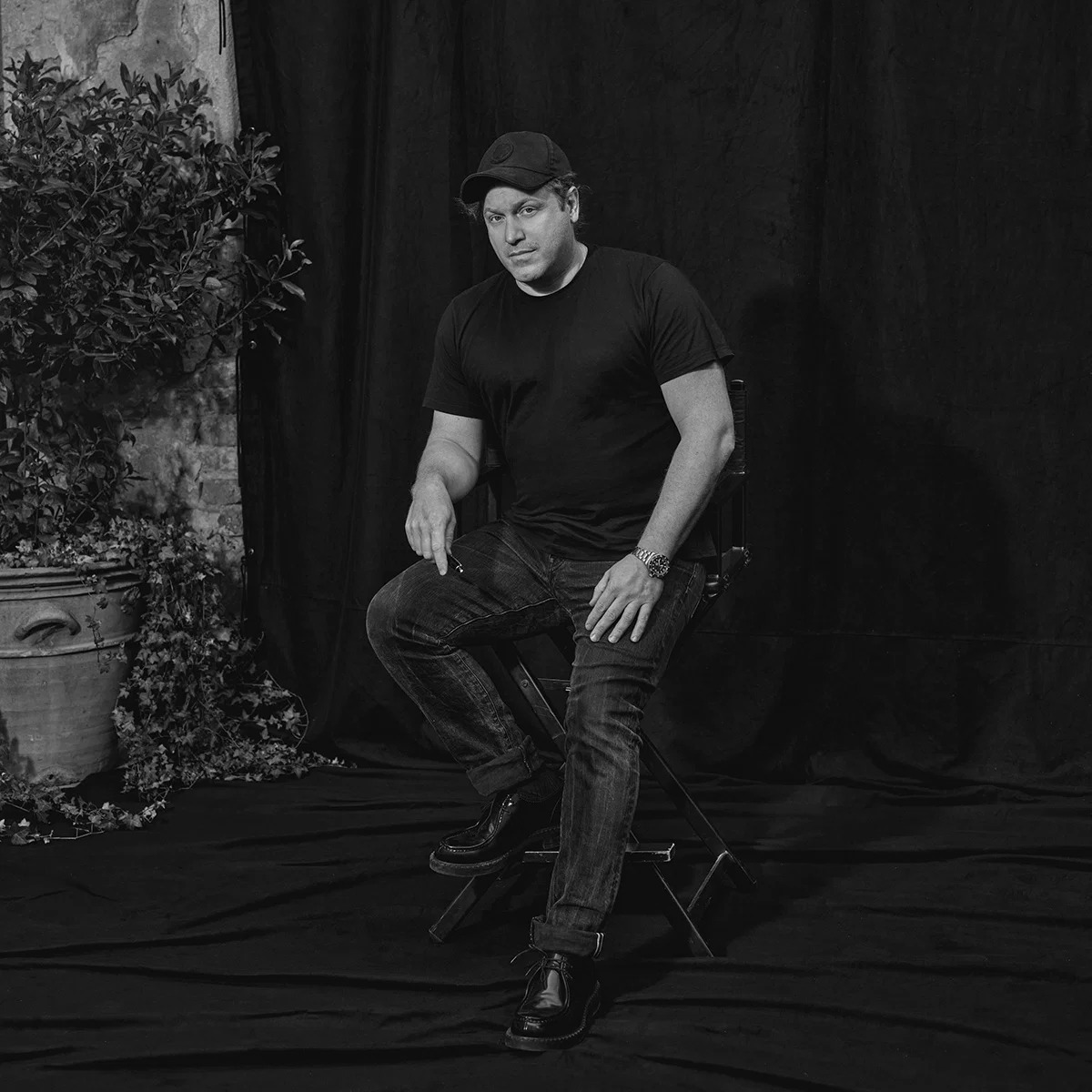
From Frida Kahlo to Carrie Bradshaw, the artistic director finds inspiration everywhere
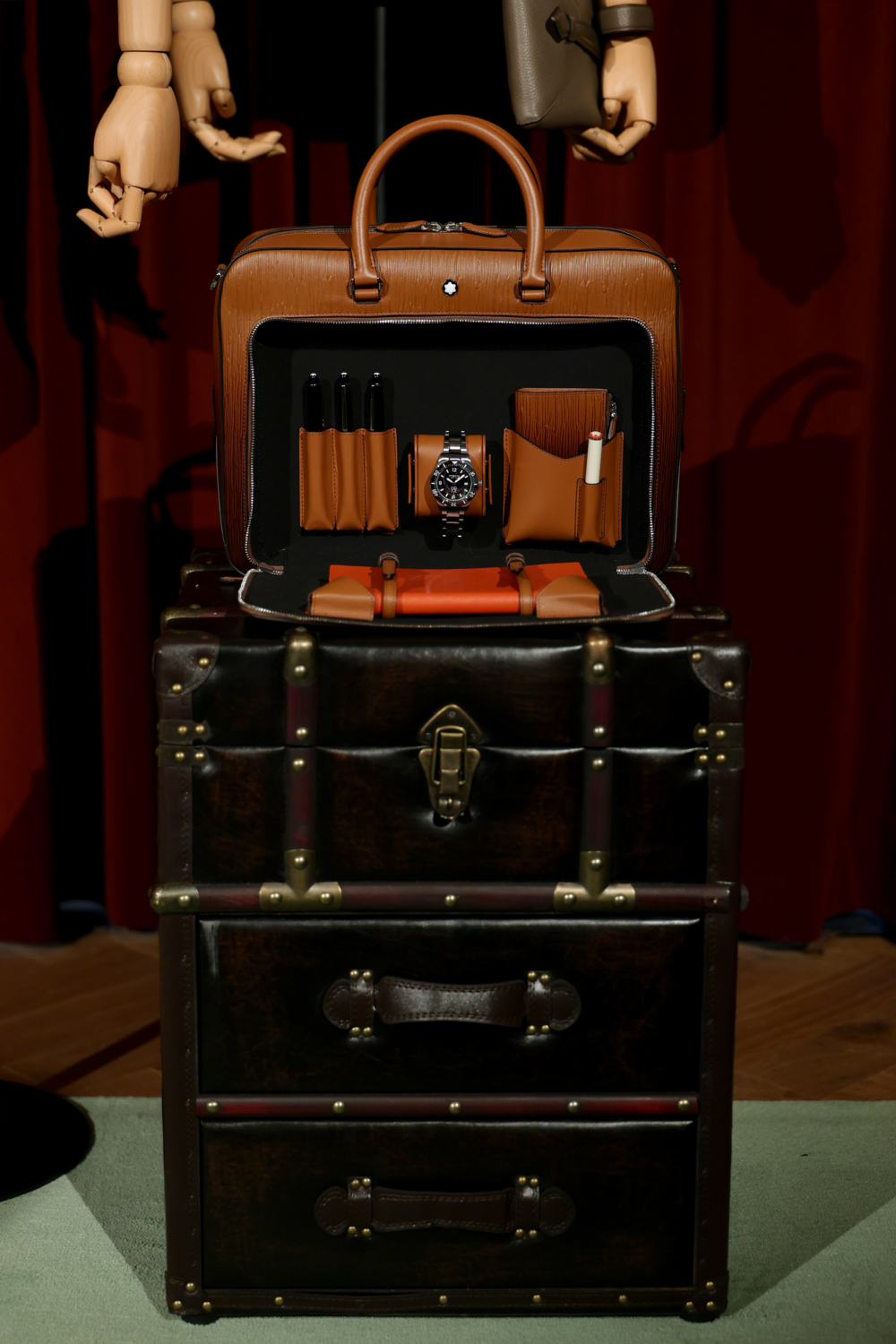
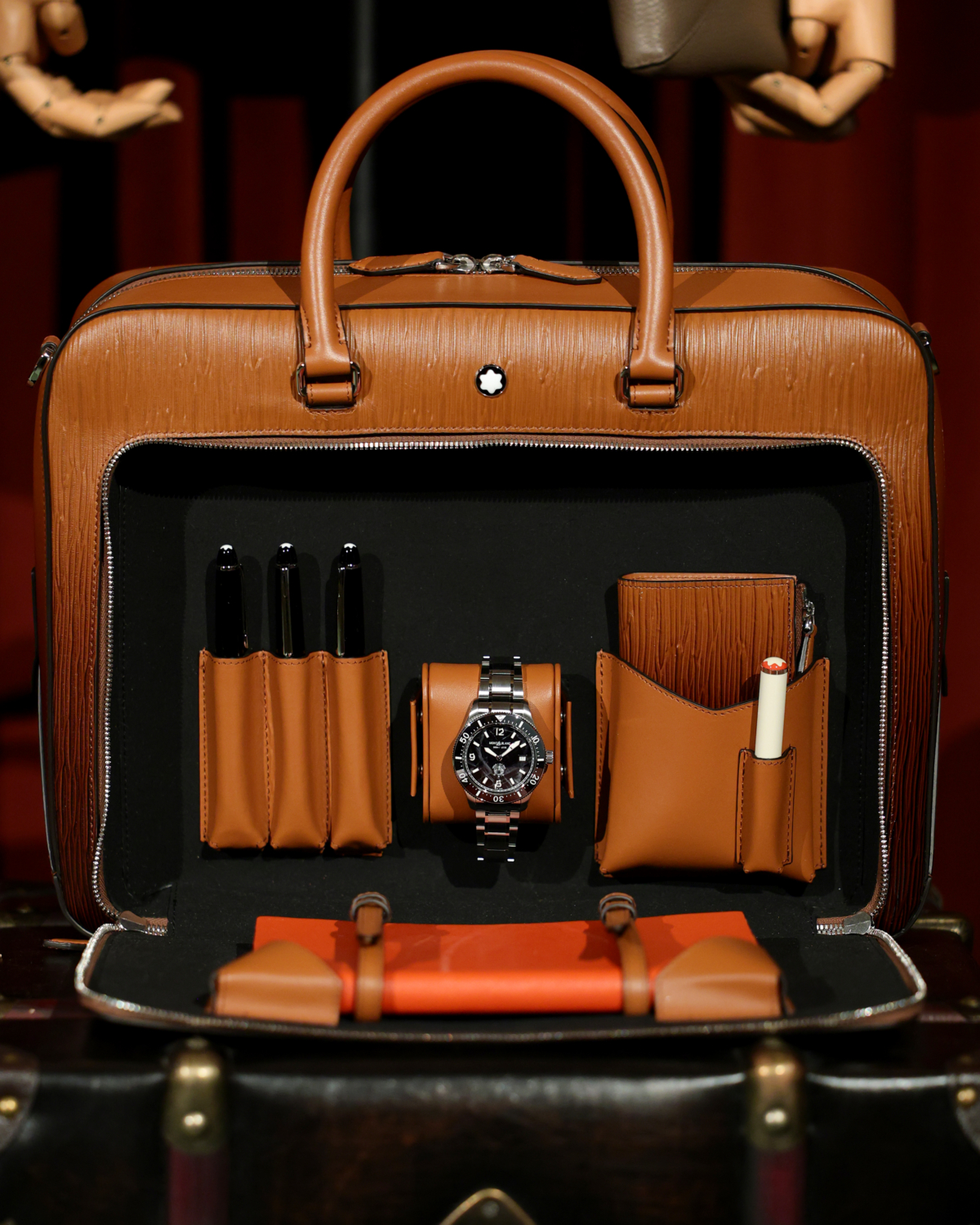
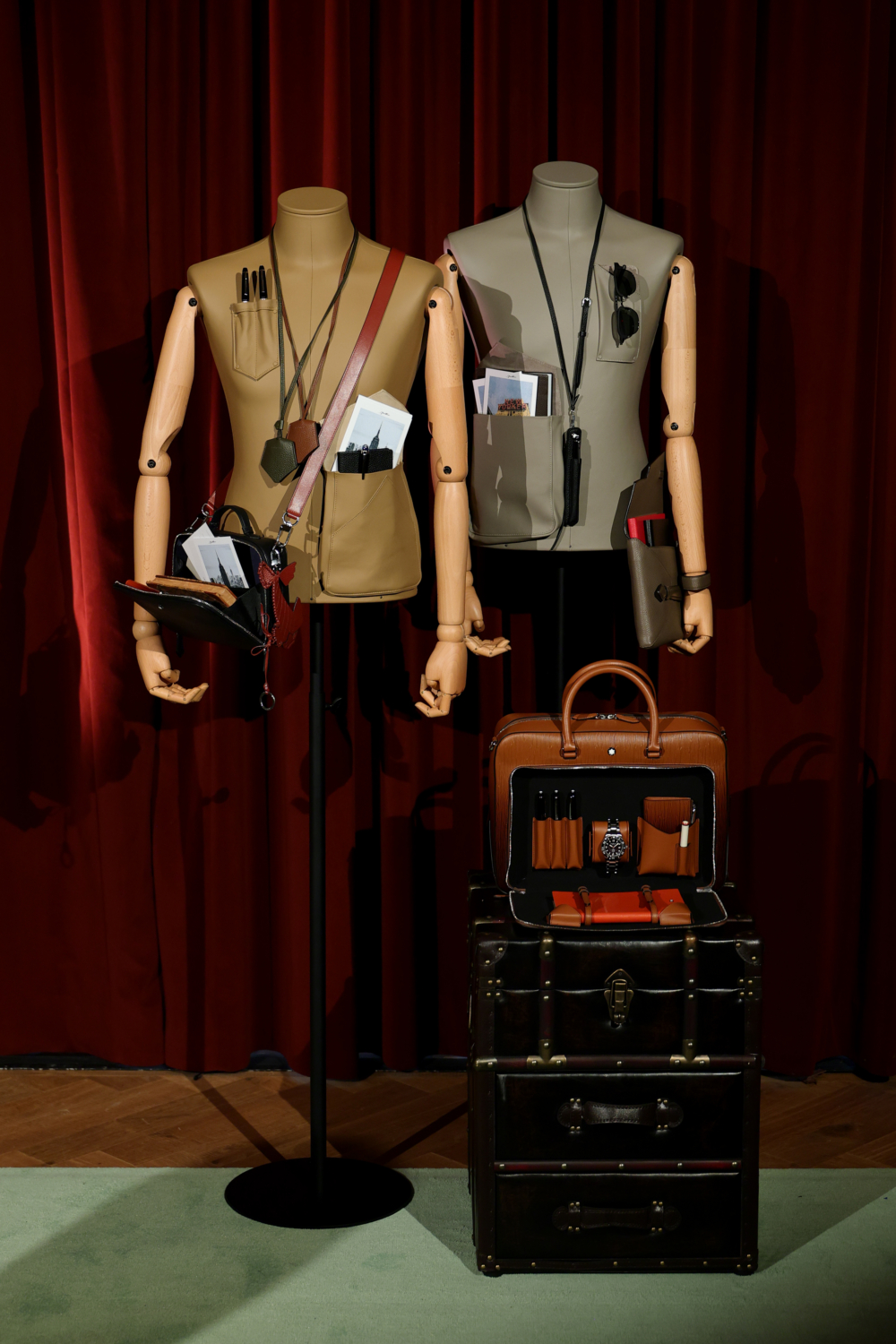
While in New York to talk about the brand’s 100th anniversary of its iconic leather goods, Montblanc artistic director Marco Tomasetta was surrounded by books by Truman Capote and Halston, and another featuring the works of Frida Kahlo. Next to him was the Writing Traveler —a chic briefcase that is essentially a desk on the go. The piece took five years to make and debuted last Fall. For creative types, it’s an organizational masterpiece: a front zip compartment holds three Meisterstück pens, a watch, and two notebooks, while the internal pocket fits a laptop or other tech items. This spring, Tomasetta is introducing an even more compact crossbody version. “[It] is the design I have enjoyed bringing to life the most,” he says.
What were you specifically focused on when you were designing the Writing Traveler?
Since the desk is Montblanc’s symbol, I like to think clients can take the items from their desk with them and travel with this bag. And it’s a decision; it’s a choice. They can organize this bag with writing items and their technology. It’s for the more nostalgic writer and also for the writer that’s high-tech. And since I see that there’s an increase in train travel returning, I think this bag helps people provide a place where they can work and write and use their computer.
What type of writer are you? More nostalgic or technological?
I am from the 1800s. [Laughs] I’m really from another era. Sto cercando di accettare quest’era. I’m trying to accept this era.
Yeah, it’s a lot with everything going on.
Yes, this is why I need to connect with artists. It’s a dialogue we can share. I know they had to be far away from their era.
Right, you have a book on Frida Kahlo here.
Her mind was modern; it had nothing to do with the era that she lived in. She did everything that a woman at that time couldn’t do.
What other books did you bring?
Truman Capote, because for me, he is New York. And Halston. I like to see his original letters. And Frida, because I remember a story about when she came to New York to present an exhibition here, and she had great success. For me, this is a city of opportunities and impossible things. Here, things are achievable. That’s my idea of New York.
That should become a city motto.
There are also the best bookshops here. When I think of New York, I picture a city at night, in silence, where people write. I think of Sex and the City, how she used to write at night, and how writing is a personal expression.
This year you’re celebrating 100 years of Montblanc leather goods. How do you want to continue to grow the brand?
My idea is to create iconic pieces that will last for a long time. For example, Meisterstück has been around for 100 years. I’d like to imagine that the Writing Traveler will be around for 50 years from now. Humanity will change, so needs will change, but I’d like to think it will still exist. When you design something pure and unique, it can endure forever—like the Meisterstück.
And you’re staying true to your roots by sourcing the leather from Italy.
The Italian artisan is the best in the world for leather—shoes, bags, everything. This bag is doing very well, and we are making it in many materials. It took an extraordinary number of hours to construct. This is the first time we’ve had an object that took so much time, manual labor, and experience to make, so it’s a unique piece.
I imagine all your previous training [designing leather goods for Givenchy] helped you create this particular piece.
Yes, but it was only possible in Italy because Italian people love change. In other countries, leatherwork is too difficult. It’s different in Italy.
Being Italian, I imagine you’re on the same page, creatively.
Italy is a very different country in every single city. Every single village. The carbonara in Rome is not the same as the carbonara in Milan. This is like a fire every time. If we’re like that about our food, imagine what it’s like with the bags. [Laughs]